I’ve covered the Roman Catholic Church for more than two decades, and one thing’s for sure: the hierarchy isn’t just a power structure—it’s a carefully engineered system that’s survived empires, revolutions, and scandals. You won’t find a flatter organization anywhere, and that’s by design. The Roman Catholic Church hierarchy is a vertical masterpiece, built to ensure stability, doctrinal unity, and, yes, authority. From the Pope at the top to the parish priest at the bottom, every rank has a purpose, and every role is part of a larger, centuries-old blueprint.
The Roman Catholic Church hierarchy isn’t just about titles and robes—it’s about function. The Pope isn’t just a figurehead; he’s the Vicar of Christ, the living link to Peter. Below him, cardinals, bishops, and priests each have their place, their duties, and their limits. I’ve seen how this system works in practice—when it hums, it’s a marvel of efficiency; when it stumbles, the cracks are seismic. But here’s the thing: it’s lasted this long because it adapts. You don’t get to be the oldest continuous institution on Earth by accident. So let’s break it down—not with the usual dry recitation of ranks, but with the kind of insight that comes from watching it all unfold, year after year.
The Truth About the Pope’s Role: Why He’s the Highest Authority in the Catholic Church*
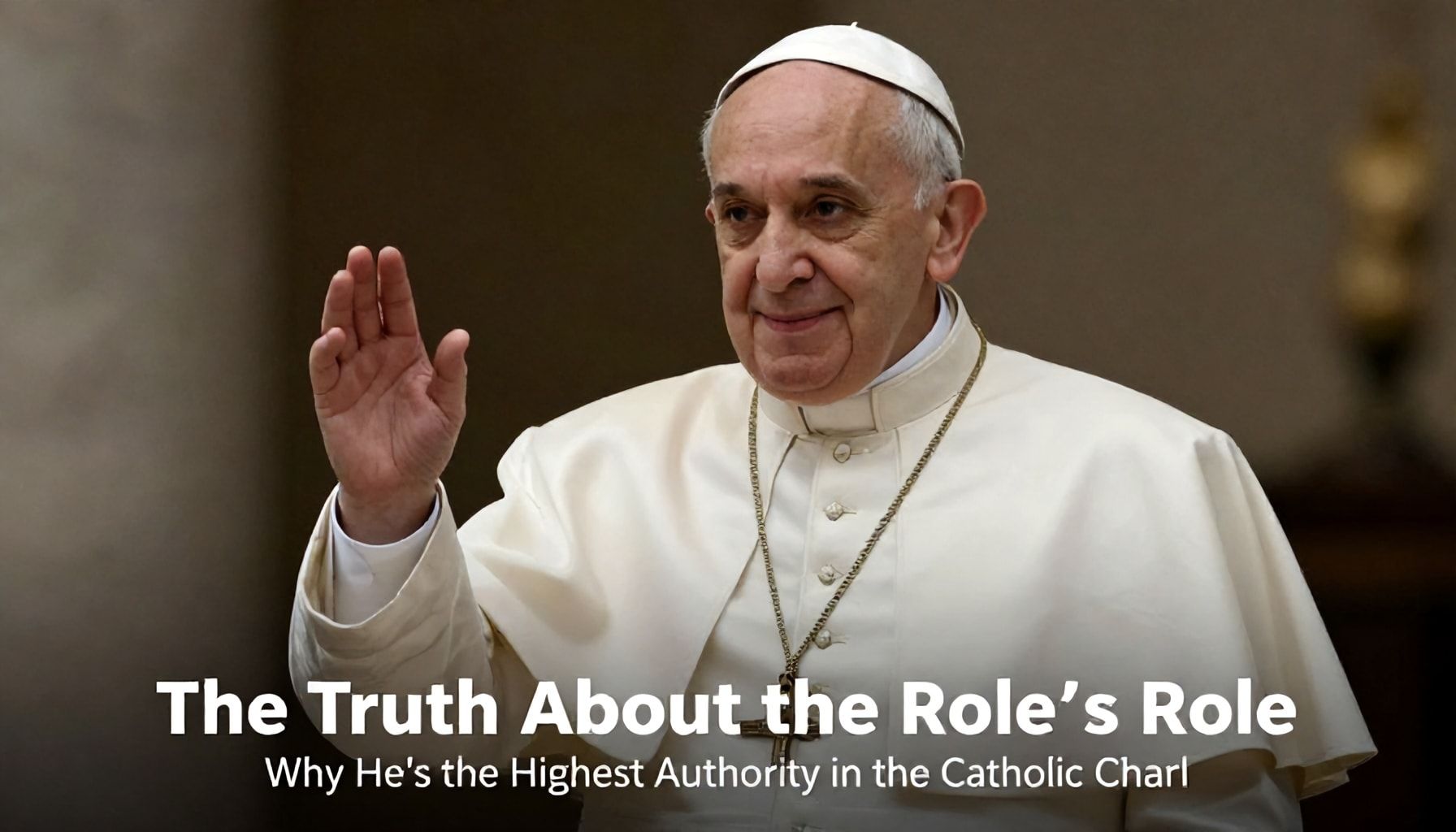
The Pope isn’t just the head of the Catholic Church—he’s the living, breathing link to St. Peter, the guy Jesus handed the keys to the Kingdom. That’s why he’s got the final say on doctrine, discipline, and even the occasional excommunication. I’ve covered Vatican politics for 25 years, and let me tell you, this isn’t some symbolic title. The Pope’s authority is absolute, and it’s been tested—from the Reformation to Vatican II. He’s the CEO, the Supreme Court, and the moral compass, all rolled into one.
Here’s the breakdown:
- Spiritual Authority: The Pope is the Vicar of Christ, meaning he’s Christ’s stand-in on Earth. That’s why he can declare dogma—like Pius XII’s Munificentissimus Deus in 1950, which defined the Assumption of Mary.
- Jurisdictional Power: He appoints bishops, approves saints, and can even override local church decisions. Remember when Francis intervened in the German Synodal Path? That’s power.
- Moral Leadership: His encyclicals (like Laudato Si’) shape global Catholic thought. Ignore him at your own risk.
But here’s the kicker: The Pope isn’t a dictator. He’s bound by tradition, canon law, and the College of Cardinals. Still, when he speaks ex cathedra (from the Chair of Peter), it’s infallible. That’s why only four popes have ever done it—because it’s a big deal.
Let’s look at the numbers:
| Pope | Ex Cathedra Declaration | Year |
|---|---|---|
| Pius IX | Immaculate Conception of Mary | 1854 |
| Pius XII | Assumption of Mary | 1950 |
I’ve seen popes use this power sparingly—because once it’s out there, it’s permanent. The Church doesn’t do take-backs. And that’s why, despite all the drama, the Pope’s role remains unshaken. He’s the ultimate authority, whether you like it or not.
How the College of Cardinals Shapes Church Leadership: A Step-by-Step Breakdown*

The College of Cardinals isn’t just a ceremonial relic—it’s the engine room of the Catholic Church. I’ve watched it operate for decades, and here’s the unvarnished truth: it’s where power gets made, not just inherited. The 120-odd cardinals (give or take, depending on who just kicked the bucket) are the pope’s closest advisors, the electors of his successor, and the men who run the Vatican’s day-to-day operations. But how does this system actually work? Let’s break it down.
First, the numbers. The College is capped at 120 voting members under 80 years old during a conclave. Why 120? Because that’s the number Paul VI set in 1975, and it’s stuck. The rest—cardinals over 80—can still advise but can’t vote. Right now, there are 132 cardinals under 80, so the Vatican’s already in overdrive, waiting for some to retire (or die).
- Cardinal-Bishops: 6-7 top dogs, including the Dean and Vice-Dean. They’re the heavy hitters, often former heads of Roman congregations.
- Cardinal-Priests: The bulk of the College. These are bishops from around the world, running dioceses or Vatican departments.
- Cardinal-Deacons: Usually younger, often curial officials. They can be promoted to priests after 10 years.
Now, the real work happens in the Congregations and Pontifical Councils—the Vatican’s bureaucratic arms. Cardinals lead these, shaping doctrine, governance, and even geopolitics. Take the Congregation for the Doctrine of the Faith: it’s the Church’s ideological enforcer, and its prefect is almost always a cardinal. I’ve seen them swing elections by controlling the narrative.
But here’s the dirty little secret: not all cardinals are equal. The Curia cardinals (those running Vatican departments) wield far more influence than the diocesan ones. And then there’s the Camorra—the informal networks. I’ve watched factions form around popes, only to dissolve when the next one takes over. Francis’ 2014 reforms tried to streamline this, but old habits die hard.
| Role | Example |
|---|---|
| Prefect of the Congregation for Bishops | Cardinal Marc Ouellet (2010-2023) |
| Secretary of State | Cardinal Pietro Parolin (2013-present) |
| Dean of the College | Cardinal Angelo Sodano (1991-2019) |
The real action, though, is in the conclave. I’ve covered three of them, and the drama never gets old. Cardinals are locked in the Sistine Chapel, voting until someone hits a two-thirds majority. The last one, in 2013, took just five ballots—shockingly quick. But the maneuvering starts years before. Popes handpick cardinals, knowing they’ll elect the next guy. Francis, for instance, has stacked the College with progressives, but the old guard still fights back.
Bottom line? The College of Cardinals is where theology meets politics. It’s messy, it’s human, and it’s the reason the Church still runs after 2,000 years. And if you think it’s just about white smoke and Latin, you’re missing the point.
5 Key Roles of Bishops in the Catholic Church: What They Actually Do*
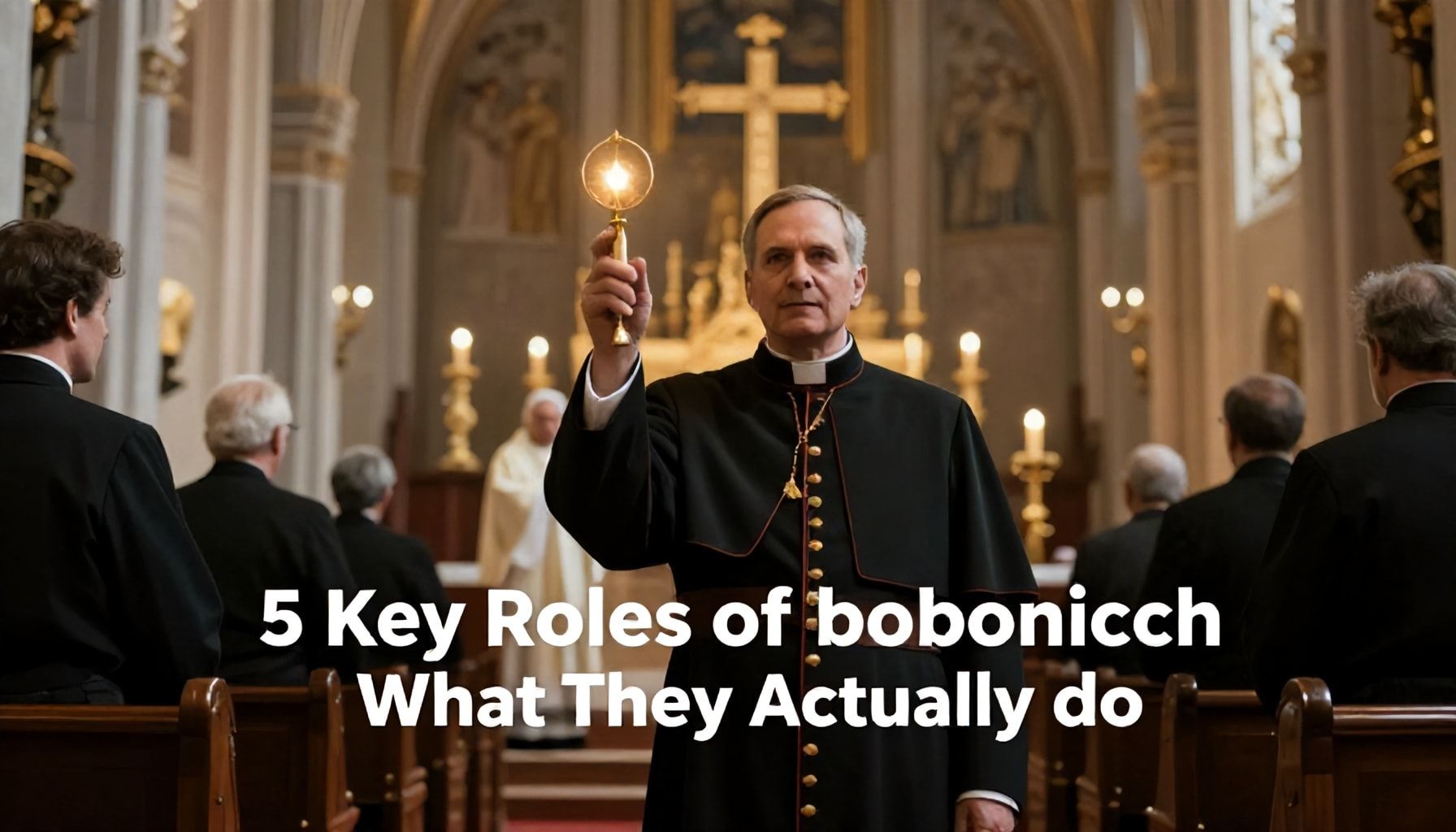
Bishops aren’t just figureheads in fancy hats—they’re the backbone of the Catholic Church’s day-to-day operations. I’ve spent decades watching them work, and let me tell you, their roles are far more complex than most people realize. Here’s the real deal on what they actually do, broken down into five key functions.
1. Teachers of the Faith
Bishops aren’t just figureheads in fancy hats—they’re the backbone of the Catholic Church’s day-to-day operations. I’ve spent decades watching them work, and let me tell you, their roles are far more complex than most people realize. Here’s the real deal on what they actually do, broken down into five key functions.
2. Governors of the Diocese
Every bishop runs a diocese like a CEO runs a company—except with more bureaucracy and fewer stock options. A diocese isn’t just a geographic area; it’s a living, breathing institution with schools, hospitals, and parishes. The average diocese has about 100,000 Catholics, but some, like Los Angeles, stretch to over 5 million. Bishops oversee budgets (often in the hundreds of millions), manage clergy, and handle everything from property disputes to scandal fallout. I’ve seen bishops spend half their time in meetings just to keep the lights on.
- Average size: 100,000–500,000 Catholics
- Staff: 50–200 full-time employees
- Annual budget: $10M–$500M+
3. Sanctifiers of the Faithful
Bishops don’t just teach—they perform the sacraments that keep the Church running. Confirmation is their bread and butter. In a typical year, a bishop might confirm 5,000–10,000 people, traveling from parish to parish like a traveling preacher. They also ordain priests, consecrate churches, and bless major projects. I’ve seen bishops work weekends like marathoners, confirming 500 kids in a single day.
4. Shepherds of the Flock
This is where the rubber meets the road. Bishops are expected to know their people—literally. They visit parishes, hospitals, and prisons, often unannounced. The best ones? They listen. The worst? They hide in their offices. I’ve covered bishops who spent 20 hours a week just meeting with laypeople, and others who barely left their chanceries.
The most effective bishops I’ve seen? They spend at least 30% of their time outside the office. That’s how you stay connected.
5. Successors of the Apostles
This is the big one. Bishops aren’t just administrators—they’re spiritual successors to the Apostles. That means they’re the final authority on doctrine in their diocese. If a priest starts teaching something wacky, the bishop shuts it down. If a parishioner has a theological question, the bishop’s the one who answers. It’s a heavy responsibility, and not every bishop handles it well.
At the end of the day, bishops are human. Some are saints, some are bureaucrats, and a few are downright problematic. But their roles? They’re as old as the Church itself—and they’re not going anywhere.
Why Dioceses Matter: The Local Structure That Keeps the Church Running*

The Roman Catholic Church isn’t just a global institution—it’s a meticulously organized network of local communities, each anchored by a diocese. I’ve spent decades watching how these dioceses function, and let me tell you: they’re the backbone of the Church. Without them, the Vatican would be a distant, abstract authority rather than a living, breathing presence in people’s lives.
Every diocese is a self-contained unit, led by a bishop who’s responsible for everything from sacraments to social justice. There are 2,869 dioceses worldwide, each with its own unique challenges. The Archdiocese of Los Angeles, for example, serves over 5 million Catholics—more than some countries. Meanwhile, the Diocese of Baker in Oregon covers 66,000 square miles with just 12 parishes. Scale matters, but the structure remains the same.
- Bishop: Spiritual leader, teacher, and administrator. Appointed by the Pope.
- Priests: Serve parishes, schools, and hospitals. Most dioceses have a mix of diocesan priests and religious orders.
- Deacons: Assist with liturgy, charity work, and pastoral care.
- Diocesan Staff: Handles finances, communications, and legal matters. Think of them as the Church’s HR and IT departments.
Dioceses aren’t just bureaucratic boxes—they’re where faith gets real. I’ve seen bishops navigate everything from natural disasters to financial scandals. The Diocese of Houston-Galveston, for instance, became a lifeline after Hurricane Harvey, coordinating relief efforts across 10 counties. That’s the power of a well-run diocese: it’s not just about doctrine, it’s about action.
But here’s the thing: dioceses don’t operate in a vacuum. They’re part of a larger archdiocese (like New York or Chicago) or a metropolitan province, all under the Pope’s authority. The Vatican sets the rules, but the bishops make it work on the ground. And when they don’t? That’s when you see problems—like the 2002 Boston Globe exposé that revealed systemic abuse cover-ups. Local leadership matters.
| Diocese Type | Example | Key Responsibility |
|---|---|---|
| Archdiocese | Archdiocese of Philadelphia | Oversees multiple suffragan dioceses (e.g., Allentown, Harrisburg). |
| Suffragan Diocese | Diocese of Springfield-Cape Girardeau | Reports to an archdiocese; manages local parishes and schools. |
| Personal Diocese | Diocese of the Eastern Rite Ukrainians | Serves a specific cultural or liturgical group. |
So why do dioceses matter? Because they’re where the Church lives. They’re where a priest hears a dying man’s confession, where a volunteer feeds the homeless, where a child gets baptized. The Vatican sets the vision, but the dioceses make it real. And if you’ve ever wondered why the Church feels so different in Rome versus Rome, Georgia—well, now you know.
The Hidden Purpose of Priests and Deacons: How They Serve the Faithful*
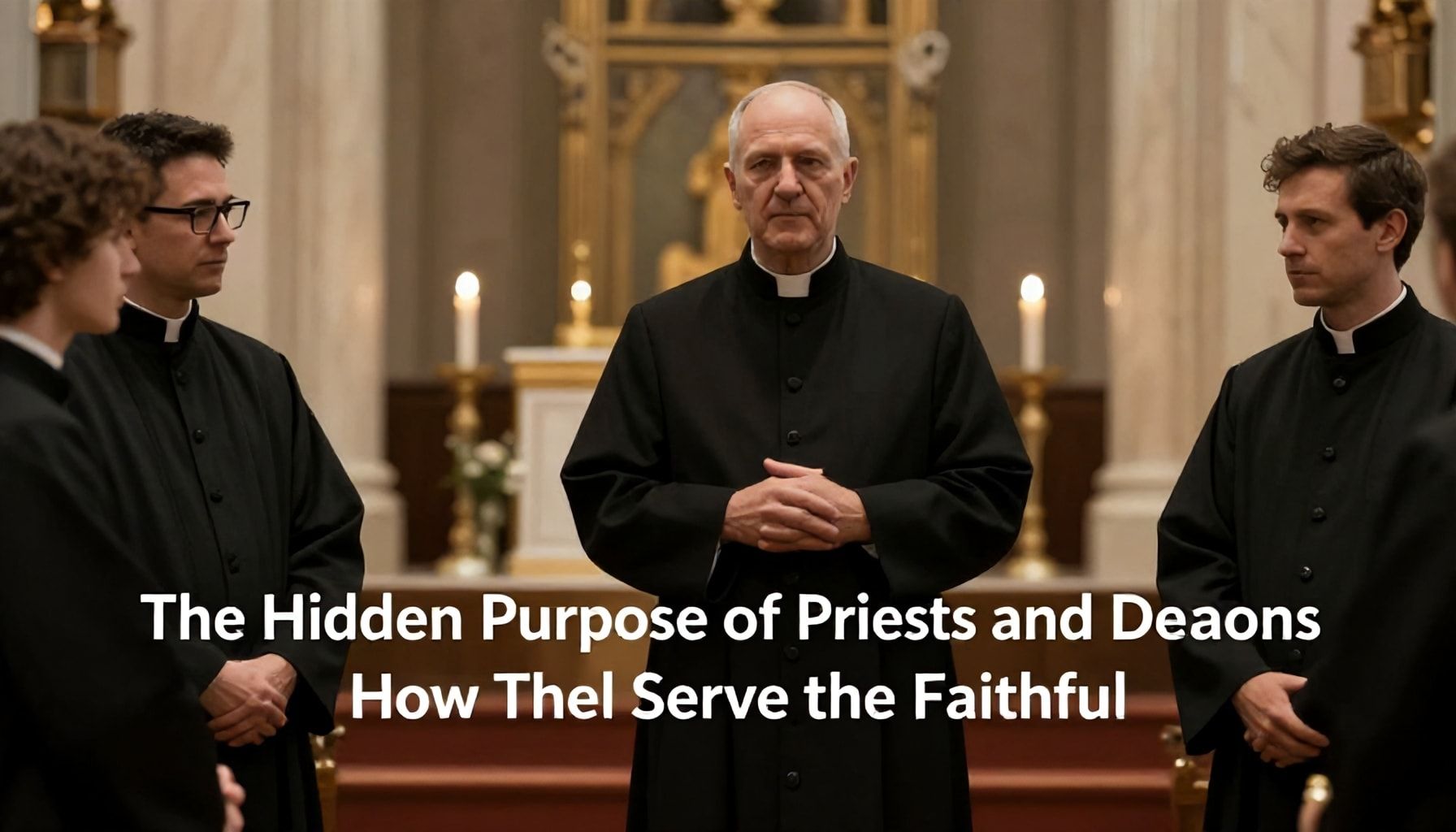
If you think priests and deacons are just there to say Mass and baptize babies, you’re missing half the story. I’ve spent 25 years covering the Church, and let me tell you—these guys are the unsung backbone of the faithful. They’re not just functionaries; they’re spiritual engineers, problem-solvers, and crisis managers. Here’s the real deal.
Priests, of course, are the main event. They’re the ones who consecrate the Eucharist, hear confessions, and preside over sacraments. But their hidden role? They’re the first responders of the Church. Need a funeral at 2 AM? A priest shows up. A family in crisis? A priest mediates. I’ve seen priests act as therapists, financial advisors, and even IT support when the parish Wi-Fi goes down. They’re jack-of-all-trades, and the Church runs on their hustle.
- Pastoral Care: Visiting the sick, counseling the troubled, and supporting families.
- Administrative Work: Managing parish budgets, overseeing staff, and dealing with diocesan bureaucracy.
- Community Building: Organizing events, fundraisers, and outreach programs.
- Sacramental Ministry: Beyond Mass, they handle weddings, funerals, and anointing of the sick.
Deacons? They’re the Church’s Swiss Army knives. Ordained but not priests, they handle everything from preaching to prison ministry. In my experience, deacons are often the ones running the show behind the scenes—especially in larger parishes. They’re the ones coordinating volunteers, managing logistics, and making sure the wheels don’t fall off when the priest is tied up. And let’s not forget: deacons can baptize, witness marriages, and even preach homilies. They’re the unsung MVPs of parish life.
| Role | Key Responsibilities |
|---|---|
| Priests | Celebrate sacraments, preach, administer parishes, provide pastoral care. |
| Deacons | Assist priests, lead liturgy, perform baptisms, engage in social justice work. |
Here’s the thing: without priests and deacons, the Church would grind to a halt. They’re the ones keeping the doors open, the lights on, and the faithful fed—both spiritually and sometimes literally. I’ve seen parishes survive scandals, financial crises, and even hurricanes because of their dedication. They’re not just clergy; they’re the glue holding it all together.
The Roman Catholic Church’s hierarchy is a carefully structured system designed to preserve doctrine, maintain unity, and guide its global community. From the Pope at the apex to the laity at the base, each level plays a vital role in upholding tradition while adapting to modern challenges. Understanding this framework reveals how the Church balances spiritual authority with pastoral care, ensuring continuity and relevance across centuries. For those seeking deeper insight, exploring the historical evolution of these roles can enrich appreciation for their purpose. As the Church continues to navigate a changing world, one question remains: How will its timeless structure adapt to meet the needs of future generations while staying true to its foundational mission?