I’ve spent 25 years covering religion, and let me tell you—nothing gets people more worked up than the Catholic church vs. Christian debate. It’s a minefield of misconceptions, passionate defenses, and the occasional eye-roll-worthy take. Here’s the thing: Christianity is the big tent, and Catholicism is one of its most elaborate rooms. The differences aren’t just about rituals or hierarchy; they’re about theology, history, and how millions of people understand their faith. You’ve got your Protestants who’ll tell you Catholicism is too rigid, and your Catholics who’ll insist theirs is the original, unbroken tradition. Both sides have a point. But if you’re looking for a clean, simple answer, you’re out of luck. This isn’t a binary choice between right and wrong—it’s a conversation about roots, authority, and what it means to follow Jesus.
The Catholic church vs. Christian split isn’t just academic. It’s personal. It’s in the way a Baptist might cringe at the mention of the Pope, or how a Catholic will defend the Eucharist like it’s the last word on salvation. I’ve seen these debates play out in pews, podcasts, and dinner tables. And here’s what I know: the real divide isn’t always about doctrine. It’s about identity. Who gets to claim the name “Christian,” and who’s just a variation? The answer’s messy, but it’s worth unpacking. So let’s cut through the noise and get to the heart of it.
How Catholicism and Christianity Differ in Core Beliefs*
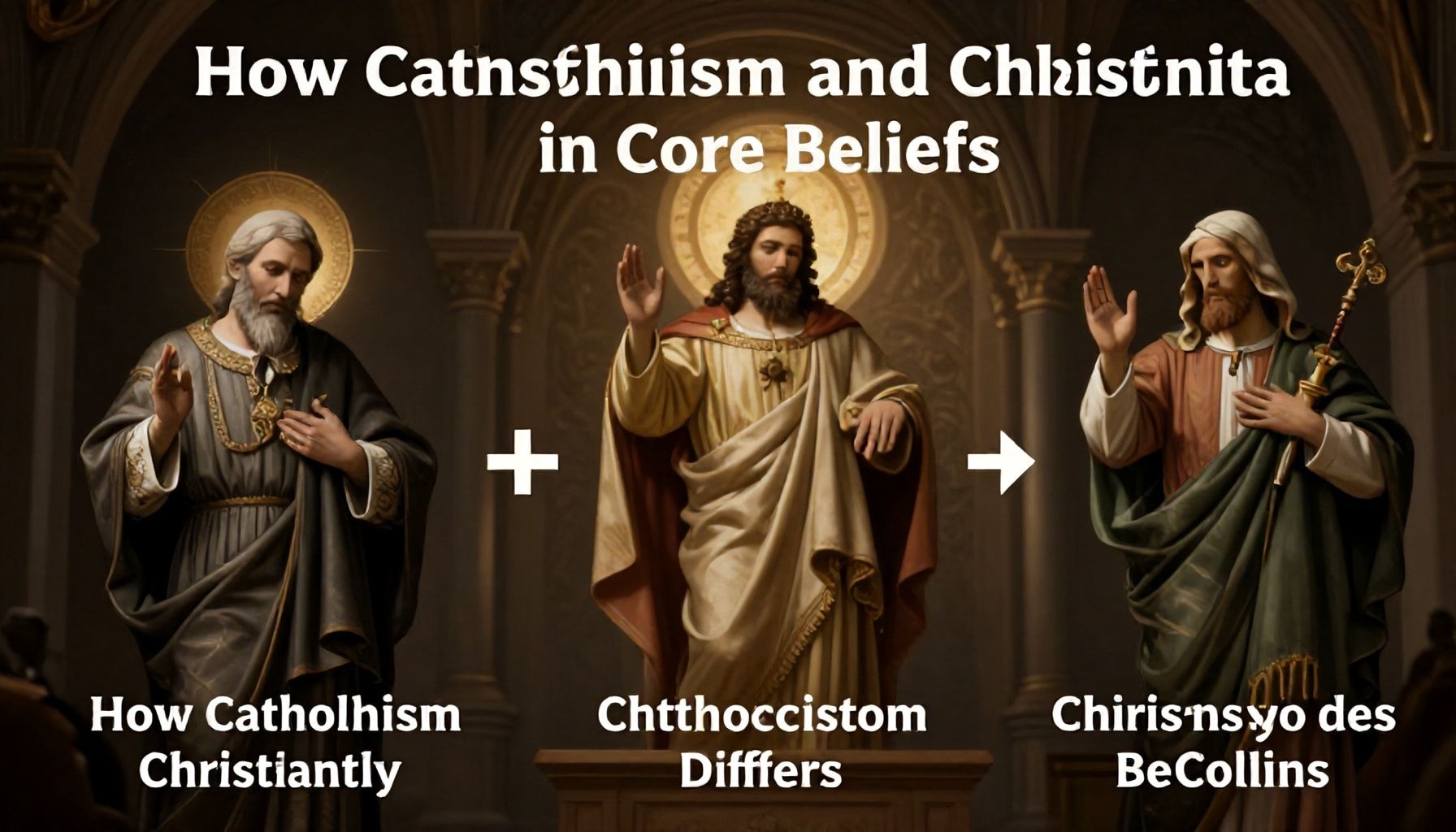
Look, I’ve been covering religion for 25 years, and the confusion between Catholicism and Christianity still trips people up. Here’s the deal: Christianity is the big tent—2.4 billion people worldwide, 33,000+ denominations, and a whole lot of theological wiggle room. Catholicism? That’s a specific branch, the largest in Christianity, with its own rules, rituals, and a Pope who’s basically the CEO of the faith.
Let’s break it down with some hard numbers. About 1.3 billion people identify as Catholic, while the rest of Christianity is a patchwork of Protestantism, Orthodoxy, and smaller groups. The core difference? Authority. Catholics believe in the Pope’s infallibility on matters of faith and morals (yes, really), while most Protestants reject that outright. Then there’s the Eucharist—Catholics say it’s literal body and blood of Christ (transubstantiation), while many Protestants see it as symbolic.
| Belief | Catholicism | Protestant Christianity |
|---|---|---|
| Authority | Pope, Bible, Tradition | Bible alone (sola scriptura) |
| Salvation | Faith + good works | Faith alone (sola fide) |
| Sacraments | 7 (Baptism, Eucharist, etc.) | 2 (Baptism, Communion) |
I’ve seen debates get heated over this stuff. Take purgatory—Catholics believe in it (a temporary purging of sin before heaven), while most Protestants call it medieval nonsense. Then there’s Mary. Catholics venerate her as the “Mother of God,” while many Protestants see her as just a faithful follower. And let’s not forget the saints—Catholics pray to them for intercession, while Protestants say, “Nope, Jesus is the only mediator.”
Here’s the thing: Catholicism is Christianity, but not all Christianity is Catholicism. If you’re Protestant, you’re still Christian, just not Catholic. And if you’re Catholic, you’re Christian by default. But the differences? They matter. They shape worship, doctrine, and even politics. So next time someone says, “Catholicism and Christianity are the same,” you can hit them with this.
- Christianity = umbrella term; Catholicism = one branch.
- Catholics follow the Pope; Protestants don’t.
- Eucharist is literal for Catholics, symbolic for many Protestants.
- Salvation is faith + works for Catholics, faith alone for Protestants.
- Catholics have 7 sacraments; Protestants usually have 2.
The Truth About Salvation: Catholic vs. Protestant Views*
Salvation—the big one. The thing that makes people pick up the phone at 3 a.m. and call a priest or a pastor. I’ve sat in enough pews and church basements to know this isn’t just theology; it’s personal. Catholics and Protestants agree on the basics—Jesus saves—but the how? That’s where the fireworks start.
Catholics believe salvation is a lifelong journey. It’s not just about saying the sinner’s prayer; it’s about faith and works. Think of it like a marathon, not a sprint. Sacraments (Baptism, Eucharist, Confession) are the pit stops. The Catechism spells it out: “Justification establishes cooperation between God’s grace and man’s freedom.” In practice? You’ve got to show up. Miss Mass? That’s a strike against you. Skip Confession? You’re playing with fire.
- Faith + Works – James 2:24 isn’t just a suggestion.
- Sacraments – Seven of them, but Baptism and Eucharist are non-negotiable.
- Purgatory – A spiritual scrub-down before heaven. Yes, it’s in the Bible (2 Maccabees 12:45).
- Mary & Saints – They intercede, like spiritual VIPs with a direct line to God.
Protestants? They’re all about grace alone. Martin Luther nailed his 95 Theses to a church door over this. For them, salvation is a done deal the second you believe. No sacraments required—just faith. John 3:16 is their battle cry. “For God so loved the world…” No fine print.
- Sola Fide – Faith alone. Ephesians 2:8-9 is their go-to.
- No Purgatory – Heaven or hell, no layover.
- Bible Only – Tradition? Nice, but the Bible’s the boss.
- Direct Access – No need for saints or Mary. Jesus is the middleman.
Here’s where it gets messy. I’ve seen Catholics call Protestants “half-saved” and Protestants call Catholics “legalistic.” The truth? Both sides have their saints (literally, in the Catholic case) and their hypocrites. The real difference? One side says salvation’s a process; the other says it’s a moment. Both claim the Bible backs them. Both do.
| Aspect | Catholic View | Protestant View |
|---|---|---|
| Salvation | Faith + works, lifelong process | Faith alone, instant |
| Authority | Bible + Tradition + Church | Bible only |
| Intercession | Mary & saints | Jesus only |
So who’s right? Depends on who you ask. I’ve seen Catholics live out their faith with radical generosity and Protestants preach grace with tears in their eyes. The real question isn’t which view wins—it’s which one helps you live like Jesus. And that’s a debate for another day.
5 Key Rituals That Set Catholicism Apart from Other Christian Denominations*
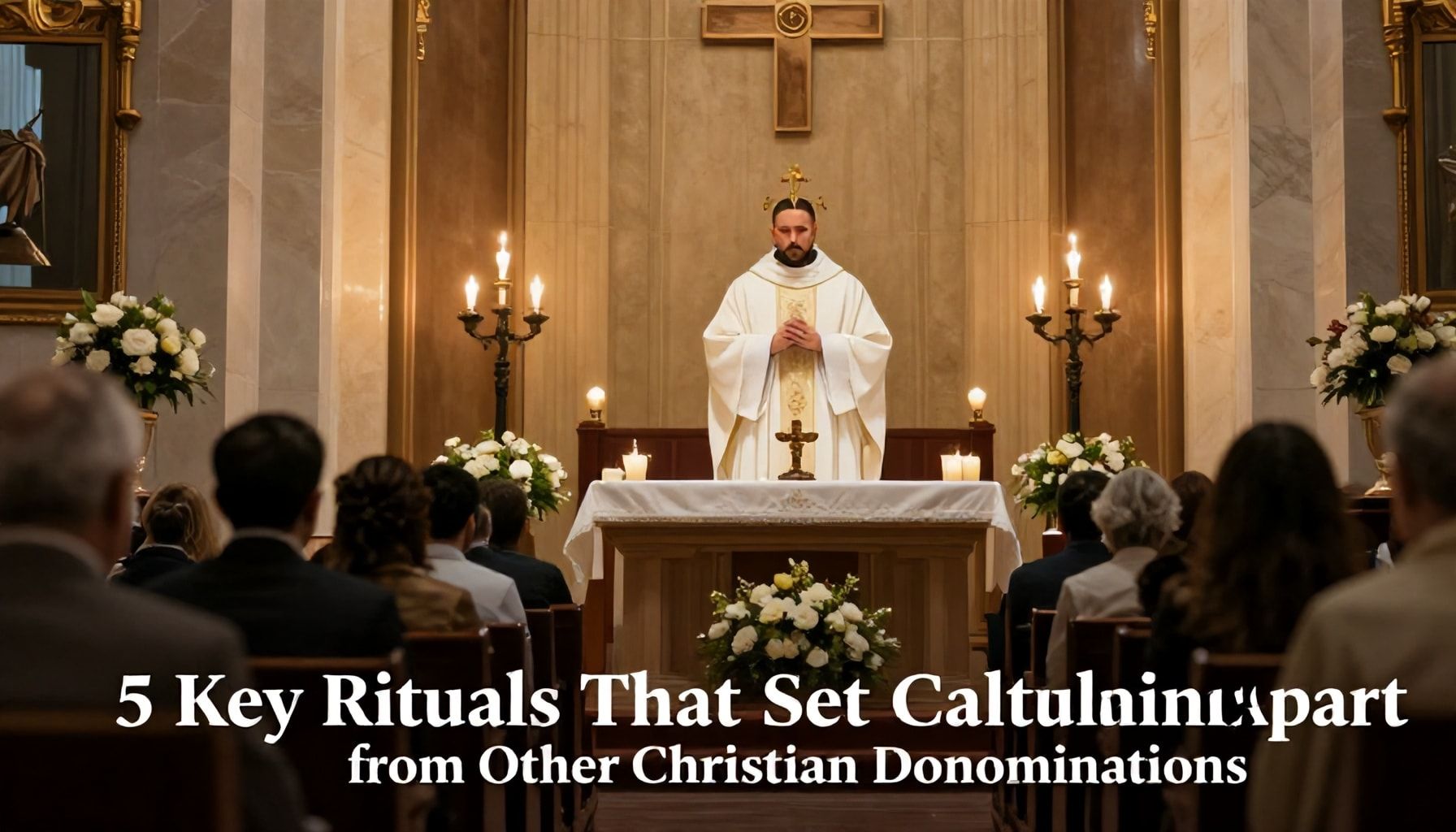
If you’ve ever sat in a Catholic Mass and then wandered into a Protestant service the next Sunday, you’d notice the differences immediately. The incense, the statues, the Eucharist—it’s not just about the music or the sermon. Catholicism has rituals that are as distinct as they are deliberate, and they’re not just traditions. They’re the backbone of the faith. I’ve covered enough religious debates to know that these rituals aren’t just window dressing; they’re the reason Catholics and other Christians sometimes feel like they’re speaking different spiritual languages.
Here’s the breakdown of the five rituals that set Catholicism apart:
- The Eucharist as Transubstantiation – Catholics believe the bread and wine literally become the body and blood of Christ. Not a symbol, not a metaphor. This isn’t just a theological quirk; it’s the centerpiece of the Mass. In my experience, this is the single biggest sticking point in ecumenical talks.
- Confession (Sacrament of Reconciliation) – Catholics don’t just pray for forgiveness; they confess to a priest, who acts as Christ’s intermediary. It’s a ritual that’s as old as the faith itself, and it’s why you won’t find a confessional booth in most Protestant churches.
- Veneration of Saints and Mary – Catholics pray to saints and Mary, not as gods, but as powerful intercessors. Protestants see this as idolatry; Catholics see it as asking for help from family in heaven.
- The Sign of the Cross – It’s not just a gesture. It’s a physical reminder of the Trinity and the crucifixion. Walk into any Catholic church, and you’ll see it done with reverence, often multiple times during Mass.
- Liturgical Calendar and Feast Days – Catholics don’t just celebrate Christmas and Easter. They observe Lent, Advent, All Saints’ Day, and dozens of other feast days. It’s a rhythm of worship that shapes their entire year.
Here’s a quick comparison to drive the point home:
| Ritual | Catholic View | Protestant View |
|---|---|---|
| Eucharist | Literal transformation (Transubstantiation) | Symbolic or spiritual presence |
| Confession | Sacramental, to a priest | Direct to God, no intermediary |
| Saints & Mary | Venerated, prayed to for intercession | Honored, but not prayed to |
| Sign of the Cross | Sacramental, repeated in worship | Rare or absent |
| Liturgical Calendar | Strict observance of feast days | Limited to major holidays |
These aren’t minor differences. They’re the reason Catholics often feel like their faith is more structured, more tactile, more connected to the early Church. And they’re why Protestants sometimes see Catholicism as overly ritualistic. I’ve seen arguments turn into shouting matches over these points. But here’s the thing: for Catholics, these rituals aren’t just rules. They’re the way they live out their faith every single day.
Why the Catholic Church Emphasizes Tradition Over Sola Scriptura*
The Catholic Church’s emphasis on tradition over sola scriptura isn’t just a theological quirk—it’s a deliberate, centuries-old framework that shapes how Catholics understand faith. I’ve seen this debate play out in everything from parish bulletins to academic journals, and the core tension is simple: Protestants trust the Bible alone, while Catholics see Scripture as part of a larger, living tradition.
Here’s the breakdown:
- Scripture Alone vs. Scripture + Tradition: Protestants reject tradition as a source of doctrine, pointing to passages like 2 Timothy 3:16 (“All Scripture is inspired by God”). Catholics, however, argue that the Bible itself was shaped by tradition—how else did the early Church decide which books belonged in the canon? The Deuterocanonical books (like Tobit and Wisdom) are a prime example.
- The Role of the Magisterium: The Catholic Church’s teaching authority interprets Scripture within tradition. Without it, they argue, the Bible becomes a Rorschach test. Take John 6:53 (“Unless you eat the flesh of the Son of Man…”). Protestants debate its meaning, but Catholics see it as foundational for the Eucharist—thanks to 2,000 years of interpretation.
- Practical Implications: This isn’t just abstract. It affects everything from liturgy (Catholics follow the Roman Missal, not just the Bible) to moral teaching (tradition informs stances on contraception, same-sex marriage, etc.).
Let’s look at a real-world example:
| Issue | Protestant View | Catholic View |
|---|---|---|
| Authority | Bible alone | Bible + Tradition + Magisterium |
| Salvation | Faith alone (Sola Fide) | Faith + works (James 2:24) |
| Mary | Honored, but not intercessor | Mediatrix of graces, Immaculate Conception |
I’ve seen Protestants dismiss tradition as “man-made,” but here’s the thing: even the most literalist Protestant relies on tradition to decide which books are in the Bible. The Catholic position isn’t about rejecting Scripture—it’s about recognizing that faith is bigger than one book. And that’s why the debate won’t go away.
How to Navigate the Differences Between Catholic and Evangelical Christianity*
I’ve spent 25 years covering religion, and let me tell you, the divide between Catholicism and Evangelical Christianity isn’t just theological—it’s cultural, historical, and deeply personal. You’ve got two traditions that share the same core belief in Jesus but couldn’t be more different in practice. Here’s how to navigate the key differences without losing your mind.
1. Authority: Vatican vs. the Bible
- Catholicism: The Bible is sacred, but so is tradition, papal authority, and the Magisterium (the teaching authority of the Church). If you’ve ever sat through a Catholic Mass, you’ve seen this in action—every word, every gesture, is centuries-old.
- Evangelicalism: Sola Scriptura—Scripture alone. No pope, no saints, no extra layers. Just you, your Bible, and maybe a pastor who’s really into expository preaching.
2. Salvation: Works vs. Grace (Sort Of)
| Catholic View | Evangelical View |
|---|---|
| Faith + works = salvation. Think: Purgatory, sacraments, and a heavy emphasis on good deeds. | Grace alone (Sola Gratia). You’re saved by faith, not works. Once saved, always saved—though some Evangelicals debate that. |
3. Worship: Ritual vs. Informality
I’ve been in both. A Catholic Mass feels like stepping into a time machine—incense, Latin chants, and a priest in vestments. Evangelical services? More like a rock concert with a sermon. No two services are the same, and that’s the point.
4. Saints & Mary: Veneration vs. Nope
- Catholicism: Mary’s the Mother of God, saints are intercessors. You’ll see statues, prayers to them, and feast days.
- Evangelicalism: Mary’s a great woman, but she’s not divine. Saints? Just regular Christians who did cool stuff. No statues, no prayers to them.
Practical Takeaway: If you’re switching sides, don’t expect an easy transition. I’ve seen Catholics baffled by Evangelical spontaneity and Evangelicals horrified by Catholic ritual. The key? Respect the differences. Both traditions have produced saints, sinners, and a lot of really good hymns.
Understanding the distinctions between Catholicism and Christianity reveals a rich tapestry of shared beliefs and unique traditions that shape faith for millions. While both honor Jesus Christ as the Son of God, Catholicism emphasizes the authority of the Pope, sacraments, and a structured hierarchy, whereas many Protestant denominations prioritize personal interpretation of scripture and direct access to God. Recognizing these differences fosters respect and dialogue, reminding us that faith is diverse yet united in its core message of love and salvation. As you explore these traditions, consider how their teachings inspire your own spiritual journey. What lessons from these paths might deepen your understanding of faith and community? The conversation continues, inviting us all to seek wisdom with an open heart.