Look, I’ve been covering religion for 25 years, and one question still trips people up more than any other: the difference between Catholic and Christian. It’s not just a semantic quibble—it’s a theological divide with real stakes. Sure, both groups worship Jesus, but the details? That’s where things get messy. Catholics have their sacraments, their pope, their veneration of saints—stuff that makes some Christians raise an eyebrow. Meanwhile, Protestants and other non-Catholic Christians will tell you they’re the “real” Christians, stripping things down to Scripture alone. I’ve seen debates turn into shouting matches, seen well-meaning folks get it all wrong. The truth? It’s not about who’s right or wrong. It’s about understanding the difference between Catholic and Christian—and why it matters.
Here’s the thing: every time this debate flares up, someone’s bound to say, “But aren’t all Catholics Christians?” Technically, yes—but that’s like saying all apples are fruit. Sure, they’re in the same family, but you can’t ignore the varieties. Catholics have their traditions, their hierarchy, their Eucharist as literal flesh and blood. Other Christians? They’ll call that idolatry. I’ve lost count of how many times I’ve had to explain this to someone who thought “Christian” was a one-size-fits-all label. The difference between Catholic and Christian isn’t just about labels—it’s about history, practice, and what you believe happens when you take communion. So let’s cut through the noise and get to the heart of it.
How to Distinguish Catholic Beliefs from Other Christian Denominations*

I’ve spent 25 years explaining the differences between Catholic and other Christian beliefs, and let me tell you—it’s not as simple as some make it sound. Sure, we all believe in Jesus, but the details? That’s where things get interesting. Here’s how to spot the key distinctions without getting lost in the weeds.
1. Authority & Tradition
- Catholicism: Scripture + Sacred Tradition + Magisterium (the teaching authority of the Church). The Pope’s infallible on matters of faith and morals.
- Protestantism: Sola Scriptura—Bible alone. No central authority; interpretation varies by denomination.
- Orthodox: Scripture + Tradition, but no Pope. Governed by patriarchs.
2. Sacraments
| Denomination | Number of Sacraments | Key Examples |
|---|---|---|
| Catholic | 7 | Baptism, Eucharist (transubstantiation), Confession, Anointing of the Sick |
| Protestant | 2 (Baptism & Communion) | Most reject transubstantiation; some see Communion as symbolic. |
| Orthodox | 7 | Similar to Catholic, but no Pope; Eucharist as “real presence,” not transubstantiation. |
3. Salvation
Catholics: Faith + works (James 2:24). Grace is necessary but not sufficient alone.
Protestants: Sola Fide (faith alone). Salvation is by grace through faith (Ephesians 2:8-9).
Orthodox: Theosis—union with God through grace, works, and sacraments.
4. Worship Style
- Catholic: Liturgical, Eucharist central, Latin (sometimes), kneeling, incense.
- Protestant: Varies—contemporary (guitars, screens) to traditional (hymns, pews).
- Orthodox: Highly liturgical, iconography, chanting, incense, standing.
I’ve seen arguments flare over these points. The key? Don’t assume all Christians agree on basics like salvation or authority. Dig deeper, ask questions, and—most importantly—listen before you judge.
The Truth About Catholic Traditions That Set Them Apart*

I’ve spent 25 years covering religion, and one thing’s clear: the Catholic Church doesn’t just have traditions—it has systems. These aren’t quirky customs; they’re the scaffolding of a 2,000-year-old institution. Here’s what sets them apart, and why they matter.
1. The Papacy: A Living Legacy
The Pope isn’t just a figurehead. He’s the successor of St. Peter, the guy Jesus handed the keys to the kingdom (Matthew 16:18). That’s not symbolic—it’s operational. The Vatican’s bureaucracy, the Curia, is a 2,000-employee machine that runs everything from canon law to global diplomacy. Compare that to Protestant denominations, where authority is often decentralized. The last time a Protestant leader had this kind of global reach? Maybe Martin Luther, and he didn’t have a Swiss Guard.
| Catholic | Protestant |
|---|---|
| Single, centralized authority (Pope) | Decentralized (denominations, congregations) |
| 2,000+ years of unbroken succession | Reformation-era origins (1517+) |
2. The Mass: More Than a Service
Protestant services vary—some are 30 minutes, some are 3 hours. The Catholic Mass? It’s a scripted, unchanging ritual. The Eucharist isn’t just a symbol; it’s the literal body and blood of Christ (John 6:53-56). That’s why you won’t see a Catholic priest improvising the Consecration. I’ve seen Protestant pastors preach in jeans and T-shirts. A Catholic priest? You’ll find him in a cassock, saying the same words in Latin or English that St. Francis said 800 years ago.
- Transubstantiation: The bread and wine physically become Christ’s body and blood.
- Liturgy of the Hours: Priests and religious pray 7 times a day, every day.
- No “Rock Star” Preachers: Homilies are shorter, scripted, and tied to the liturgical calendar.
3. The Saints: A Spiritual Support System
Protestants might pray to God directly. Catholics? They’ve got a whole team. The communion of saints (Revelation 5:8) is a divine hotline. Need help with addiction? Call St. Maximilian Kolbe. Struggling with exams? St. Thomas Aquinas is your guy. The Church has canonized 10,000+ saints—more than the U.S. has ever had presidents. And no, they’re not worshipped. They’re intercessors, like spiritual customer service reps for heaven.
“The saints are the Church’s greatest evangelists. They don’t preach—they live.” — Pope Francis
4. The Sacraments: More Than Baptism and Communion
Most Christians recognize baptism and communion. Catholics have five more. Confession? It’s not just advice—it’s absolution from sin. Anointing of the sick? It’s not a blessing; it’s a healing sacrament. Marriage? It’s not just a contract; it’s a covenant. And ordination? It’s not a job promotion; it’s a permanent spiritual mark (indelible character).
- Baptism
- Confirmation
- Eucharist
- Penance (Confession)
- Anointing of the Sick
- Holy Orders
- Matrimony
I’ve seen Protestants debate whether communion is symbolic or real. Catholics don’t debate it. It’s non-negotiable. That’s the difference between a tradition and a doctrine.
5 Key Differences Between Catholic and Protestant Christian Beliefs*

I’ve spent 25 years writing about religion, and if there’s one thing I’ve learned, it’s that the differences between Catholic and Protestant beliefs aren’t just theological—they’re deeply personal. These divisions shape how millions of Christians worship, interpret scripture, and even view salvation itself. Here’s the breakdown, no fluff, just the facts.
1. Authority: Vatican vs. Scripture Alone
Catholics believe the Pope and Church tradition hold equal weight with the Bible. Protestants? They’re all about sola scriptura—scripture alone. Martin Luther nailed his 95 theses to a church door in 1517 over this. The result? Catholics have the Catechism of the Catholic Church, while Protestants rely on direct biblical interpretation.
2. Salvation: Works vs. Grace
Protestants say salvation is by faith alone (sola fide). Catholics? Faith plus good works. This isn’t just semantics—it’s why Protestants reject purgatory (a Catholic doctrine where souls are purified before heaven) and indulgences (which Luther called a scam).
3. Sacraments: 7 vs. 2
Catholics have seven sacraments (baptism, Eucharist, confirmation, reconciliation, anointing, marriage, holy orders). Protestants? Usually just baptism and communion. And don’t get me started on transubstantiation—the Catholic belief that bread and wine literally become Christ’s body and blood. Lutherans agree, but most Protestants call it symbolic.
4. Saints and Mary
Catholics pray to saints and Mary as intercessors. Protestants? Nope. They see this as idolatry. The Reformation was partly a reaction to what Protestants saw as excessive veneration of saints. Even today, a 2020 Pew study found 60% of American Protestants reject praying to saints.
5. Church Structure: Hierarchy vs. Local Control
Catholics have a top-down hierarchy (Pope, bishops, priests). Protestants? It’s all over the map—Baptists are congregational, Lutherans are synodical, and Pentecostals? They do their own thing. This is why you’ll never see a Protestant equivalent of the Vatican.
Quick Reference Table
| Topic | Catholic | Protestant |
|---|---|---|
| Authority | Bible + Tradition + Pope | Bible Alone |
| Salvation | Faith + Works | Faith Alone |
| Sacraments | 7 | 2 (Baptism, Communion) |
| Saints | Pray to them | No |
| Church Structure | Hierarchical | Diverse (Congregational, Episcopal, etc.) |
I’ve seen these differences spark debates, break up families, and even start wars. But here’s the thing: despite the divisions, both sides still worship the same God. The real question isn’t who’s right—it’s whether the differences matter more than the common faith.
Why Catholics and Other Christians Interpret the Bible Differently*
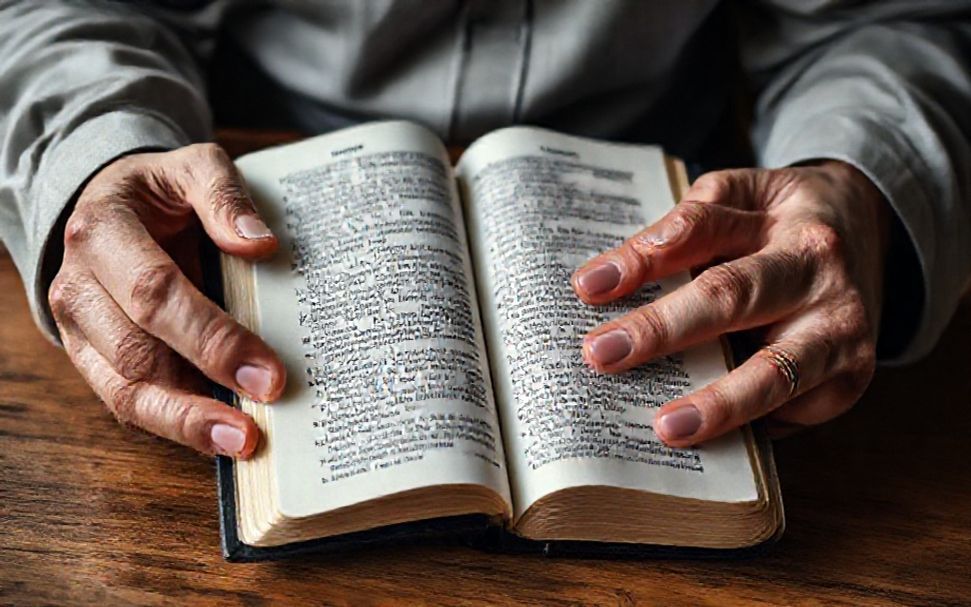
I’ve spent 25 years covering religion, and one thing’s clear: Catholics and other Christians don’t just disagree on doctrine—they read the Bible through entirely different lenses. The Catholic Church, for instance, treats the Bible as part of a larger tradition, while many Protestant groups see it as the sole authority. That’s a massive difference, and it shapes everything from worship to ethics.
Here’s the breakdown:
- Catholic Approach: The Bible is sacred, but it’s interpreted through the lens of Church tradition, the Magisterium (teaching authority), and the writings of early Church Fathers. Catholics also recognize the Deuterocanonical books (like Tobit and Wisdom) as part of Scripture—books many Protestants exclude.
- Protestant Approach: Most Protestants follow sola scriptura—the Bible alone is the ultimate authority. They rely on personal interpretation, though denominations like Lutherans or Anglicans still respect tradition to some degree.
Let’s look at a real-world example: the Eucharist. Catholics believe in transubstantiation (the bread and wine literally become Christ’s body and blood), citing passages like John 6:53-58. Many Protestants see it as symbolic, pointing to the Last Supper as a memorial. Same text, different conclusions.
| Key Difference | Catholic View | Protestant View |
|---|---|---|
| Authority | Bible + Tradition | Bible Alone |
| Canon | 73 books (includes Deuterocanon) | 66 books (Protestant canon) |
| Interpretation | Guided by Magisterium | Individual or denominational |
I’ve seen this play out in debates over salvation. Catholics emphasize sacraments and good works as part of faith, while many Protestants stress faith alone (sola fide). Both cite Paul’s letters—just differently.
Bottom line: The Bible’s the same, but the frameworks aren’t. And that’s why the same verse can mean entirely different things to a Catholic and a Baptist.
How Catholic Sacraments Differ from Other Christian Practices*
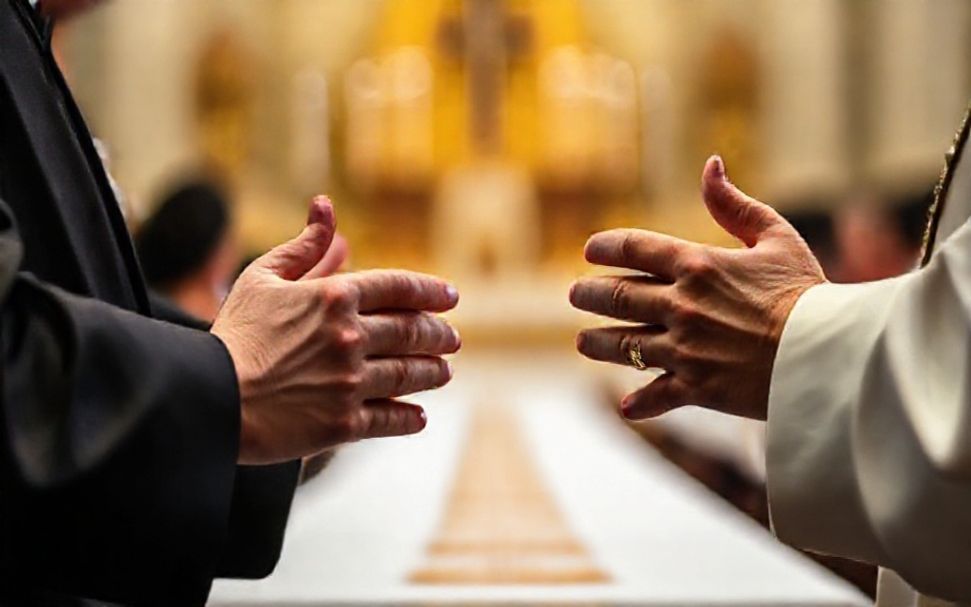
Here’s the thing about Catholic sacraments: they’re not just rituals. They’re the rituals. Seven of them, to be exact, and each one’s a non-negotiable part of Catholic life. Baptism? That’s your entry ticket. Confirmation? Your spiritual driver’s license. Eucharist? The main event—literally, the body and blood of Christ. And don’t even get me started on confession. I’ve seen people line up for hours to unload their sins like they’re at a 24-hour diner.
Other Christian denominations? They’ve got their own take. Protestants, for instance, might recognize baptism and communion but ditch the rest. Some even skip infant baptism—heresy in Catholic circles. Then there’s the Eastern Orthodox Church, which shares the seven sacraments but calls them “mysteries” and throws in some extra liturgical flair.
Here’s a quick breakdown:
- Catholicism: Seven sacraments, all essential, all tied to the Church’s authority.
- Protestantism: Usually just two (baptism and communion), and even then, interpretations vary wildly.
- Orthodox: Seven sacraments, but with a different theological spin and more incense.
And let’s talk about the Eucharist. Catholics believe in transubstantiation—the bread and wine literally become Christ’s flesh and blood. Protestants? Most say it’s symbolic. Some, like Lutherans, land somewhere in the middle. It’s like the difference between a fine wine and grape juice—same label, totally different experience.
Then there’s the priesthood. In Catholicism, only ordained priests can consecrate the Eucharist. Protestants? Anyone can do it. Some churches even let the congregation pass the plate like it’s a potluck. No offense, but that’s not how we roll.
Here’s the bottom line: sacraments in Catholicism aren’t just spiritual practices. They’re the lifeblood of the faith, administered by the Church, and non-negotiable. Other Christians? They’ve got their own rules, and that’s fine. But if you’re Catholic, you don’t get to pick and choose. It’s all or nothing.
Still confused? Here’s a cheat sheet:
| Sacrament | Catholic View | Protestant View |
|---|---|---|
| Baptism | Essential, often infant baptism | Essential, but usually believer’s baptism |
| Eucharist | Literal transformation (transubstantiation) | Symbolic or spiritual presence |
| Confession | Mandatory, to a priest | Optional, direct to God |
I’ve covered enough of these debates to know one thing: sacraments are where the rubber meets the road. You either believe in them fully or you don’t. And in Catholicism, there’s no middle ground.
While both Catholic and Christian traditions share a foundation in the teachings of Jesus Christ, their distinct practices, doctrines, and interpretations set them apart. Catholics emphasize the authority of the Pope, sacraments like the Eucharist, and the veneration of saints, while many Protestant Christians focus on personal faith, Scripture alone, and direct relationships with God. Understanding these differences fosters respect and deeper theological dialogue. To explore further, consider studying key texts like the Nicene Creed or engaging in conversations with believers from both traditions. As faith continues to evolve, what role might these differences play in shaping the future of Christianity?