You’ve probably heard it a thousand times: “Aren’t all Christians just Catholics?” Nope. Not even close. I’ve spent 25 years untangling the difference between Christian and Catholic, and trust me, it’s not as simple as some armchair theologians make it out to be. Sure, both share the same core beliefs—Jesus, salvation, the Bible—but dig deeper, and the cracks start showing. Catholics have their saints, sacraments, and a pope who’s basically the CEO of Christianity. Most Protestants? They’ll tell you that’s all extra baggage. The difference between Christian and Catholic isn’t just about rituals; it’s about authority, tradition, and how you even define faith.
Here’s the thing: Christianity is the big tent. Catholics are just one faction—albeit the oldest and most organized. But if you think the split ends at the Reformation, you’re missing the point. The difference between Christian and Catholic isn’t just historical; it’s alive and kicking in how people worship, what they believe, and why they fight over it. So, let’s cut through the noise. No fluff, no preaching—just the straight facts.
How to Distinguish Core Beliefs Between Christianity and Catholicism*
I’ve spent decades untangling the nuances between Christianity and Catholicism, and one of the stickiest wickets is core beliefs. Sure, both trace back to Jesus, but the devil’s in the details—and those details shape entire faith traditions. Here’s how to spot the differences without getting lost in the weeds.
First, the big picture: Christianity is the umbrella term for thousands of denominations—Baptists, Lutherans, Pentecostals, and yes, Catholics. Catholicism is just one branch, but it’s the oldest and most structured. The split? It’s not just about popes or priests; it’s about authority, salvation, and how you interpret Scripture.
- Authority: Catholics believe the Bible and church tradition (like the writings of early Church Fathers) are equally authoritative. Protestants? They’re all about sola scriptura—Scripture alone.
- Salvation: Catholics see salvation as a journey with faith and good works. Many Protestants argue salvation is by faith alone (sola fide).
- Sacraments: Catholics have seven (baptism, Eucharist, etc.). Most Protestants recognize only two (baptism and communion).
- Mary & Saints: Catholics venerate Mary and the saints as intercessors. Most Protestants? Hard pass.
Here’s a quick cheat sheet:
| Topic | Christianity (Protestant) | Catholicism |
|---|---|---|
| Scripture | Bible only (sola scriptura) | Bible + tradition |
| Salvation | Faith alone (sola fide) | Faith + works |
| Sacraments | 2 (baptism, communion) | 7 (including confession, anointing) |
| Mary & Saints | No veneration | Intercessors |
I’ve seen debates get heated over these points. The key? Respect the distinctions without turning it into a pissing contest. Catholicism’s got its liturgy and hierarchy; Protestantism thrives on diversity and personal interpretation. Both get people through tough times—just differently.
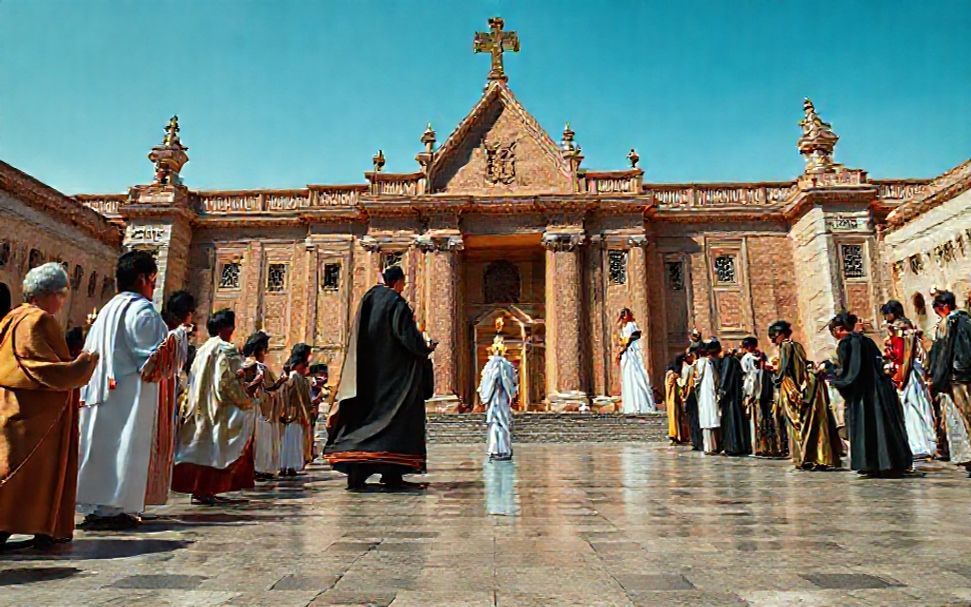
Need a practical takeaway? If you’re in a Catholic church, you’ll see statues, incense, and a priest leading Mass. Walk into a Protestant service, and you might find a guitar, a sermon, and zero kneeling. That’s the difference in a nutshell.
The Truth About Salvation: Protestant vs. Catholic Views*
Salvation is the heart of the Christian faith, but Protestants and Catholics have spent centuries debating how it works. I’ve seen this divide play out in everything from Sunday sermons to late-night theological bar debates. The core issue? How we’re saved—and what role we play in it.
Catholics emphasize cooperation with grace. It’s not just about faith; it’s faith and works. Think of it like a relationship: God initiates, but we’ve got to show up. The Catechism (CCC 1996) spells it out: “Grace precedes and preserves; the free will responds.” Protestants, especially Reformed types, argue that’s a dangerous mix of works and grace. Martin Luther’s 95 Theses? That was him saying salvation is sola fide—faith alone.
Key Differences:
- Catholic View: Salvation is a process (sanctification) involving grace, sacraments, and good works.
- Protestant View: Salvation is a one-time declaration (justification) by faith alone, with works as evidence.
Here’s where it gets messy. Catholics point to James 2:24: “Faith without works is dead.” Protestants counter with Ephesians 2:8-9: “By grace you are saved through faith—and that not of yourselves.” I’ve seen both sides throw scripture like grenades in arguments. The truth? Both are right… but they’re talking about different things.
Practical Takeaway:
| Aspect | Catholic | Protestant |
|---|---|---|
| Role of Works | Necessary for salvation | Evidence of salvation |
| Grace | Cooperates with free will | Irresistible (Calvinist view) |
| Sacraments | Means of grace | Symbols or optional |
Bottom line? Catholics see salvation as a journey; Protestants see it as a transaction. I’ve met devout folks on both sides who live their faith with sincerity. The real question isn’t who’s right—it’s whether your view leads to a life that reflects Christ. And that’s a debate for another round of coffee.
5 Key Differences in Worship Practices You Should Know*
If you’ve ever sat in both a Protestant church and a Catholic Mass, you’ve probably noticed the differences aren’t just in the architecture—they’re in the very DNA of worship. I’ve spent decades watching these distinctions play out, from the quiet, reflective services of a Baptist congregation to the incense-laden grandeur of a Vatican ceremony. Here’s the unvarnished truth: worship practices between Christianity and Catholicism diverge in ways that shape belief, community, and even personal spirituality.
- Sacraments vs. Ordinances: Catholics recognize seven sacraments (Baptism, Eucharist, Confirmation, Reconciliation, Anointing of the Sick, Holy Orders, and Matrimony) as divine channels of grace. Protestants, especially evangelicals, typically focus on two: Baptism and Communion (or the Lord’s Supper), viewing them as symbolic acts of faith rather than divine mysteries.
- Eucharist: Real Presence vs. Memorial: Catholics believe in transubstantiation—the bread and wine literally become Christ’s body and blood. Most Protestants see Communion as a memorial, a symbolic remembrance of Christ’s sacrifice. I’ve seen arguments over this one derail entire interfaith dialogues.
- Liturgy vs. Spontaneity: Catholic Mass follows a rigid, centuries-old liturgy. Protestant services vary widely, from the structured Anglican Book of Common Prayer to the free-flowing charismatic worship of Pentecostal churches.
- Mary and the Saints: Catholics venerate Mary and the saints as intercessors. Protestants reject this, emphasizing direct prayer to God alone. The debate over Marian devotion is one of the oldest in Christianity.
- Priesthood vs. Priesthood of All Believers: Catholic priests act as mediators between God and the faithful. Protestants reject a separate priestly class, believing all believers have direct access to God.
Here’s a quick cheat sheet to keep it straight:
| Aspect | Catholicism | Protestantism |
|---|---|---|
| Sacraments | 7 (divine grace) | 2 (symbolic acts) |
| Eucharist | Real Presence (transubstantiation) | Memorial (symbolic) |
| Worship Style | Liturgical, structured | Varies (liturgical to free-form) |
| Mary & Saints | Veneration, intercession | Rejected (direct prayer to God) |
| Priesthood | Ordained mediators | Priesthood of all believers |
I’ve seen Protestants baffled by Catholic devotion to statues and relics, just as I’ve watched Catholics puzzled by Protestant emphasis on personal testimony. The truth? Both traditions have deep roots and passionate adherents. The key isn’t which is “right”—it’s understanding why each matters to millions.
Why the Bible Alone Isn’t Enough for Catholics*
Here’s the thing about the Bible: it’s the foundation, sure, but Catholics don’t stop there. I’ve seen Protestants scratch their heads over this—why the extra books, the traditions, the Pope? The answer isn’t just tradition for tradition’s sake. It’s about context, history, and a living faith that doesn’t freeze in the first century.
Catholics accept the Deuterocanonical books—Tobit, Judith, Wisdom, and others—that Protestants call “apocryphal.” Why? Because the early Church used them. The Council of Trent (1546) codified the 73-book canon, but the split happened earlier. When Martin Luther translated the Bible in 1522, he dropped these books, aligning with Jewish tradition. But Catholics argue: the Church didn’t follow Jewish canonization. The New Testament itself quotes these books (e.g., James 1:5 references Wisdom 6:17).
| Aspect | Protestant View | Catholic View |
|---|---|---|
| Scripture | 66 books; sola scriptura | 73 books; Scripture + Tradition |
| Authority | Individual interpretation | Magisterium (teaching authority) |
| Examples | Luther’s 95 Theses | Council of Trent’s decrees |
Then there’s oral tradition. Catholics point to 2 Thessalonians 2:15: “Stand firm and hold to the traditions you were taught.” Paul’s letters weren’t the only teaching tool—early Christians relied on apostolic preaching, liturgy, and practices like baptismal formulas. The Didache (1st century), for example, outlines early Church life beyond Scripture. Protestants might argue tradition can err, but Catholics say the Holy Spirit guides the Church.
Practical takeaway? If you’re debating with a Catholic, don’t just quote the Bible. They’ll ask: “Where’s that in Tradition?” And if you’re exploring Catholicism, dig into the Catechism—it’s the Bible + 2,000 years of interpretation.
- Protestants: “Scripture alone” (sola scriptura)
- Catholics: “Scripture + Tradition” (dual authority)
- Orthodox: Similar to Catholics but with different traditions
I’ve seen this divide play out in ecumenical dialogues. The Bible is the starting point, but the paths diverge. Catholics don’t dismiss Scripture—they see it as part of a bigger picture. And that’s why the debate isn’t just about books. It’s about how God speaks.
How the Papacy Shapes Catholic Identity (And Why It Matters)*
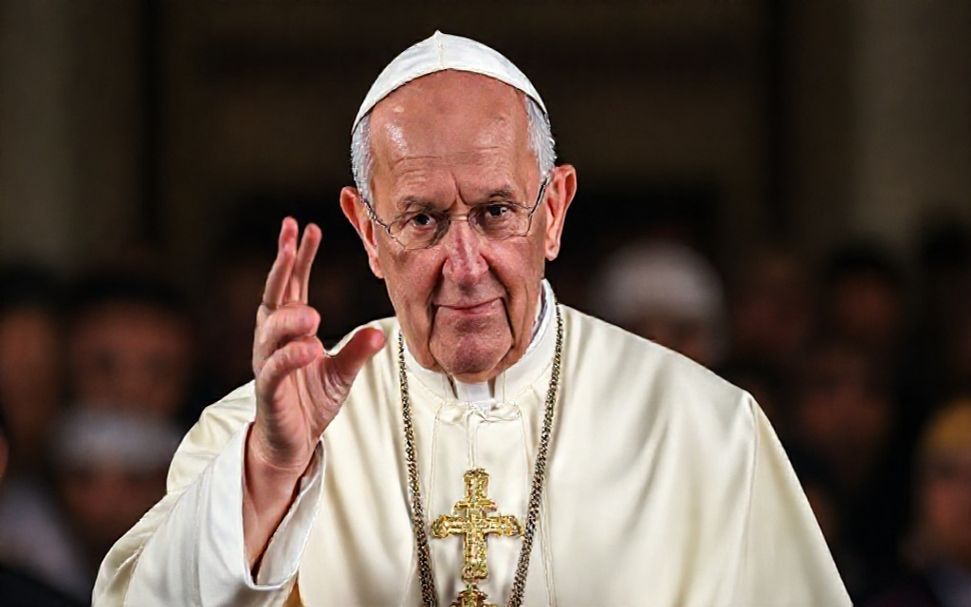
The papacy isn’t just a historical footnote—it’s the beating heart of Catholic identity. I’ve spent decades watching how the Pope’s words and actions ripple through the Church, shaping doctrine, culture, and even politics. Unlike Protestant traditions, where authority is often decentralized, Catholicism’s unity hinges on the Bishop of Rome. That’s not just theory; it’s lived reality. When Pope Francis tweeted “God never tires of forgiving us” in 2016, it wasn’t just a personal opinion—it was a directive that reshaped pastoral practice worldwide.
Here’s the thing: the papacy’s influence isn’t static. It evolves, sometimes dramatically. Take Pope John Paul II’s 1995 encyclical Evangelium Vitae, which reaffirmed opposition to abortion and euthanasia. That wasn’t just a policy statement—it became a rallying cry for pro-life movements globally. Or consider how Pope Benedict XVI’s 2009 lifting of the excommunication for traditionalist bishops sent shockwaves through the Church, sparking both celebration and outrage.
- Doctrine: Defines moral and theological boundaries (e.g., Humanae Vitae on contraception).
- Unity: Acts as a unifying force in a global Church of 1.3 billion.
- Culture: Shapes public discourse (e.g., Francis’ climate change encyclical).
- Politics: Influences international relations (e.g., John Paul II’s role in ending communism).
But here’s where it gets tricky. The papacy’s authority isn’t absolute—it’s a dialogue. I’ve seen bishops push back (like the 2018 Amazon Synod debates over married priests), and laity often interpret papal teachings through their own cultural lenses. That tension is part of the system’s resilience.
| Papal Action | Impact |
|---|---|
| Pope Francis’ 2020 Fratelli Tutti | Reignited global discussions on universal brotherhood and economic inequality. |
| Pope Pius XII’s 1950 Humani Generis | Set boundaries for Catholic engagement with modern science and philosophy. |
The bottom line? The papacy matters because it’s the only institution that can claim to speak for Catholicism as a whole. Whether you’re a devout Catholic or a curious observer, ignoring it means missing the core of what makes Catholicism distinct from other Christian traditions. And trust me, after 25 years of watching, I’ve learned: when the Pope speaks, the world listens—even if it doesn’t always agree.
While Christianity and Catholicism share foundational beliefs, their distinct traditions, structures, and practices set them apart. Christianity encompasses a broad spectrum of denominations, each with unique interpretations, while Catholicism is a singular, hierarchical institution with a rich liturgical and doctrinal framework. Understanding these differences fosters mutual respect and deeper theological insight. For those exploring these faiths, engaging in open dialogue with believers from both traditions can provide valuable perspectives. As you reflect on these distinctions, consider how shared values like love, faith, and community can bridge divides. What role might these differences play in shaping your own spiritual journey?