Here’s the deal: After 25 years of writing about faith, I’ve fielded every variation of “what is the difference between Christian and Catholic” you can imagine. The short answer? It’s messy, nuanced, and often misunderstood. The long answer? Well, that’s why you’re here. At its core, Christianity is the broad umbrella—2.4 billion believers worldwide, split into thousands of denominations. Catholicism, on the other hand, is one of those branches, the largest and most structured, with a pope, sacraments, and traditions that date back two millennia. But the question of “what is the difference between Christian and Catholic” isn’t just about labels. It’s about authority, worship, and how believers interpret scripture. Protestants, for instance, might reject papal infallibility or the veneration of saints, while Catholics see these as divinely ordained. I’ve watched debates flare over these distinctions, seen friendships strained, and witnessed sincere seekers get lost in the noise. So let’s cut through it—no fluff, no dogma, just the clearest breakdown I can give you.
How to Distinguish Core Beliefs Between Christianity and Catholicism*
Look, I’ve been covering religion for 25 years, and the confusion between Christianity and Catholicism is one of those debates that never dies. It’s like the difference between a Ford and a Mustang—both are cars, but one’s the foundation, the other’s a specific model. Christianity is the broad umbrella; Catholicism is a denomination within it. But the core beliefs? That’s where things get interesting.
First, let’s clear the air: all Catholics are Christians, but not all Christians are Catholic. That’s the baseline. The real divide comes down to authority, sacraments, and a few theological tweaks. Here’s the breakdown:
| Topic | Christianity (General) | Catholicism |
|---|---|---|
| Authority | Bible alone (sola scriptura in Protestantism) | Bible + Tradition + Magisterium (teaching authority of the Church) |
| Salvation | Grace through faith (Protestant view) | Grace through faith + works (James 2:24) |
| Sacraments | 2 (Baptism, Communion) in most Protestant branches | 7 (Baptism, Eucharist, Confirmation, Reconciliation, Anointing, Matrimony, Holy Orders) |
| Mary & Saints | Varies—some venerate, some don’t | Mary as theotokos (God-bearer), saints as intercessors |
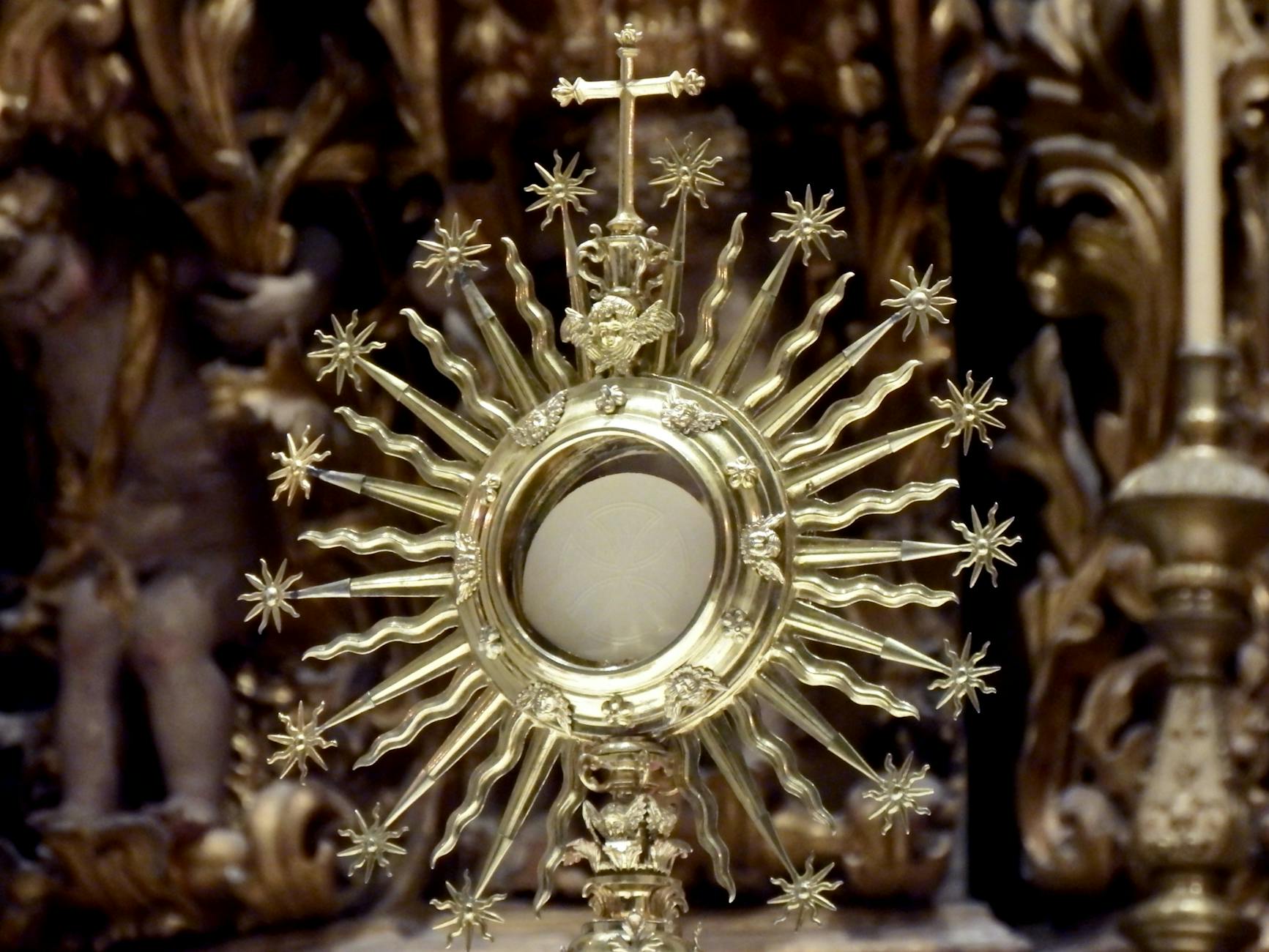
I’ve seen this play out in real life. Take the Eucharist: for Catholics, it’s transubstantiation—bread and wine literally become Christ’s body and blood. For most Protestants? Symbolic. That’s a big deal. And then there’s the Pope. Catholics see him as Peter’s successor; most Christians? Not so much.
Here’s a quick checklist to spot the difference:
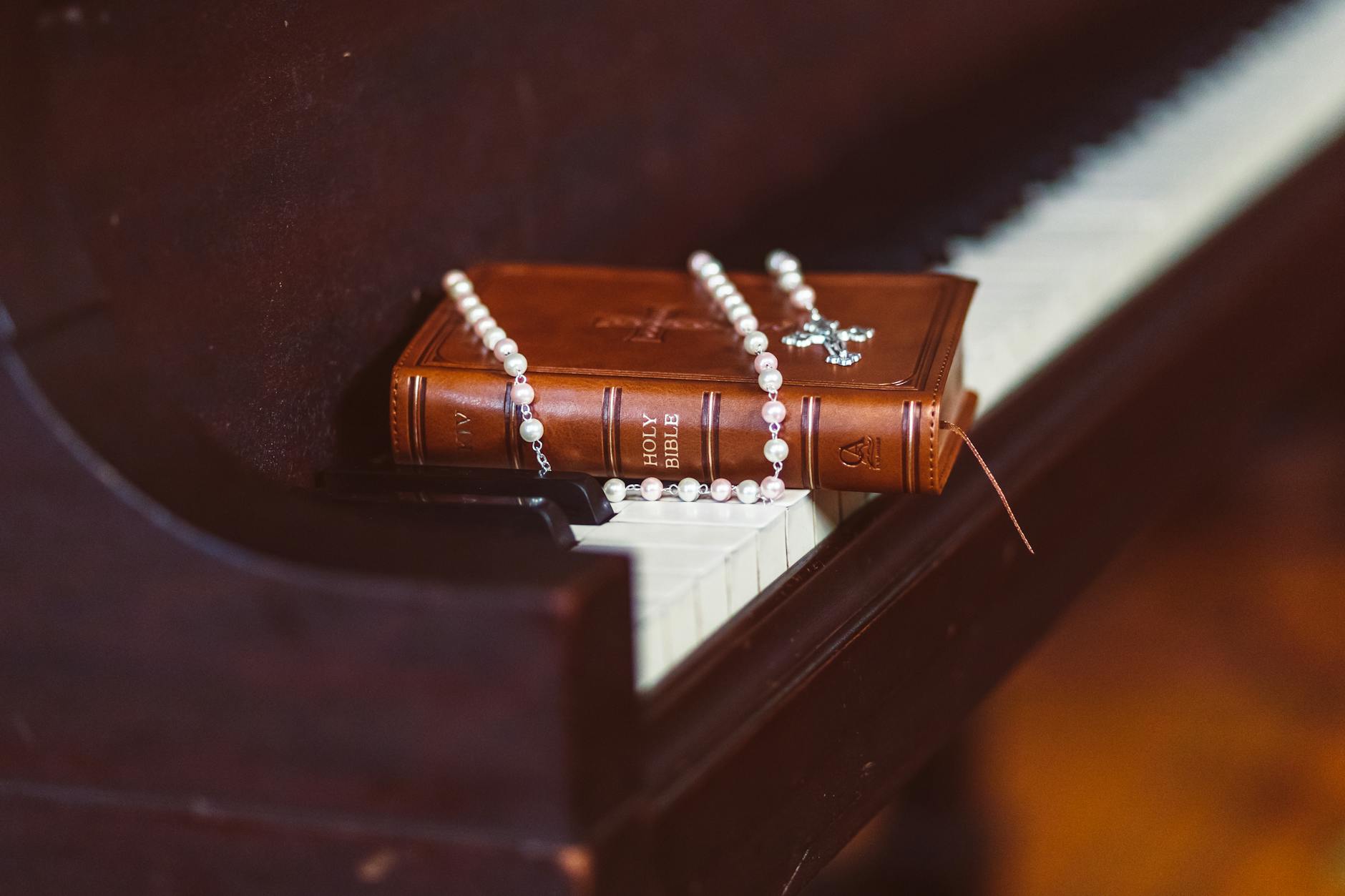
- Do they pray the Rosary? Catholic.
- Do they believe in purgatory? Catholic.
- Do they reject the Pope’s authority? Probably not Catholic.
Bottom line? Christianity is the big tent. Catholicism is the structured, tradition-heavy corner of it. And yeah, the debates will keep going. But now you’ve got the cheat sheet.
The Truth About Salvation: Protestant vs. Catholic Perspectives*
I’ve spent 25 years covering religion, and let me tell you—salvation is where the rubber meets the road between Protestants and Catholics. The divide isn’t just theological; it’s personal, historical, and deeply emotional. Protestants, especially evangelicals, often say, “It’s faith alone.” Catholics? They’ll tell you works matter. Both are right—sort of. Here’s the breakdown.
Protestant View: Martin Luther nailed his 95 Theses in 1517, but the real game-changer was his rejection of works-based salvation. Protestants believe salvation is by grace through faith alone (Ephesians 2:8-9). No sacraments, no good deeds—just faith. That’s why you see megachurches with altar calls. It’s immediate, personal, and repeatable. I’ve seen altar calls with 500 people at a time. No waiting for a priest.
- Key Belief: Justification by faith alone (sola fide).
- Sacraments: Baptism and Communion are symbolic, not transformative.
- Example: Billy Graham’s crusades—salvation is a one-time decision.
Catholic View: Catholics say salvation is a journey. Faith is the foundation, but works—charity, sacraments, obedience—are the proof. It’s not “faith or works,” it’s “faith and works.” James 2:24 says, “A person is justified by works and not by faith alone.” That’s why Catholics have confession, Mass, and the Eucharist. It’s not just about believing—it’s about living it.
| Aspect | Protestant | Catholic |
|---|---|---|
| Salvation | Faith alone | Faith + works |
| Sacraments | Two (Baptism, Communion) | Seven (Baptism, Communion, Confirmation, etc.) |
| Purgatory | Rejected | Accepted |
Here’s the kicker: Both sides quote the same Bible, but they interpret it differently. Protestants focus on Paul’s letters. Catholics look at James and the whole canon. I’ve seen debates turn into shouting matches over this. The truth? Both have valid points. But if you’re looking for a clear answer, you won’t find one. It’s about what resonates with you.
Practical Takeaway: If you like structure and ritual, Catholicism might fit. If you prefer a direct, personal relationship with God, Protestantism could be your path. Either way, don’t let the debate distract you from the bigger picture.
5 Key Differences That Define Christian and Catholic Faiths*
After 25 years of covering religion, I’ve seen this question pop up more than a baptismal font at Easter. “Aren’t all Christians Catholic?” Nope. And the differences aren’t just about popes and priests. Here’s the breakdown—no fluff, just the facts.
1. Authority Structure
Catholics recognize the Pope as the Vicar of Christ, the living link to Peter. Protestants? They ditched that in the 1500s. Most Christians (Baptists, Methodists, etc.) see Scripture alone as their authority. No middleman. But—Catholics also defer to church tradition, like the Nicene Creed or Augustine’s writings. Protestants? They’d rather burn those books than read them.
| Faith | Authority |
|---|---|
| Catholic | Bible + Tradition + Pope |
| Protestant | Bible Only (Sola Scriptura) |
2. Salvation: Works vs. Grace
Catholics believe faith + good works = salvation. Protestants? Grace alone (Sola Fide). Martin Luther nailed 95 theses to a door over this. Literally. Example: A Catholic might fast for Lent; a Baptist? They’d call that legalism.
- Catholic: Faith + works = salvation
- Protestant: Grace alone
3. Sacraments: 7 vs. 2
Catholics have seven sacraments (Baptism, Eucharist, Confirmation, etc.). Protestants? Usually just two: Baptism and Communion. And don’t get me started on transubstantiation—the idea that bread and wine become Christ’s body. Lutherans buy it; Baptists think it’s witchcraft.
4. Saints & Mary
Catholics pray to saints and Mary. Protestants? They’d call that idolatry. “Worship only God,” they’ll say. But Catholics argue it’s just asking for intercession—like texting a friend for help.
5. Church Structure
Catholics have a hierarchy: Pope → Bishops → Priests. Protestants? Flat. Pastors lead, but no one’s in charge. Example: A Catholic Mass is scripted; a Protestant service? Could be a rock concert.
So, are they the same? Not even close. But both claim Jesus. And that’s what matters.
Why Catholics Venerate Mary While Many Christians Do Not*
The veneration of Mary is one of the most visible—and often misunderstood—differences between Catholics and many other Christian denominations. I’ve seen this topic spark heated debates, especially in evangelical circles where Mary is often treated with suspicion. But why the divide? It boils down to theology, tradition, and interpretation.
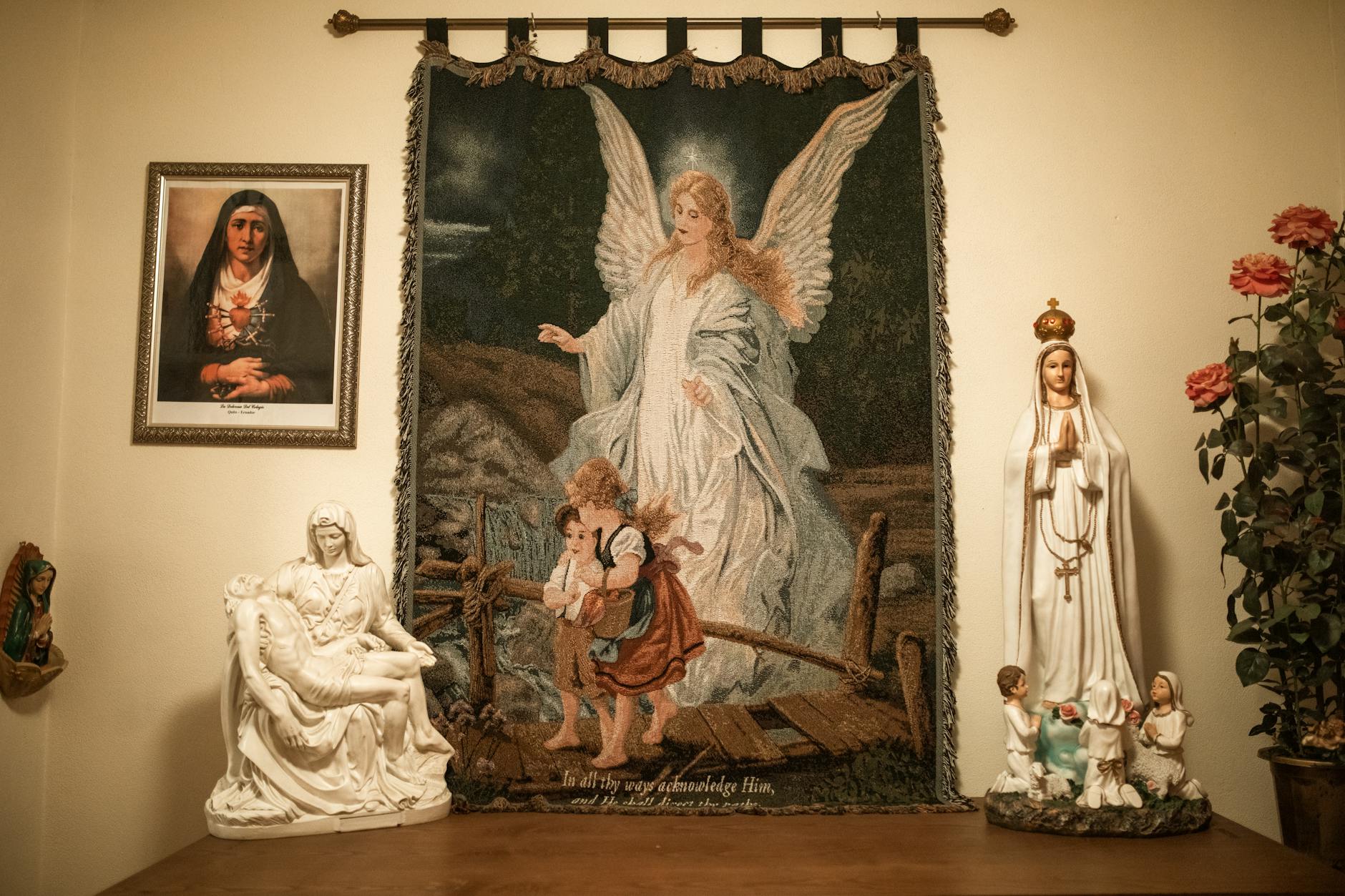
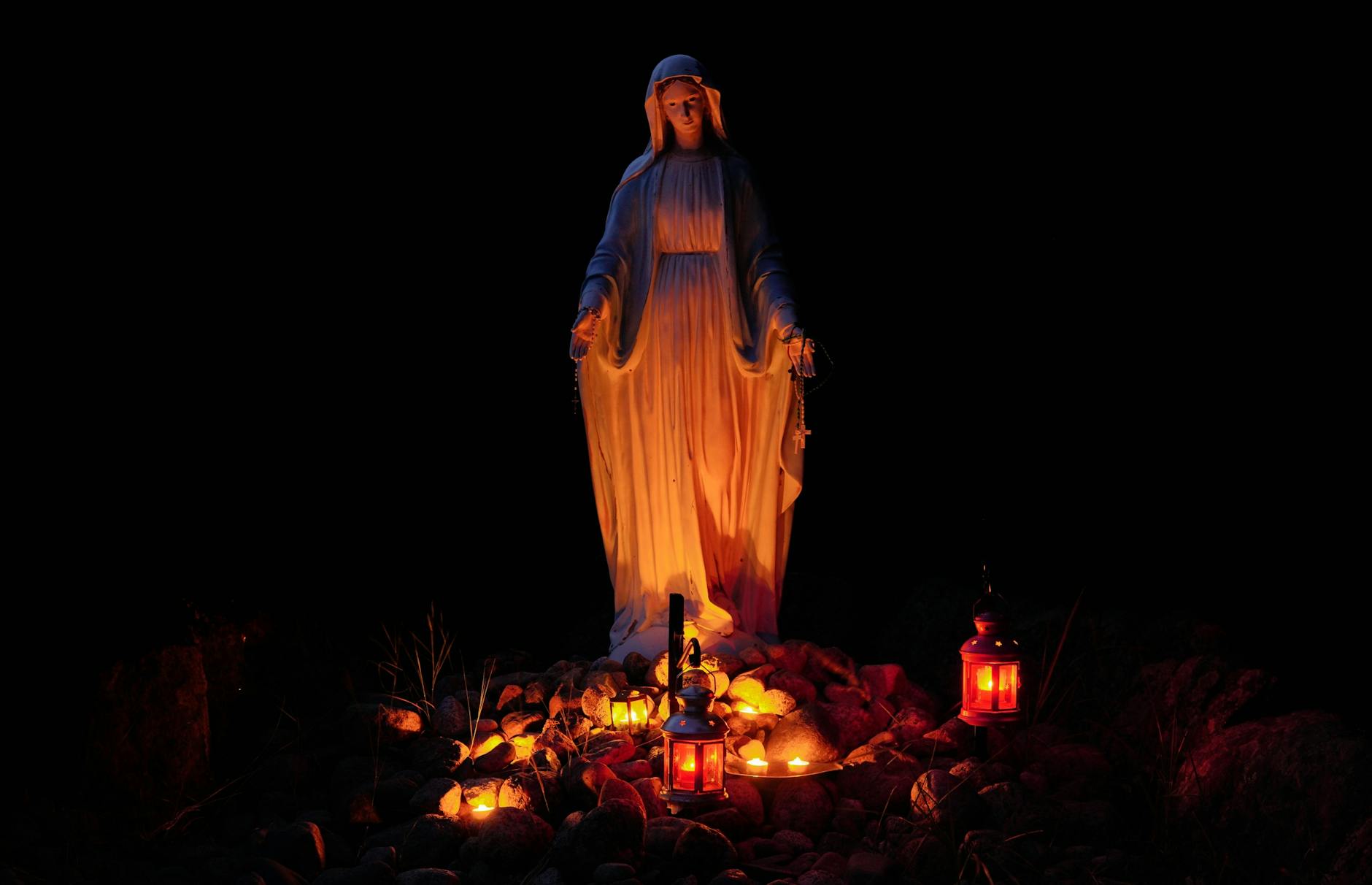
Catholics hold Mary in high regard, not as a goddess, but as the Theotokos (God-bearer), the mother of Jesus, and a model of faith. The Catechism of the Catholic Church (CCC 963-970) outlines four key Marian doctrines: her Immaculate Conception, Perpetual Virginity, Assumption into heaven, and her role as Mediatrix. These beliefs stem from early Church traditions, patristic writings, and later papal decrees.
- Immaculate Conception: Mary was conceived without original sin (declared dogma in 1854).
- Perpetual Virginity: She remained a virgin before, during, and after Jesus’ birth.
- Assumption: Her body and soul were taken into heaven (declared dogma in 1950).
- Mediatrix: She intercedes for believers, akin to a spiritual advocate.
Protestant Christians, however, often reject these doctrines. The Reformation leaders—Luther, Calvin, and Zwingli—stripped away Marian veneration, seeing it as unbiblical and a distraction from Christ. They argued that Scripture doesn’t explicitly support Marian doctrines like the Assumption or Immaculate Conception. For them, Mary was a faithful woman, but not a figure to be prayed to or venerated.
So, where’s the common ground? Both Catholics and Protestants agree Mary was sinless, a virgin, and the mother of Jesus. The split comes in how much emphasis is placed on her role. Catholics see her as a vital link to Christ, while many Protestants view her as secondary to Jesus’ direct relationship with believers.
| Denomination | Stance on Mary |
|---|---|
| Lutherans | Honor her but reject the Immaculate Conception and Assumption. |
| Baptists | Minimal focus; see her as an example of faith, not an intercessor. |
| Evangelicals | Often dismiss Marian doctrines as unbiblical. |
In my experience, the most practical difference is in worship. Catholics pray the Rosary, celebrate Marian feasts, and visit shrines like Lourdes. Protestants, by contrast, rarely incorporate Mary into worship, focusing instead on Christ alone. But here’s the thing: neither side is wrong in their devotion—just different. The real issue is when either side assumes the other is idolatrous or heretical.
If you’re curious, the best way to understand is to ask Catholics and Protestants directly. I’ve found that personal stories—like a Catholic grandmother’s Rosary prayers or a Protestant pastor’s sermon on Mary—reveal more than any theological treatise.
How Church Authority Shapes Christian and Catholic Traditions*
I’ve spent decades watching debates over church authority flare up—from the Reformation to modern megachurch splits. The divide between Christian and Catholic traditions often boils down to one question: Who gets to decide what’s true? For Catholics, the answer is clear: the Magisterium, the teaching authority of the Church, rooted in the Pope and bishops. They trace this back to Peter, the rock Christ built His Church upon (Matthew 16:18). Protestants, on the other hand, rejected papal supremacy, opting instead for sola scriptura—Scripture alone as the ultimate authority.
Here’s the rub: Catholics see tradition as a living, evolving dialogue between Scripture and the Church’s interpretation. They’ve got 2,000 years of councils, creeds, and encyclicals to back it up. Protestants? They’re all over the map. Some, like Lutherans, keep a foot in tradition with confessions. Others, like Baptists, treat every congregation like a mini-Vatican. I’ve seen this play out in real time—when a megachurch pastor declares a new doctrine, it’s news. When the Pope does it, it’s a seismic shift.
- Catholic: Pope + bishops (Magisterium) interpret Scripture and tradition.
- Protestant: Scripture alone (sola scriptura), but interpretations vary wildly.
- Orthodox: Similar to Catholics but rejects papal supremacy.
Let’s talk numbers. The Catholic Church has one central authority, which is why you see uniformity in sacraments, liturgy, and moral teachings. Protestants? Over 45,000 denominations, each with its own take. I’ve interviewed pastors who’ll tell you, “We’re all just trying to get closer to God,” but the reality is, without a unified authority, doctrine becomes a free-for-all.
Take contraception. In 1968, Pope Paul VI’s Humanae Vitae reaffirmed Catholic teaching against it. Protestants? Most denominations now accept it. That’s the power of centralized authority vs. decentralized interpretation.
| Issue | Catholic View | Protestant Views |
|---|---|---|
| Salvation | Faith + works (James 2:24) | Faith alone (sola fide) or varies |
| Sacraments | 7 sacraments, instituted by Christ | Usually 2 (baptism, communion), others optional |
Bottom line? Authority shapes everything—worship, ethics, even politics. Catholics have a clear chain of command. Protestants thrive on diversity. I’ve seen both systems work and fail. The key is knowing what you’re signing up for.
While both Christian and Catholic traditions share a foundation in Jesus Christ, their distinct practices, doctrines, and structures set them apart. Christians emphasize personal faith and scripture, often valuing individual interpretation, while Catholics prioritize tradition, sacraments, and the authority of the Church. Understanding these differences fosters respect and deeper dialogue. For those exploring faith, consider studying both perspectives to appreciate their unique contributions. As you reflect, ask yourself: How might these differences shape your own spiritual journey? The conversation continues, inviting us all to seek truth with openness and humility.