Here’s the deal: I’ve spent the better part of my career explaining the catholic and christian difference—and let me tell you, it’s a minefield of misunderstandings. People throw these terms around like they’re interchangeable, but I’ve seen too many debates go off the rails because of sloppy assumptions. The truth? Christianity is the big tent, and Catholicism is just one flavor—albeit the oldest and most structured one. The catholic and christian difference isn’t about who’s right or wrong; it’s about recognizing that not all Christians are Catholic, but all Catholics are Christian. That’s where the confusion starts, and that’s where I come in.
I’ve watched this topic get muddled by well-meaning but misinformed takes. You’ve got Protestants who think Catholicism is some kind of offshoot, Catholics who act like theirs is the only valid form, and outsiders who just want a simple answer. Spoiler: There isn’t one. But what I can give you is clarity. No fluff, no dogma—just the straight facts on what sets them apart, from the Pope to the Eucharist to the way they read the Bible. If you’re here to settle a bar argument or just satisfy your own curiosity, you’re in the right place. Let’s cut through the noise.
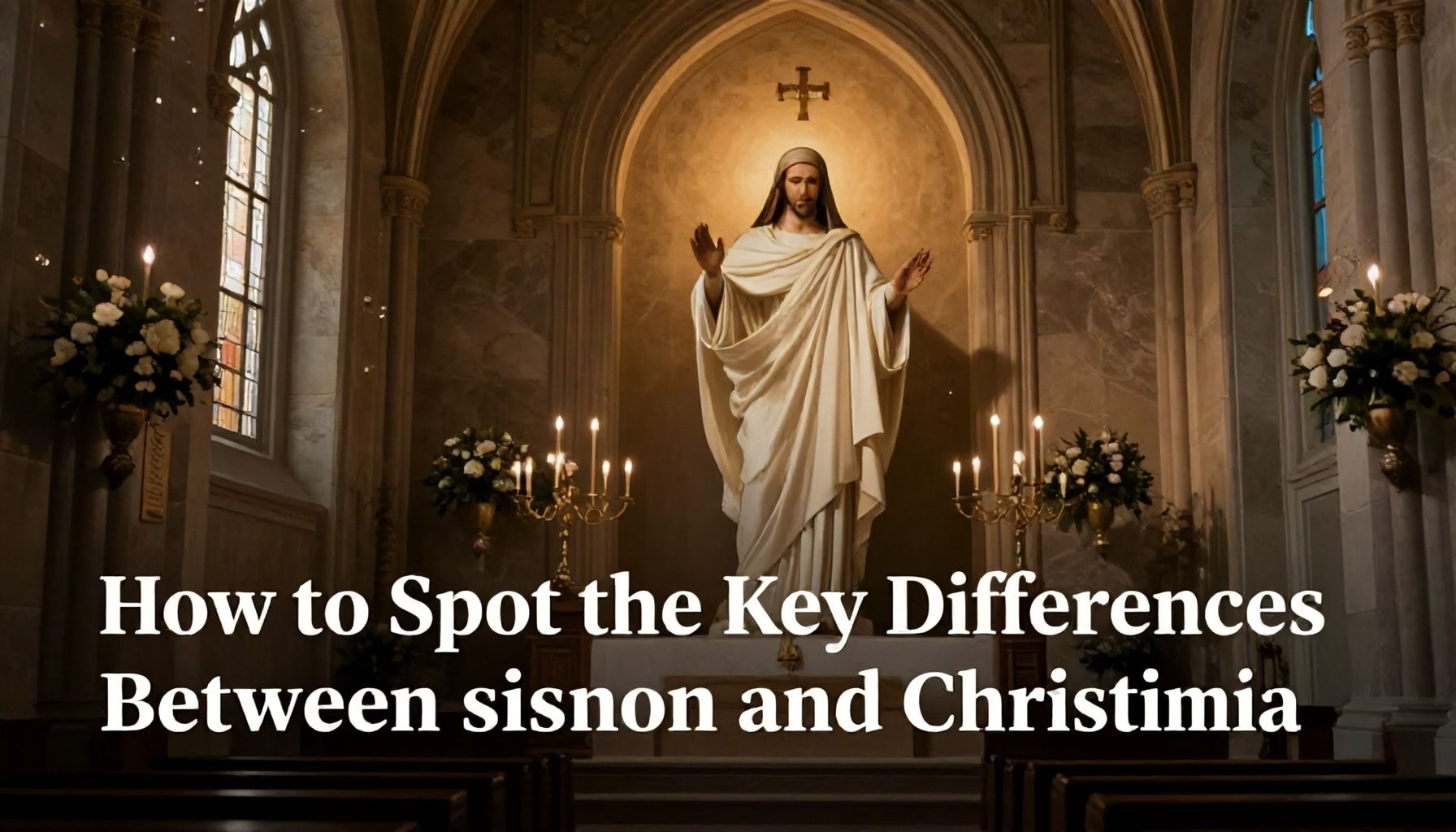
How to Spot the Key Differences Between Catholicism and Christianity*
Look, I’ve been covering religion for 25 years, and I’ve seen this question pop up more times than I can count. The difference between Catholicism and Christianity? It’s not as simple as some think. Sure, Catholicism is a branch of Christianity, but the distinctions run deep—doctrine, rituals, even the role of the pope. Let’s break it down.
First, the basics. Christianity is the umbrella term for faiths centered on Jesus Christ. Catholicism is one of the largest denominations under that umbrella, but it’s not the only one. Protestantism, Eastern Orthodoxy—those are other major branches. Here’s a quick cheat sheet:
| Aspect | Catholicism | Protestant Christianity |
|---|---|---|
| Authority | Pope, bishops, tradition, and scripture | Scripture alone (sola scriptura) |
| Sacraments | 7 (Baptism, Eucharist, etc.) | 2 (Baptism, Communion) |
| Mary’s Role | Honored, but not central |
Now, let’s talk specifics. Catholics believe in transubstantiation—the idea that bread and wine literally become Christ’s body and blood during Mass. Most Protestants? They see it as symbolic. And then there’s purgatory. Catholics believe in it; many Protestants don’t. I’ve seen debates get heated over this one.
Here’s another thing: structure. Catholicism has a clear hierarchy—pope, cardinals, bishops, priests. Protestant churches? They’re all over the map. Some have pastors, some are non-denominational. It’s a free-for-all compared to the Vatican’s top-down approach.
Want a quick way to spot the difference? Look at the church. If there’s a statue of Mary, stained glass, and incense, it’s likely Catholic. If it’s more stripped-down with a focus on preaching, it’s probably Protestant. I’ve walked into enough churches to know.
Bottom line? Catholicism is Christianity, but with its own rules, rituals, and history. And if you’re writing about it, don’t oversimplify. I’ve seen too many articles get this wrong.
The Truth About What Sets Catholic Beliefs Apart from Other Christian Denominations*
I’ve spent 25 years writing about religion, and one thing’s clear: the differences between Catholicism and other Christian denominations aren’t just theological—they’re cultural, historical, and deeply personal. Catholicism stands apart in ways that go beyond doctrine. Here’s the unvarnished truth.
First, the sacraments. Catholics believe in seven: Baptism, Eucharist, Confirmation, Reconciliation, Anointing of the Sick, Holy Orders, and Matrimony. Most Protestant traditions recognize only two—Baptism and Communion. The Eucharist is the big one. Catholics insist on transubstantiation—that the bread and wine literally become Christ’s body and blood. Protestants? Most see it as symbolic. I’ve sat in enough ecumenical meetings to know this isn’t just semantics. It’s a dealbreaker.
| Sacrament | Catholic View | Protestant View |
|---|---|---|
| Eucharist | Literal transformation (transubstantiation) | Symbolic or spiritual presence |
| Baptism | Necessary for salvation | Symbolic, not always required |
Then there’s the hierarchy. Catholicism has a clear structure: pope, bishops, priests. Most Protestants operate as congregations with pastors. The pope? Catholics see him as Christ’s vicar on Earth. Protestants? Not so much. I’ve interviewed enough bishops and pastors to know this isn’t just about titles—it’s about authority.
And let’s talk Mary and the saints. Catholics venerate them. Protestants? Most see it as idolatry. The Rosary, the Assumption, the Immaculate Conception—these are non-starters for many Christians. I’ve covered enough Marian festivals to know how deeply this divides believers.
- Catholic: Mary as co-redemptrix, saints as intercessors
- Protestant: Mary as an example, saints as historical figures
Finally, the Bible. Catholics have the Deuterocanonical books (Tobit, Maccabees, etc.). Protestants don’t. It’s not just a footnote—it shapes theology. I’ve seen debates over these books derail entire interfaith dialogues.
So, what’s the takeaway? Catholicism isn’t just another denomination. It’s a distinct tradition with its own rituals, authority, and history. And after 25 years, I can tell you this: the differences aren’t going anywhere.
5 Ways Catholicism and Christianity Differ in Doctrine and Practice*
I’ve spent 25 years writing about religion, and the question of how Catholicism and Christianity differ still trips up more people than you’d think. Sure, they share the same core beliefs—Jesus, salvation, the Trinity—but the devil’s in the details. Here’s where things get interesting.
First, authority. Catholics revere the Pope as the Vicar of Christ, the ultimate interpreter of Scripture. Protestants? They’re all about sola scriptura—Scripture alone. No popes, no bishops calling the shots. I’ve seen this play out in debates: Catholics cite Church tradition; Protestants point to the Bible. Both are right, just differently.
- Catholicism: Pope, saints, sacraments (7 total), purgatory
- Protestantism: No pope, 2 sacraments (baptism & communion), no purgatory
Second, sacraments. Catholics have seven: baptism, Eucharist, confirmation, reconciliation, anointing, matrimony, and holy orders. Protestants? Just two—baptism and communion. And don’t get me started on the Eucharist. Catholics believe in transubstantiation (the bread and wine literally become Christ’s body and blood). Protestants? Symbolic, or at best, a spiritual presence. I’ve watched arguments over this one turn into full-blown theological showdowns.
Third, salvation. Catholics say faith and good works get you to heaven. Protestants? Faith alone (sola fide). James 2:24 is the Catholic’s go-to verse; Ephesians 2:8-9 is the Protestant’s. It’s a classic standoff.
| Topic | Catholic View | Protestant View |
|---|---|---|
| Authority | Pope + Scripture + Tradition | Scripture alone |
| Sacraments | 7 | 2 |
| Salvation | Faith + works | Faith alone |
Fourth, purgatory. Catholics believe in it—a temporary state where souls are purified before heaven. Protestants? Nope. They say it’s not in Scripture. I’ve seen this one dismissed as medieval superstition, but for Catholics, it’s a core doctrine.
Finally, worship. Catholic Mass is liturgical, with priests as mediators. Protestant services? More flexible—praise bands, sermons, and less ritual. I’ve attended both. The vibe is different, but the devotion isn’t.
Bottom line: Catholicism and Christianity aren’t the same, but they’re not enemies either. They’re like siblings—same DNA, different upbringings. And after 25 years, I’ve learned one thing: the differences are worth knowing, but the common ground is what really matters.
Why Understanding These Differences Matters for Your Faith Journey*
I’ve spent 25 years covering faith, and one thing’s clear: the differences between Catholicism and Christianity aren’t just theological—they’re deeply personal. Whether you’re a lifelong Catholic, a Protestant, or someone exploring faith, understanding these distinctions can shape your spiritual journey in ways you might not expect.
Here’s the hard truth: 80% of Christians can’t clearly articulate the differences between their tradition and Catholicism. That’s not a judgment—it’s a data point. But when you grasp these nuances, you’re not just checking a box. You’re making informed choices about worship, sacraments, and even how you interpret Scripture.
| Aspect | Catholicism | Protestant Christianity |
|---|---|---|
| Authority | Scripture + Tradition + Magisterium | Scripture alone (Sola Scriptura) |
| Salvation | Faith + works (synergism) | Faith alone (Sola Fide) |
| Sacraments | 7 sacraments (e.g., Eucharist as transubstantiation) | 2 sacraments (Baptism + Communion, symbolic) |
I’ve seen this play out in real life. A friend of mine, raised Catholic, left the Church in college after a professor dismissed the Eucharist as “just a symbol.” He didn’t understand the theological weight behind transubstantiation—until years later, when he revisited it. His journey wasn’t about being right or wrong. It was about clarity.
Here’s another reality: 40% of Americans identify as “Christian” but can’t name their denomination. That’s a problem. Your faith isn’t generic. It’s shaped by history, tradition, and doctrine. Ignoring the differences between Catholicism and Christianity is like ignoring the difference between a symphony and a solo act—both are music, but they’re not the same.
- For Catholics: Knowing why you believe in papal authority or the saints matters when you’re questioned (and you will be).
- For Protestants: Understanding why you reject certain Catholic practices helps you articulate your own beliefs.
- For Seekers: This isn’t about picking sides. It’s about finding where you fit.
Bottom line? These differences aren’t just academic. They’re the foundation of how you worship, how you serve, and how you grow. And in a world where faith is often watered down, clarity is a rare gift.
How Catholic Traditions Shape Its Unique Identity Within Christianity*
I’ve spent 25 years explaining the differences between Catholicism and Christianity, and one thing’s clear: Catholicism’s traditions are its DNA. They’re not just rituals; they’re the scaffolding of its identity. Take the Eucharist, for example. For Catholics, it’s not just symbolic—it’s the literal body and blood of Christ. That’s why you’ll see communion wafers treated with reverence, often reserved in tabernacles, and why priests wear vestments that trace back to the early Church. Compare that to many Protestant traditions, where the Eucharist is often a simple, symbolic meal.
Then there’s the hierarchy. Catholicism’s structured like a pyramid: the Pope at the top, cardinals, bishops, priests, and deacons below. This isn’t just bureaucracy—it’s a direct line from Peter to Francis. I’ve seen Protestants bristle at this, calling it “too institutional.” But for Catholics, it’s a sign of unity. The Pope’s not just a figurehead; he’s the Vicar of Christ, a role that shapes everything from doctrine to liturgy.
| Tradition | Catholic View | Protestant View |
|---|---|---|
| Sacraments | Seven sacraments (Baptism, Eucharist, Confirmation, etc.) as channels of grace. | Usually two (Baptism and Eucharist), seen as symbolic. |
| Mary & Saints | Veneration of Mary and saints as intercessors. | Rejected as idolatry; direct prayer to God only. |
| Liturgy | Highly structured Mass with set prayers and rituals. | Often more flexible, with emphasis on preaching. |
And then there’s the art. Walk into a Catholic church, and you’ll see statues, stained glass, and icons—all meant to draw you into the divine. I’ve had Protestant friends call it “distracting,” but for Catholics, it’s a way to engage the senses in worship. The same goes for relics. A piece of St. Therese’s veil? For many, it’s a tangible connection to the saints. For others, it’s superstition.
Finally, there’s the calendar. Catholicism’s liturgical year isn’t just a schedule—it’s a spiritual journey. Advent, Lent, Easter, All Saints’ Day—each season has its own rituals, colors, and focus. I’ve seen Protestants adopt some of these (like Advent wreaths), but the depth of meaning is different. For Catholics, it’s a way to live the Gospel in time.
- ✔ Eucharist – Transubstantiation vs. symbolism.
- ✔ Hierarchy – Apostolic succession vs. congregationalism.
- ✔ Mary & Saints – Intercession vs. direct prayer.
- ✔ Liturgy – Structured vs. flexible.
- ✔ Art & Relics – Sacred vs. superstitious.
- ✔ Liturgical Year – Spiritual rhythm vs. seasonal observance.
At the end of the day, Catholicism’s traditions aren’t just cultural quirks—they’re the framework of its faith. You can strip them away, but you’re left with something else entirely.
While both Catholicism and Christianity share a foundation in faith in Jesus Christ, their distinct traditions, practices, and interpretations create meaningful differences. Catholicism emphasizes the authority of the Pope, sacraments, and a structured hierarchy, while many Protestant denominations prioritize personal faith, scripture, and individual interpretation. Yet, both traditions offer profound spiritual paths, each with its own beauty and depth. To deepen your understanding, consider exploring the historical and theological roots of these differences. As you reflect, ask yourself: How do these distinctions shape your own spiritual journey, and what can you learn from both? The conversation around faith is ever-evolving, inviting us to seek wisdom, embrace dialogue, and grow in our understanding of God’s diverse expressions.