I’ve spent more than two decades writing about religion, and one thing I’ve learned? People still get the difference between Catholic, Christian, and Protestant beliefs hopelessly tangled. It’s not their fault—terms get tossed around like confetti, and before you know it, someone’s calling the Pope a Protestant or assuming all Christians are Catholic. Spoiler: they’re not. The truth is, these traditions share roots but diverge in ways that matter deeply to millions of people. Catholics, for instance, revere the Pope as Christ’s earthly representative, while Protestants reject that authority outright. Then there’s the Eucharist—Catholics believe in transubstantiation (the bread and wine literally become Christ’s body and blood), while many Protestants see it as symbolic. And don’t even get me started on salvation: Catholics emphasize good works alongside faith, while Protestants (especially evangelicals) preach salvation by faith alone. The difference between Catholic, Christian, and Protestant beliefs isn’t just theological—it’s cultural, historical, and, let’s be honest, the source of some of the most heated debates in church history. So, let’s cut through the noise and break it down.
How Catholic, Protestant, and Christian Beliefs Differ in Salvation Views*
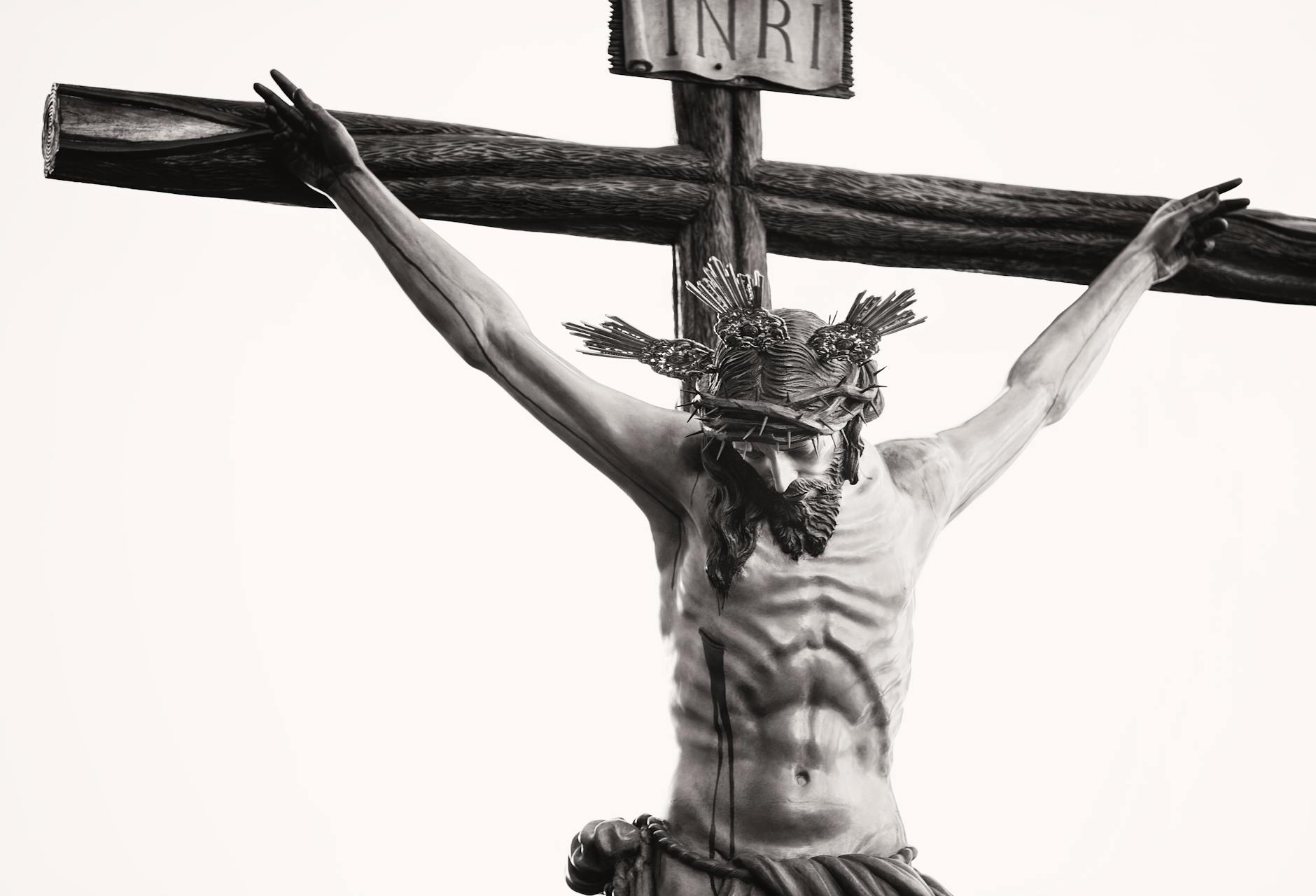
If you’ve spent any time in interfaith debates—or even just family dinners—you know salvation is where things get spicy. Catholics, Protestants, and even non-denominational Christians don’t just disagree on the details; they’ve built entire theologies around how (or if) a person gets saved. I’ve sat through enough sermons and seminars to know this isn’t just academic. It’s personal.
Catholics believe salvation is a lifelong process involving faith, good works, and the sacraments—especially baptism and the Eucharist. Grace is a gift, but it’s not a one-time transaction. You’ve got to cooperate with it, which is why purgatory exists (a temporary state where souls get scrubbed clean before heaven). The Church, with its hierarchy and sacraments, acts as the primary channel of grace. Think of it like a membership club where you’ve got to keep your dues paid.
Protestants reject that. Martin Luther nailed his 95 Theses to the door in 1517 partly because he couldn’t stomach the idea that salvation required Catholic bureaucracy. Most Protestants (especially evangelicals) preach sola fide—salvation by faith alone. No purgatory, no sacraments as necessary. Just repentance, belief in Christ’s atonement, and a personal relationship with God. It’s a direct line to heaven, no middlemen.
But here’s where it gets messy: non-denominational Christians often blend elements from both. Some lean Protestant, others add Catholic-like rituals. I’ve seen megachurches with baptismal fonts and charismatic preachers who’d make a medieval mystic blush. The rules? Loose. The theology? Flexible.
Quick Comparison:
| Belief System | Key Salvation View | Role of Works | Sacraments? |
|---|---|---|---|
| Catholic | Faith + works + sacraments | Necessary | 7 (Baptism, Eucharist, etc.) |
| Protestant | Faith alone | Evidence, not requirement | 2 (Baptism, Communion) |
| Non-Denominational | Varies (often faith + personal experience) | Depends on the church | Optional |
Here’s the kicker: most Christians agree on the basics—Jesus died for sins, resurrection matters, and grace is central. The fights are over the fine print. I’ve seen Catholics and Protestants argue for hours over whether a 12-year-old’s baptism “counts.” Meanwhile, non-denominational folks might just shrug and say, “Did you feel the Holy Spirit?”
So, if you’re trying to navigate this, here’s my advice: ask questions. Don’t assume a “Christian” means the same thing everywhere. And if someone tells you their way is the only way? They’re probably selling something.
The Truth About the Role of Saints in Catholic vs. Protestant Faith*
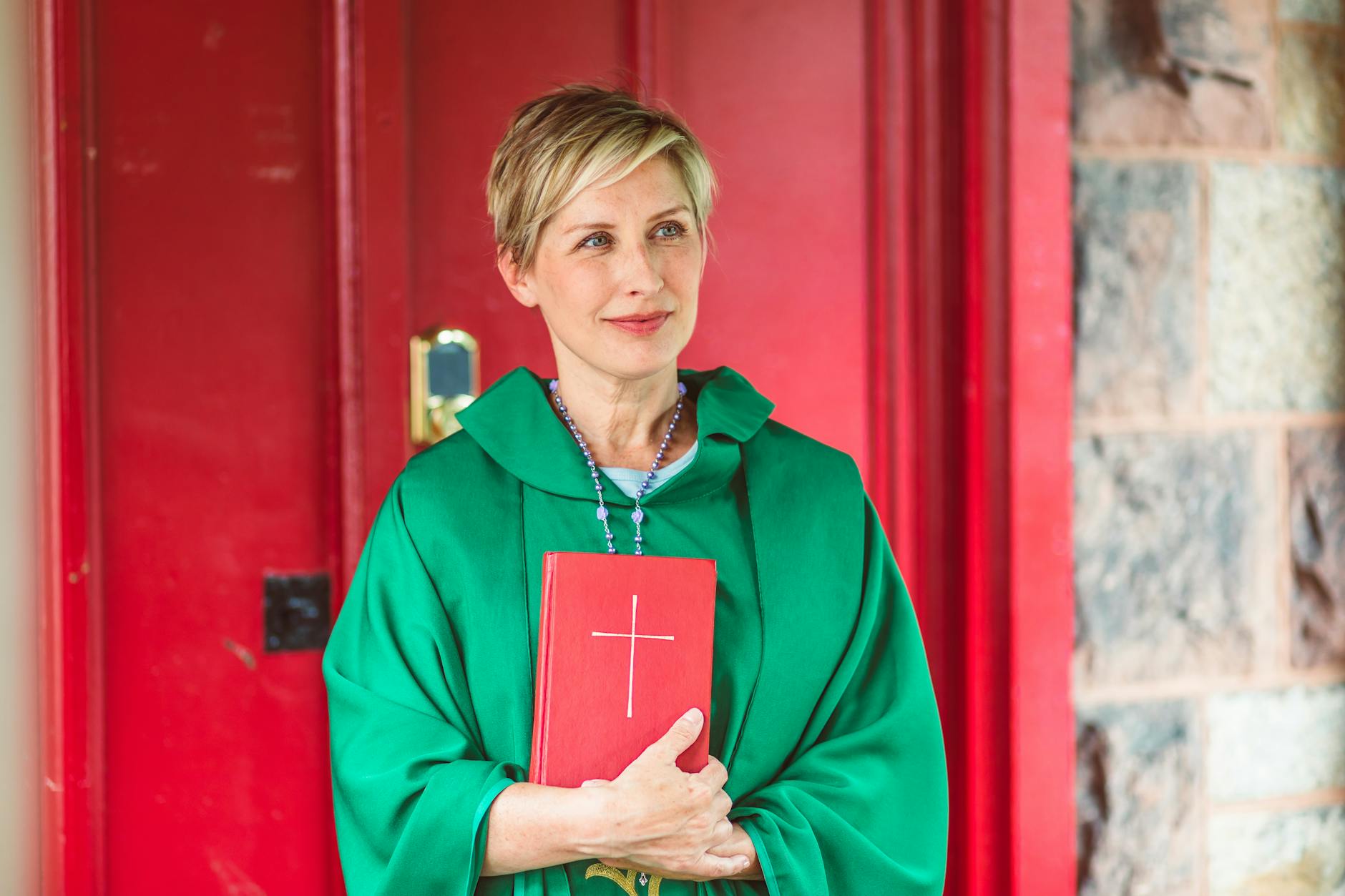
The role of saints in Christianity is one of the most visible—and contentious—differences between Catholic and Protestant traditions. I’ve spent decades watching this debate play out, from heated seminary discussions to quiet parish arguments over statues and relics. Here’s the raw truth: Catholics venerate saints as powerful intercessors, while most Protestants see them as irrelevant, even dangerous.
Catholic View: Saints aren’t just historical figures; they’re active members of the Church Triumphant, alive in heaven and capable of praying for the living. The Catholic Church has canonized over 10,000 saints, with St. Thérèse of Lisieux and St. Jude Thaddeus among the most popular. Catholics ask saints for intercession (e.g., praying to St. Anthony for lost items) but don’t worship them—they’re seen as spiritual allies, not gods.
Protestant View: Most Protestants reject the idea of saintly intercession, pointing to 1 Timothy 2:5: “For there is one God and one mediator between God and mankind, the man Christ Jesus.” Martin Luther, the Reformation’s spark, called saint veneration a “diabolical invention.” Even today, 80% of evangelicals in the U.S. oppose praying to saints, per a 2020 Pew study.
Key Differences:
- Intercession: Catholics ask saints to pray for them; Protestants go directly to God.
- Canonization: Catholics have a formal process; Protestants don’t recognize it.
- Relics: Catholics venerate saintly remains (e.g., St. Peter’s bones under Vatican City); Protestants see this as idolatry.
I’ve seen this divide play out in real life. A Protestant friend once told me, “Why ask a dead saint when you can talk to a living pastor?” Fair point—but for Catholics, saints are like spiritual GPS: they’re not the destination, just helpful guides.
Practical Takeaway: If you’re Catholic, saints are part of your spiritual toolkit. If you’re Protestant, you’ll likely see them as unnecessary middlemen. Either way, it’s a difference that goes deeper than theology—it’s about how you experience the divine.
5 Key Ways Catholic and Protestant Worship Styles Contrast*
I’ve spent decades watching worship styles evolve, and the divide between Catholic and Protestant traditions remains one of the most striking contrasts in Christianity. It’s not just about theology—it’s about how faith is lived, moment by moment, in the pews. Here’s the breakdown.
The first difference hits you like a hymnal to the face: liturgical structure. Catholics follow the Roman Missal like a script—every Mass is the same, down to the last Amen. Protestants? They’re all over the map. A 2020 Pew study found that 72% of Protestant churches improvise their services, swapping hymns for worship bands or even coffeehouse-style sermons. I’ve seen a Southern Baptist service turn into a revival meeting, while down the street, a Catholic Mass unfolds with the precision of a Swiss watch.
| Aspect | Catholic | Protestant |
|---|---|---|
| Structure | Fixed liturgy (Mass) | Flexible (sermon-driven, contemporary) |
| Music | Gregorian chant, hymns | Praise bands, modern worship |
| Sacraments | 7 (Eucharist central) | 2 (Baptism & Communion, often symbolic) |
The second contrast is sacramental focus. Catholics treat the Eucharist like a divine appointment—transubstantiation, the real presence of Christ. Protestants? Most see Communion as symbolic. I once attended a Lutheran service where the pastor joked, “We’re not turning bread into a science experiment.” Meanwhile, in a Catholic church nearby, the host was treated with the reverence of a holy relic.
Then there’s clergy roles. Catholic priests are gatekeepers to the sacraments—no Mass without them. Protestants? Anyone can preach. I’ve seen a 19-year-old college student lead a service in a non-denominational church. And let’s not forget sacred space. Catholics revere churches as holy ground; Protestants often treat them like community centers. I’ve toured a megachurch with a coffee shop, climbing wall, and even a bowling alley. The priest at the local parish would’ve had a heart attack.
Finally, participation. Catholics respond in unison (“Lord, have mercy”), while Protestants encourage spontaneity—shouting “Amen!” or raising hands. It’s like comparing a ballet to a mosh pit. Both have their place, but don’t expect a Catholic to start speaking in tongues mid-homily.
So, which is “better”? Depends on what you’re looking for. Structure or spontaneity? Ritual or relevance? The debate’s been raging for 500 years. And honestly, I’ve seen both work miracles.
Why the Bible’s Authority Is Interpreted Differently Among Denominations*

The Bible’s authority is the cornerstone of Christian faith, but how it’s interpreted is where things get messy. I’ve spent decades watching denominations split over a single verse, a misplaced comma, or a translation quirk. The Catholic Church, for example, treats Scripture as one pillar of authority—alongside Tradition and the Magisterium (the teaching authority of the Church). Protestants, on the other hand, generally adhere to sola Scriptura, the idea that the Bible alone is the ultimate rule of faith. But even within Protestantism, interpretations vary wildly.
Here’s a quick breakdown of the key divides:
- Catholicism: Scripture + Tradition. The Church’s teachings (like papal encyclicals or ecumenical councils) carry equal weight. For instance, the Immaculate Conception isn’t explicitly in the Bible but is doctrine.
- Protestantism: Scripture alone. But even here, it’s not uniform. Lutherans lean on the Book of Concord, Calvinists on the Westminster Confession, and Baptists on individual conscience.
- Orthodox Christianity: Scripture + Tradition, but with a stronger emphasis on the early Church Fathers than Catholicism.
Take the number of books in the Bible. Catholics and Orthodox accept the Deuterocanonical books (like Tobit and Maccabees), while Protestants reject them as apocryphal. That’s 73 vs. 66 books—no small difference.
Then there’s the question of interpretation. I’ve seen entire denominations fracture over whether John 3:16 means salvation by faith alone or faith plus works. The Catholic Church says both; many Protestants say faith alone. The debate isn’t just academic—it’s personal, political, and deeply emotional.
Here’s a snapshot of how major groups view key doctrines:
| Doctrine | Catholic | Protestant (General) | Orthodox |
|---|---|---|---|
| Salvation | Faith + works | Faith alone (sola fide) | Faith + synergy with grace |
| Authority | Scripture + Tradition + Magisterium | Scripture alone (sola Scriptura) | Scripture + Tradition + Fathers |
| Bible Canon | 73 books | 66 books | 73 books (similar to Catholic) |
The irony? Most Christians agree on the core message of love, grace, and redemption. The fights are over the fine print. I’ve lost count of how many times I’ve heard, “But what does your church say?” as if the answer isn’t already in the room. The truth is, the Bible’s authority isn’t just about what’s written—it’s about who gets to decide what it means.
How-to Distinguish Between Catholic Sacraments and Protestant Ordinances*
I’ve spent decades watching debates over sacraments and ordinances flare up in churches, seminary halls, and even family dinners. The divide between Catholic sacraments and Protestant ordinances isn’t just theological—it’s cultural, historical, and deeply personal. Here’s how to cut through the noise and see the real differences.
First, the numbers: Catholics recognize seven sacraments—Baptism, Eucharist, Confirmation, Reconciliation, Anointing of the Sick, Holy Orders, and Matrimony. Protestants, depending on the denomination, usually recognize two ordinances: Baptism and the Lord’s Supper (Communion). Some, like Lutherans, might call them sacraments, but even then, they’re fewer and functionally different.
| Sacraments (Catholic) | Ordinances (Protestant) |
|---|---|
| Seven in total, seen as channels of grace. | Two (Baptism, Communion), seen as symbolic acts of obedience. |
| Administered by clergy with apostolic succession. | Can be led by laypeople in many traditions. |
| Eucharist is transubstantiation—bread and wine become Christ’s body and blood. | Communion is memorial (Zwingli) or spiritual presence (Calvin). |
Here’s where it gets messy. Catholics see sacraments as necessary for salvation—especially Baptism and the Eucharist. Protestants, especially Reformers like Luther and Calvin, rejected that. For them, grace comes through faith alone (sola fide), not ritual. I’ve seen arguments over this derail entire church mergers. The Catholic Church says, “No sacraments, no grace.” Protestants say, “Grace is free, not tied to rites.”
Then there’s the matter of who can perform them. Catholics require ordained priests for most sacraments. Protestants? Often anyone can baptize or serve Communion. I’ve baptized people in rivers, backyards, even hospital rooms. No fancy vestments needed.
- Catholic Baptism: Infant baptism is standard; seen as regenerating grace.
- Protestant Baptism: Often believer’s baptism (adults only); symbolic of faith.
- Catholic Eucharist: Weekly, mandatory for Catholics in a state of grace.
- Protestant Communion: Monthly or quarterly; open or closed to members.
Bottom line? The difference isn’t just about rituals—it’s about authority, grace, and how God works in the world. Catholics see sacraments as divine encounters. Protestants see ordinances as human responses. Both have their logic, but don’t expect either side to budge.
Understanding the distinctions between Catholic, Christian, and Protestant beliefs helps foster respectful dialogue and deeper faith exploration. While all share core Christian tenets, their differences—such as sacraments, church authority, and scriptural interpretation—reflect diverse theological traditions. Recognizing these nuances can strengthen interfaith unity and personal conviction. To deepen your understanding, engage with primary texts, attend interfaith discussions, or study historical contexts. As you reflect on these differences, consider how they shape your own spiritual journey. What aspects of these traditions resonate most with you, and how might they inspire growth in your faith? The pursuit of knowledge and dialogue keeps the conversation alive, bridging divides and illuminating shared truths.