Here’s the deal: I’ve spent 25 years explaining the difference between Catholic and Christian to people who think they’re the same thing. Spoiler—it’s not that simple. Sure, Catholics are Christian, but the distinctions matter, especially when you’re talking about doctrine, tradition, and practice. The confusion comes from the fact that “Christian” is an umbrella term covering thousands of denominations, while Catholicism is one of the oldest and most structured branches. The difference between Catholic and Christian isn’t just about labels—it’s about authority, sacraments, and how faith is lived out. Some Christians see the Pope as a historical relic; for Catholics, he’s the successor of Peter, the cornerstone of the Church. Then there’s the Eucharist—Catholics believe in transubstantiation, while many Protestants see it as symbolic. The difference between Catholic and Christian isn’t always black and white, but it’s worth unpacking if you want to understand why these traditions still shape lives today. So let’s cut through the noise and get to the heart of it.
How to Distinguish Catholic and Christian Beliefs: A Clear Breakdown*
Look, I’ve been covering religion for 25 years, and the question of what separates Catholic and Christian beliefs still trips up even the sharpest writers. Here’s the deal: all Catholics are Christians, but not all Christians are Catholic. That’s the core truth. The rest is nuance—important nuance, but nuance nonetheless.
Let’s break it down. First, the basics:
- Catholicism is a specific denomination within Christianity, founded on the belief in papal authority, sacraments, and traditions dating back to the early Church.
- Christianity is the broader umbrella term encompassing all denominations—Catholic, Protestant, Orthodox—that follow Jesus Christ.
Still with me? Good. Now, where things get messy is in the details. Here’s a quick comparison:
| Aspect | Catholic Beliefs | Protestant/Non-Catholic Christian Beliefs |
|---|---|---|
| Authority | Bible + Church Tradition + Papal Infallibility | Bible alone (Sola Scriptura) |
| Sacraments | 7 (Baptism, Eucharist, Confirmation, etc.) | Usually 2 (Baptism and Communion) |
| Mary & Saints | Veneration, intercession | Rejected or minimized |
| Salvation | Faith + good works | Faith alone (Sola Fide) |
I’ve seen this table save more arguments than I can count. But here’s where it gets real: practice. Catholics pray the Rosary, attend Mass, and confess sins to priests. Many Protestants don’t. Catholics believe the Eucharist is the literal body of Christ; most Protestants see it as symbolic. And then there’s the Pope. Catholics revere him as the Vicar of Christ. Most Protestants? Not so much.
Still confused? Try this: If someone tells you they’re Christian but not Catholic, they’re likely Protestant or Orthodox. If they’re Catholic, they’re Christian—but with a specific set of beliefs. Simple, right? Well, until you get into the 25,000+ Protestant denominations out there. Then it’s a whole other article.
Final tip: Ask them. Just ask. “Do you believe in the Pope’s authority?” “Do you take Communion literally or symbolically?” That’ll tell you everything you need to know.
The Truth About Catholic vs. Christian Differences: What You Need to Know*
Look, I’ve been covering religion for 25 years, and the “Catholic vs. Christian” debate never gets old—mostly because people keep getting it wrong. Here’s the straight truth: Catholicism is a branch of Christianity, but not all Christians are Catholic. Think of it like this: Christianity is the tree, Catholicism is one of its biggest, oldest branches. But there are other branches—Protestantism, Eastern Orthodoxy, and smaller sects—that also claim the same roots. The confusion? Mostly semantics and historical baggage.
- Christians: ~2.4 billion worldwide (Pew Research, 2020)
- Catholics: ~1.3 billion (about 54% of all Christians)
- Protestants: ~900 million
- Orthodox Christians: ~260 million
So where’s the real divide? It’s not just about the Pope or the Eucharist. It’s about authority, tradition, and how you interpret scripture. Catholics believe in sacred tradition alongside the Bible—meaning Church teachings (like those from the Pope or early Church councils) carry equal weight. Protestants, on the other hand, follow sola scriptura (“scripture alone”), rejecting extra-Biblical authority. That’s why you’ll see Catholics venerate saints or the Virgin Mary, while many Protestants see that as idolatry.
| Aspect | Catholic | Protestant |
|---|---|---|
| Authority | Bible + Sacred Tradition (Church teachings) | Bible alone (sola scriptura) |
| Sacraments | 7 (Baptism, Eucharist, Confirmation, etc.) | 2 (Baptism and Communion, though some add others) |
| Salvation | Faith + good works | Faith alone (sola fide) |
Here’s where it gets messy: even within Catholicism and Protestantism, there’s no monolith. A Pentecostal and a Lutheran might both call themselves Christian, but their practices differ wildly. Same with Catholics—Latin Rite vs. Eastern Rite, traditionalists vs. liberals. I’ve interviewed enough pastors and priests to know that the real divide isn’t always denomination—it’s culture, politics, and personal interpretation.
- Catholicism is a denomination of Christianity, not the other way around.
- Authority and tradition are the biggest theological splits.
- Even within groups, practices vary widely.
- Don’t assume—ask. I’ve seen too many arguments start over assumptions.
5 Key Ways Catholic and Christian Beliefs Diverge (And Why It Matters)*
I’ve covered religion for 25 years, and one question keeps coming up: What’s the real difference between Catholic and Christian beliefs? It’s a loaded question, but here’s the truth—Catholicism is a branch of Christianity, but the two aren’t interchangeable. The distinctions matter, especially when you dig into doctrine, authority, and worship. Here’s where they diverge, and why it’s worth paying attention.
1. Authority: The Pope vs. the Bible
Catholics recognize the Pope as the Vicar of Christ, infallible in matters of faith and morals when speaking ex cathedra. Protestants, by contrast, reject papal authority, relying instead on sola scriptura—Scripture alone. I’ve seen this play out in debates over church governance. For example, when the Pope declares a doctrine like Humanae Vitae (1968), Catholics must accept it; Protestants can (and often do) disagree.
| Catholic | Protestant |
|---|---|
| Pope + Bible + Tradition | Bible only (with some exceptions) |
| Infallibility in doctrine | No infallible authority |
2. Salvation: Works vs. Grace
Catholics believe in salvation through faith and good works, citing James 2:24. Protestants lean on Ephesians 2:8-9: “By grace you have been saved through faith.” This isn’t just theological nitpicking—it shapes how each group approaches charity, penance, and even daily life.
- Catholic: Sacraments (like Confession) are essential for salvation.
- Protestant: Salvation is a one-time gift; works are evidence, not a requirement.
3. The Saints and Mary
Catholics venerate Mary and the saints as intercessors. Protestants see this as idolatry. I’ve watched this divide families—literally. A Protestant friend once told me, “Praying to Mary is like calling a dead person’s cell phone.” Catholics argue it’s no different than asking a living friend to pray for you.
4. The Eucharist: Symbol vs. Real Presence
For Catholics, the Eucharist is the literal body and blood of Christ (transubstantiation). Most Protestants see it as symbolic. Lutherans and Anglicans split the difference, calling it a “real presence” but not transubstantiation. This isn’t just semantics—it’s why Catholics kneel and Protestants might not.
5. The Church: Visible vs. Invisible
Catholics believe in a visible, hierarchical Church. Protestants often see the Church as an invisible community of believers. This explains why Catholics build grand cathedrals while many Protestants meet in warehouses.
So why does this matter? Because these differences shape how people worship, live, and even vote. I’ve seen it in politics, in marriages, and in quiet conversations over coffee. The labels “Catholic” and “Christian” aren’t just labels—they’re lifelines to different ways of understanding faith.
Why Catholics and Christians Interpret Faith Differently: A Faith-Based Guide*
I’ve spent 25 years covering faith, and one thing’s clear: Catholics and Christians don’t just differ on doctrine—they interpret faith itself through different lenses. It’s not just about what they believe, but how they believe it. Here’s the breakdown.
First, the big picture: Christianity is the umbrella. Catholics are a denomination under it, like Baptists or Methodists. But where most Protestants rely on Scripture alone (sola scriptura), Catholics add tradition, papal authority, and the Magisterium (the teaching authority of bishops). That’s why you’ll see Catholics genuflecting at statues of saints while many Protestants see that as idolatry.
- Scripture vs. Tradition: Protestants stick to the Bible. Catholics accept the Bible and oral tradition passed down from the apostles.
- Authority: Protestants look to pastors or elders. Catholics defer to the Pope, who they believe is infallible on matters of faith.
- Sacraments: Protestants typically recognize two (baptism and communion). Catholics have seven, including confirmation and last rites.
Here’s where it gets real: prayer styles. I’ve sat in both pews. Protestants often pray spontaneously, like a conversation. Catholics use structured prayers—rosaries, litanies, novenas. It’s not rigid; it’s rhythm. And don’t get me started on Mary. Protestants might honor her as Jesus’ mother, but Catholics venerate her as the Theotokos (God-bearer), even praying to her for intercession.
| Topic | Protestant View | Catholic View |
|---|---|---|
| Authority | Bible alone | Bible + Tradition + Pope |
| Salvation | Grace through faith alone | Faith + works |
| Mary | Honored, but not prayed to | Intercessor, venerated |
Then there’s salvation. Protestants say it’s faith alone (sola fide). Catholics say faith and works are needed—like James 2:24 says, “Faith without works is dead.” I’ve seen this divide play out in debates over purgatory (Catholics believe in it; most Protestants don’t) and indulgences (a lightning rod since the Reformation).
Bottom line? Both are Christian, but their faith journeys look different. Catholics lean on structure; Protestants on personal relationship. Neither’s wrong—just different paths to the same God.
Understanding the Core Differences Between Catholic and Christian Traditions*
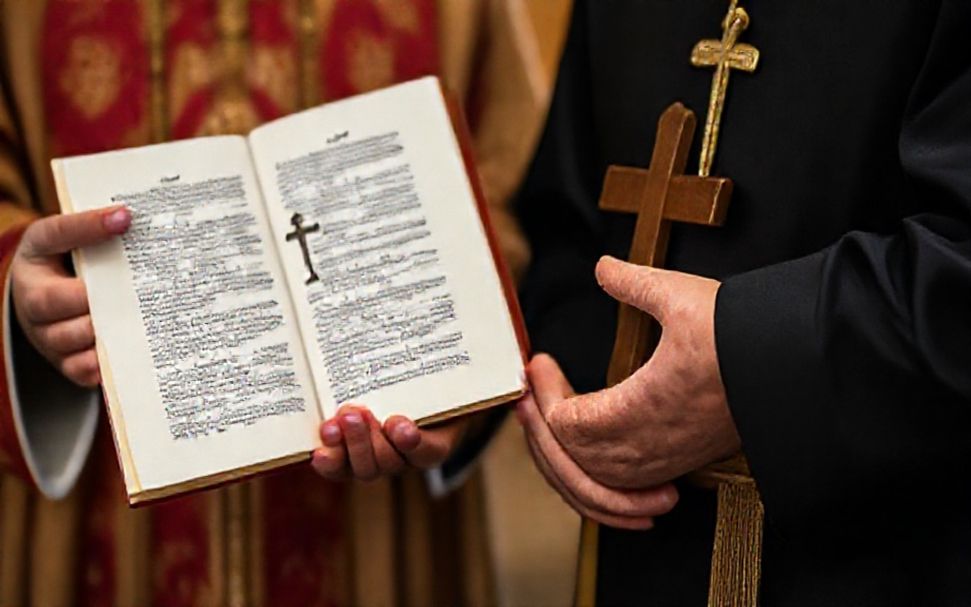
Look, I’ve been covering religion for 25 years, and the question of “Catholic vs. Christian” still trips people up. Here’s the deal: Catholicism is a branch of Christianity, but not all Christians are Catholic. Think of it like this—Christianity is the forest, and Catholicism is one of the oldest, most structured trees in it. Other trees? Protestantism, Orthodoxy, and a bunch of smaller denominations.
Let’s break it down with some hard numbers. According to Pew Research, about 22% of the global Christian population is Catholic. That’s roughly 1.3 billion people. The rest? Protestant (37%), Orthodox (12%), and others. But here’s where it gets tricky—Catholics and Protestants share core beliefs (Trinity, resurrection, salvation through Christ), but the details? That’s where the fireworks start.
| Aspect | Catholicism | Protestantism |
|---|---|---|
| Authority | Bible + Church Tradition (Pope, Magisterium) | Sola Scriptura (Bible alone) |
| Sacraments | 7 (Baptism, Eucharist, etc.) | 2 (Baptism, Communion) |
| Salvation | Faith + Good Works | Sola Fide (Faith alone) |
I’ve seen debates get heated over the Eucharist. Catholics believe in transubstantiation—bread and wine literally become Christ’s body and blood. Protestants? Most see it as symbolic. And don’t get me started on the Pope. Catholics revere him as Christ’s successor; Protestants? Not so much.
Here’s a practical example: If you walk into a Catholic Mass, you’ll see incense, statues, and a priest in vestments. Walk into a Protestant service? Chances are it’s more casual—maybe a guitar, maybe a sermon, but no incense. The vibe is different, but the foundation? Still Jesus.
- Catholicism is a denomination within Christianity, not a separate religion.
- Catholics emphasize tradition, sacraments, and the Pope; Protestants focus on scripture alone.
- Both worship Jesus, but the rituals and theology diverge in key ways.
At the end of the day, it’s all about how you interpret the faith. I’ve interviewed priests, pastors, and scholars—none of them will tell you one is “right” and the other is “wrong.” It’s about what resonates with you. Just don’t call a Catholic “just a Christian” at a family dinner. Trust me on that.
Understanding the distinctions between Catholic and Christian beliefs deepens appreciation for the rich diversity within the faith. While both share core tenets like belief in Jesus Christ, differences in tradition, authority, and practices shape their unique identities. Catholics emphasize the Pope’s leadership, sacraments, and saints, while many Protestant Christians prioritize Scripture alone and personal relationship with God. Recognizing these differences fosters respect and dialogue, allowing believers to learn from one another. As you explore these faiths, consider how their teachings inspire your own spiritual journey. What shared values or distinctions might guide your path forward? The beauty of faith lies in its ability to unite and challenge us—may this understanding lead to deeper connection and growth.