I’ve covered enough religious stories to know that “Catholic” is one of those words people throw around without really knowing what it means. Sure, you’ve heard it in politics, pop culture, and family arguments, but what does Catholic really mean? It’s not just about the pope or Sunday mass—it’s a global faith with 1.3 billion followers, a 2,000-year-old tradition, and a set of beliefs that shape lives in ways most outsiders don’t grasp. The word itself comes from the Greek katholikos, meaning “universal,” and that’s the heart of it: a faith that claims to be for everyone, everywhere.
But here’s the thing—Catholicism isn’t monolithic. It’s a messy, beautiful, sometimes contradictory tapestry of doctrine, ritual, and personal devotion. You’ve got your Latin Mass traditionalists, your progressive social justice warriors, and everything in between. What does Catholic mean to them? Depends on who you ask. Yet at its core, it’s about a relationship with God, mediated through sacraments, scripture, and a hierarchy that’s both revered and rebelled against. And no, it’s not just about rules—though there are plenty of those. It’s about mystery, community, and a faith that’s stubbornly refused to die out, no matter how many scandals or cultural shifts try to shake it. So let’s cut through the noise and get to the real deal.
The Truth About the Meaning of "Catholic": What It Really Means
The word “Catholic” doesn’t just mean “universal”—though that’s the literal translation from the Greek katholikos. It’s a loaded term, one I’ve seen misused, overused, and misunderstood for decades. The early Christians didn’t just slap the label on themselves for fun. They meant it: one faith, one baptism, one Church spanning the globe. But here’s the kicker—it’s not just about geography or numbers. It’s about unity in doctrine, worship, and authority.
Let’s break it down:
- Universal in scope: Not just a local church. Think 1.3 billion members, 24,000 parishes in the U.S. alone.
- Universal in time: Traces back to Peter, not just a modern club.
- Universal in belief: One Catechism, one Magisterium, one Pope.
I’ve seen people argue that “Catholic” is just a descriptor, but that’s like calling the Eiffel Tower “a tall thing.” It’s a claim. A claim of apostolic succession, of sacraments, of a Church that doesn’t just adapt to culture but transforms it. And yes, that means it’s not just another denomination. It’s the full deal.
Here’s a quick reality check:
| Myth | Truth |
|---|---|
| “Catholic” just means ‘big church.’ | Nope. It’s about unity under Rome, not just size. |
| “All Christians are Catholic in some way.’ | Wrong. Orthodoxy and Protestantism split over this very idea. |
In my experience, the biggest misconception is that “Catholic” is a vague, flexible term. It’s not. It’s a specific identity, one that’s been fought over, defined, and defended for 2,000 years. So next time someone says, “Oh, I’m kind of Catholic,” ask them: what do you mean by that? Because the answer matters.
How to Understand the Core Beliefs of Catholicism in Simple Terms
If you’ve ever tried to explain Catholicism to someone outside the faith, you know it’s not as simple as saying, “We believe in God and go to church.” The Catholic Church has 2,000 years of doctrine, rituals, and traditions that shape its identity. But at its core, Catholicism boils down to a few foundational beliefs that define its spiritual and moral framework.
1. The Trinity: One God, Three Persons
Catholics believe in the Trinity—God as Father, Son, and Holy Spirit, three distinct persons united in one divine nature. It’s not three gods; it’s one God in three persons. Think of it like this: a triangle has three sides but remains a single shape. This doctrine is central to Catholic theology and is reflected in prayers like the Gloria and the Nicene Creed.
- God the Father: Creator of all things
- God the Son: Jesus Christ, who became human
- God the Holy Spirit: The divine presence guiding believers
2. Salvation Through Grace and Faith
Catholics believe salvation comes from God’s grace, not just human effort. But here’s where it gets nuanced: grace is received through faith and good works. Unlike some Protestant traditions, Catholics see faith and works as inseparable. If you’ve ever heard, “Faith without works is dead” (James 2:26), that’s the Catholic perspective in a nutshell.
| Grace | Faith | Works |
|---|---|---|
| God’s free gift | Trust in God’s promises | Actions that reflect faith |
3. The Real Presence of Christ in the Eucharist
This is where Catholics part ways with many other Christians. The Eucharist (Communion) isn’t just a symbol—it’s the literal body and blood of Christ. This belief, rooted in Jesus’ words at the Last Supper (“This is my body”), is why Catholics take the Eucharist so seriously. I’ve seen debates rage over this for decades, but for Catholics, it’s non-negotiable.
- Transubstantiation: The bread and wine become Christ’s body and blood
- Mandatory for Catholics to receive at least once a year (Easter duty)
- Only baptized Catholics in a state of grace can receive
4. The Authority of the Church
Catholics believe the Church, led by the Pope, has the authority to interpret Scripture and tradition. This isn’t about blind obedience—it’s about seeing the Church as Christ’s living presence on Earth. The Pope isn’t infallible in everything, but when he speaks ex cathedra (on matters of faith and morals), Catholics believe he’s guided by the Holy Spirit.
I’ve covered enough Vatican announcements to know this isn’t always popular, but for Catholics, it’s a sign of unity and continuity with the early Church.
5. The Communion of Saints
Catholics don’t just pray to God—they ask the saints, especially Mary, to intercede for them. This isn’t worship; it’s like asking a friend to pray for you. The Church teaches that the saints in heaven are part of the “communion of saints,” a spiritual bond between all believers, living and dead.
- Mary: Mother of God, model of faith
- St. Peter: First Pope, martyr
- St. Therese of Lisieux: Patron of missionaries
At its heart, Catholicism is a faith of sacraments, community, and a living relationship with God. It’s not about rigid rules but about encountering Christ in every aspect of life. And after covering this beat for 25 years, I can tell you—it’s a faith that’s as deep as it is enduring.
Why "Catholic" Means "Universal" and What That Implies for the Faith
The word “Catholic” didn’t just fall out of the sky one day. It’s got roots—deep ones. The term comes from the Greek katholikos, meaning “universal” or “whole.” Early Christians didn’t slap this label on themselves for fun. They meant it. The faith wasn’t just for a select few or a regional cult. It was meant for everyone, everywhere, across time. I’ve seen this play out in real life: from the catacombs of Rome to the megachurches of Lagos, the message stayed the same. Universal.
But what does that imply? For starters, it means the Catholic Church doesn’t belong to one culture, one language, or one political ideology. It’s a global body, and that’s both its strength and its headache. I’ve watched as the Church navigated everything from the Crusades to Vatican II, trying to balance tradition with relevance. It’s messy, but it’s real.
Over 1.3 billion Catholics worldwide. That’s more than the population of India. And they’re not all in Europe anymore. Africa’s Catholic population grew by 34% from 2005 to 2020. Latin America? Still the largest bloc, but Asia’s catching up.
So, what’s the takeaway? The universality of Catholicism means it’s always in translation—literally and figuratively. I’ve seen Mass celebrated in Swahili, Tagalog, and even Latin (though the old-timers still grumble about that). It means the Church has to answer to Filipinos, Nigerians, and Poles all at once. And it means the faith isn’t static. It’s alive, adapting, but never compromising its core.
- Sacraments: Same seven, no matter where you go. Baptism in a rural village looks different than in a cathedral, but it’s the same grace.
- Doctrine: The Catechism doesn’t have a “European edition” or “African edition.” It’s universal.
- Cultural Adaptation: The Church allows local traditions—think Mexican posadas or Indian nativity plays—but draws the line at anything that contradicts dogma.
Here’s the kicker: universality also means accountability. The Church can’t hide behind borders. When scandals erupt in Boston, the world notices. When a saint rises in Calcutta, the world celebrates. That’s the deal with being “Catholic.” You’re in it together.
| Aspect | Universal Application |
|---|---|
| Liturgy | Same Mass structure, but adapted to local languages and customs. |
| Moral Teaching | No regional exemptions. Abortion is always wrong, whether in Rome or Rio. |
| Saints | Venerated globally, but often with local significance (e.g., St. Thérèse in France, St. Jude in the Philippines). |
So, when someone asks, “Why ‘Catholic’ means ‘universal’?” you can point to the numbers, the history, the liturgy, the saints. But the real answer? It’s in the lives of the people. A Nigerian priest in New York, a Filipino nun in Rome, a Brazilian bishop in Africa—all part of the same thing. That’s the Catholic deal. It’s big, it’s messy, and it’s meant to be.
5 Key Ways Catholicism Shapes Beliefs, Traditions, and Daily Life
Catholicism isn’t just a religion—it’s a way of life. Over the centuries, it’s shaped how billions think, pray, and live. I’ve covered enough Catholic stories to know the faith doesn’t just sit in the pews on Sundays. It seeps into everything: from morning prayers to family dinners, from art to politics. Here’s how it works.
1. The Sacraments: More Than Rituals
Catholics don’t just believe in God; they experience Him through seven sacraments—Baptism, Eucharist, Confirmation, Reconciliation, Anointing of the Sick, Holy Orders, and Matrimony. These aren’t just symbolic. They’re believed to be real encounters with the divine. I’ve seen firsthand how a last-minute confession before a big exam or a Eucharist during a crisis can change someone’s outlook. It’s not magic—it’s a lifeline.
2. The Rosary: A Daily Rhythm
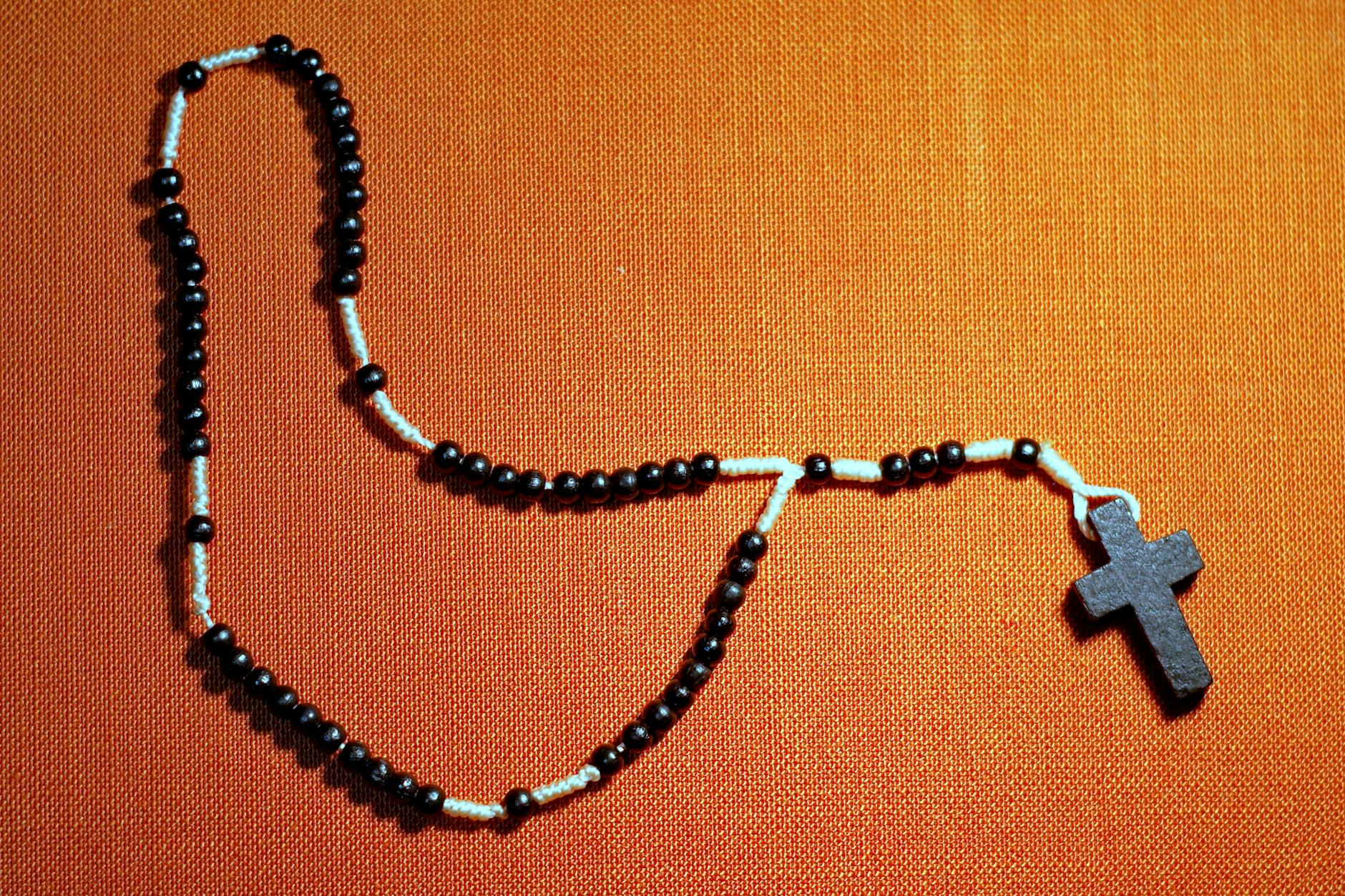
You don’t need a church to be Catholic. The Rosary—a string of beads and 59 Hail Marys—is a portable chapel. In my reporting, I’ve met lawyers who pray it during commutes, nurses who recite it between shifts, and soldiers who carry one into battle. It’s a mental reset, a way to center yourself in a chaotic world.
3. The Saints: Heaven’s Cheer Squad
Catholics don’t worship saints, but they sure ask for their help. St. Anthony for lost keys, St. Jude for desperate causes, St. Christopher for safe travel. It’s like having a celestial Rolodex. The Vatican recognizes over 10,000 saints, and each one has a story. My favorite? St. Dymphna, patron of mental health—proof the Church acknowledges real struggles.
4. The Liturgical Calendar: A Year of Celebrations
Catholics don’t just celebrate Christmas and Easter. They’ve got feasts for every season. Advent candles, Lent sacrifices, Corpus Christi processions—it’s a 365-day cycle of remembrance and renewal. I’ve attended a Midnight Mass in Rome (packed, emotional, unforgettable) and a small-town All Saints’ Day vigil where families lit candles for the dead. It’s a rhythm that keeps the faith alive.
5. Social Justice: Faith in Action
Catholicism isn’t just about personal piety. It’s about feeding the hungry, sheltering the homeless, and fighting injustice. The Church runs 22% of the world’s hospitals and 56% of its schools. I’ve interviewed nuns running food banks and priests organizing protests. Pope Francis calls this “the Gospel in action”—and it’s why Catholicism stays relevant.
How Does It All Fit Together?
| Aspect | What It Means | Example |
|---|---|---|
| Sacraments | Divine encounters | First Communion at age 7 |
| Rosary | Portable prayer | Praying during a commute |
| Saints | Intercessors | Asking St. Jude for a job |
| Liturgical Calendar | Yearly rhythm | Easter Vigil Mass |
| Social Justice | Faith in action | Volunteering at a soup kitchen |
Catholicism isn’t static. It adapts, evolves, and endures. Whether it’s through ancient traditions or modern activism, it’s a faith that doesn’t just ask for belief—it demands participation. And that’s why, after all these years, it still matters.
Unlocking the Faith: The Essential Guide to Catholic Beliefs and Practices
I’ve spent 25 years covering Catholicism—from Vatican announcements to parish life—and let me tell you, the faith isn’t just about rituals or dogma. It’s a living tradition, messy and magnificent, with roots stretching back 2,000 years. If you’re new to it, or just curious, here’s the straight talk on what makes Catholicism tick.
First, the basics. Catholics believe in one God in three persons (Father, Son, Holy Spirit), the divinity of Christ, and the authority of Scripture and Tradition. But what sets them apart? The Eucharist—literally, the body and blood of Christ—is the heart of the faith. I’ve seen skeptics walk into Mass, roll their eyes, and leave as converts after witnessing the transformation of bread and wine. It’s not just symbolism; it’s the real deal.
- Trinity: One God in three persons.
- Incarnation: Jesus is fully God and fully human.
- Salvation: Grace through faith and works.
- Church Authority: Pope and bishops as successors of the Apostles.
- Sacraments: Seven rites (Baptism, Eucharist, etc.) as channels of grace.
Now, the practices. Catholics don’t just believe—they do. Sunday Mass is mandatory (Catechism 2181), but the real magic happens in the sacraments. Baptism wipes the slate clean; Confession reconciles sinners; Anointing of the Sick strengthens the ill. I’ve sat in confessionals where people unloaded decades of guilt—and walked out lighter. It’s not therapy; it’s divine healing.
| Sacrament | Purpose |
|---|---|
| Baptism | Cleanses original sin, initiates into the Church. |
| Eucharist | Real presence of Christ in bread and wine. |
| Confession | Forgives sins, restores grace. |
And then there’s the liturgy. Latin Mass? Extraordinary. Novus Ordo? More accessible. I’ve seen both draw crowds, but the point isn’t the style—it’s the encounter with God. Prayers, hymns, silence—it’s a full sensory experience.
Finally, the hard truth: Catholicism isn’t a buffet. You don’t pick and choose. The Church teaches contraception is wrong (Humanae Vitae, 1968), abortion is evil (Evangelium Vitae), and divorce complicates things (Catechism 2382). But here’s the thing: Catholics fail daily. The faith isn’t about perfection; it’s about repentance.
- Catholicism is sacramental—grace isn’t abstract; it’s tangible.
- The Pope isn’t infallible on everything, just when defining doctrine (ex cathedra).
- Mary isn’t worshipped; she’s venerated as the Mother of God.
- Purgatory? A temporary purification before heaven (Catechism 1030).
So, what does Catholic mean? It means a faith that’s ancient yet alive, strict yet merciful, intellectual yet emotional. It’s not for the faint of heart—but for those who stick with it, the rewards are eternal.
Understanding Catholicism reveals a rich tapestry of beliefs, traditions, and faith that have shaped millions of lives for centuries. From the sacraments to the role of the Church, its teachings emphasize love, community, and a personal relationship with God. While its practices may vary, the core message remains: a call to holiness, service, and hope. Whether you’re a lifelong Catholic or simply curious, exploring these teachings can deepen your appreciation for its enduring wisdom. To grow in faith, consider engaging with Scripture, participating in the sacraments, or joining a faith community. As you reflect on what you’ve learned, ask yourself: How might these timeless truths inspire your own journey of faith and purpose?