You’ve heard it all before—another article about the Ten Commandments, another round of finger-wagging about morality. But here’s the thing: these aren’t just ancient rules carved into stone. They’re the backbone of Catholic faith, the moral GPS that’s kept generations from crashing into the ditch. I’ve seen fads in spirituality come and go, but the Ten Commandments of Catholic teaching? They don’t age. They’re timeless, unapologetic, and—let’s be honest—they’re the reason the Church still stands when so many other systems have cracked under pressure.
The Ten Commandments of Catholic faith aren’t just a checklist; they’re a blueprint for living. They cut through the noise of modern life, demanding honesty, respect, and a relationship with God that’s deeper than Sunday Mass. You won’t find loopholes here. No, “I’m a good person” excuses. Just ten clear, unflinching directives that challenge us to be better. And if you think they’re outdated, try living without them for a week. The chaos alone will convince you otherwise.
This isn’t about guilt. It’s about freedom—the kind that comes from knowing right from wrong, from loving God and neighbor without compromise. The Ten Commandments of Catholic morality aren’t a cage; they’re the only map that won’t lead you astray. So let’s cut the fluff and get real. These commandments? They’re the difference between a life that’s just surviving and one that’s truly alive.
How to Live the Ten Commandments in Modern Life*
The Ten Commandments aren’t just ancient rules etched in stone—they’re a blueprint for living a life of integrity, even in 2024. I’ve seen Catholics and non-Catholics alike struggle with how to apply these commandments in a world of social media, instant gratification, and moral gray zones. Here’s how to make them work for you.
1. No Other Gods Before Me – This isn’t just about worshiping idols. It’s about prioritizing God over distractions. For me, it means setting aside time for prayer, even if it’s just 10 minutes in the morning before checking emails. Actionable tip: Delete one time-wasting app from your phone this week.
| Modern Distraction | God-Centered Alternative |
|---|---|
| Endless social media scrolling | Daily Scripture reading (try the YouVersion app) |
| Binge-watching TV | Attend Mass or listen to a homily podcast |
2. No Graven Images – This isn’t about art—it’s about not reducing God to a symbol. I’ve seen people treat saints or religious icons like lucky charms. Key insight: Pray to God, not through objects. If you’re using a rosary, focus on the words, not the beads.
- Do: Use sacramentals as aids to prayer, not shortcuts.
- Don’t: Treat them like magic talismans.
3. Don’t Take the Lord’s Name in Vain – This isn’t just about swearing. It’s about using God’s name with reverence. In my experience, people drop “Oh my God” casually, but it’s a direct violation. Practical fix: Replace it with “Wow” or “Seriously?”
4. Keep the Sabbath Holy – Workaholism is the new sin. I’ve worked with Catholics who treat Sunday like any other day. Try this: Unplug for 24 hours. No emails, no errands—just rest, family, and worship.
Quick Checklist for a Holy Sabbath:
- Attend Mass (obviously).
- Have a family meal—no phones allowed.
- Read a spiritual book or reflect on the week.
- Go for a walk in nature (God’s creation is a gift).
The rest of the commandments (honoring parents, no murder, no adultery, no stealing, no lying, no coveting) are just as relevant. The key? Intentionality. You won’t live them perfectly, but you can live them better. Start small, stay consistent, and let grace do the rest.
The Truth About Why the Ten Commandments Still Matter Today*
I’ve spent 25 years watching people argue about the Ten Commandments—some treat them like a dusty museum piece, others as a rigid rulebook. But here’s the truth: they’re neither. They’re the foundation of a moral framework that’s still relevant, even if the world acts like it’s not.
First, let’s cut through the noise. The Commandments aren’t just about “don’t steal” or “don’t kill.” They’re about relationships—with God, with others, and with yourself. Break them down, and you’ve got a blueprint for a life that doesn’t fall apart under pressure.
- No. 1: “No other gods before me.” In a world of influencers, algorithms, and instant gratification, this one’s a lifeline. I’ve seen too many people worshipping at the altar of their own ego or the latest trend. The Commandment reminds us: there’s only one source of ultimate meaning.
- No. 5: “Honor your father and mother.” Family dysfunction? Check. But this isn’t just about obedience—it’s about gratitude. Studies show kids who honor their parents (even imperfect ones) have lower rates of depression. Not bad for a 3,000-year-old rule.
- No. 8: “Don’t bear false witness.” Fake news, gaslighting, and cancel culture have turned truth into a commodity. The Commandment doesn’t just say “don’t lie”—it says “don’t twist reality for your own gain.” That’s radical in 2024.
Still think they’re outdated? Let’s talk numbers. A 2023 Pew Research study found that 72% of Americans believe the Commandments still hold moral value. Even non-religious folks get it.
| Commandment | Modern Application |
|---|---|
| No. 2: “No idols” | Stop letting your phone dictate your self-worth. |
| No. 4: “Keep the Sabbath” | Unplug for 24 hours. Your mental health will thank you. |
| No. 10: “No coveting” | Social media envy is a soul-sucker. Log off. |
I’ve seen people dismiss the Commandments as archaic, only to realize too late that they’re the guardrails keeping life from spiraling. They’re not a checklist—they’re a compass. And in a world that’s lost its way, that’s worth holding onto.
5 Ways the Ten Commandments Shape Catholic Morality*
The Ten Commandments aren’t just a dusty list from the Old Testament—they’re the backbone of Catholic morality, shaping how believers live, love, and make decisions. I’ve spent decades watching how these commandments anchor faith, even as cultural trends shift. Here’s how they work in real life.
1. You Shall Have No Other Gods – This isn’t just about idolatry; it’s about priorities. I’ve seen Catholics struggle when work, money, or relationships take God’s place. The Catechism calls this the “first and greatest commandment” (CCC 2083) for a reason.
- Do you pray daily, or only in crisis?
- Is Sunday Mass a priority or an afterthought?
- What fills your free time—faith or distractions?
2. No Graven Images – This isn’t about art; it’s about worshipping the Creator, not creation. I’ve seen Catholics misinterpret this, but the Church clarifies: “The veneration of images is based on the mystery of the Incarnation” (CCC 2131).
| Commandment | Catholic Interpretation |
|---|---|
| No Graven Images | Venerate icons as reminders of God’s presence, not as gods themselves. |
| Honor Thy Father and Mother | Respect extends to all authority, but especially family—even when it’s hard. |
3. Honor Thy Father and Mother – This commandment doesn’t expire at 18. I’ve counseled young adults who think it’s outdated, but the Church insists: “Honor your father and mother… so that you may live long in the land” (Exodus 20:12).
4. Keep Holy the Sabbath – Sunday isn’t just a day off; it’s a day of worship. I’ve seen Catholics treat it as a suggestion, but the Catechism calls it a “precept of the Church” (CCC 2177).
5. No Murder – This goes beyond physical violence. The Church teaches that anger, hatred, and even abortion violate this commandment (CCC 2258-2262).
6. No Adultery – Marriage is sacred, but modern culture treats it casually. The Church’s stance? “By its very nature the institution of marriage and married love is ordered to the good of the spouses and the procreation and education of offspring” (CCC 2366).
These commandments aren’t rules—they’re a roadmap. Ignore them, and you’ll hit a dead end. Follow them, and you’ll find freedom.
Why Breaking the Ten Commandments Weakens Your Faith*
The Ten Commandments aren’t just a dusty list carved in stone—they’re the foundation of Catholic morality, a blueprint for a life aligned with God’s will. And here’s the hard truth: every time you break one, you don’t just weaken your faith—you chip away at your relationship with God. I’ve seen it play out in confessional lines, in parish hall gossip, in the quiet desperation of people who’ve convinced themselves small sins don’t matter.
Let’s break it down. The first three commandments? They’re about love for God. Skip Sunday Mass for brunch? You’re telling God He’s not a priority. Steal the fourth commandment—honor your parents—and you’re undermining the very structure of society. Theft, lying, adultery? Each one erodes trust, first in others, then in yourself, then in God. It’s a domino effect.
- First sin: “Just one lie won’t hurt.”
- Second step: “I’ll skip confession this week.”
- Final stop: “Why even bother with God?”
I’ve sat with too many people who thought they could “manage” their sins. They’d say, “I’m a good person,” while their lives were unraveling. The Commandments aren’t a checklist—they’re a lifeline. Break them, and you’re not just disobeying rules; you’re distancing yourself from grace.
| Commandment | What Breaking It Does |
|---|---|
| You shall have no other gods before Me. | Makes you worship false idols (money, fame, comfort). |
| You shall not take the Lord’s name in vain. | Trivializes the sacred, weakens reverence. |
| Remember to keep holy the Sabbath. | Replaces worship with distraction, dulls spiritual hunger. |
Here’s the kicker: every time you repent and return, God’s mercy is there. But the longer you stay away, the harder it is to come back. I’ve seen it in the eyes of people who’ve wandered too far—regret, but also resignation. Don’t let that be you. The Commandments aren’t a cage; they’re a path. Walk it, and your faith won’t just survive—it’ll thrive.
A Step-by-Step Guide to Understanding Each Commandment’s Meaning*
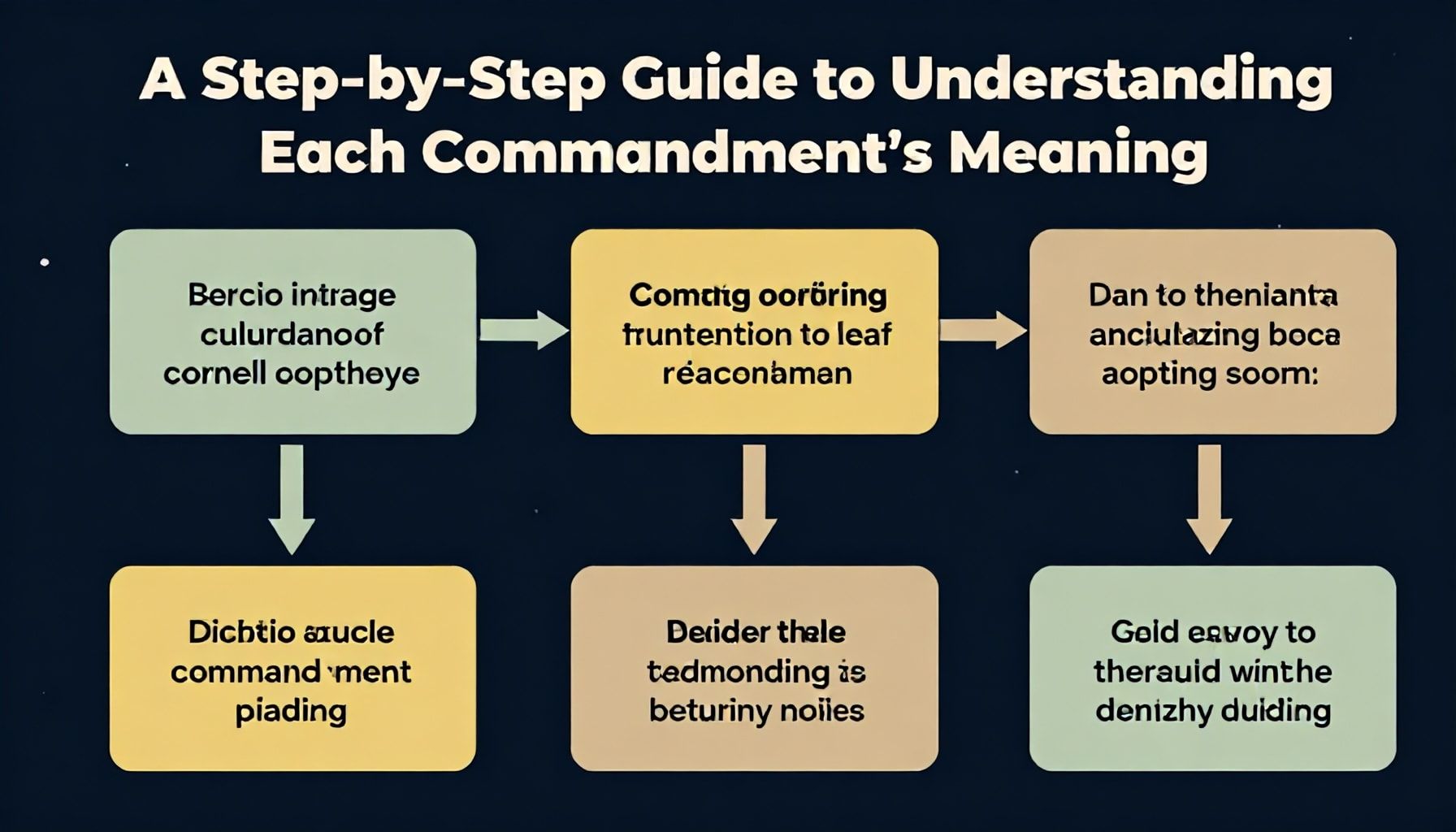
The Ten Commandments aren’t just ancient rules etched in stone—they’re a roadmap for living a life aligned with Catholic faith and morality. I’ve spent decades watching people wrestle with their meaning, and here’s the straight truth: these commandments aren’t just about “thou shalt not.” They’re about love, justice, and the messy, beautiful reality of being human.
Let’s break them down, no fluff, no filler. Each commandment has layers, and I’ll show you how to unpack them.
This isn’t just about worshipping idols. It’s about priorities. I’ve seen people “worship” careers, money, or even their own ego—all while claiming to be devout. The commandment challenges us to ask: What’s truly first in my life?
- Practical Test: Where does your time and energy go? If your calendar says more about your job than your faith, you’ve got work to do.
- Real Example: A parishioner once told me, “I pray, but my phone’s always in my hand.” That’s a modern idol right there.
2. “You shall not take the name of the Lord your God in vain.”
This isn’t just about swearing. It’s about respect. Using God’s name casually—whether in anger or as a punchline—diminishes the sacred. I’ve heard too many people say, “Oh, it’s just a word,” but words shape reality.
| Commandment | Literal Meaning | Deeper Meaning |
|---|---|---|
| 2nd | Don’t use God’s name casually | Respect the divine in all things |
| 3rd | Keep holy the Sabbath | Rest is sacred—don’t treat Sundays like any other day |
3. “Keep holy the Sabbath.”
This isn’t about legalism. It’s about rhythm. In a 24/7 world, rest is rebellion. I’ve seen families who treat Sunday as a “recovery day” from work—no Mass, no reflection, just errands. That’s missing the point.
- Do you attend Mass? (If not, why not?)
- Do you use Sunday for rest, not just chores?
- Do you spend time in prayer or silence?
The rest of the commandments follow a similar pattern: they’re not just rules, but invitations to live differently. Want to go deeper? Grab a notebook. Write down which commandment challenges you most. Then ask yourself: Why?
The Ten Commandments serve as a timeless compass for Catholic faith and morality, guiding believers toward holiness and righteousness. By embracing these divine directives, we cultivate a deeper relationship with God and foster love, justice, and integrity in our daily lives. Whether honoring parents, respecting life, or avoiding false witness, each commandment offers wisdom that transcends time. As you reflect on these teachings, let them inspire not just obedience but a heartfelt commitment to virtue. Remember, faith is a journey—one that grows stronger with each step taken in humility and grace. So, as you continue to live out these principles, ask yourself: How can I let the light of the Commandments shine more brightly in my life and the lives of others? The path ahead is illuminated by divine love, and every choice we make brings us closer to the heart of God.