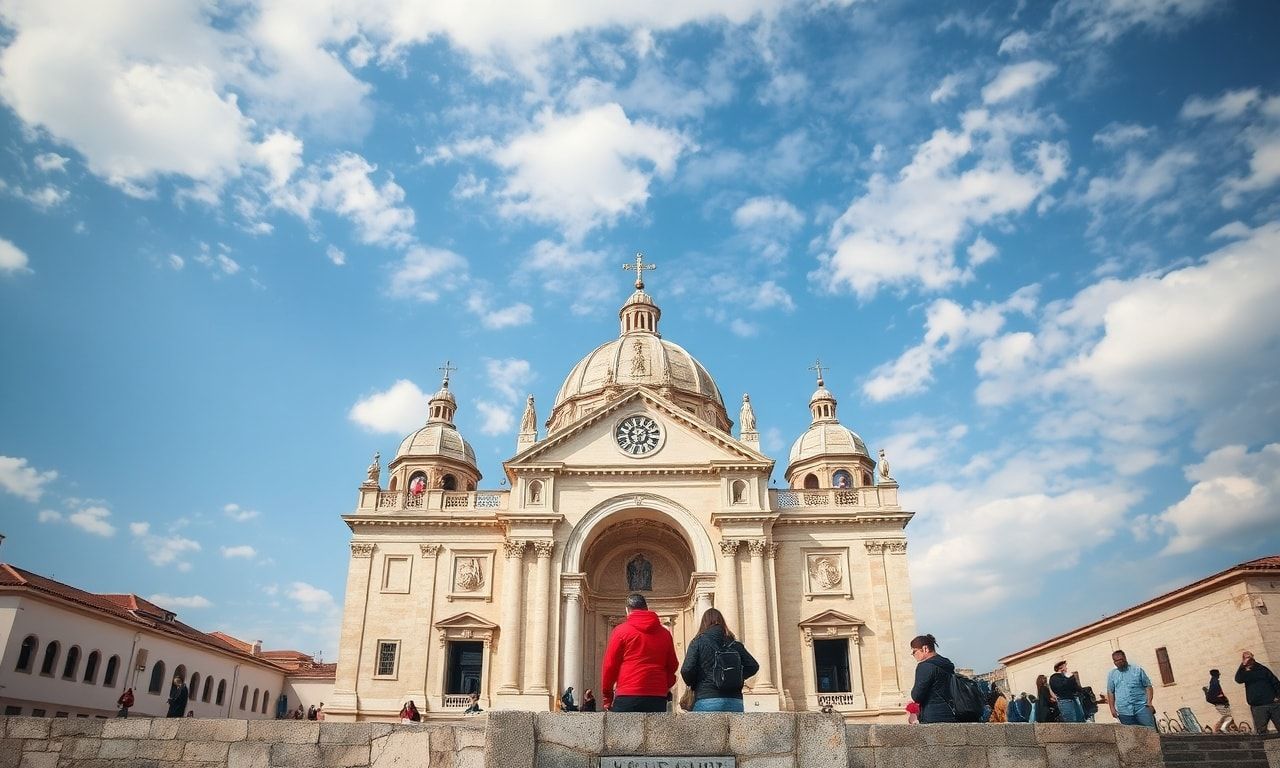
The Call to Journey
Pilgrimage has been a profound expression of faith throughout the history of Catholicism. It is a journey that transcends the physical, becoming a spiritual odyssey that draws pilgrims closer to their faith and to the divine. The act of pilgrimage is rooted in the desire to seek spiritual renewal, to honor saints, or to visit sacred sites that hold significant religious importance. This journey is not merely about the destination but about the transformation that occurs along the way.
In the Catholic tradition, pilgrimages are often undertaken to sites associated with the life of Jesus Christ, the Virgin Mary, or the saints. These journeys are seen as a way to deepen one’s relationship with God and to seek intercession from the saints. The physical act of traveling to these holy places is a metaphor for the spiritual journey that every believer undertakes in their faith.
Historical Context of Pilgrimages
The practice of pilgrimage dates back to the early days of Christianity. The earliest pilgrims traveled to Jerusalem, the holy city where Jesus lived, taught, and was crucified. Over time, other sites gained significance, such as Rome, the seat of the papacy, and Santiago de Compostela, where the remains of Saint James the Great are believed to be buried. These pilgrimages were not only acts of devotion but also opportunities for education and community building among believers.
During the Middle Ages, pilgrimages became even more popular, with many people undertaking these journeys as a form of penance or to seek healing. The roads to these holy sites were lined with hospitals and inns to accommodate the pilgrims, and the journey itself became a communal experience. This tradition continues today, with millions of Catholics embarking on pilgrimages each year to seek spiritual growth and renewal.
The Spiritual Benefits of Pilgrimage
Pilgrimage offers numerous spiritual benefits to those who undertake it. The physical act of traveling to a holy site can be a powerful reminder of the journey of faith that every believer is on. It is a time to reflect on one’s life, to seek forgiveness, and to deepen one’s relationship with God. The pilgrimage can also be a time of physical and emotional healing, as pilgrims often report feeling a sense of peace and renewal upon their return.
In addition to the personal benefits, pilgrimages also serve as a way to connect with the broader Catholic community. Pilgrims often travel in groups, sharing their experiences and supporting each other along the way. This sense of community can be a powerful reminder of the universal nature of the Catholic faith and the importance of fellowship among believers. For more informations utiles conseils quotidiens on planning a pilgrimage, resources like informations utiles conseils quotidiens can be invaluable.
Preparing for a Pilgrimage
Preparing for a pilgrimage involves both practical and spiritual considerations. On a practical level, pilgrims need to plan their route, secure necessary travel documents, and ensure they have the appropriate gear for the journey. This might include comfortable walking shoes, weather-appropriate clothing, and any necessary medical supplies. It is also important to research the destination and understand any cultural or religious customs that may be observed.
Spiritually, preparing for a pilgrimage involves a period of reflection and prayer. Pilgrims often spend time in prayer and meditation, seeking guidance and strength for the journey ahead. It can also be helpful to set specific intentions for the pilgrimage, such as seeking healing, forgiveness, or a deeper understanding of one’s faith. This spiritual preparation can help to focus the mind and heart on the journey ahead and ensure that the pilgrimage is a meaningful and transformative experience.
The Journey and Its Challenges
The journey of a pilgrimage can be both physically and emotionally challenging. Pilgrims may face long days of walking, unfamiliar terrain, and the physical strain of travel. However, these challenges can also be seen as opportunities for growth and self-discovery. The physical discomfort can serve as a reminder of the sacrifices that Jesus made and the hardships that many saints endured in their faith.
Emotionally, the journey can be a time of deep reflection and introspection. Pilgrims may confront their fears, doubts, and insecurities, and use this time to seek spiritual guidance and strength. The journey can also be a time of joy and celebration, as pilgrims connect with fellow believers and share in the communal experience of faith. The challenges of the journey can ultimately lead to a deeper sense of resilience and faith.
Arrival and Reflection
Upon arriving at the destination, pilgrims often experience a profound sense of accomplishment and gratitude. The physical and emotional journey has led them to a place of spiritual significance, where they can reflect on their experiences and seek deeper meaning. This can be a time of prayer, meditation, and thanksgiving, as pilgrims express their gratitude for the journey and the blessings they have received.
The return home is also an important part of the pilgrimage experience. Pilgrims often bring back with them a renewed sense of faith and a deeper understanding of their spiritual journey. They may share their experiences with others, inspiring them to undertake their own journeys of faith. The pilgrimage can also serve as a reminder of the importance of continuing the spiritual journey, even after the physical journey has ended.
In conclusion, pilgrimage is a powerful expression of faith that offers numerous spiritual benefits to those who undertake it. From the historical context of pilgrimages to the practical and spiritual preparation involved, the journey of a pilgrimage is a transformative experience that can deepen one’s relationship with God and the broader Catholic community. Whether seeking healing, forgiveness, or a deeper understanding of one’s faith, the journey of pilgrimage is a profound and meaningful experience that can inspire and uplift the soul.
To stay informed about recent developments that may impact our spiritual communities, consider exploring global and local updates from the first half of 2023.