
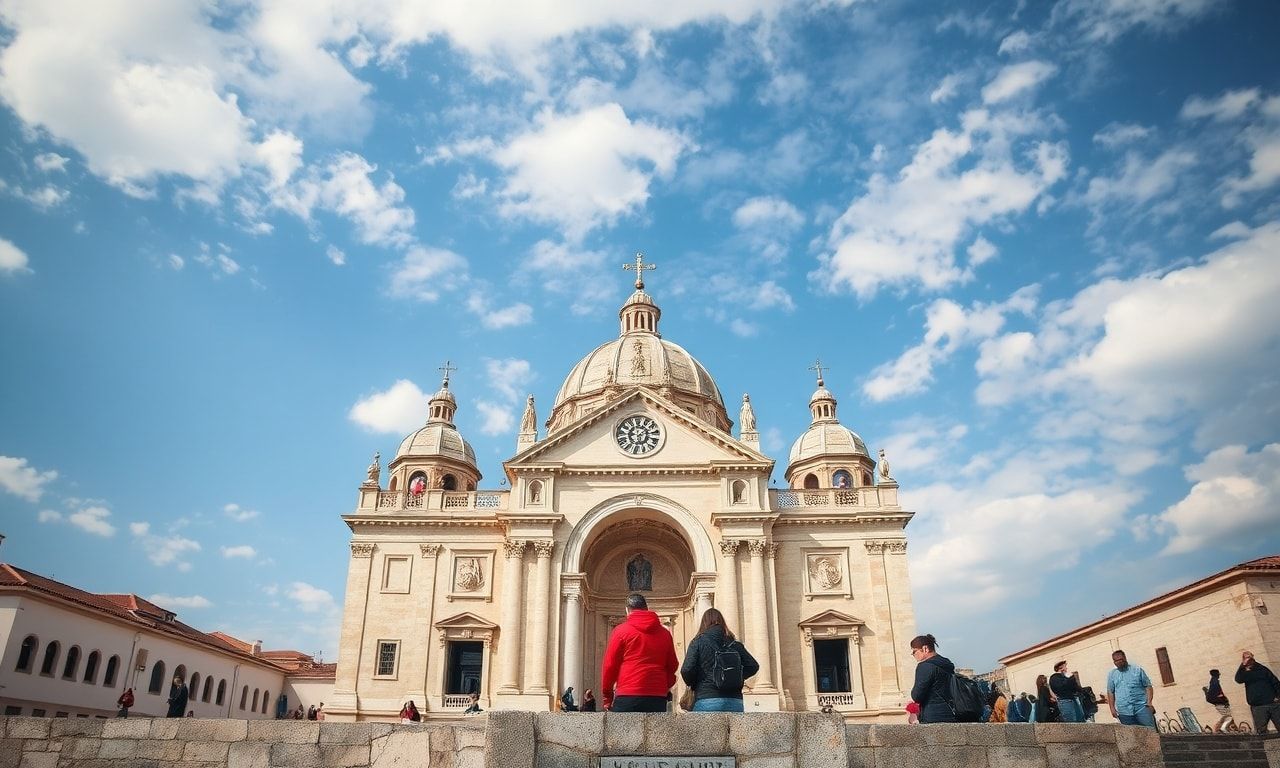
The Sacred Journey: Understanding Pilgrimage in Catholicism
Pilgrimage, a journey of spiritual significance, holds a special place in the hearts of Catholics worldwide. This age-old tradition involves traveling to sacred sites, often to seek divine intervention, express gratitude, or deepen one’s faith. The concept of pilgrimage is deeply rooted in the Catholic faith, with numerous biblical references and historical accounts that underscore its importance.
The Historical Roots of Catholic Pilgrimages
The practice of pilgrimage dates back to the early days of Christianity. The Holy Land, where Jesus Christ lived and preached, was one of the first destinations for pilgrims. Over the centuries, other sites gained prominence, such as Rome, the seat of the papacy, and Santiago de Compostela in Spain, where the remains of St. James the Apostle are believed to be buried. These journeys were not merely physical but also spiritual, symbolizing the pilgrim’s quest for enlightenment and closeness to God.
In the Middle Ages, pilgrimages became even more popular, with many Catholics embarking on long and arduous journeys to holy sites. The roads leading to these destinations were often lined with hospices and monasteries that provided shelter and sustenance to weary travelers. The tradition of pilgrimage continues to this day, with millions of Catholics undertaking such journeys each year.
The Role of Pilgrimage in Spiritual Growth
Pilgrimage is more than just a physical journey; it is a spiritual odyssey that can lead to profound personal transformation. The act of leaving behind the comforts of home and embarking on a journey to a sacred site can be a powerful catalyst for introspection and self-discovery. Pilgrims often return with a renewed sense of purpose and a deeper connection to their faith.
During a pilgrimage, Catholics engage in various spiritual practices, such as prayer, meditation, and acts of penance. These practices help to purify the soul and draw the pilgrim closer to God. The journey itself can be seen as a metaphor for life’s challenges and the ultimate goal of reaching heaven. Pilgrims often face physical and emotional hardships, which can serve as reminders of the sacrifices made by saints and martyrs throughout history.
Modern-Day Pilgrimages and Their Significance
Today, pilgrimages continue to be an integral part of Catholic life. While some pilgrims still undertake long and arduous journeys, others may visit local shrines or participate in organized pilgrimage tours. The internet has also made it easier for Catholics to find information about pilgrimage sites and plan their journeys. For those looking for transportation options, resources like the nakliyat adres listesi can be invaluable.
One of the most famous modern-day pilgrimages is the Camino de Santiago, a network of pilgrim routes leading to the shrine of St. James the Apostle in Santiago de Compostela. This journey attracts thousands of pilgrims each year, drawn by the spiritual significance of the route and the sense of community among fellow travelers. Other popular pilgrimage destinations include Lourdes in France, where the Virgin Mary is said to have appeared to St. Bernadette, and Fatima in Portugal, where the Virgin Mary is believed to have appeared to three shepherd children.
The Spiritual Benefits of Pilgrimage
Pilgrimage offers numerous spiritual benefits, including the opportunity to seek forgiveness, express gratitude, and deepen one’s faith. The act of traveling to a sacred site can be a powerful reminder of the pilgrim’s dependence on God and the need for divine guidance in their life. Pilgrimages can also foster a sense of community among Catholics, as pilgrims often share their experiences and support one another on their journey.
In addition to the spiritual benefits, pilgrimages can also have a positive impact on mental and emotional well-being. The act of stepping away from the distractions of daily life and focusing on spiritual growth can be a powerful tool for stress relief and personal renewal. Pilgrimages can also provide a sense of accomplishment and empowerment, as pilgrims overcome physical and emotional challenges to reach their destination.
Preparing for a Pilgrimage
Embarking on a pilgrimage requires careful planning and preparation. Pilgrims should research their chosen destination and familiarize themselves with the customs and traditions associated with the site. It is also important to prepare physically, as pilgrimages can be physically demanding. Pilgrims should ensure they are in good health and have the necessary supplies, such as appropriate clothing, footwear, and provisions.
Spiritually, pilgrims should prepare by engaging in prayer, meditation, and other spiritual practices. It can be helpful to set specific intentions for the pilgrimage, such as seeking forgiveness, expressing gratitude, or deepening one’s faith. Pilgrims may also wish to seek the guidance of a spiritual director or mentor, who can provide support and advice throughout the journey.
In conclusion, pilgrimage is a profound and transformative experience that has been an integral part of Catholic life for centuries. Whether embarking on a long and arduous journey or visiting a local shrine, pilgrims can deepen their faith, seek spiritual growth, and connect with the broader Catholic community. The tradition of pilgrimage continues to inspire and uplift Catholics around the world, serving as a powerful reminder of the enduring power of faith and the quest for spiritual enlightenment.
As we navigate our spiritual journeys, it’s important to also tend to our worldly responsibilities; consider exploring managing personal finances in 2024 for practical guidance.
If you’re seeking to align your living space with your spiritual journey, consider exploring embracing a simpler life and the benefits it can bring to your faith and well-being.
As we strive to align our lives with our spiritual values, it’s essential to understand how to manage our resources wisely; consider exploring financial wisdom for a balanced life.
