
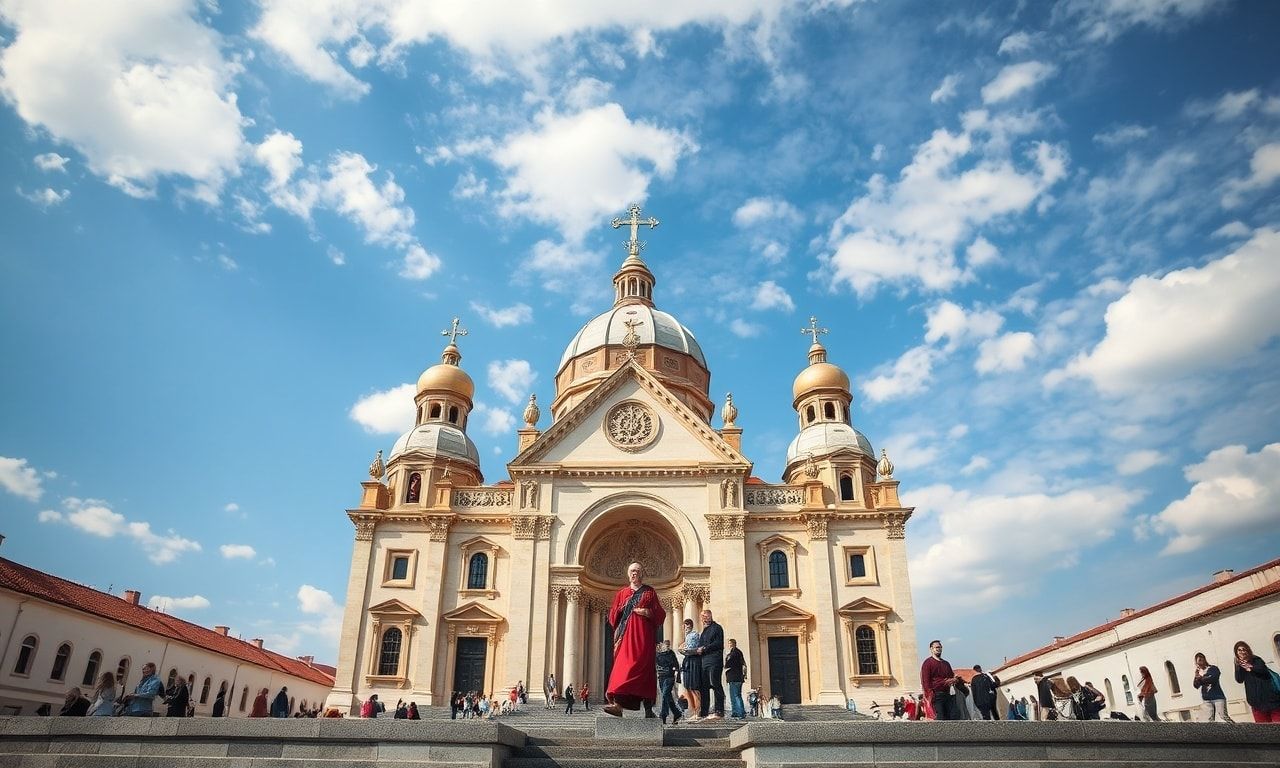
The Call to Journey: Understanding Pilgrimage
Pilgrimage, a journey of spiritual significance, has been a cornerstone of Catholic devotion for centuries. It is more than just a physical voyage; it is a spiritual quest that draws pilgrims closer to their faith and the divine. The act of pilgrimage is deeply rooted in the Catholic tradition, with the Bible itself replete with stories of journeys undertaken for spiritual reasons. From Abraham’s journey to the Promised Land to the Israelites’ exodus from Egypt, these narratives underscore the spiritual importance of travel and exploration.
The Sacred Destinations: Where Faith Meets the Divine
The Catholic Church recognizes several holy sites as destinations for pilgrimage. The most notable among these are Rome, the Vatican, and the Holy Land, which includes Jerusalem, Bethlehem, and Nazareth. Each of these places holds profound spiritual significance, offering pilgrims a chance to walk in the footsteps of saints and biblical figures. For instance, Rome, as the heart of Catholicism, is home to St. Peter’s Basilica, the Vatican Museums, and the Sistine Chapel, all of which are steeped in religious history and artistry.
When embarking on such spiritual journeys, it’s essential to be prepared. Packing efficiently is key, and resources like wardrobe essentials for travel can be invaluable for ensuring a smooth and comfortable trip. Whether it’s a short journey to a local shrine or a long-haul flight to a distant holy site, having the right travel gear can enhance the overall pilgrimage experience.
The Spiritual Benefits of Pilgrimage
Pilgrimage offers numerous spiritual benefits. It provides an opportunity for deep reflection, prayer, and penance. The physical act of traveling to a sacred site can be a form of penance, a way to atone for sins and seek forgiveness. Additionally, pilgrimage fosters a sense of community among believers, as pilgrims often travel in groups, sharing their faith and experiences with one another. This communal aspect can strengthen one’s faith and provide a support system during the journey.
The spiritual rewards of pilgrimage are manifold. Pilgrims often report feeling a deeper connection to their faith and a renewed sense of purpose. The act of visiting holy sites can be a transformative experience, inspiring pilgrims to live more virtuous lives and deepen their commitment to their faith. Moreover, pilgrimage can be a source of healing and comfort, offering solace to those who are struggling with personal or spiritual challenges.
Preparing for the Journey: Practical Tips for Pilgrims
Embarking on a pilgrimage requires careful planning and preparation. Here are some practical tips to help you get ready for your spiritual journey:
- Research Your Destination: Familiarize yourself with the holy site you plan to visit. Learn about its history, significance, and any specific customs or rituals associated with it.
- Plan Your Itinerary: Create a detailed itinerary that includes travel dates, accommodation, and any special events or services you wish to attend. This will help you make the most of your time and ensure a smooth journey.
- Pack Wisely: Pack light but bring essential items such as comfortable walking shoes, weather-appropriate clothing, and any religious artifacts or devotional items that are important to you. Consider investing in wardrobe essentials for travel to make your journey more comfortable and organized.
- Seek Spiritual Guidance: Consult with your parish priest or a spiritual advisor for guidance and blessings before your departure. They can offer valuable insights and prayers to support you on your journey.
- Stay Open and Receptive: Approach your pilgrimage with an open heart and mind. Be receptive to the spiritual experiences and encounters that come your way, and allow them to deepen your faith and understanding.
The Pilgrimage Experience: A Journey of Faith and Discovery
The pilgrimage experience is unique for each individual, shaped by their personal faith, intentions, and the specific holy site they visit. For some, it may involve walking long distances, such as the Camino de Santiago in Spain, a journey that symbolizes the spiritual path towards enlightenment. For others, it may involve participating in special liturgies, attending Mass at significant basilicas, or engaging in acts of devotion like the Stations of the Cross.
Regardless of the form it takes, the pilgrimage experience is often marked by moments of profound spiritual insight and connection. Pilgrims may feel a deep sense of peace, a renewed sense of purpose, or even a miraculous intervention in their lives. These experiences can be life-changing, inspiring pilgrims to live their faith more authentically and compassionately.
Sharing the Journey: The Role of Community in Pilgrimage
Pilgrimage is not just an individual journey; it is also a communal experience. Traveling with others who share your faith can provide a sense of camaraderie and support. Pilgrims often form strong bonds with one another, sharing their stories, prayers, and hopes. This sense of community can be a source of strength and encouragement, helping pilgrims to persevere through the challenges of the journey.
Moreover, the act of pilgrimage can have a ripple effect, inspiring others to deepen their faith and embark on their own spiritual journeys. By sharing their experiences and insights, pilgrims can become ambassadors of faith, spreading the message of hope, love, and redemption to others.
Conclusion: The Enduring Significance of Pilgrimage
Pilgrimage remains a vital and meaningful practice within Catholicism, offering believers a unique opportunity to deepen their faith, seek spiritual renewal, and connect with the divine. Whether it’s a journey to a local shrine or a far-off holy site, the act of pilgrimage is a powerful expression of devotion and a testament to the enduring significance of faith in the lives of believers. As you prepare for your own pilgrimage, may you find inspiration, guidance, and the grace to embark on this sacred journey with an open heart and a spirit of devotion.
For a deeper understanding of this topic, Innovative Agricultural Practices: Chia Seed Farming offers valuable insights worth exploring.
