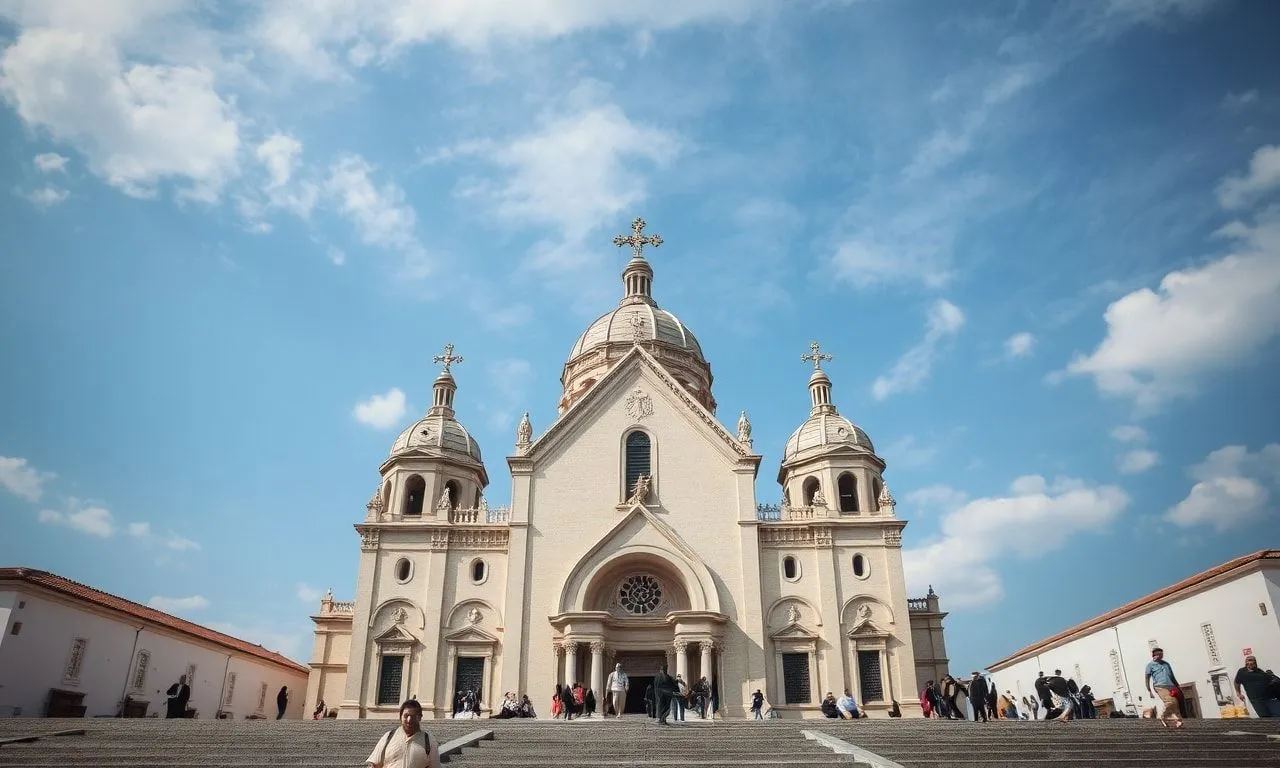
The Call to Pilgrimage
Pilgrimage, a journey undertaken for religious reasons, holds a profound place in the Catholic faith. It is a practice that dates back to the earliest days of Christianity and continues to be a vital expression of devotion. The act of pilgrimage is more than just a physical journey; it is a spiritual odyssey that draws pilgrims closer to God and their faith. This article explores the spiritual significance of pilgrimage from a Catholic perspective, highlighting its transformative power and enduring relevance.
The Historical Roots of Pilgrimage
The tradition of pilgrimage is deeply rooted in the history of the Catholic Church. From the early centuries, Christians have traveled to holy sites to seek spiritual renewal and divine intervention. The Holy Land, Rome, and Santiago de Compostela are among the most revered destinations. Each site is imbued with historical and spiritual significance, offering pilgrims a tangible connection to the life and teachings of Jesus Christ and the saints. The practice of pilgrimage has evolved over the centuries, but its core purpose remains unchanged: to deepen one’s faith and seek spiritual growth.
Notable Pilgrimage Sites
Some of the most notable pilgrimage sites include:
- Jerusalem: The birthplace of Christianity, where Jesus lived, preached, and was crucified and resurrected.
- Rome: The heart of the Catholic Church, home to the Vatican and the tombs of St. Peter and St. Paul.
- Santiago de Compostela: A major pilgrimage destination in Spain, where the remains of St. James the Apostle are believed to be buried.
- Lourdes: A town in France known for its healing springs and the apparitions of the Virgin Mary.
The Spiritual Benefits of Pilgrimage
Pilgrimage offers numerous spiritual benefits that can transform the lives of those who undertake it. It provides an opportunity for deep reflection, prayer, and penance. The physical journey often mirrors the spiritual journey, with challenges and obstacles serving as metaphors for the struggles of faith. Pilgrims often return with a renewed sense of purpose, a deeper understanding of their faith, and a stronger connection to the global Catholic community. The act of pilgrimage can also foster a sense of humility and gratitude, as pilgrims rely on the generosity and hospitality of others along the way.
Personal Transformation
One of the most profound aspects of pilgrimage is its potential for personal transformation. The physical and spiritual demands of the journey can lead to a deeper understanding of oneself and one’s relationship with God. Many pilgrims report experiencing a sense of peace, clarity, and spiritual renewal that lasts long after the journey ends. The act of pilgrimage can also serve as a powerful form of penance, allowing individuals to seek forgiveness and make amends for past sins. This transformative power is a testament to the enduring relevance of pilgrimage in the Catholic faith.
The Role of Pilgrimage in Catholic Tradition
Pilgrimage plays a crucial role in Catholic tradition, serving as a tangible expression of faith and devotion. It is a practice that is deeply embedded in the liturgical calendar and the lives of the faithful. The Church encourages pilgrimage as a means of spiritual growth and renewal, and many dioceses and parishes organize pilgrimages to holy sites each year. These organized pilgrimages provide a sense of community and support, allowing pilgrims to share their experiences and strengthen their faith together. The Church also recognizes the spiritual significance of pilgrimage, offering indulgences to those who undertake the journey with a contrite heart and a sincere desire for spiritual growth.
Indulgences and Pilgrimage
Indulgences are a longstanding tradition in the Catholic Church, offering forgiveness for temporal punishment due to sin. Pilgrimage is one of the ways in which the faithful can earn indulgences. By visiting holy sites and engaging in acts of devotion, pilgrims can seek forgiveness and spiritual renewal. The Church encourages pilgrims to approach the journey with a humble and contrite heart, seeking to deepen their faith and strengthen their relationship with God. The practice of indulgence is a powerful reminder of the Church’s role in guiding the faithful on their spiritual journey.
Preparing for a Pilgrimage
Preparing for a pilgrimage requires careful planning and a deep sense of spiritual purpose. It is important to choose a destination that holds personal significance and to seek guidance from the Church and experienced pilgrims. Physical preparation is also essential, as pilgrimages can be physically demanding. Many pilgrims choose to walk or cycle to their destination, embracing the physical challenges as part of their spiritual journey. It is also important to prepare spiritually, engaging in prayer, reflection, and acts of penance in the months leading up to the journey. This preparation can help pilgrims approach the journey with a clear sense of purpose and a deep desire for spiritual growth.
Essential Items for Pilgrimage
When preparing for a pilgrimage, it is important to pack essential items that will support both physical and spiritual needs. Some essential items include:
- Comfortable Footwear: A good pair of walking shoes is essential for any pilgrimage, as many journeys involve long distances and varied terrain.
- Spiritual Reading: Books, prayer cards, and other spiritual materials can provide comfort and guidance along the way.
- First Aid Kit: A basic first aid kit can help address minor injuries and ailments that may arise during the journey.
- Prayer Beads or Rosary: These items can provide a tangible connection to the faith and serve as a reminder of the spiritual purpose of the journey.
- Water and Snacks: Staying hydrated and nourished is essential for maintaining energy and focus during the journey.
In addition to these physical preparations, it is important to seek out resources and support from the Catholic community. Websites like kampalanları en iyi markaları can provide valuable information and guidance for those planning a pilgrimage. These resources can help pilgrims navigate the practical aspects of the journey, ensuring a safe and meaningful experience.
Conclusion
Pilgrimage is a profound and transformative practice that holds a central place in the Catholic faith. It offers a unique opportunity for spiritual growth, personal reflection, and community building. The act of pilgrimage is deeply rooted in the history and tradition of the Church, providing a tangible connection to the faith and its teachings. As Catholics continue to embrace the practice of pilgrimage, they are reminded of the enduring relevance of this spiritual journey and its power to transform lives. Whether traveling to a distant holy site or embarking on a local pilgrimage, the faithful are invited to approach the journey with an open heart and a deep desire for spiritual renewal.
As stewards of our resources, it’s essential to make informed financial decisions; consider exploring wise financial management practices to align your investments with your values and long-term goals.
As stewards of God’s creation, many are seeking ways to live more sustainably; explore eco-friendly property trends to see how faith and environmental responsibility intersect in modern living.
In our digital age, even spiritual and religious communities must prioritize online safety; discover why securing educational platforms matters in this insightful article.