
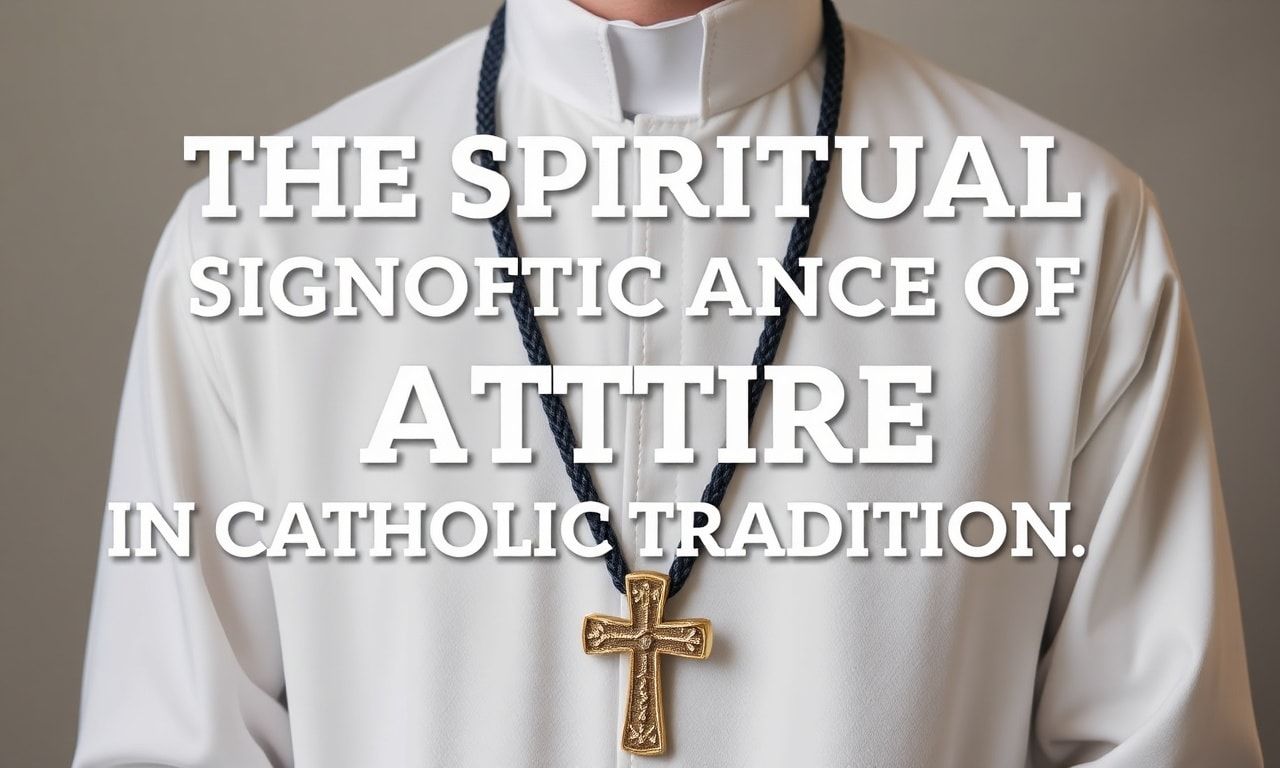
The Intersection of Faith and Fashion
The relationship between faith and fashion might seem unlikely at first glance, but within the Catholic tradition, the way one dresses can carry profound spiritual significance. Clothing is not merely a practical necessity; it can be a visible expression of one’s inner faith and commitment to religious values. This article explores the spiritual dimensions of dress in Catholic tradition, offering insights into how believers can align their outward appearance with their inner devotion.
Theological Foundations
The Catholic Church has long recognized the importance of dress as a reflection of one’s spiritual state. The Bible itself contains numerous references to clothing as a symbol of righteousness, purity, and divine favor. For instance, in the Book of Revelation, the faithful are described as wearing white robes, symbolizing their purity and holiness. Similarly, the parable of the wise and foolish virgins (Matthew 25:1-13) underscores the importance of being prepared, which can be extended metaphorically to the way one presents oneself in the world.
St. Paul also addresses the topic of dress in his epistles, advising Christians to dress modestly and decently, avoiding extravagance and ostentation. This guidance is rooted in the belief that one’s outward appearance should reflect an inner humility and reverence for God. The Catechism of the Catholic Church further elaborates on the importance of modesty, emphasizing that dress should not lead others into sin or distraction but should instead foster a sense of respect and dignity.
Historical Perspectives
Throughout history, Catholic tradition has placed a strong emphasis on the role of dress in religious life. The liturgical vestments worn by clergy during Mass are rich in symbolism, each color and garment representing different aspects of the faith. For example, the white alb symbolizes purity, while the chasuble, worn over the alb, signifies the yoke of Christ. These vestments serve as a visual reminder of the sacred nature of the liturgy and the role of the clergy in mediating between the divine and the human.
For laypeople, historical dress codes often reflected religious values as well. Modesty was highly valued, and clothing was designed to cover the body appropriately, avoiding immodesty and excess. Even today, many Catholic women choose to wear a veil or mantilla during Mass as a sign of reverence and submission to God. This practice, known as veiling, is a powerful expression of faith and a visible reminder of the sacredness of the Eucharist.
Modern Applications
In contemporary society, the principles of modest and respectful dress remain relevant for Catholics. While fashion trends may change, the underlying values of modesty, humility, and reverence endure. For those seeking guidance on how to dress in a way that aligns with Catholic teachings, resources like conseils style vestimentaire can offer practical advice on achieving a stylish yet modest wardrobe. The key is to strike a balance between personal expression and the spiritual values of the faith.
One practical way to incorporate these principles into daily life is to choose clothing that is both fashionable and modest. This might include wearing skirts or dresses that fall below the knee, avoiding overly tight or revealing clothing, and opting for simple, elegant styles that do not draw undue attention. Accessories can also play a role, with items like crucifixes or rosary beads serving as subtle yet powerful expressions of faith.
The Role of Dress in Sacred Rituals
Beyond everyday life, dress plays a crucial role in sacred rituals and sacraments. For example, during the sacrament of Baptism, the white garment worn by the baptized symbolizes the new life in Christ. Similarly, the wedding dress worn by a bride during the sacrament of Matrimony represents purity and the sacredness of the marital bond. These rituals underscore the deep connection between dress and spiritual significance within the Catholic tradition.
Even in moments of personal prayer and reflection, the way one dresses can enhance the spiritual experience. Wearing comfortable yet respectful clothing during prayer can help create a sense of reverence and focus, allowing the individual to connect more deeply with God. This practice is particularly important during periods of fasting, penance, or other forms of spiritual discipline, where the body is seen as a temple of the Holy Spirit.
Conclusion
The spiritual significance of dress in Catholic tradition is a multifaceted and deeply meaningful aspect of the faith. From the theological foundations to the historical practices and modern applications, clothing serves as a powerful expression of one’s commitment to God and the values of the Church. By embracing modest and respectful dress, Catholics can align their outward appearance with their inner devotion, creating a harmonious and holistic expression of faith. Whether through liturgical vestments, everyday attire, or sacred rituals, the way one dresses can be a profound and visible testament to the beauty and depth of the Catholic tradition.
In our journey of nurturing young minds with faith and confidence, consider the benefits of swimming lessons for children as a tool for their growth and self-assurance.
Delve into a unique exploration of how fashion and current events intersect, offering a fresh perspective that may resonate with our shared spiritual journey, in a thought-provoking Vegas article.
