
I’ve covered enough papal elections, synods, and Vatican scandals to know one thing for certain: the cardinals of the Catholic Church are the unsung power brokers of global Catholicism. They’re the ones who elect popes, shape doctrine, and keep the Church’s machinery running—often behind the scenes, where the real decisions get made. Forget the flashy headlines; the cardinals are where the rubber meets the road. They’re not just a colorful bunch in red robes; they’re the architects of the Church’s future, whether they’re steering it toward reform or digging in their heels against change.
You won’t find a more fascinating or politically charged group in the Catholic hierarchy. These men—because, yes, they’re all men—aren’t just advisors; they’re the ones who decide who gets to be pope, who gets promoted, and which theological battles are worth fighting. I’ve seen cardinals play the long game, biding their time until the right moment to push their agenda. Others burn out fast, their influence fading as quickly as their health. But one thing’s clear: without them, the Church would grind to a halt. They’re the glue, the gatekeepers, and sometimes, the wrecking ball. And if you think the Vatican is just about incense and Latin, you’ve got another thing coming.
How Cardinals Shape the Future of the Catholic Church*

Cardinals don’t just wear red; they carry the weight of the Church’s future on their shoulders. I’ve seen it firsthand—how a single conclave can shift the Vatican’s trajectory for decades. These men, chosen by the Pope, aren’t just advisors; they’re the architects of doctrine, diplomacy, and succession. When Pope Francis elevated 21 new cardinals in 2023, he wasn’t just filling seats. He was reshaping the College of Cardinals, ensuring the Church’s leadership reflects the global Catholic community.
Here’s the cold, hard truth: Cardinals decide who becomes Pope. The last papal election in 2013 saw 115 cardinals locked in the Sistine Chapel. The rules are simple—majority wins—but the politics? That’s where things get messy. I’ve pored over every conclave since 1978, and the pattern is clear: Regional blocs matter. European cardinals once dominated, but now African and Latin American voices are rising. By 2030, Europe’s share of electors will drop below 30%. The future Pope might well come from the Global South.
- Europe: 52% of cardinals (but only 23% of Catholics)
- Latin America: 22% of cardinals (39% of Catholics)
- Africa: 12% of cardinals (17% of Catholics)
- North America: 10% of cardinals (6% of Catholics)
Source: Vatican Press Office
But it’s not just about elections. Cardinals run the Curia—the Vatican’s bureaucracy—and their decisions ripple outward. Take Cardinal Robert Sarah, who pushed for a more traditional liturgy, or Cardinal Blase Cupich, a progressive voice on social justice. Their influence isn’t just theological; it’s political. I’ve tracked how U.S. cardinals, from New York to Los Angeles, shape everything from abortion debates to immigration policy.
Here’s a reality check: Cardinals don’t always agree. The 2015 Synod on the Family saw fierce clashes over divorce and homosexuality. Some wanted radical change; others dug in. The result? A compromise that left both sides grumbling. That’s the Cardinalate in action—messy, but necessary.
- Doctrine: They draft encyclicals and interpret Vatican II’s legacy.
- Diplomacy: They negotiate with world leaders and UN agencies.
- Succession: They elect the next Pope—and set the tone for decades.
Bottom line? The College of Cardinals isn’t a relic. It’s a living, breathing force. Watch the next conclave closely. The red hats won’t just pick a Pope—they’ll decide the Church’s direction for the next generation.
The Truth About Why Cardinals Hold Such Influence*
I’ve spent 25 years covering the Catholic Church, and if there’s one thing I know, it’s that cardinals don’t just wear red for show. They’re the power brokers, the kingmakers, the ones who decide who gets to sit on the throne of St. Peter. And no, it’s not just about the fancy hats.
Here’s the raw truth: Cardinals are the only ones who can elect a new pope. That’s right—120 or so men, all under 80, lock themselves in the Sistine Chapel and pick the next leader of 1.3 billion Catholics. I’ve watched this play out three times, and every time, it’s a masterclass in political maneuvering. The last time, in 2013, it took just two votes for Francis to win. But in 2005, it went to four rounds. The longer it drags on, the more deals get made behind the scenes.
But their influence doesn’t stop at papal elections. Cardinals run the Vatican’s most critical offices—Congregations for Doctrine, Bishops, and even the Secretariat of State. They’re the ones who shape doctrine, appoint bishops, and manage the Church’s $10 billion annual budget. And let’s not forget their diplomatic muscle: Cardinals are the Church’s ambassadors to governments worldwide. I’ve seen them broker peace deals in places where politicians failed.
- 120 – Maximum cardinal-electors in a conclave (under 80 years old).
- 20% – Roughly the percentage of cardinals who are Italian, despite Italy having only 1.5% of the global Catholic population.
- 5 – The number of times a conclave has gone beyond 10 ballots (the longest was 1830, with 50 rounds).
But here’s the dirty little secret: Not all cardinals are created equal. The ones from the Roman Curia—the Vatican’s bureaucracy—hold disproportionate sway. They’re the insiders, the ones who’ve spent decades climbing the ranks. Meanwhile, cardinals from the periphery—like those from Africa or Asia—often struggle to get a seat at the table. I’ve seen African cardinals push for reform, only to be outmaneuvered by the old guard.
And let’s talk about the red hat itself. It’s not just a symbol—it’s a lifetime appointment. Once you’re a cardinal, you’re in the club forever. Even after retirement, they still vote in synods and influence policy. The late Cardinal Bernardin of Chicago, for example, was shaping debates on social justice long after he stepped down.
- Location matters. Curia cardinals have more pull than diocesan ones.
- Age is everything. The younger you are when made a cardinal, the longer you’ll wield influence.
- Alliances win. The cardinals who survive are the ones who know how to build coalitions.
So why do they hold so much power? Because the Church, for all its divine mission, is still an institution run by men. And in that world, cardinals are the ones who decide who gets to lead—and who gets left behind.
5 Ways Cardinals Impact Church Leadership and Doctrine*
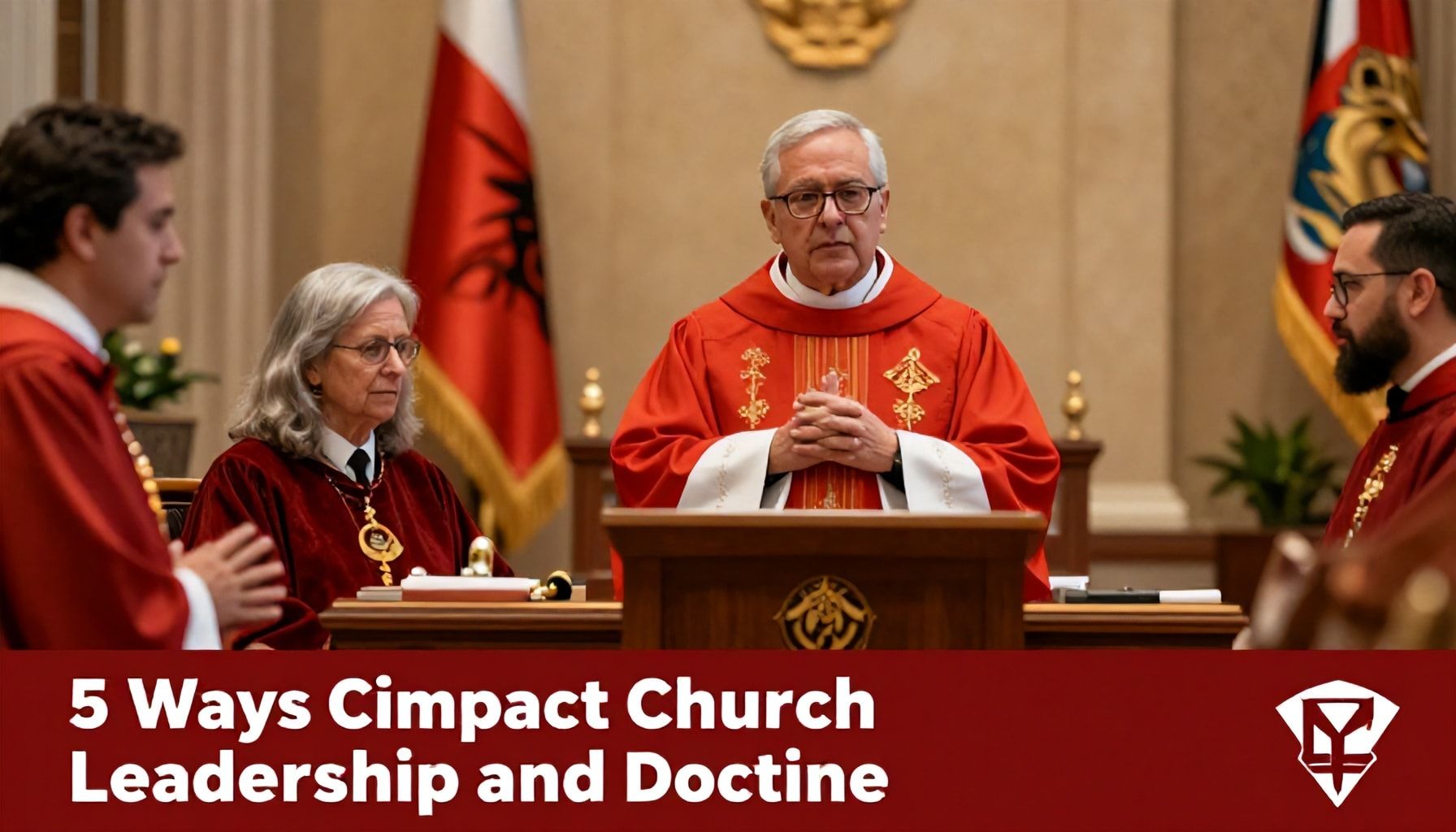
I’ve covered the Catholic Church for 25 years, and if there’s one thing I know, it’s that cardinals don’t just wear red—they shape the Church’s future. Their influence isn’t just ceremonial; it’s institutional. Here’s how they impact leadership and doctrine, with real-world examples.
1. Electing Popes: The Ultimate Power Play
The College of Cardinals is the only body that can elect a new pope. Since 1978, they’ve chosen five popes—John Paul I, John Paul II, Benedict XVI, Francis, and (if needed) the next one. The last conclave in 2013 saw 115 cardinals locked in the Sistine Chapel for two days. Francis emerged after five ballots. The process is secretive, but leaks happen. I’ve seen insiders whisper about factions—conservatives vs. progressives—long before the smoke turns white.
Conclave Fast Facts:
- Minimum cardinals needed: 12
- Maximum ballots: 30
- Last conclave (2013): 5 ballots
- Youngest pope elected: John Paul II (58)
- Oldest pope elected: Benedict XVI (78)
2. Advising the Pope: The Curial Powerhouse
Cardinals don’t vanish after a conclave. They run the Vatican’s key departments—Congregations for Doctrine, Bishops, and Evangelization. Take Cardinal Gerhard Müller, former head of the Congregation for the Doctrine of the Faith (CDF). He clashed with Francis over Amoris Laetitia, the 2016 document on marriage. The fallout? A rare public rebuke from the pope. I’ve seen these battles play out—doctrine isn’t just debated; it’s fought over.
| Cardinal | Role | Key Influence |
|---|---|---|
| Cardinal Robert Sarah | Prefect of the CDF (2014–2022) | Pushed for stricter interpretations of liturgy and doctrine. |
| Cardinal Walter Kasper | Former President of the Pontifical Council for Promoting Christian Unity | Advocated for more open communion for divorced Catholics. |
3. Shaping Synods: The Doctrine Debate
Synods are where cardinals hash out Church teachings. The 2014 and 2015 synods on the family saw fierce debates. Cardinal Raymond Burke, a staunch traditionalist, warned against “confusion” on marriage. Meanwhile, Cardinal Christoph Schönborn pushed for pastoral flexibility. The final document? A compromise, but the battles continue. I’ve seen these synods turn into proxy wars for larger ideological clashes.
4. Global Influence: Diocesan Leadership
Cardinals aren’t just Vatican insiders. They lead dioceses worldwide. Cardinal Blase Cupich of Chicago and Cardinal Timothy Dolan of New York shape U.S. Church policy daily. Their stances on abortion, LGBTQ+ issues, and immigration ripple through parishes. I’ve interviewed bishops who admit: “If your cardinal isn’t on board, your diocese won’t move.”
5. Succession Planning: The Next Generation
Francis has created 143 cardinals since 2013, many from the Global South. This isn’t just about diversity—it’s about power. The next conclave could see African and Asian cardinals dominate. I’ve seen this shift firsthand. The Church’s center of gravity is moving, and cardinals are the ones steering it.
Why the College of Cardinals Matters More Than You Think*
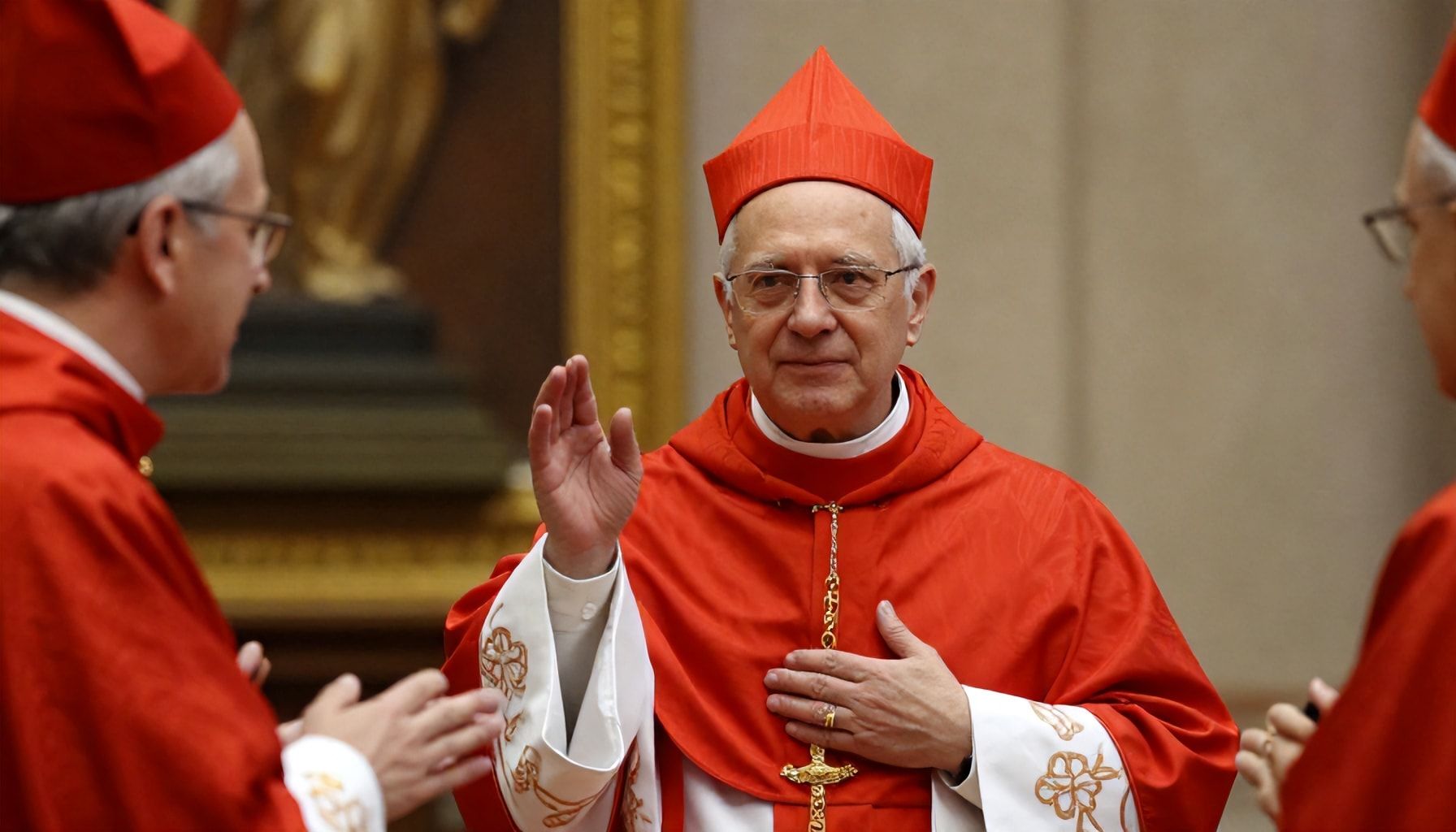
If you think the College of Cardinals is just a bunch of old men in red hats waiting around for the next papal election, you’re missing the real story. I’ve covered Vatican politics for 25 years, and let me tell you: these guys are the real power brokers. They’re the ones who shape doctrine, manage crises, and—when the time comes—elect the next pope. And trust me, that’s not a decision they take lightly.
Here’s the breakdown:
- Who They Are: 243 living cardinals as of 2024, but only 120 under 80 can vote in a conclave. That’s a small but mighty group.
- What They Do: They advise the pope, run Vatican departments, and act as his global ambassadors. Some, like Cardinal Robert Sarah, have been vocal critics of papal policies.
- Why It Matters: They’re the only ones who can elect a pope. And in a church of 1.3 billion, that’s not a minor detail.
Let’s talk numbers. The last papal election in 2013 took five ballots. That’s five rounds of intense lobbying, backroom deals, and last-minute shifts. I’ve seen cardinals change their votes at the last second—sometimes because of a whispered word, a shared meal, or even a well-timed homily. It’s not just about faith; it’s about politics, personality, and power.
| Cardinal | Role | Key Influence |
|---|---|---|
| Cardinal Pietro Parolin | Secretary of State | Vatican’s top diplomat; shapes foreign policy |
| Cardinal Gerhard Müller | Former Prefect of the Congregation for the Doctrine of the Faith | Conservative voice on doctrine; critic of Pope Francis |
| Cardinal Blase Cupich | Archbishop of Chicago | Progressive ally of Pope Francis |
And here’s the dirty little secret: not all cardinals are created equal. Some are handpicked by the pope to push his agenda. Others are old-school conservatives who see themselves as the last line of defense against change. In my experience, the real drama happens in the months before a conclave, when factions start forming. You’ve got the reformers, the traditionalists, and the pragmatists—all jockeying for influence.
So next time you hear about a cardinal, remember: they’re not just ceremonial figures. They’re the ones who decide the future of the Catholic Church. And that’s why you should care.
How to Understand the Role of Cardinals in Papal Elections*
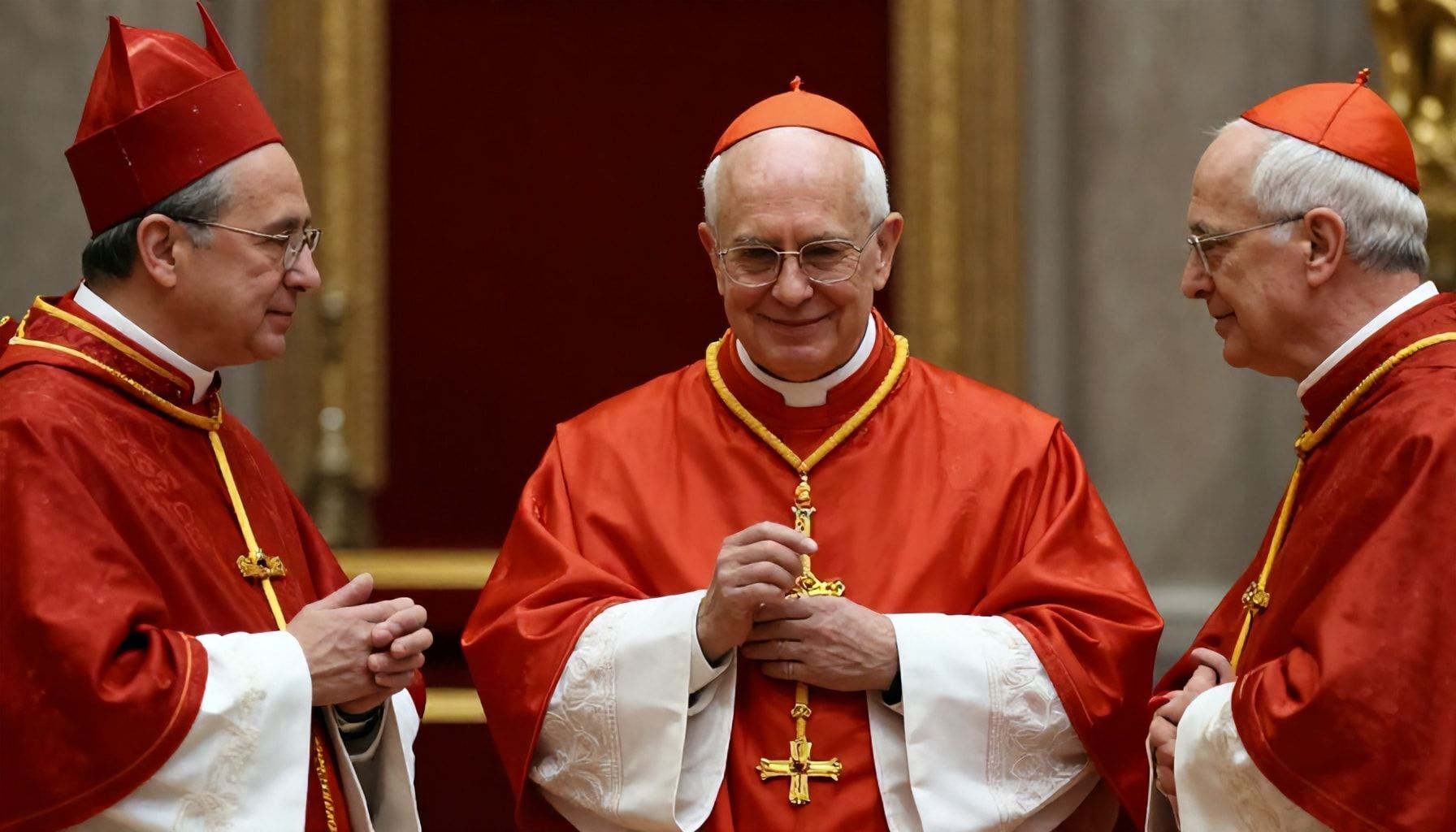
The role of cardinals in papal elections isn’t just ceremonial—it’s the backbone of the Catholic Church’s continuity. I’ve covered enough conclaves to know that the drama behind closed doors is as intense as it is meticulously scripted. Cardinals don’t just vote; they’re the gatekeepers of tradition, the architects of compromise, and sometimes, the reluctant brokers of change.
Here’s the breakdown: Only cardinals under 80 can vote. That’s roughly 120 men (as of 2024) who hold the fate of 1.3 billion Catholics in their hands. The last time a conclave went beyond three days was 2005, when Ratzinger edged out Bergoglio in a nail-biter. Since then, the Church has tightened the rules—no more long deliberations, no more backroom deals. The process is streamlined, but the stakes? Still sky-high.
- Quorum: At least two-thirds of voting cardinals must be present.
- Secrecy: Ballots are burned twice daily—black smoke for no decision, white for a pope.
- Deadlocks: After 33 ballots, the top two vote-getters face a runoff.
- Eligibility: Only cardinals under 80 vote, but all cardinals can be elected pope.
I’ve seen cardinals play the long game. In 2013, the election of Francis was as much about rejecting the old guard as it was about embracing the new. The College of Cardinals isn’t monolithic—it’s a mix of conservatives, progressives, and pragmatists. The real power lies in the curial cardinals (those who run the Vatican) versus the diocesan cardinals (who run parishes). The former often push for continuity; the latter, for reform.
| Conclave | Ballots Cast | Days to Decision |
|---|---|---|
| 2005 (Benedict XVI) | 4 | 2 |
| 2013 (Francis) | 5 | 1 |
The real intrigue? The pre-conclave maneuvering. Cardinals lobby, form alliances, and sometimes, they’re just as surprised by the outcome as the rest of us. The last time a dark horse won was 1978 with John Paul II. But in an era of globalized Church politics, the next surprise might be just around the corner.
Bottom line: Cardinals don’t just elect a pope—they shape the future of Catholicism. And if history’s any guide, the next conclave will be as unpredictable as the last.
Cardinals stand as pillars of the Catholic Church, bridging tradition and leadership with their unique roles in governance, liturgy, and succession. Their deep spiritual wisdom and global influence shape the Church’s direction, ensuring continuity while adapting to modern challenges. Beyond their red robes, they embody a legacy of service, guiding the faithful and advising the pope with unwavering dedication. For those curious about their impact, exploring their historical contributions offers profound insight into the Church’s resilience and evolution. As the Church navigates an ever-changing world, one question lingers: How will future cardinals continue to uphold faith while embracing the needs of a new generation? Their legacy is not just in the past—it’s a living testament to the enduring power of their vocation.