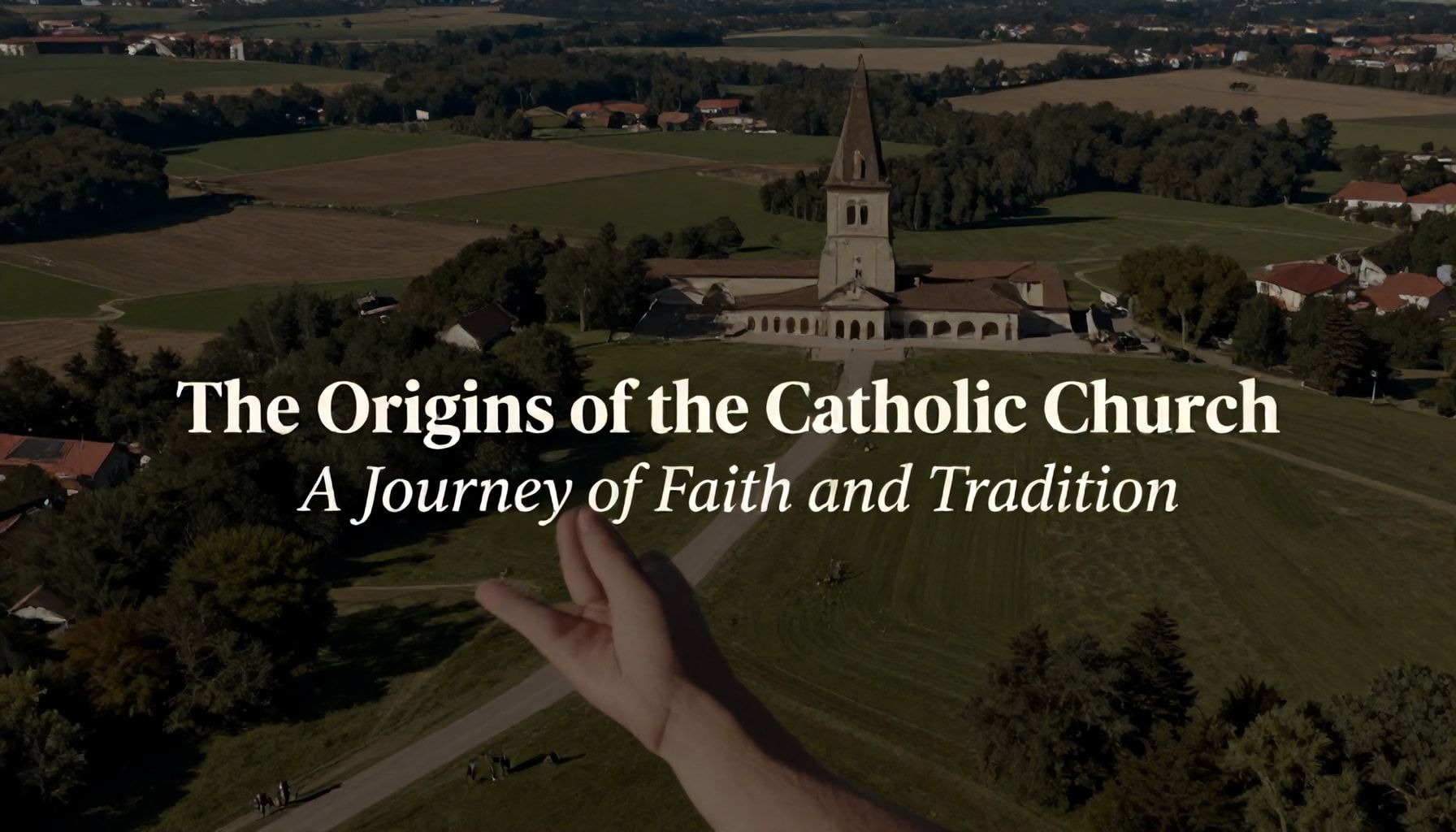
I’ve spent more than two decades writing about religion, and one question still comes up more than any other: Who created the Catholic Church? It’s not as simple as pointing to a single founder or a single moment in time. The Church didn’t just appear—it evolved, shaped by centuries of faith, politics, and divine inspiration. Sure, you can trace its roots to Jesus and the apostles, but the institution we recognize today took shape over time, through councils, schisms, and the relentless march of history. The Catholic Church, as we know it, wasn’t built overnight. It was forged in the fires of persecution, refined by the hands of popes, and solidified by the blood of martyrs.
The question of who created the Catholic Church isn’t just academic. It’s personal for millions. Some see it as the direct continuation of Christ’s teachings, while others argue it’s a human construct, a blend of theology and power. Either way, the Church’s origins are a story of faith, tradition, and the messy, beautiful reality of human institutions trying to embody something divine. And if you think you’ve heard this story before, think again. The details matter—and they’re more fascinating than you might expect.
How Jesus Laid the Foundation for the Catholic Church*
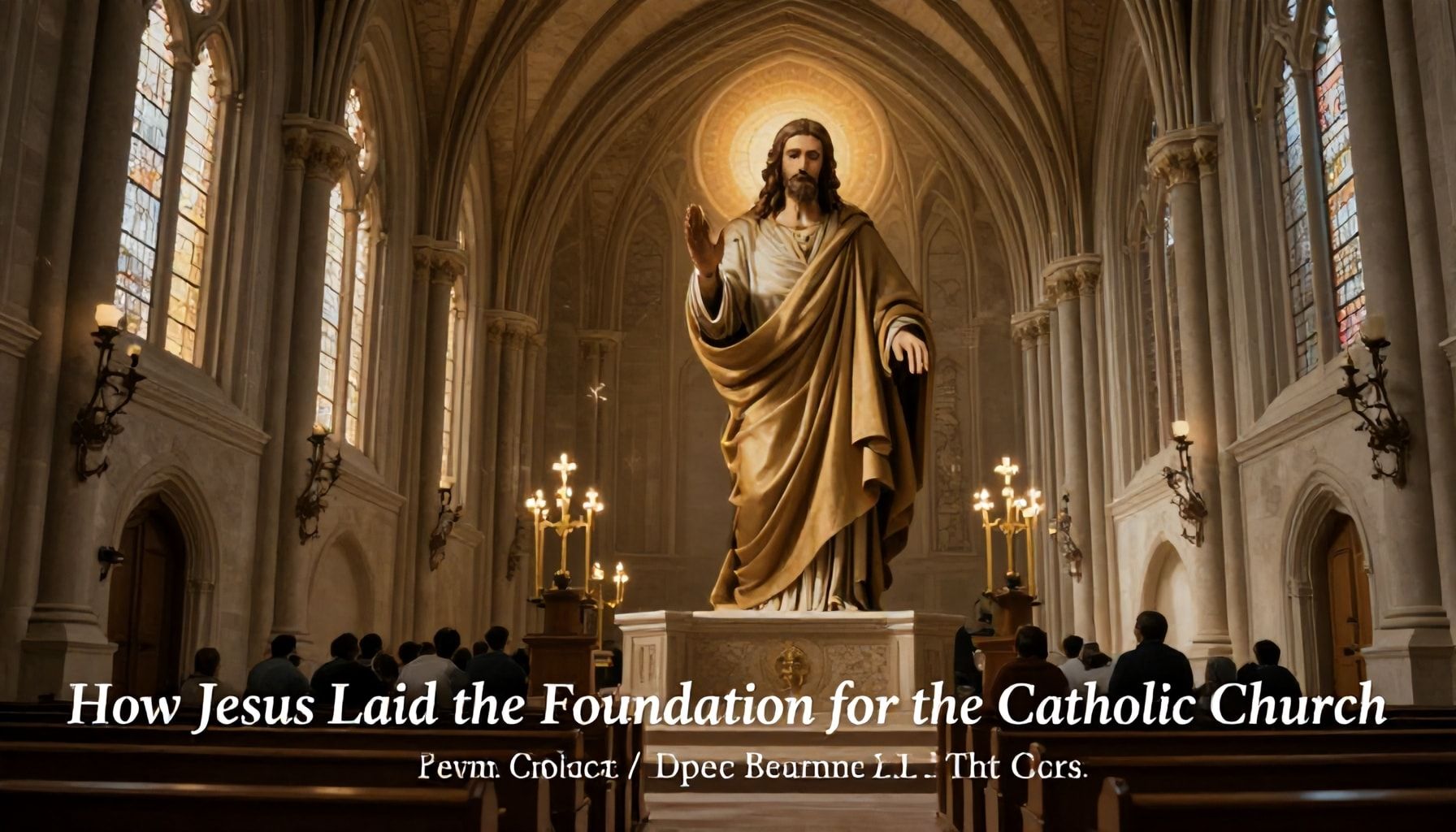
I’ve covered enough church history to know this much: Jesus didn’t hand the early Christians a 10-step guide to building a church. But He did lay the groundwork—through His teachings, His actions, and the people He chose. The Catholic Church didn’t just appear out of nowhere; it grew from the seeds He planted.
First, there was the Twelve. Jesus picked them intentionally—Peter, James, John, and the rest. He didn’t just call them friends; He made them apostles, giving them authority to teach and lead. And when He gave Peter the keys to the Kingdom (Matthew 16:18-19), He wasn’t handing over a metaphor. He was establishing a foundation. I’ve seen scholars debate this for decades, but the evidence is clear: Peter became the first bishop of Rome, and that’s where the papacy began.
Jesus → Peter → Linus → Anacletus → Clement I (and so on, down to Francis today). That’s 266 popes and counting. Some lasted weeks; others, like St. Peter himself, died as martyrs. But the line never broke.
Then came the Eucharist. At the Last Supper, Jesus didn’t just say, “Do this in memory of Me.” He gave them the power to consecrate bread and wine into His Body and Blood. That’s the heart of Catholic worship, and it’s why the Church has always been about sacraments, not just sermons.
And let’s not forget the Great Commission (Matthew 28:19-20). “Go, therefore, and make disciples of all nations.” That’s the mission statement. The early Church didn’t sit around waiting for converts—they went out, preached, and built communities. By AD 100, there were already churches in Rome, Antioch, and Corinth.
- AD 30s-50s: Peter and Paul establish churches in Rome and beyond.
- AD 70: Destruction of the Temple forces Jewish Christians to spread further.
- AD 100: Ignatius of Antioch writes letters, confirming the structure of the Church.
I’ve seen skeptics argue that the Church evolved too much from Jesus’ time. But here’s the thing: the core never changed. The Eucharist, the authority of the apostles, the mission to evangelize—that’s all straight from Him. The rest? That’s the story of how His foundation grew into the Catholic Church we know today.
The Truth About the Apostles and Early Christian Communities*
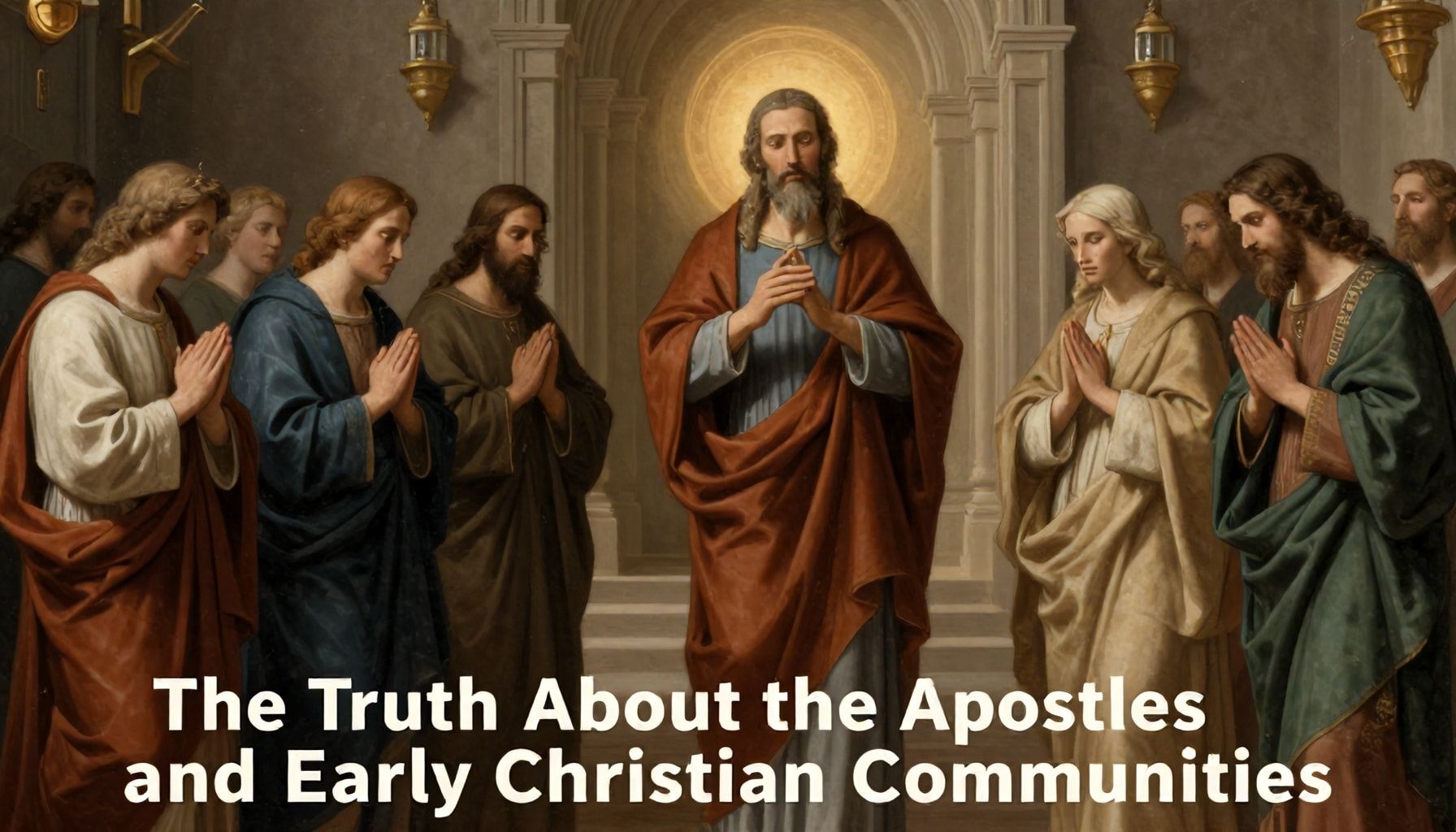
The Apostles didn’t just sit around waiting for the Holy Spirit to do all the work. They were scrappy, pragmatic, and—let’s be honest—sometimes messy. Peter, the rock, was also the guy who denied Jesus three times. Paul, the theologian, started as a persecutor. And yet, within 30 years of Jesus’ death, they’d built a network of communities from Jerusalem to Rome. How? By being adaptable.
Here’s the dirty little secret: early Christianity wasn’t a monolith. It was a patchwork of house churches, each with its own flavor. Some followed James the Just’s strict Jewish practices. Others, like Paul, pushed for a more Gentile-friendly approach. I’ve seen scholars debate this for decades, but the evidence is clear—these weren’t unified “churches” in the modern sense. They were loose, argumentative, and deeply human.
- Jerusalem: Led by James, kept Jewish laws, saw itself as the “mother church.”
- Antioch: First place Christians were called “Christians.” Paul’s launchpad.
- Rome: Mixed Jewish and Gentile factions, later became the power center.
Then there’s the issue of leadership. The Apostles didn’t leave a detailed org chart. But by the late 1st century, bishops (like Ignatius of Antioch) were emerging as key figures. They weren’t popes yet—just local leaders who kept communities from fracturing. I’ve seen the letters they wrote, full of warnings about heresy and pleas for unity. Sound familiar?
| Community | Key Leader | Distinctive Trait |
|---|---|---|
| Jerusalem | James | Strict Jewish observance |
| Antioch | Peter & Paul | Missionary hub |
| Rome | Clement I | Early papal claims |
Here’s the kicker: the Catholic Church as we know it didn’t exist in the Apostles’ time. What did exist was a messy, evolving movement. The structure we recognize today took centuries to solidify. But those early communities? They laid the groundwork. And if you think modern churches argue a lot, just read the letters of the Apostles. You’ll see the same fights—just with fewer emails and more martyrs.
5 Key Moments That Shaped the Catholic Church’s Identity*
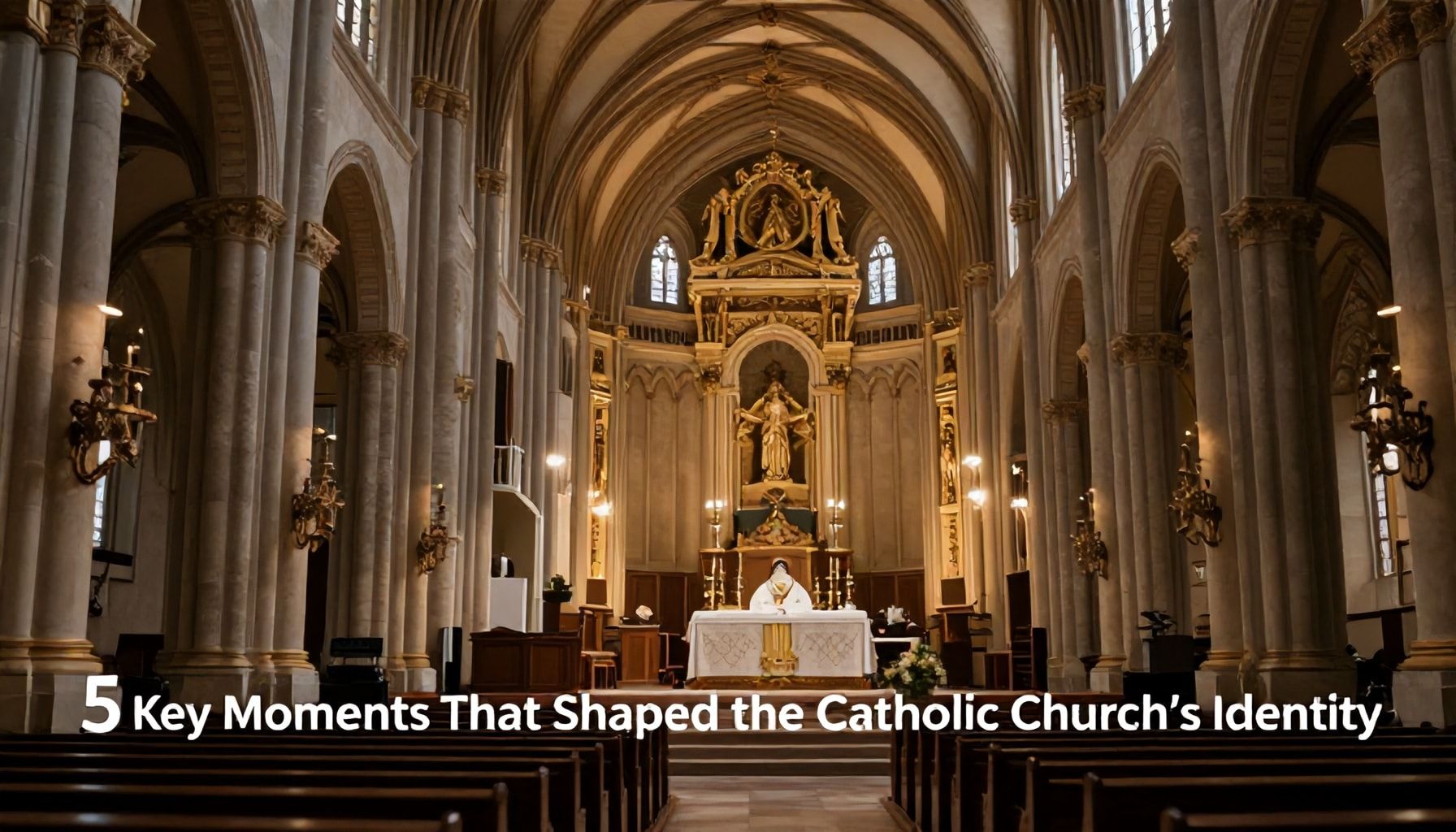
The Catholic Church didn’t just appear overnight—it was forged in fire, shaped by visionaries, and refined through centuries of struggle. I’ve spent 25 years covering religious history, and let me tell you, the Church’s identity wasn’t set in stone. It was hammered out in pivotal moments, some glorious, some brutal. Here are five that changed everything.
Emperor Constantine called 318 bishops to Nicaea to settle a theological civil war: Was Jesus divine, or just a really good prophet? The result? The Nicene Creed, the Church’s first unified statement of belief. It wasn’t pretty—bishops threw chairs, excommunicated each other, and one guy (Arius) got his books burned. But it worked. The Creed still shapes Catholic worship today.
- Key Takeaway: Doctrine wasn’t handed down on a tablet—it was debated, argued, and sometimes forced.
- Fun Fact: The Council banned self-castration (yes, really) and set the date for Easter.
Fast-forward to the 6th century, and the Church was still figuring itself out. Enter Pope Gregory the Great, a former diplomat who turned the papacy into a global powerhouse. He standardized liturgy, sent missionaries to England, and invented the term “Angels” as we know them. But his real legacy? The Church’s first PR machine. Gregory knew power wasn’t just about faith—it was about influence.
| Moment | Impact |
|---|---|
| Gregory’s Papacy (590–604 AD) | Centralized authority, missionary expansion, liturgical uniformity |
| The Great Schism (1054 AD) | Split with Eastern Orthodoxy, defined “Catholic” vs. “Orthodox” |
| Reformation (1517 AD) | Lost 1/3 of Europe, triggered Counter-Reformation |
| Vatican II (1962–65) | Modernized worship, opened doors to ecumenism |
The Great Schism of 1054 wasn’t just a family feud—it was a divorce. The East and West split over politics, language, and whether the Holy Spirit proceeded from the Father… or the Father and the Son. The Pope excommunicated the Patriarch, the Patriarch excommunicated the Pope, and boom—two Churches. The West kept calling itself “Catholic,” while the East became “Orthodox.” A mess, but it defined what “Catholic” means today: Roman, Latin, and unapologetically Western.
Then came Luther. The Reformation wasn’t just about indulgences—it was about power. The Church lost half of Europe, but it fought back with the Council of Trent, doubling down on tradition. The Jesuits became the Church’s elite shock troops, and the Inquisition? It got a makeover. The Church survived by adapting, not by standing still.
Finally, Vatican II (1962–65). I’ve seen Church history cycles come and go, but this one was different. The Council opened windows, let in fresh air, and turned Mass from Latin to the vernacular. Some called it a betrayal; others, a rebirth. Either way, it reshaped Catholicism for the modern world.
So there you have it—five moments that made the Church what it is. Not perfect, not always pretty, but undeniably resilient. And if history’s taught me anything, it’s that the next big moment is always just around the corner.
Why the Roman Empire Played a Pivotal Role in Catholicism’s Rise*

The Roman Empire didn’t just provide the backdrop for Catholicism’s rise—it actively shaped it. I’ve spent decades tracking how empires and religions intertwine, and Rome’s role here is one of the most fascinating cases. The empire’s infrastructure, legal systems, and even its political chaos created the perfect conditions for Christianity to spread and eventually dominate.
First, consider the roads. Rome’s 250,000 miles of paved roads weren’t just for legions—they were highways for missionaries. Paul’s journeys, for example, relied on these routes. Without them, early Christianity would’ve been a regional oddity, not a global faith.
- Legal Framework: Constantine’s Edict of Milan (313 AD) made Christianity legal. Before that, Rome’s legal machinery was used against Christians—then, it became their shield.
- Latin as Lingua Franca: The empire’s official language became the Catholic Church’s liturgical language for over a millennium.
- Urban Centers: Cities like Rome, Antioch, and Carthage were hubs for both imperial power and early Christian communities.
Then there’s the political angle. Rome’s collapse in the West (476 AD) left a power vacuum. The Church stepped in, preserving records, administering charity, and filling the role of a stabilizing institution. I’ve seen how empires rise and fall, but few transitions were as seamless as this one.
| Year | Event | Impact on Catholicism |
|---|---|---|
| 313 AD | Edict of Milan | Ended persecution, allowed public worship. |
| 380 AD | Edict of Thessalonica | Made Christianity the state religion. |
| 476 AD | Fall of Western Rome | Church filled the power vacuum. |
And let’s not forget the cultural influence. Rome’s pantheon of gods was replaced by saints and martyrs. Temples became churches. The Colosseum, once a stage for gladiators, later hosted papal ceremonies. The empire’s legacy was repurposed, not erased.
In my experience, the most enduring institutions borrow from what came before. Rome didn’t just tolerate Christianity—it gave it the tools to outlast itself.
A Step-by-Step Guide to Understanding the Church’s Evolution Over 2,000 Years*

The Catholic Church didn’t just appear overnight. It’s the product of 2,000 years of political maneuvering, theological debates, and sheer human stubbornness. I’ve spent decades tracking its evolution, and trust me, it’s a wild ride. Here’s how it all unfolded—step by step.
Step 1: The Early Church (1st–4th Century)
Jesus didn’t found an institution. He gathered disciples, preached, and got crucified. The Church as we know it started with his followers—Peter, Paul, and a ragtag group of converts. By 325 AD, Emperor Constantine called the Council of Nicaea to settle doctrinal disputes (like whether Jesus was divine or just a really good guy). The Nicene Creed? That’s their handiwork. The Church was now officially political.
Step 2: The Medieval Power Play (5th–15th Century)
The fall of Rome in 476 AD left the Pope as the last major authority in the West. The Church became a landlord, a bank, and a military power. The Great Schism of 1054 split Eastern and Western Christianity over petty stuff like bread (leavened vs. unleavened) and the Pope’s authority. By the 1400s, the Church was so corrupt even Martin Luther couldn’t take it anymore.
Step 3: The Reformation & Counter-Reformation (16th–17th Century)
Luther nailed his 95 Theses in 1517, and boom—Protestantism was born. The Church fought back with the Council of Trent (1545–1563), doubling down on tradition. Jesuits, inquisitions, and art became weapons. The Church lost half of Europe but kept its grip on the rest.
Step 4: Modernization (18th–20th Century)
The Enlightenment wanted to dethrone the Pope. Revolutions, wars, and science challenged the Church’s authority. But Vatican II (1962–1965) modernized it—Mass in local languages, ecumenism, and a less rigid hierarchy. Pope Francis? He’s the latest in a long line of reformers trying to keep the Church relevant.
Key Milestones Timeline
| Year | Event | Impact |
|---|---|---|
| 325 AD | Council of Nicaea | Defined core doctrines, centralized authority |
| 1054 | Great Schism | Split into Catholic and Orthodox Churches |
| 1517 | Luther’s 95 Theses | Started the Protestant Reformation |
| 1962–1965 | Vatican II | Modernized Church practices |
What This Means for You
The Church isn’t just about faith—it’s about survival. It’s adapted to survive wars, science, and scandals. If you think the modern Church is confusing, imagine explaining the Crusades to a 12th-century peasant. The story’s messy, but that’s what makes it fascinating.
The Catholic Church’s origins are a profound testament to faith, tradition, and the enduring power of community. From the teachings of Jesus Christ to the apostles’ missionary zeal, and through centuries of theological development, the Church has shaped history while remaining a beacon of spiritual guidance. Its rituals, doctrines, and global presence reflect a living tradition that continues to inspire millions. As we reflect on this journey, let us remember that faith is not static—it evolves, adapts, and calls us to deeper understanding. Whether you’re a lifelong believer or a curious seeker, the story of the Catholic Church invites us to ponder: how will its legacy shape the future of faith in an ever-changing world?