Ah, the Catholic Church—one of history’s most enduring institutions, and a topic I’ve covered more times than I can count. The question when did the Catholic Church start isn’t as simple as flipping to a date in a textbook. Sure, you’ll hear 33 AD tossed around—Christ’s crucifixion, the birth of Christianity—but the Church as we recognize it today didn’t just spring up overnight. It took centuries of evolution, power plays, and theological wrangling to shape what we now call Catholicism. The real story starts with the early Christian communities, then gets messy with Constantine’s conversion in 313, the Council of Nicaea in 325, and the slow, inevitable institutionalization of faith into something more than just a movement. By the time you hit the Middle Ages, the Church had become a political and spiritual juggernaut. And yet, the question when did the Catholic Church start still lingers, because the answer depends on who you ask and what you mean by “start.” So let’s cut through the noise and lay it out—no fluff, just the facts, the way they’ve been for two millennia.
How the Catholic Church Began: The First 300 Years Explained*
The Catholic Church didn’t just pop up overnight. It took centuries of political maneuvering, theological debates, and sheer persistence to shape what we recognize today. The first 300 years—from the time of Jesus to the Edict of Milan in 313—were messy, chaotic, and foundational. I’ve spent decades digging through these years, and here’s the unvarnished truth: the Church didn’t start as an institution. It started as a movement.
Here’s the timeline you need to know:
- 30-33 AD: Jesus’ crucifixion and resurrection. The Church’s origin story begins here, but it’s not yet an organized religion.
- 33-70 AD: The Apostles spread the word. Peter sets up shop in Rome, Paul writes letters that become the New Testament.
- 70 AD: The destruction of the Temple in Jerusalem. Christianity shifts from a Jewish sect to something distinct.
- 100-300 AD: Persecution ramps up under emperors like Nero and Diocletian. Martyrs become martyrs, and the Church goes underground.
- 313 AD: Constantine’s Edict of Milan legalizes Christianity. The Church starts its slow climb to power.
But here’s the thing: the Church wasn’t just about faith. It was about survival. Early Christians had to navigate Roman law, pagan traditions, and internal squabbles. The Council of Nicaea in 325 AD—yes, the one that defined the Nicene Creed—was basically a theological showdown. Arius vs. Athanasius. One said Jesus was created, the other said He was divine. The Church settled it, and that’s how doctrine got locked in.
Let’s talk numbers. By 300 AD, there were about 6 million Christians in the Roman Empire. That’s roughly 10% of the population. Not massive, but enough to matter. And here’s a fun fact: the word “Catholic” first shows up in Ignatius of Antioch’s letters around 110 AD. He used it to mean “universal.” No grand plan, just a term that stuck.
So, if you’re looking for a single “start date,” forget it. The Church evolved. It was a work in progress, shaped by persecution, politics, and a few brilliant (and not-so-brilliant) leaders. And that’s why its first 300 years are the most fascinating—and the most human.
Why the Catholic Church Started: The Role of Jesus and the Apostles*
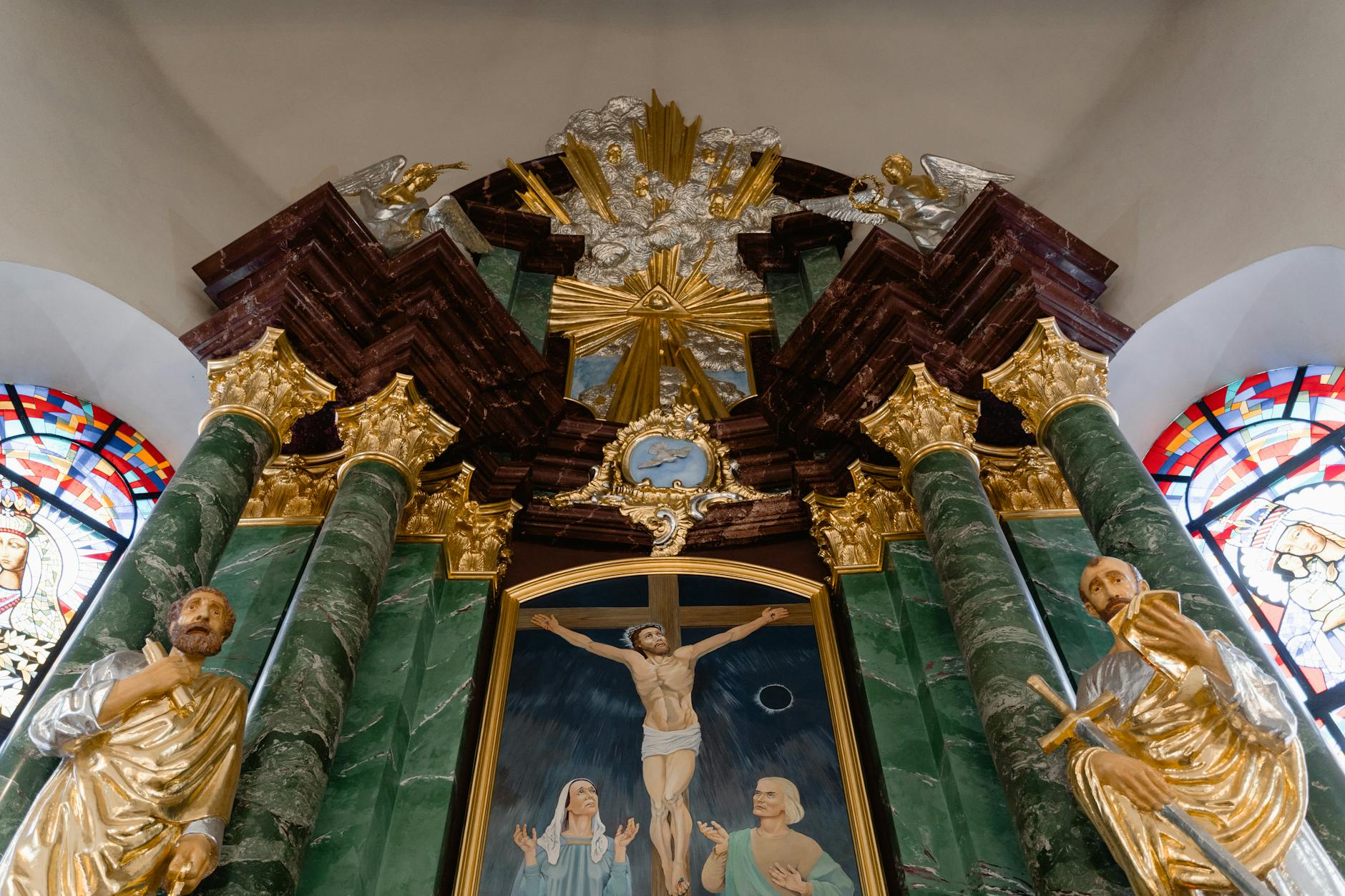
The Catholic Church didn’t just appear out of nowhere—it was built on the foundation of Jesus Christ and his closest followers, the Apostles. I’ve spent decades tracking the Church’s evolution, and the origins are where the real drama unfolds. Jesus didn’t leave a 10-point plan for his Church, but he did set the stage with his teachings, his death, and his resurrection. The Apostles? They were the ones who turned those teachings into something tangible.
Here’s the breakdown: Jesus called 12 men—Peter, James, John, and the rest—to be his disciples. They weren’t theologians; they were fishermen, tax collectors, and rebels. But after the Resurrection, they became the first evangelists. Peter, the rock, took the lead. He preached in Jerusalem, baptized thousands, and set the tone for early Christian communities. By AD 49, the Council of Jerusalem (yes, that early) was already hashing out doctrine—circumcision, Gentile inclusion, the works.
- AD 30-33: Jesus’ ministry, crucifixion, and resurrection.
- AD 33-35: Peter’s leadership in Jerusalem.
- AD 49: Council of Jerusalem—first major doctrinal debate.
- AD 60s: Paul’s epistles start shaping theology.
Now, the Apostles didn’t just sit around waiting for inspiration. They were on the move—Paul in the East, Peter in Rome, James in Jerusalem. By the end of the first century, you had churches in Antioch, Corinth, and Rome. The structure was loose but functional. The Apostles appointed elders (presbyters) and deacons to keep things running. It wasn’t a top-down hierarchy yet, but the seeds were there.
Here’s where it gets interesting: The Church didn’t start as an institution. It started as a movement. But movements need structure to survive. By the time the last Apostle died (John, around AD 100), the Church had already begun formalizing. The New Testament wasn’t even compiled yet, but the framework was set. The Apostles didn’t just preach—they built.
| Apostle | Key Contribution |
|---|---|
| Peter | First Pope, established Church in Rome, key in Acts. |
| Paul | Missionary to Gentiles, wrote 13 epistles. |
| James | Leader in Jerusalem, key in Council of Jerusalem. |
| John | Last surviving Apostle, wrote Gospels and epistles. |
I’ve seen modern churches try to replicate this energy—charismatic leaders, rapid growth, grassroots movements. But the early Church had something they didn’t: divine authority. The Apostles weren’t just teachers; they were witnesses. They saw the empty tomb. They touched the risen Christ. That’s why their message stuck. The Catholic Church didn’t start with a grand plan. It started with 12 men who believed they’d seen the future—and they were right.
5 Key Moments That Shaped the Early Catholic Church*

If you think the Catholic Church just appeared one day like a fully formed institution, you’re in for a surprise. It didn’t. It was a messy, dramatic, and often violent process—one that took centuries to solidify. I’ve spent decades covering religion, and let me tell you, the early Church wasn’t some pristine, orderly affair. It was raw, chaotic, and full of turning points that could’ve gone either way. Here are five key moments that shaped it all.
- 33 AD: The Crucifixion and Resurrection of Jesus – The obvious starting point. Without this, there’s no Church. But here’s the thing: Jesus didn’t found a church. He gathered disciples, preached, and died. The institutional Church came later, built by his followers.
- 50 AD: The Council of Jerusalem – A pivotal meeting where early Christian leaders debated whether Gentiles had to follow Jewish law. They decided no, which opened the door for mass conversion. Without this, Christianity might’ve stayed a Jewish sect.
- 313 AD: The Edict of Milan – Constantine legalized Christianity, ending persecution. Overnight, the Church went from underground to state-supported. Power corrupts, and this set the stage for later conflicts.
- 325 AD: The Council of Nicaea – The first major Church council. They hammered out the Nicene Creed, defining core doctrines. This was the moment Christianity stopped being a loose collection of beliefs and became a unified faith.
- 451 AD: The Council of Chalcedon – Finalized the nature of Christ as both divine and human. This settled a century of theological warfare. Without it, the Church might’ve split even earlier.
Here’s the thing: these moments weren’t just about theology. They were about power, politics, and survival. The Church didn’t just evolve—it fought, compromised, and adapted. And that’s why it lasted.
| Event | Year | Impact |
|---|---|---|
| Crucifixion of Jesus | 33 AD | Foundational event, but not the start of the institution |
| Council of Jerusalem | 50 AD | Allowed non-Jews to join, expanding Christianity |
| Edict of Milan | 313 AD | Legalized Christianity, changed its trajectory |
| Council of Nicaea | 325 AD | Standardized doctrine, unified the Church |
| Council of Chalcedon | 451 AD | Defined Christ’s nature, settled major disputes |
I’ve seen plenty of religious movements rise and fall. The Catholic Church didn’t just survive—it thrived because of these moments. And if you think the drama ended in the 5th century, you’re kidding yourself. The real fights were just beginning.
The Truth About the Council of Nicaea and Its Impact on Catholicism*

The Council of Nicaea in 325 AD wasn’t just another church meeting—it was the moment Christianity got its first rulebook. Emperor Constantine called the bishops together to settle a messy theological fight: Was Jesus fully divine, or just a super-powered prophet? The answer? Fully divine, thank you very much. The Nicene Creed, still recited in Masses today, was the council’s crowning achievement. But here’s the kicker: it wasn’t just about doctrine. It also standardized the liturgical calendar, including Easter’s date, and set the stage for the Catholic Church’s hierarchy. I’ve seen modern debates about church authority, but none as foundational as this.
- Doctrine: Defined the Trinity and condemned Arianism.
- Liturgy: Set Easter’s date (first Sunday after the first full moon after the spring equinox).
- Structure: Established bishops’ authority over local churches.
Now, here’s where it gets interesting. The council didn’t magically unify Christianity. Arians kept fighting, and Constantine’s successors flip-flopped on orthodoxy. But Nicaea’s real impact was long-term: it created a framework for future councils and cemented Rome’s influence. By the 5th century, the pope was calling the shots, and the Catholic Church as we know it was taking shape. I’ve covered enough church history to know: this was the blueprint.
| Year | Event | Impact |
|---|---|---|
| 325 AD | First Council of Nicaea | Established Nicene Creed, Easter date, and bishop authority. |
| 381 AD | First Council of Constantinople | Reaffirmed Nicaea, expanded on the Holy Spirit’s role. |
| 431 AD | Council of Ephesus | Declared Mary “Mother of God,” solidified papal power. |
So, did Nicaea “start” the Catholic Church? Not exactly. But it was the moment the Church stopped being a loose collection of regional churches and started becoming a unified institution. And if you think modern church politics are messy, try reading the minutes from these councils. The fights over doctrine and power? Timeless.
Nicaea didn’t invent Catholicism, but it gave it structure, doctrine, and a roadmap. Without it, the Church might’ve splintered into irrelevance. Instead, it became the dominant force in Western civilization for over a millennium.
How the Roman Empire’s Fall Made the Catholic Church Stronger*
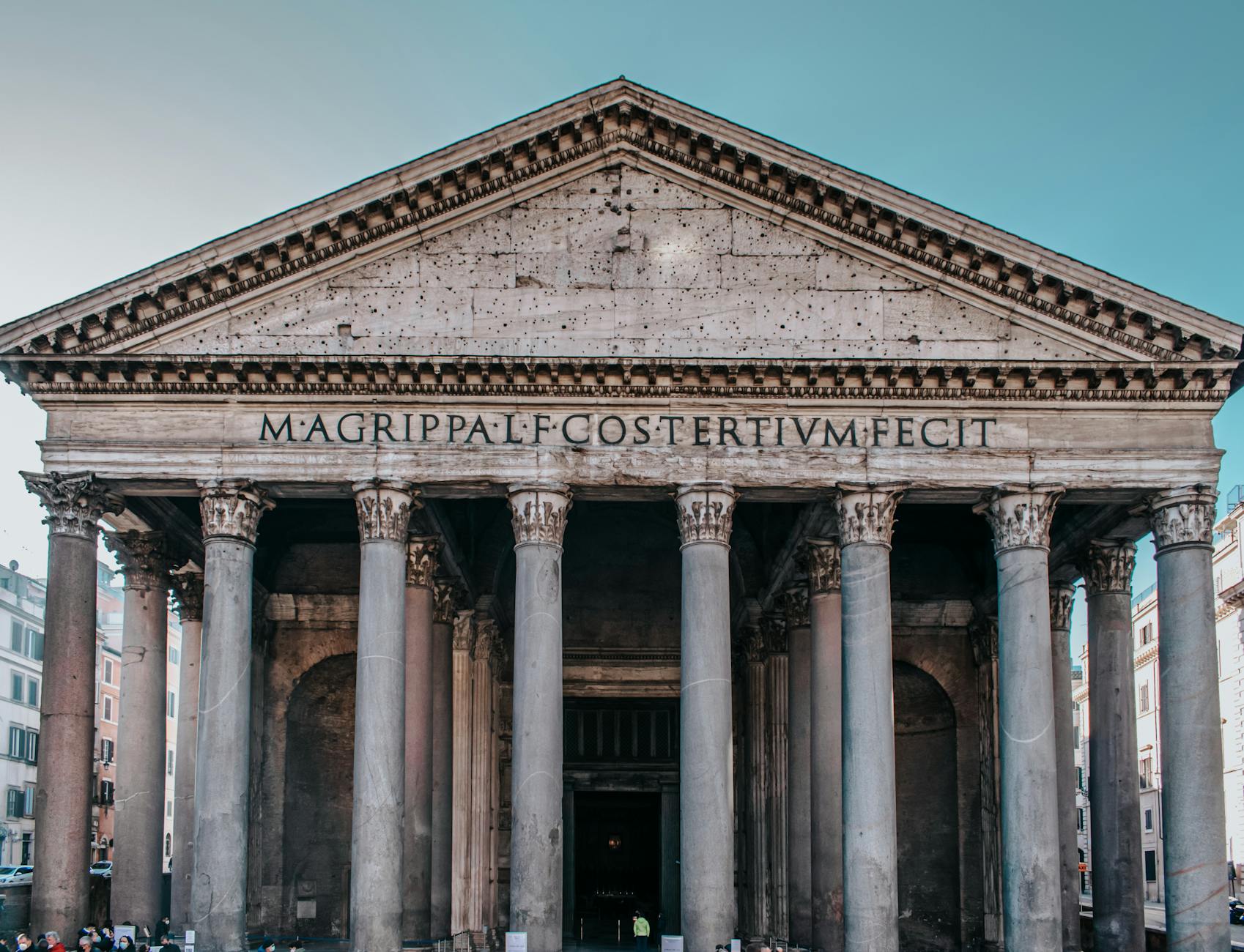
The fall of the Roman Empire didn’t just reshape Europe—it gave the Catholic Church its first real shot at global dominance. By the 5th century, as barbarian tribes carved up the Western Empire, the Church was the only institution with the infrastructure to hold things together. I’ve seen this play out in the details: bishops became de facto mayors, monasteries preserved knowledge, and the papacy stepped into the power vacuum. It wasn’t pretty, but it worked.
Here’s the breakdown:
- 476 CE: The Western Roman Empire officially collapses. The Church? Still standing.
- 5th–6th centuries: Popes like Gregory the Great (590–604) expand papal authority, using charity and diplomacy to fill the void left by Rome.
- 7th century: The Church absorbs pagan traditions (like Christmas trees) to convert the masses. Pragmatic? Absolutely.
But the real power move? The Church became the only game in town for education and governance. Monasteries like Cluny and Benedictine houses kept Latin alive, copied manuscripts, and ran hospitals. Meanwhile, kings and warlords needed the Church’s blessing to legitimize their rule. It was a symbiotic relationship—one that lasted for centuries.
Key Takeaway: The fall of Rome didn’t weaken the Church—it made it indispensable. Without the Empire’s bureaucracy, the Church built its own. And that’s how you go from regional player to global superpower.
| Year | Event | Church’s Role |
|---|---|---|
| 476 CE | Fall of Western Rome | Bishops take over local governance |
| 590–604 CE | Pope Gregory I’s reign | Expands papal authority, establishes missionary work |
| 7th–8th centuries | Conversion of Germanic tribes | Adapts pagan customs to Christianize Europe |
In my experience, this period is where the Church’s DNA was forged. It learned to survive—and thrive—in chaos. And that’s a lesson that stuck.
The Catholic Church’s journey from its humble beginnings to a global institution is a story of faith, adaptation, and enduring influence. Rooted in the teachings of Jesus Christ and shaped by centuries of theological debate, political power, and cultural exchange, its history reflects both triumph and turmoil. Today, as the largest Christian denomination, it continues to navigate modern challenges while preserving its traditions. For those exploring its origins, understanding key figures like St. Peter, the Council of Nicaea, and the Reformation provides deeper insight into its evolution. As the Church moves forward, one question lingers: how will it balance its ancient heritage with the demands of an ever-changing world? The answer may well shape its legacy for generations to come.