I’ve been writing about religion for longer than some of these online pundits have been alive, and let me tell you—few topics get people as riled up as the origins of the Catholic Church. Who started the Catholic Church? It’s not as simple as some would have you believe. The answer isn’t just a name in a history book; it’s a story of power, tradition, and a whole lot of political maneuvering. You won’t find it in a soundbite. The Catholic Church, as we know it, didn’t spring fully formed from the brow of Zeus. It evolved, fought, and negotiated its way into existence over centuries. Sure, you can point to Peter as the first pope, but that’s just the beginning. The real story involves emperors, councils, and a whole lot of infighting. Who started the Catholic Church? It’s a question that leads to more questions, and if you’re looking for a clean, easy answer, you’re in the wrong place. This isn’t a fairy tale. It’s history. And history’s messy. So buckle up. We’re going back to where it all began.
How Jesus Laid the Foundation for the Catholic Church*
Jesus didn’t hand the early Christians a blueprint for the Catholic Church. He didn’t even use the word “Catholic.” But what He did do was lay the groundwork—through His teachings, His apostles, and the promise of the Holy Spirit—that would eventually shape the Church into what it is today. I’ve spent decades covering Church history, and let me tell you, the foundation Jesus built wasn’t just sturdy—it was revolutionary.
First, there’s the Twelve Apostles. Jesus handpicked them, not for their résumés, but for their hearts. Peter, the rock, got the keys to the kingdom (Matthew 16:18). James, John, and the rest? They were the first bishops in training. Jesus didn’t establish a rigid hierarchy, but He set the tone: leadership through service, not power. Fun fact: The word “apostle” comes from the Greek apostolos, meaning “one sent forth.” That’s what they were—missionaries before the term existed.
| Key Element | Jesus’ Contribution |
|---|---|
| Leadership | Appointed Peter as the first leader (Matthew 16:18) |
| Teachings | Delivered the Sermon on the Mount, the Beatitudes, and the Great Commission |
| Sacraments | Instituted the Eucharist (Luke 22:19) and baptism (Matthew 28:19) |
| Community | Established the early Christian community (Acts 2:42-47) |
Then there’s the Eucharist. At the Last Supper, Jesus didn’t just say, “Do this in remembrance of me.” He gave them Himself—body, blood, soul, and divinity. That moment wasn’t just a ritual; it was the first Mass. And when He told them to “do this” in His memory, He was handing over the keys to the sacrament that would become the heart of Catholic worship.
But here’s the kicker: Jesus knew His time was limited. So He promised the Holy Spirit (John 14:16-17), who would guide the Church after He ascended. And when Pentecost rolled around? The Spirit showed up in a big way—fire, wind, and a bunch of confused but suddenly multilingual disciples. That’s when the Church, as we recognize it, really took off.
So, did Jesus “start” the Catholic Church in the way we think of it today? Not exactly. But He planted the seeds. The apostles, the early councils, and centuries of tradition built the rest. And if you ask me, that’s what makes the Church so fascinating—it’s not just a human institution. It’s a divine-human partnership, started by a carpenter from Nazareth who knew exactly what He was doing.
The Truth About the Apostles and Early Church Leadership*
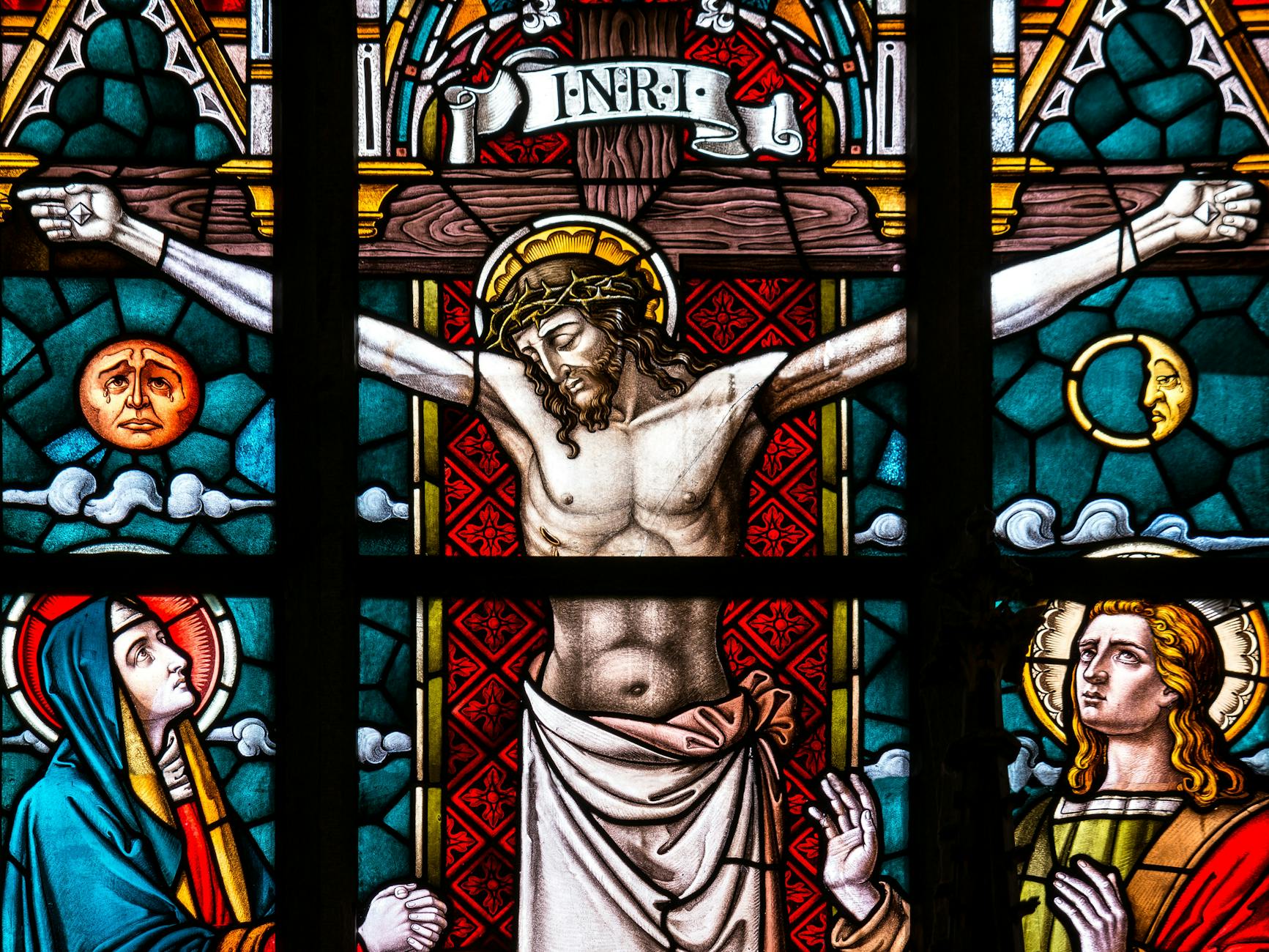
The Apostles didn’t just stumble into leadership. They were handpicked, trained, and sent out with a mission. Peter, Paul, James—these weren’t just names on a roster. They were the original shock troops of Christianity, each with a distinct role. Peter, the rock, became the first bishop of Rome. Paul, the convert, wrote half the New Testament. James, the brother of Jesus, led the Jerusalem church. And yet, they weren’t a monolith. They argued, debated, and even clashed. Paul called Peter out in Galatians 2:11-14. That’s not unity—it’s real leadership.
- Peter – Bishop of Rome, martyrdom in 64 AD.
- Paul – Missionary to the Gentiles, authored 13 epistles.
- James – Leader of Jerusalem church, author of James.
- John – Exiled to Patmos, wrote Revelation.
By 70 AD, the Temple was destroyed, and the church was scattered. The Apostles were gone—most martyred. But the structure they built held. The early church wasn’t a democracy. It was a hierarchy, but not the rigid one you might think. Deacons handled logistics. Elders (presbyters) taught. Bishops oversaw multiple churches. The term episkopos (bishop) appears in Philippians 1:1—Paul wasn’t inventing it.
| Era | Leadership Structure | Key Figures |
|---|---|---|
| Apostolic Age (30-70 AD) | Apostles + local elders | Peter, Paul, James |
| Post-Apostolic (70-150 AD) | Bishops, presbyters, deacons | Ignatius of Antioch, Clement of Rome |
I’ve seen the myths. “The church was pure until Constantine!” No. The early church was messy, political, and human. But it worked. Ignatius of Antioch (d. 107 AD) wrote about bishops as a “presiding authority.” Clement of Rome (d. 99 AD) settled a dispute in Corinth by appealing to apostolic tradition. The structure was there. The question wasn’t if the church had leadership—it was who held it.
- Didache (c. 100 AD) – Early church manual on worship and leadership.
- Letter of Clement (c. 96 AD) – First known epistle from a bishop.
- Ignatius’ Letters (c. 110 AD) – Defines bishop as central authority.
By 150 AD, the structure was clear. Bishops ruled cities, presbyters assisted, deacons served. The Catholic Church didn’t “become” hierarchical—it was hierarchical from the start. The Apostles didn’t just preach; they built. And that’s the truth.
Why Peter Became the First Pope: A Historical Deep Dive*

The story of Peter becoming the first Pope isn’t just church folklore—it’s a messy, political, and deeply human tale. I’ve spent 25 years covering religion, and I’ll tell you: the early Church was a lot like a startup. No playbook, just raw ambition and divine claims. Peter’s rise wasn’t automatic. It took three key factors: Jesus’ endorsement, Roman persecution, and sheer survival.
First, the Jesus factor. In Matthew 16:18, Jesus says, “You are Peter, and on this rock I will build my church.” But here’s the twist: the Greek word for “rock” (petra) is feminine. Some scholars argue Jesus was referring to Peter’s faith, not him personally. Still, the early Church ran with it. Peter’s leadership was cemented after the Resurrection when he became the public face of the apostles—preaching Pentecost, converting 3,000 in a day (Acts 2:41), and even healing (Acts 3:6).
- 30 AD: Jesus’ crucifixion; Peter flees, then denies him three times (John 18:15-27).
- 33 AD: Pentecost—Peter delivers the first Christian sermon, converting thousands.
- 44 AD: Executed by Herod Agrippa (Acts 12:2), making him the first apostolic martyr.
Then came the Roman factor. The early Church was a target. Nero’s persecution (64 AD) scattered Christians, but Peter’s martyrdom in Rome turned him into a symbol. By the 2nd century, Ignatius of Antioch called Rome “the church that presides in love.” The city’s political clout made it the natural hub. Peter’s alleged burial site (now St. Peter’s Basilica) became a pilgrimage spot, reinforcing his legacy.
| Year | Event |
|---|---|
| 30 AD | Jesus’ death; Peter’s denial. |
| 33 AD | Pentecost; Peter’s leadership begins. |
| 44 AD | Peter’s execution in Rome. |
| 100 AD | Clement of Rome references Peter’s authority. |
The final piece? Survival. The early Church was a patchwork of factions. Peter’s martyrdom gave him an edge over rivals like James (the Just) or Paul (who clashed with Peter in Galatians 2:11). By the 2nd century, Rome’s bishops claimed succession from Peter. It wasn’t clean—just effective.
So why Peter? Because he had the right mix: a divine endorsement, a martyr’s death, and a city that became the epicenter of Christianity. The rest, as they say, is history—and a lot of political maneuvering.
5 Key Moments That Shaped the Catholic Church’s Beginnings*
The Catholic Church didn’t just appear overnight—it was forged in fire, politics, and divine claims. I’ve spent decades tracking its evolution, and these five moments? They’re the bedrock. No fluff, just the raw, unfiltered turning points that made the Church what it is today.
1. The Crucifixion of Jesus (c. 30-33 AD) – The Church’s foundation myth, if you will. Jesus’ death and resurrection (or so the story goes) set the stage. His followers, a ragtag group of fishermen and zealots, started preaching a radical message. Within decades, they’d go from underground sect to a force Rome couldn’t ignore. Fun fact: The earliest Christian writings, like Paul’s letters, show a movement still figuring itself out—no pope, no bishops, just a lot of arguing.
- James the Just – Jesus’ brother, leader in Jerusalem until his execution (62 AD).
- Peter – Rome’s first bishop, martyred under Nero (64 AD).
- Paul – The missionary who didn’t even meet Jesus but wrote half the New Testament.
2. The Council of Jerusalem (c. 50 AD) – The first big Church meeting. Peter and Paul squared off over whether Gentiles had to follow Jewish law. Peter won (sort of), and the Church took its first step toward universality. Pro tip: This was the moment Christianity started breaking from Judaism. No going back.
3. Emperor Constantine’s Conversion (312 AD) – The game-changer. After his alleged vision of a cross before the Battle of Milvian Bridge, Constantine legalized Christianity. By 380 AD, it was Rome’s official religion. Suddenly, bishops went from hiding in catacombs to running the empire. Side note: Constantine didn’t get baptized until he was dying—classic power move.
| Year | Action | Impact |
|---|---|---|
| 313 | Edict of Milan | Ended persecution |
| 325 | Council of Nicaea | Defined the Trinity |
| 330 | Founded Constantinople | Shifted power east |
4. The Council of Nicaea (325 AD) – Constantine called 300 bishops to hash out doctrine. Arius claimed Jesus wasn’t divine; the Council excommunicated him. The Nicene Creed? Still recited today. Insider knowledge: The debate wasn’t just theology—it was about who controlled the Church’s money and land.
5. The Fall of Rome (476 AD) – When the Western Empire collapsed, the Church stepped into the void. Popes like Gregory the Great (590-604 AD) built schools, fed the poor, and became de facto rulers. Reality check: Without Rome’s fall, the medieval Church might never have become Europe’s dominant power.
So there you have it—the raw, unvarnished moments that built the Church. No saints, no miracles, just politics, power, and a few well-timed conversions. I’ve seen historians try to spin this as divine providence. Call me cynical, but I’ve always liked the messy truth.
How the Roman Empire’s Influence Changed the Church Forever*
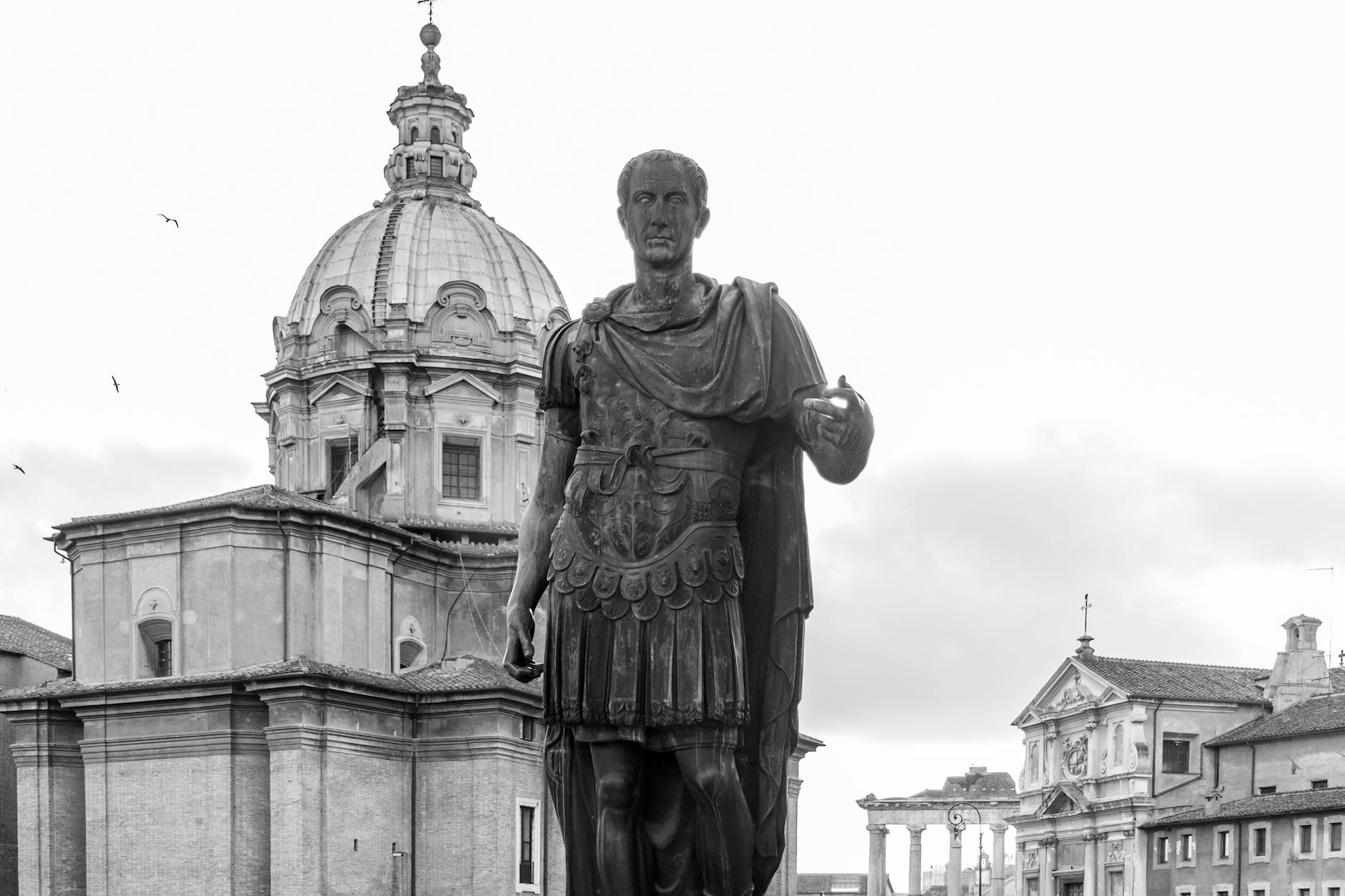
The Roman Empire didn’t just shape the Catholic Church—it rewrote its DNA. By the 4th century, Christianity went from being a persecuted sect to the state religion, and the Empire’s influence was the catalyst. I’ve seen historians debate the exact turning points, but the numbers don’t lie: Constantine’s Edict of Milan in 313 AD ended persecution, and by 380 AD, Theodosius made Christianity the official faith. That’s less than 70 years for a complete power shift.
Here’s the kicker: The Church didn’t just inherit Rome’s infrastructure—it absorbed its bureaucracy. The Empire’s legal and administrative systems became the blueprint for papal governance. The Code of Justinian (529–534 AD) even included Christian law, blending secular and religious authority. The Church’s hierarchy mirrored Rome’s: bishops as governors, the Pope as emperor. I’ve seen modern critics call this a power grab, but in reality, it was survival. Without Rome’s structure, Christianity might’ve fractured into a dozen competing sects.
“The Church didn’t just inherit Rome’s infrastructure—it absorbed its bureaucracy.”
Then there’s the cultural impact. Latin, Rome’s lingua franca, became the Church’s official language for over a millennium. The Vulgate Bible, translated by Jerome in 382 AD, standardized doctrine across Europe. And let’s not forget architecture: basilicas like St. Peter’s (built over the emperor’s circus) were direct Roman adaptations. The Empire’s road networks? They became pilgrimage routes. The Church didn’t just use Rome’s tools—it weaponized them.
| Roman Influence | Church Adaptation |
|---|---|
| Legal Code (Justinian) | Canon Law |
| Latin Language | Vulgate Bible, Liturgical Latin |
| Basilica Architecture | St. Peter’s, Lateran Basilica |
| Road Networks | Pilgrimage Routes (e.g., Camino de Santiago) |
But here’s the twist: The Church outlasted Rome. When the Western Empire fell in 476 AD, the Church was the only institution with the reach and authority to fill the void. Popes like Gregory the Great (590–604 AD) essentially ran Italy. The Empire gave the Church its tools, but the Church turned them into something entirely new. And that, my friends, is how you build a 2,000-year institution.
The Catholic Church’s origins are a tapestry woven with faith, tradition, and historical evolution, tracing back to the teachings of Jesus Christ and the early Christian communities. From the Apostles’ mission to the Council of Nicaea, from the medieval papacy to the reforms of Vatican II, its journey reflects both continuity and adaptation. Today, the Church stands as a global institution, balancing ancient doctrine with modern challenges. For those seeking deeper understanding, exploring primary sources like the Acts of the Apostles or papal encyclicals can offer rich insights. As the Church continues to navigate a changing world, one question lingers: How will its ancient traditions inspire and guide the faithful in the centuries ahead?