
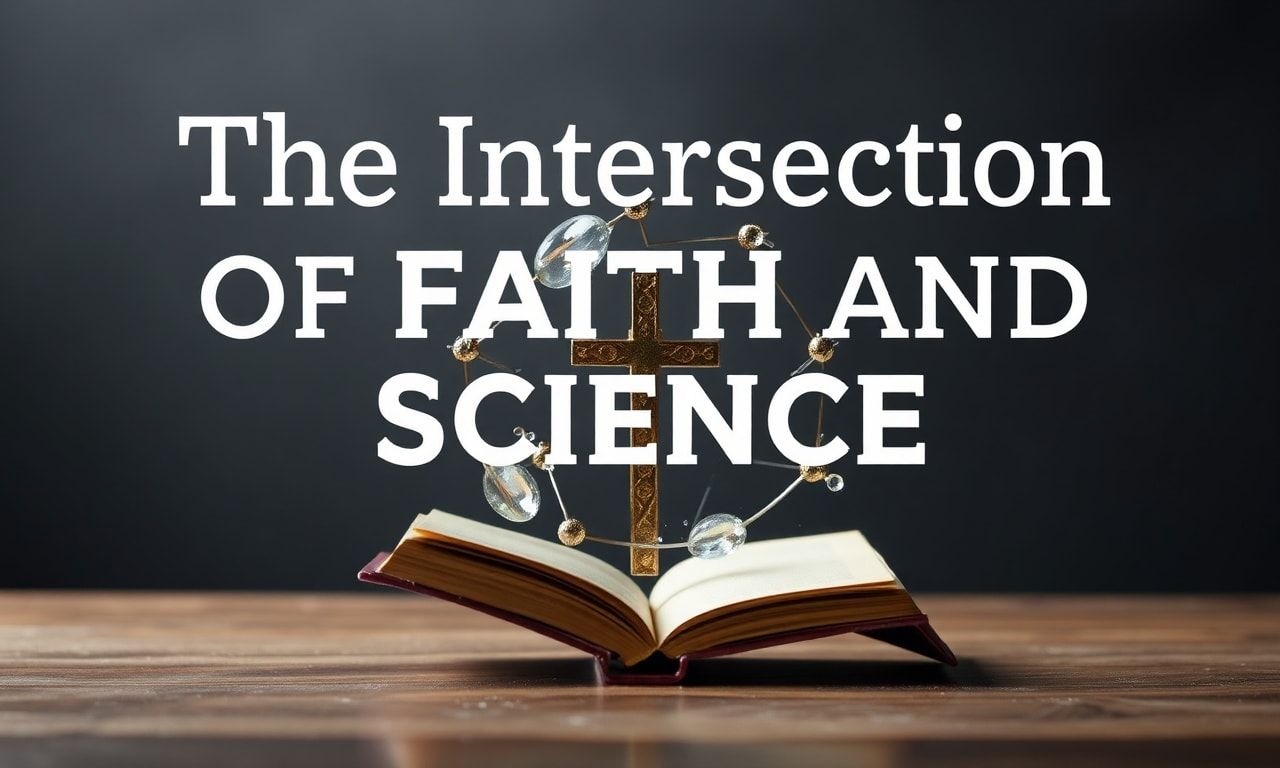
The Harmony of Faith and Reason
The Catholic Church has long championed the idea that faith and reason are not mutually exclusive but rather complementary. This perspective is rooted in the teachings of St. Augustine and St. Thomas Aquinas, who argued that faith and reason are two paths that lead to the same truth. In a world where scientific discoveries often challenge religious beliefs, understanding this harmony is more important than ever. The Catholic Church encourages its followers to engage with science, fostering a spirit of inquiry and discovery that aligns with the pursuit of truth.
The Role of the Catholic Church in Scientific Endeavors
Throughout history, the Catholic Church has been a patron of science and a catalyst for scientific progress. From the establishment of universities like the University of Paris and the University of Oxford to the contributions of Catholic scientists such as Gregor Mendel, the Church has played a pivotal role in advancing scientific knowledge. Today, Catholic institutions continue to support scientific research, emphasizing the importance of ethical considerations in scientific endeavors. This commitment to both scientific advancement and moral integrity is a testament to the Church’s holistic approach to knowledge.
For those interested in staying updated on the latest scientific discoveries, resources like science news updates now provide a wealth of information. These updates can help individuals stay informed about breakthroughs in various scientific fields, fostering a deeper appreciation for the natural world and its complexities.
Faith and the Natural World
The Catholic faith encourages a profound respect for the natural world, viewing it as a creation of God. This perspective is reflected in the Church’s teachings on environmental stewardship and the ethical treatment of animals. By recognizing the intrinsic value of all creation, Catholics are called to care for the Earth and its inhabitants as an act of worship and gratitude. This spiritual connection to nature can inspire a sense of awe and wonder, deepening one’s faith and appreciation for the divine.
The Ethical Dimensions of Science
As science continues to advance, ethical considerations become increasingly important. The Catholic Church provides a moral framework for navigating these complex issues, emphasizing the dignity of human life and the importance of responsible innovation. From biotechnology to artificial intelligence, the Church’s teachings offer guidance on how to harness scientific progress for the betterment of humanity while upholding ethical standards. This balance between innovation and morality is crucial in ensuring that scientific advancements serve the common good.
Catholic Education and Scientific Literacy
Catholic education plays a vital role in fostering scientific literacy among its students. By integrating faith and reason into the curriculum, Catholic schools and universities prepare students to engage with scientific concepts in a meaningful way. This approach not only enhances critical thinking skills but also encourages students to explore the intersection of faith and science. Through education, individuals can develop a deeper understanding of both the natural and spiritual dimensions of life, enriching their faith and intellectual pursuits.
In conclusion, the Catholic perspective on faith and science offers a unique and enriching approach to understanding the world. By embracing both faith and reason, individuals can navigate the complexities of modern life with wisdom and integrity. The Church’s commitment to scientific advancement and ethical considerations provides a valuable framework for engaging with the natural world and the mysteries of the divine.
You may also find The Intersection of Smart Home Technology helpful as it covers related aspects of this subject.
