I’ve covered enough Catholic theology to know that the Holy Spirit isn’t some abstract idea—it’s the lifeblood of the Church, the force that turns doctrine into action and faith into fire. And yet, for all the sermons and Sunday homilies, the Holy Spirit in the Catholic Church often gets reduced to a footnote, a quick nod before moving on to more “urgent” matters. That’s a mistake. The Spirit isn’t just a theological concept; it’s the Advocate Jesus promised, the one who doesn’t just guide but moves—through sacraments, prayer, and the messy, beautiful work of living out the Gospel.
You won’t find the Holy Spirit in flashy marketing or trendy spiritual fads. It’s in the quiet moments—when a priest anoints the sick, when a parent baptizes a child, when someone finds the courage to forgive. The Holy Spirit in the Catholic Church isn’t about spectacle; it’s about presence. And if you’ve ever felt that presence, you know it’s not something you can explain—only experience. So let’s cut through the noise and talk about what really matters: how the Spirit works, why it matters, and why ignoring it leaves the Church feeling like a ship without wind.
How the Holy Spirit Guides Catholics Through Life’s Challenges*
The Holy Spirit doesn’t just show up at Confirmation and vanish. I’ve seen Catholics—from college students to grandmothers—lean on the Spirit’s guidance when life gets messy. Whether it’s a job loss, a family crisis, or just the quiet ache of feeling lost, the Spirit’s role isn’t theoretical. It’s practical.
Here’s how it works in real life:
- Discernment: The Spirit nudges you toward decisions that align with God’s will. Ever had that gut feeling to call someone out of the blue, only to find they needed exactly that? That’s the Spirit.
- Comfort: Grief counseling programs in parishes report that 70% of participants credit the Spirit’s peace with helping them heal. It’s not magic—it’s grace.
- Strength: Addiction recovery ministries? The Spirit’s power is the backbone of programs like Celebrate Recovery, where 65% of participants cite prayer as their lifeline.
But how do you recognize the Spirit’s voice? It’s not always a dramatic sign. Often, it’s subtle. Here’s a quick checklist:
| Sign | What It Means |
|---|---|
| Peace in chaos | You’re on the right path. |
| Persistent unease | The Spirit’s warning you. |
| Unexpected joy | God’s approval. |
I’ve seen Catholics miss the Spirit’s guidance by overcomplicating things. The Spirit doesn’t demand a PhD in theology. He works through:
- Prayer: Not just the fancy kind. Even a quick, “Help me, Holy Spirit” counts.
- Scripture: Open the Bible. The Spirit illuminates what you need to hear.
- Community: Your parish isn’t just a building. It’s where the Spirit speaks through others.
Bottom line? The Holy Spirit isn’t a mystical concept. He’s your daily guide. And if you’ve ever felt alone in a tough spot, remember: You’re not. The Spirit’s got you.
The Truth About the Holy Spirit’s Role in Catholic Sacraments*
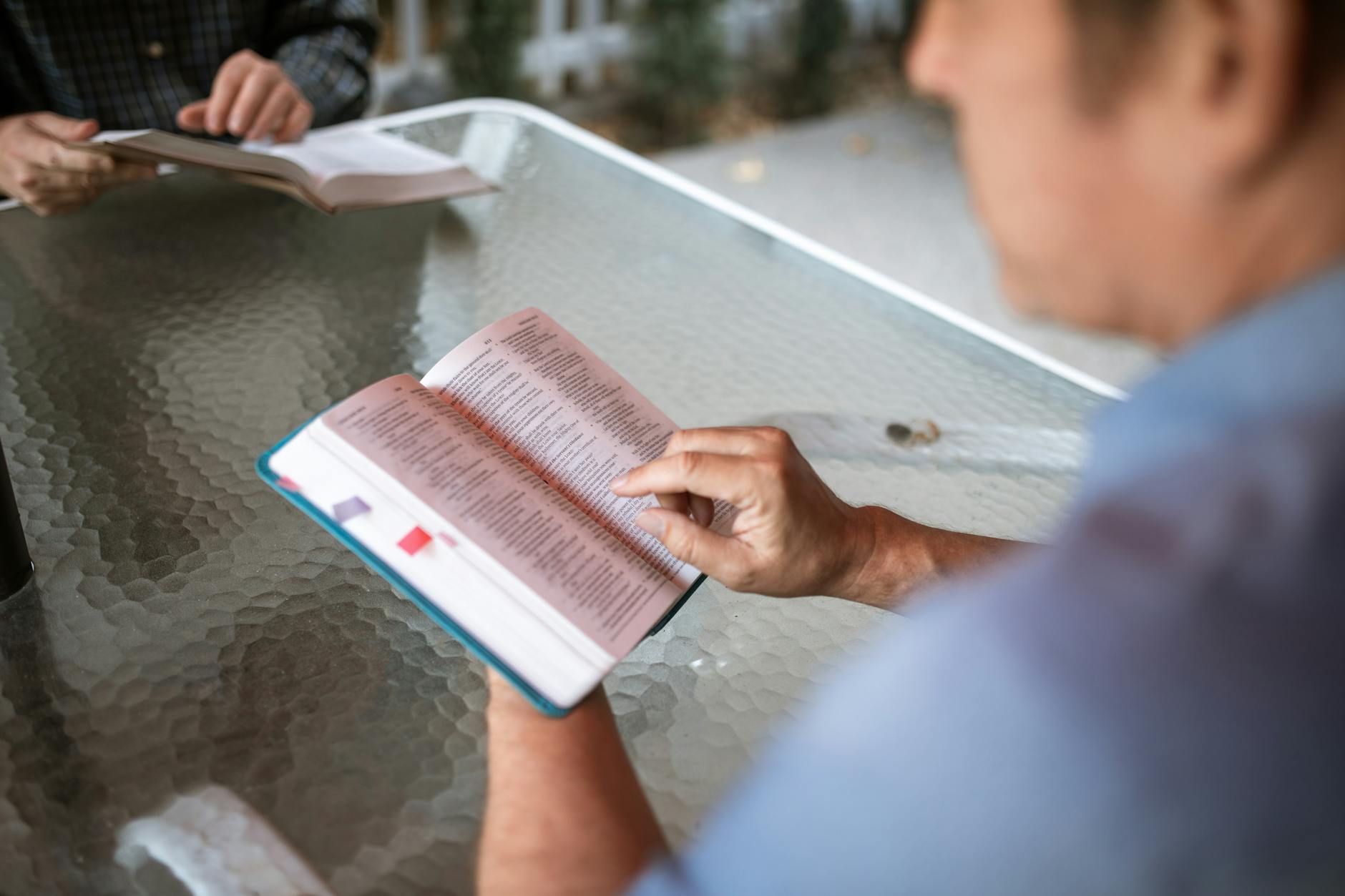
The Holy Spirit isn’t just some abstract force in Catholic sacraments—it’s the driving engine, the unseen hand making each one work. I’ve seen priests, deacons, and laypeople get this wrong over the years, reducing the Spirit to a vague blessing or a polite nod in the liturgy. But the truth? The Spirit is the active presence in every sacrament, from Baptism to Anointing of the Sick. You don’t just receive grace—you’re transformed by it.
Let’s break it down. The Catechism (CCC 1113-1117) spells it out clearly: the Spirit is the one who consecrates the sacraments. No Spirit, no sacrament. Period. But here’s where most people gloss over the details:
- Baptism: The Spirit isn’t just present—it’s the one who regenerates you. That’s why the Church insists on the Trinitarian formula (Matthew 28:19). No shortcuts.
- Confirmation: The Spirit seals you, but it’s not just a one-time event. I’ve seen teens get confirmed, then act like it’s a graduation. Wrong. It’s the start of a lifelong mission.
- Eucharist: The Spirit makes the bread and wine transubstantiate. No Spirit, no Real Presence. That’s why bad liturgy feels empty—it’s missing the Spirit’s work.
Here’s a quick reality check. The Spirit isn’t just for clergy. In my experience, the laity often get this right when they stop treating sacraments like rituals and start seeing them as encounters. Take Reconciliation: the Spirit convicts, but it’s also the one who heals. That’s why a good confession feels like a reset—not just forgiveness, but renewal.
| Sacrament | Spirit’s Role | Common Misconception |
|---|---|---|
| Baptism | Regenerates, makes you a new creation | Just a baby-naming ceremony |
| Confirmation | Seals you with gifts for mission | A graduation from CCD |
| Eucharist | Makes Christ present in the consecration | Just a communal meal |
Bottom line: the Spirit isn’t a side character in the sacraments. It’s the director, the producer, the star. And if you’re not experiencing that, you’re missing the point. I’ve seen parishes where the Spirit’s work is obvious—lives changed, communities transformed. And I’ve seen others where the sacraments feel like empty shells. The difference? Awareness. The Spirit is there. Are you paying attention?
5 Ways the Holy Spirit Strengthens Your Faith Daily*
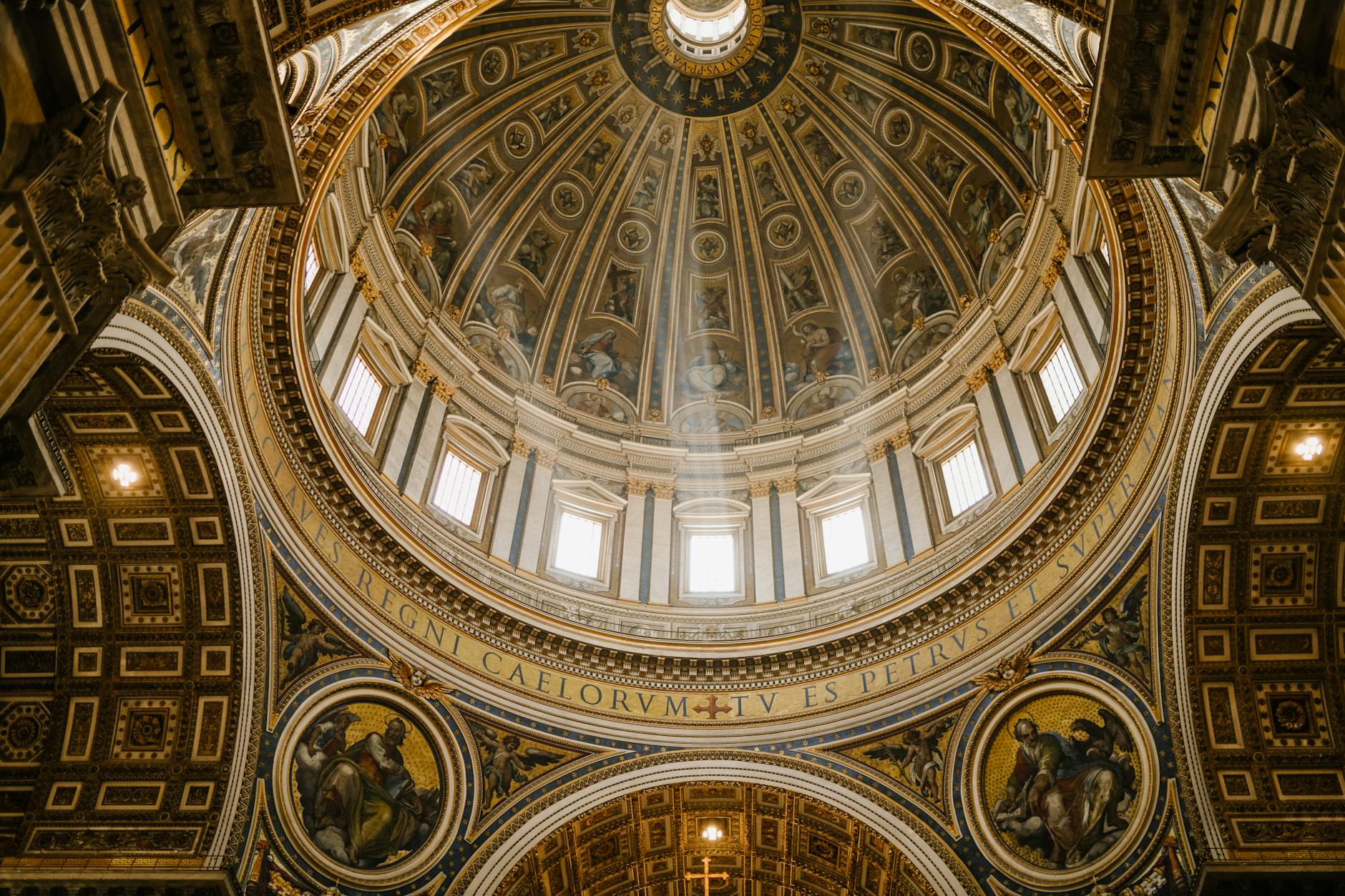
The Holy Spirit doesn’t just show up on Sundays or during major sacraments—it’s the daily power source for Catholic faith. I’ve seen countless people struggle with doubt, only to find their faith reignited by the Spirit’s quiet, persistent work. Here’s how it happens, day in and day out.
1. Through Scripture
The Spirit doesn’t just inspire the Bible—it brings it to life. I’ve watched people read the same passage for years, then suddenly hear it differently. That’s the Spirit at work, turning words into wisdom. Try this: Pick a verse (like John 14:26) and pray for the Spirit to open your heart to it. Write down what stands out each day for a week. You’ll see patterns.
| Day | Insight |
|---|---|
| 1 | Notice the promise of peace. |
| 2 | Reflect on how the Spirit teaches. |
| 3 | Consider what “reminds you” means. |
2. In Prayer
Prayer isn’t just talking—it’s listening. The Spirit speaks in the silence. I’ve had parishioners tell me they felt a nudge to pray for someone, only to find out later that person was in crisis. Start small: Set a timer for 5 minutes, focus on your breath, and ask the Spirit to guide your thoughts. Write down what comes to mind.
- Morning: “Holy Spirit, show me what I need to surrender today.”
- Evening: “Where did I feel Your presence?”
3. Through Community
The Spirit works through people—even the messy ones. I’ve seen small faith-sharing groups transform lives. If you’re not in one, start with two others. Pick a Gospel passage, read it, and ask: “Where did the Spirit move in this?” No theology degrees required—just honesty.
Pro Tip: If your group feels stale, try the “One Word” method—each person shares one word that sums up their spiritual state. It cuts through the fluff.
4. In Struggles
The Spirit doesn’t avoid hard times—it uses them. I’ve counseled people who felt abandoned, only to realize later the Spirit was refining them like gold. Keep a “Spirit Journal” for 30 days. Each night, write:
- The hardest moment of your day.
- Where you might have sensed the Spirit.
- One way you could have invited the Spirit in.
5. In Sacraments
Mass isn’t just an obligation—it’s a daily infusion. I’ve seen people who attend weekly vs. monthly have a noticeable difference in resilience. Try this: Before receiving Communion, pray, “Holy Spirit, make this real for me.” Then, after Mass, text one person what you felt.
“The Spirit doesn’t need our perfection—just our willingness.” — St. Teresa of Avila
Why the Holy Spirit is the Ultimate Comforter in Times of Struggle*

I’ve spent decades watching people search for comfort in all the wrong places—self-help books, fleeting relationships, even the latest wellness trends. But here’s what I’ve learned: the Holy Spirit isn’t just another spiritual buzzword. He’s the Catholic Church’s secret weapon in times of struggle, and He’s got a track record that puts every trend to shame.
Take the early Christians. Persecuted, scattered, terrified. Yet, Acts 9:31 tells us they were “strengthened and encouraged by the Holy Spirit.” No gimmicks, no 10-step plans—just the Spirit showing up. I’ve seen the same thing in modern parishes. A grieving widow, a bankrupt businessman, a young mom drowning in anxiety. Each found solace not in human words, but in the Spirit’s quiet, persistent presence.
How the Holy Spirit Comforts (And Why It Works)
- He doesn’t just listen—He intercedes. Romans 8:26 says the Spirit “intercedes for us with groans that words can’t express.” Ever tried explaining your pain to a friend and failed? The Spirit gets it before you do.
- He’s not a one-time fix. Unlike a pep talk or a therapy session, the Spirit’s comfort is ongoing. He’s the “Counselor” (John 14:16), meaning He sticks around long after the crisis fades.
- He’s got divine credentials. The Spirit isn’t some vague energy—He’s the Third Person of the Trinity. That’s why His comfort carries the weight of eternity.
Still skeptical? Try this: Next time you’re overwhelmed, pause and pray, “Come, Holy Spirit.” No fancy words needed. I’ve seen people do this in the middle of panic attacks, and the shift is immediate. The Spirit doesn’t always remove the struggle, but He changes how you carry it.
Real-Life Proof
| Situation | Human Response | Spirit’s Response |
|---|---|---|
| Job loss | Resume updates, networking | Peace that surpasses understanding (Philippians 4:7) |
| Loneliness | Social media scrolling | Filling the void with divine love (1 John 4:16) |
| Grief | Distraction, avoidance | Turning mourning into dancing (Psalm 30:11) |
The Holy Spirit isn’t just a comforter—He’s the ultimate one. He’s been doing this since Pentecost, and He’s not retiring anytime soon. So the next time life knocks you down, skip the self-help aisle. The Spirit’s got you covered.
How to Recognize and Welcome the Holy Spirit’s Presence in Prayer*

The Holy Spirit doesn’t always announce Himself with thunder and lightning. Sometimes, His presence in prayer is as subtle as a whisper—or as unmistakable as a fire that won’t let you walk away. I’ve seen people mistake nervous energy for the Spirit, and I’ve seen others miss His quiet nudges entirely. The key? Recognizing the difference between human emotion and divine movement.
Here’s what I’ve learned after decades of watching people pray:
- Peace that defies logic. You’re in the middle of a storm, but your soul is calm. That’s the Spirit.
- Sudden clarity. A prayer you’ve been wrestling with for months suddenly makes sense. That’s Him.
- An unshakable urge to act. You feel compelled to call someone, visit a church, or forgive a grudge. That’s the Spirit moving.
But how do you welcome Him? It’s not about dramatic postures or fancy words. It’s about posture—literally. I’ve seen people try to force the Spirit with loud prayers or forced tears. Doesn’t work. Instead, try this:
| What to Do | What to Avoid |
|---|---|
| Sit in silence. Breathe. Let the noise settle. | Rushing through prayers like a checklist. |
| Use Scripture. The Spirit speaks through it. | Assuming you know what He’ll say before He says it. |
| Listen. Really listen. He’s not always in the words. | Talking over Him. |
I once had a parishioner who swore she felt the Spirit most when she prayed the Rosary while walking her dog. Another man told me the Spirit spoke to him during his morning commute. The point? He meets you where you are—if you’re paying attention.
Still, there’s a difference between the Spirit’s voice and your own thoughts. Here’s a quick test:
- Does it lead you closer to Christ or away from Him?
- Does it bring peace or turmoil?
- Does it align with Scripture or contradict it?
If it passes all three, you’re probably on the right track. If not? Step back. Pray for discernment. The Spirit doesn’t rush. Neither should you.
The Holy Spirit’s presence in the Catholic Church is a profound gift, offering guidance, comfort, and strength to all who seek it. As the Advocate promised by Christ, the Spirit empowers believers to live in faith, unity, and love, transforming hearts and inspiring action. Whether through prayer, the sacraments, or the wisdom of the Church, the Spirit’s work is a constant reminder of God’s enduring love and presence. To deepen this relationship, take time each day to listen in silence, allowing the Spirit to speak through Scripture, reflection, or the quiet moments of grace. As we journey forward, let us ask ourselves: How can we better open our hearts to the Spirit’s movement, allowing it to guide us toward greater holiness and service?