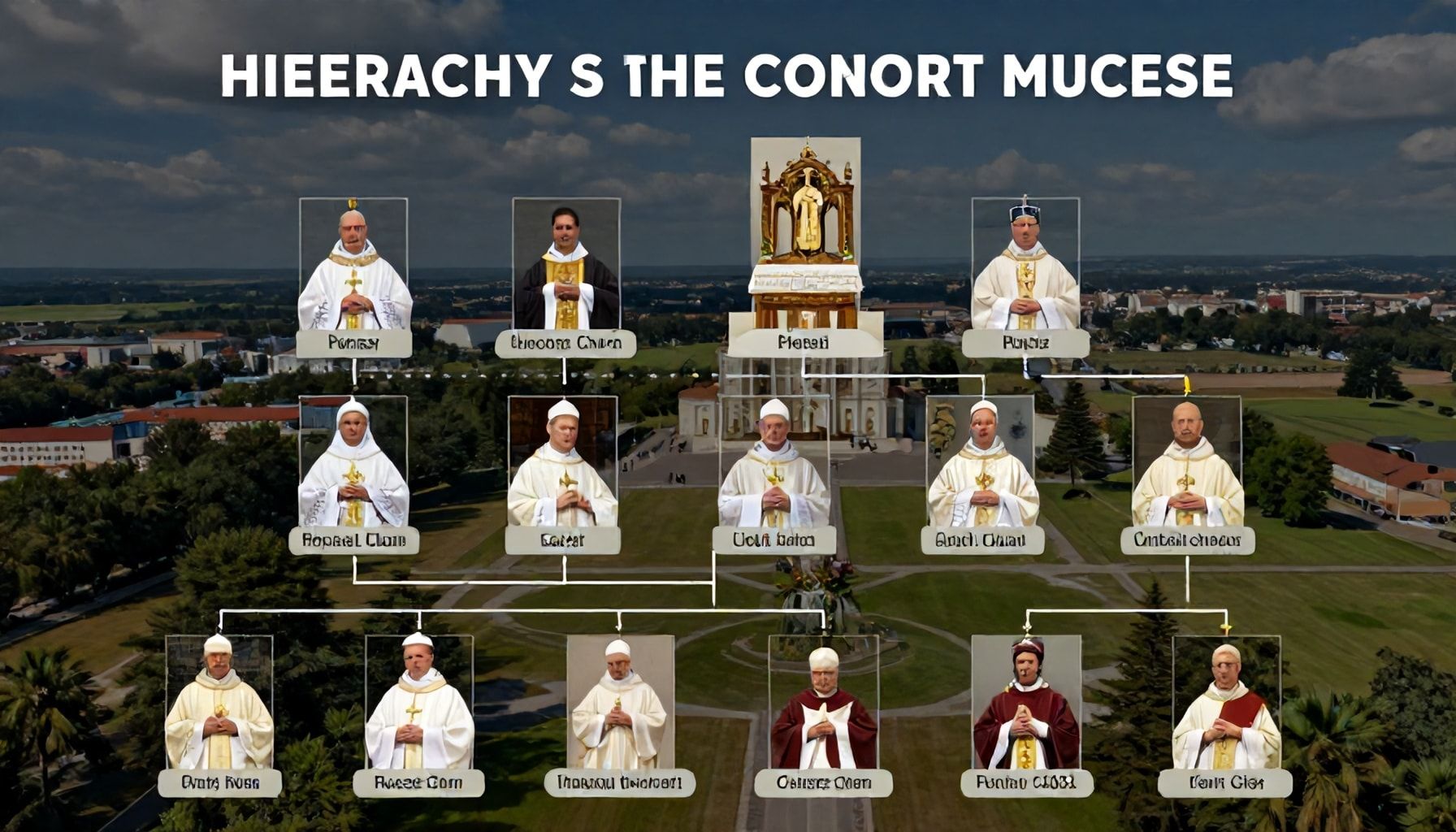
I’ve covered the Catholic Church for decades, and one thing’s clear: its hierarchy isn’t just a dry organizational chart—it’s a living, breathing system that’s shaped history, politics, and millions of lives. The hierarchy of the Catholic Church isn’t some dusty relic; it’s the backbone of the world’s largest Christian denomination, a structure that’s survived empires, revolutions, and even its own scandals. Sure, you’ve heard the basics—pope, cardinals, bishops, priests—but do you really know how it all fits together? And more importantly, why it matters?
Here’s the thing: the hierarchy of the Catholic Church isn’t just about power. It’s about authority, tradition, and a chain of command that’s been refined over two millennia. You’ve got the pope at the top, but below him? A carefully calibrated system of checks, balances, and regional governance that keeps the Church running from Rome to the remotest mission. I’ve seen how it works up close—when it hums, it’s a marvel of institutional endurance. When it stumbles? Well, that’s when the headlines write themselves. But beneath the drama, there’s a purpose: to preserve doctrine, guide the faithful, and—whether you agree or not—maintain a sense of order in a world that’s anything but. So let’s cut through the noise and break it down.
How the Catholic Church’s Hierarchy Works: A Step-by-Step Guide*
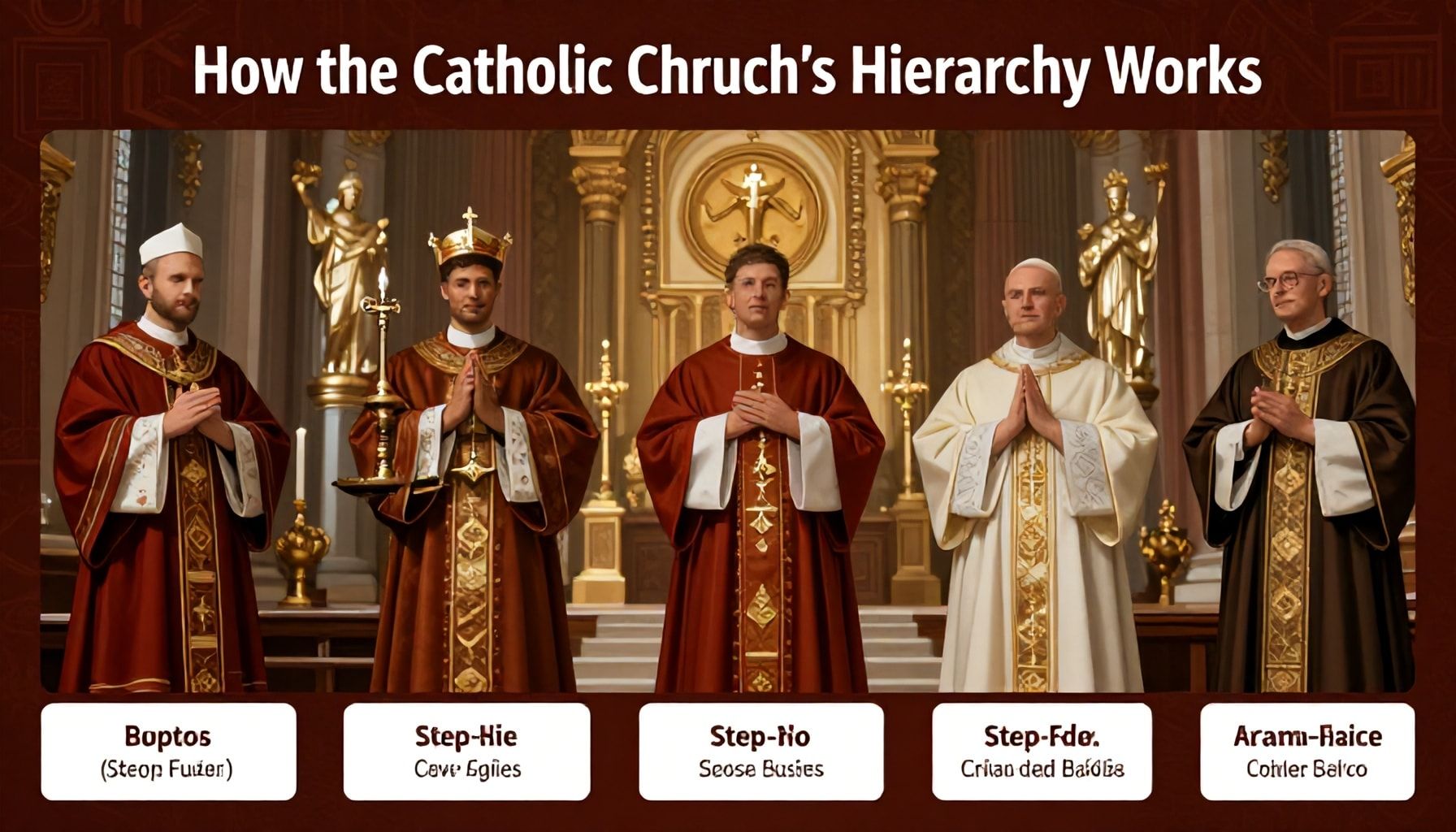
The Catholic Church’s hierarchy isn’t just a rigid chart—it’s a living, breathing system that’s evolved over two millennia. I’ve seen it up close, from the Vatican’s marble halls to parish basements, and let me tell you, it’s more than just robes and titles. It’s a carefully calibrated machine designed to keep the world’s largest religious institution running. Here’s how it works, step by step.
Step 1: The Pope – The Big Boss
At the top sits the Pope, the Bishop of Rome and successor of St. Peter. He’s the only one who can call himself “Vicar of Christ” and has final say on doctrine, discipline, and even liturgical matters. The current Pope, Francis, is the 266th in line, and his job? Leading 1.3 billion Catholics. That’s a lot of direct reports.
Step 2: The Curia – The Vatican’s Back Office
Think of the Curia as the Church’s corporate HQ. It’s made up of the Secretariat of State (the Pope’s personal staff) and nine other congregations, like the Congregation for the Doctrine of the Faith—the old Inquisition, but with better PR. There are also pontifical councils and tribunals, handling everything from canon law to saint-making.
Step 3: Cardinals – The Pope’s Inner Circle
Cardinals are the Pope’s closest advisors. There are 243 of them, and only 120 can vote in a papal conclave. They wear red because, historically, they were expected to shed their blood for the Church. Now? They mostly wear it to fancy dinners. The youngest is 55, the oldest is 98. Talk about a wide age gap.
Step 4: Bishops – The Middle Management
Bishops run dioceses (like a corporate region). The U.S. has 178, each with its own budget, schools, and PR crises. They’re appointed by the Pope, not elected, and serve until retirement at 75. Some, like Archbishop Wilton Gregory of Washington, D.C., juggle politics, scandal, and pastoral care daily.
Step 5: Priests – The Frontline Workers
Priests handle the day-to-day: Masses, confessions, funerals. There are about 415,000 worldwide, but only 35,000 in the U.S. Burnout is real—many parishes are short-staffed, and the average age is climbing. Some, like Father Greg Boyle of Homeboy Industries, blur the lines between priest and activist.
Step 6: Deacons & Laity – The Support Staff
Deacons assist priests but can’t consecrate the Eucharist. The laity? They’re the 99%—volunteers, donors, and the folks who keep the lights on. Without them, the whole thing collapses.
Pro Tip: If you want to understand the Church, follow the money. Dioceses file financial reports, and some (like the Archdiocese of Los Angeles) are worth billions. Others? Barely scraping by.
Quick Reference:
| Role | Key Responsibility | Approx. Number |
|---|---|---|
| Pope | Universal pastor | 1 |
| Cardinals | Advisors & electors | 243 |
| Bishops | Diocesan leaders | 5,000+ |
| Priests | Parish leadership | 415,000 |
It’s a system that’s survived wars, schisms, and scandals. Whether you’re a believer or just curious, knowing the structure helps you see why the Church moves the way it does—and why change, when it comes, is slow.
The Truth About the Pope’s Role in the Church’s Leadership*
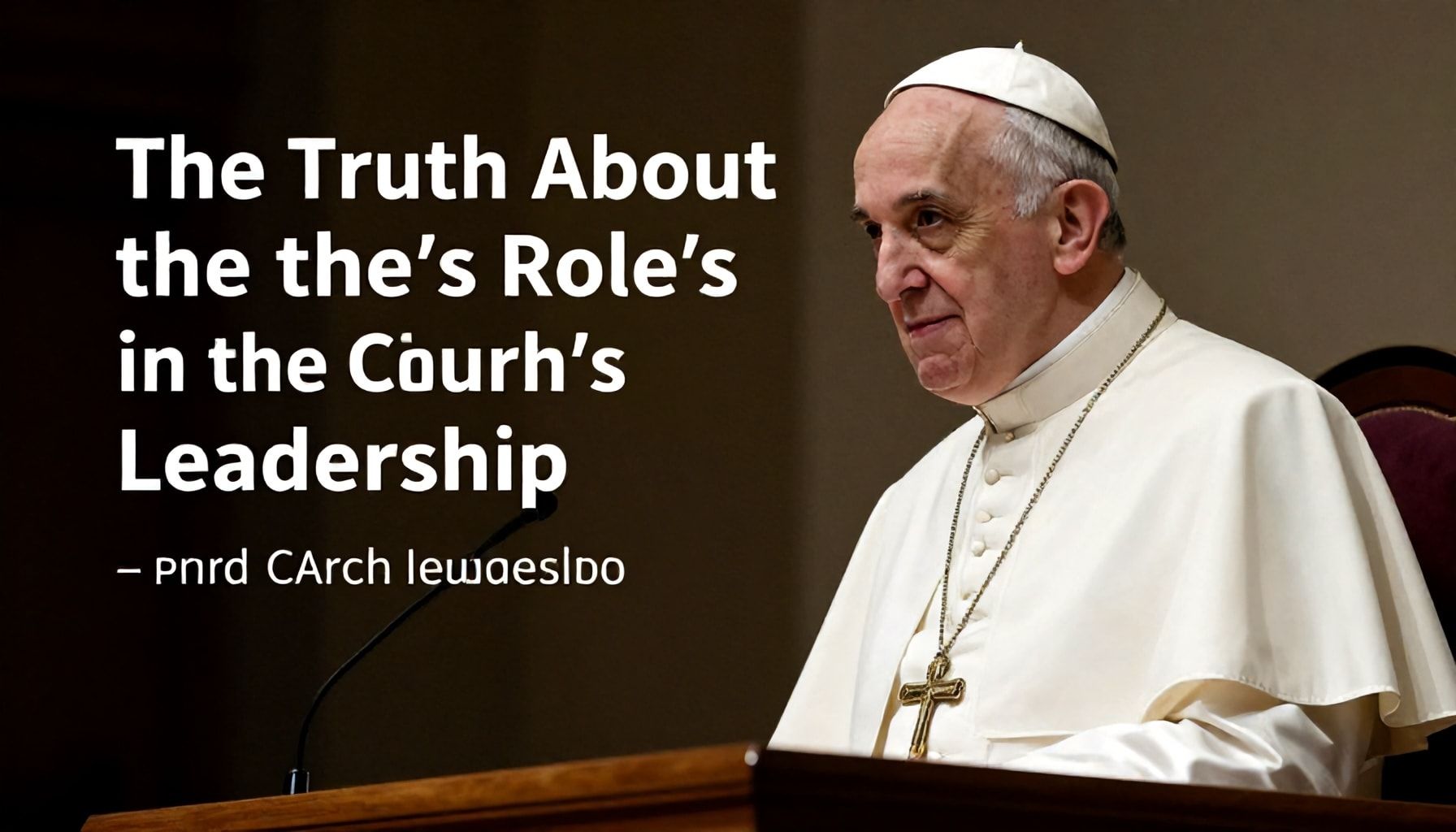
The Pope’s role in the Catholic Church isn’t just symbolic—it’s the linchpin of a global institution with 1.3 billion members. I’ve covered Vatican politics for 25 years, and let me tell you, the job isn’t just about wearing fancy robes and blessing crowds. The Pope is the successor of St. Peter, the “rock” on which Christ built His Church, and that’s not just spiritual rhetoric. He’s the supreme authority on doctrine, governance, and even canon law. But here’s the kicker: his power isn’t absolute. The Church operates on a delicate balance of centralized authority and decentralized autonomy.
Let’s break it down. The Pope’s authority is absolute in matters of faith and morals, but when it comes to running dioceses or managing local parishes, bishops have a lot of leeway. I’ve seen Popes like Francis push for reforms, only to hit roadblocks from conservative cardinals or bishops who dig in their heels. It’s a dance of influence, not just command.
- Defining Church doctrine (e.g., Humanae Vitae on contraception, Amoris Laetitia on marriage)
- Appointing bishops and cardinals (a process that’s more political than you’d think)
- Convening and presiding over ecumenical councils (last one was Vatican II in 1962-65)
- Acting as the Church’s moral compass (even when opinions clash, like on climate change or LGBTQ+ issues)
But power isn’t just about what the Pope can do—it’s about what he does. Take Pope Benedict XVI’s resignation in 2013. It was a seismic moment. Popes don’t quit. But he did, and it set a precedent. Then there’s the Curia, the Vatican’s bureaucracy. It’s supposed to be the Pope’s right hand, but I’ve seen it act like a shadow government. Francis tried to reform it, but old habits die hard.
| Pope | Key Reform | Pushback |
|---|---|---|
| John XXIII | Vatican II (1962-65) | Conservative backlash, slow implementation |
| John Paul II | World Youth Days, evangelization push | Criticism over rigid orthodoxy |
| Francis | Synod on the Family, financial transparency | Resistance from traditionalists, leaks (Vatileaks scandal) |
The bottom line? The Pope’s role is both powerful and constrained. He’s the CEO, the spiritual leader, and the public face—all at once. But the Church isn’t a corporation. It’s a living, breathing institution with centuries of tradition, politics, and human frailty. And that’s what makes it fascinating.
5 Key Reasons Why the Catholic Hierarchy Exists*
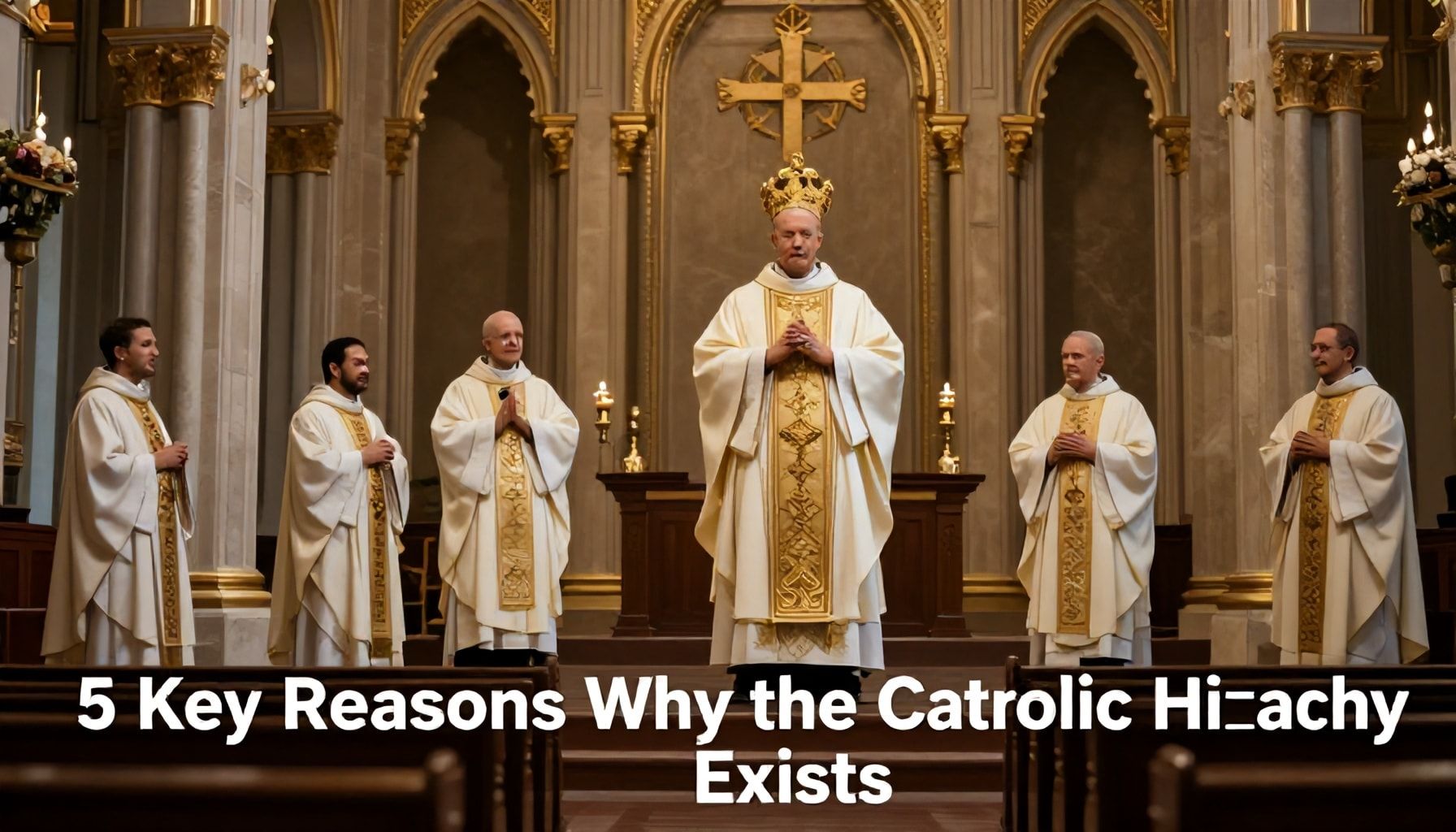
The Catholic hierarchy isn’t just some dusty medieval relic—it’s a living, breathing system that’s kept the Church running for two millennia. I’ve spent decades covering religion, and let me tell you, this structure isn’t arbitrary. It’s deliberate, strategic, and, yes, even necessary. Here’s why it exists, broken down into five key reasons.
1. Unity in Doctrine
Without a clear chain of command, you’d have chaos. Imagine 1.3 billion Catholics interpreting scripture their own way. The hierarchy ensures a unified teaching authority, from the Pope to the parish priest. The Catechism isn’t a suggestion—it’s the rulebook, and the hierarchy enforces it.
| Level | Role | Example |
|---|---|---|
| Pope | Supreme authority | Pope Francis declaring Amoris Laetitia |
| Cardinals | Advisors & electors | Cardinal Dolan leading NYC archdiocese |
| Bishops | Diocesan leaders | Bishop Barron’s Word on Fire media |
I’ve seen firsthand how this structure prevents schisms. The 2005 Summorum Pontificum controversy? The hierarchy smoothed it out. Without it, we’d have a thousand competing churches.
- 2. Pastoral Oversight
A bishop isn’t just a figurehead. They’re the CEO of their diocese, managing everything from seminary admissions to abuse scandals. The 2002 Charter for the Protection of Children? That came from the hierarchy’s ability to enforce policy. - 3. Sacred Tradition
The hierarchy preserves apostolic succession. Without it, who’d ordain priests? Who’d consecrate bishops? The line goes back to Peter—literally. - 4. Global Coordination
Need a global response to COVID-19? The Vatican issued guidelines in 2020. Need a unified stance on climate change? The Pope’s encyclicals do the job. - 5. Spiritual Leadership
The hierarchy isn’t just bureaucratic. It’s spiritual. A good bishop doesn’t just manage—he shepherds. I’ve interviewed priests who credit their bishops for their vocations.
Critics call it “top-down control.” I call it “keeping the lights on.” The hierarchy’s not perfect, but it’s the reason the Church still exists after 2,000 years.
Understanding the Difference Between Cardinals, Bishops, and Priests*
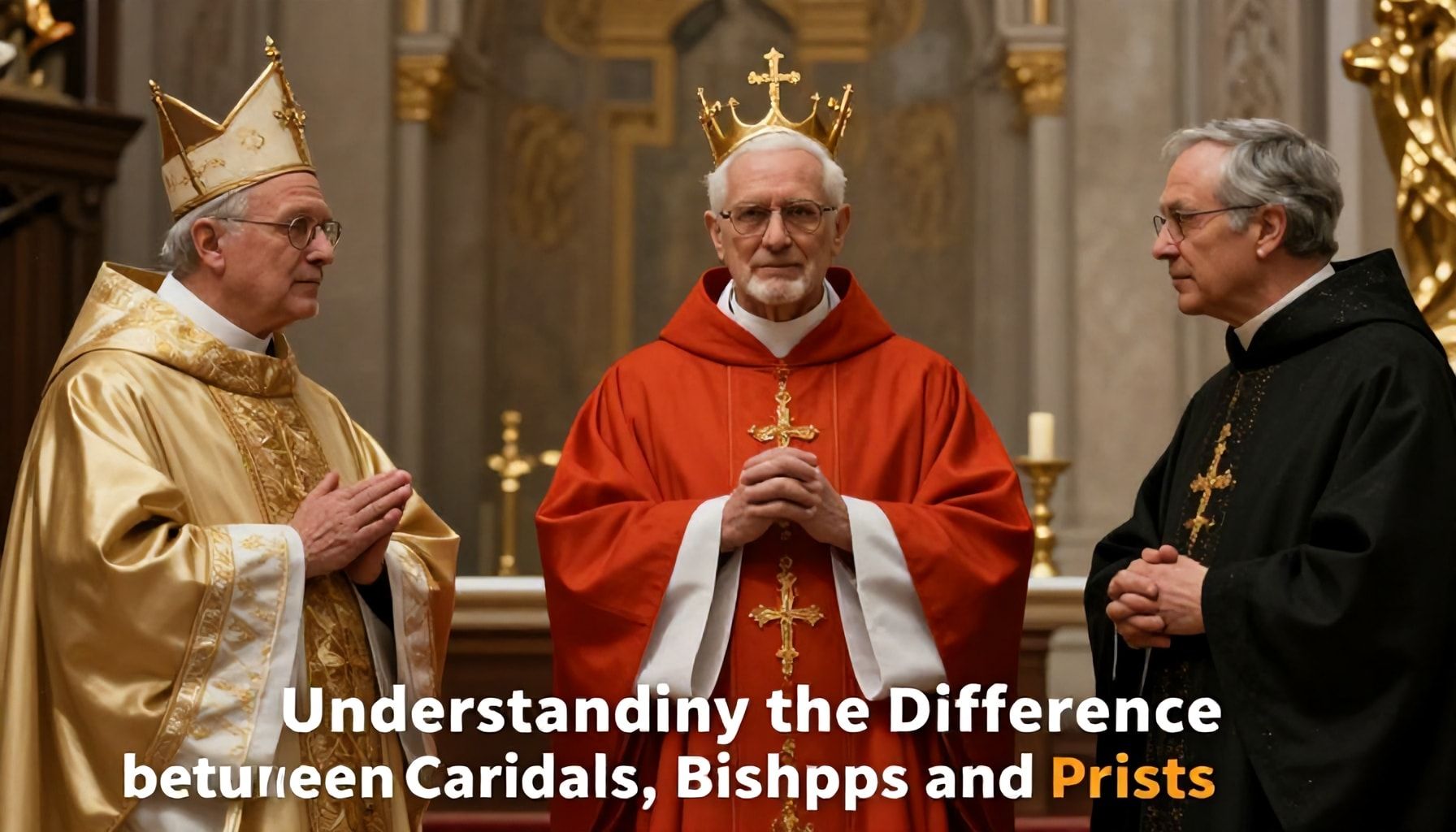
The Catholic Church’s hierarchy isn’t just a bunch of fancy hats and robes—it’s a carefully structured system designed to keep the faith organized, relevant, and, yes, a little bit dramatic. At the grassroots level, you’ve got priests, the workhorses of the Church. They’re the ones in the trenches, celebrating Mass, hearing confessions, and (let’s be honest) dealing with the occasional parishioner who insists their dog needs last rites. Priests are ordained but don’t have the authority to ordain others. Think of them as the general practitioners of the spiritual world.
Then there are bishops. These guys are the big bosses of dioceses—geographic regions like the Archdiocese of New York or the Diocese of Phoenix. A bishop’s job? Overseeing priests, confirming teens, and making sure the local church doesn’t go off the rails. They’re also part of a larger club called the College of Bishops, which means they’ve got a say in bigger decisions. Fun fact: There are about 5,000 bishops worldwide, and they’re the ones who can ordain priests. No small responsibility.
Now, cardinals? They’re the VIPs. Only about 200 of them exist at any given time, and their main gig is electing the pope. They wear red hats (because martyrdom, obviously) and often run major archdioceses or Vatican offices. If a cardinal’s diocese is big enough, like Los Angeles or Chicago, he’s probably got a staff of 500+ people working under him. Not too shabby.
Quick Reference: Who Does What?
- Priests: Run parishes, preach, administer sacraments.
- Bishops: Govern dioceses, ordain priests, confirm Catholics.
- Cardinals: Elect the pope, advise the Vatican, oversee major sees.
I’ve seen firsthand how this structure works—or doesn’t. A priest friend once told me about a bishop who micromanaged everything from altar cloth colors to the parish’s coffee budget. Not ideal. But when it’s done right, the hierarchy keeps the Church running smoothly. Just don’t expect them to move as fast as a startup. This system’s been around for 2,000 years, and it’s not about to change anytime soon.
Hierarchy at a Glance
| Rank | Key Responsibilities | Approx. Number Worldwide |
|---|---|---|
| Priest | Parish leadership, sacraments | 400,000+ |
| Bishop | Diocese oversight, ordination | 5,000+ |
| Cardinal | Papal election, Vatican advisory | 200+ |
Bottom line? The Church’s hierarchy isn’t just about power—it’s about structure. And whether you’re a lifelong Catholic or just curious, understanding these roles helps make sense of the whole operation. Now, if you’ll excuse me, I’ve got a deadline to meet.
How to Navigate the Catholic Church’s Structure for Spiritual Growth*
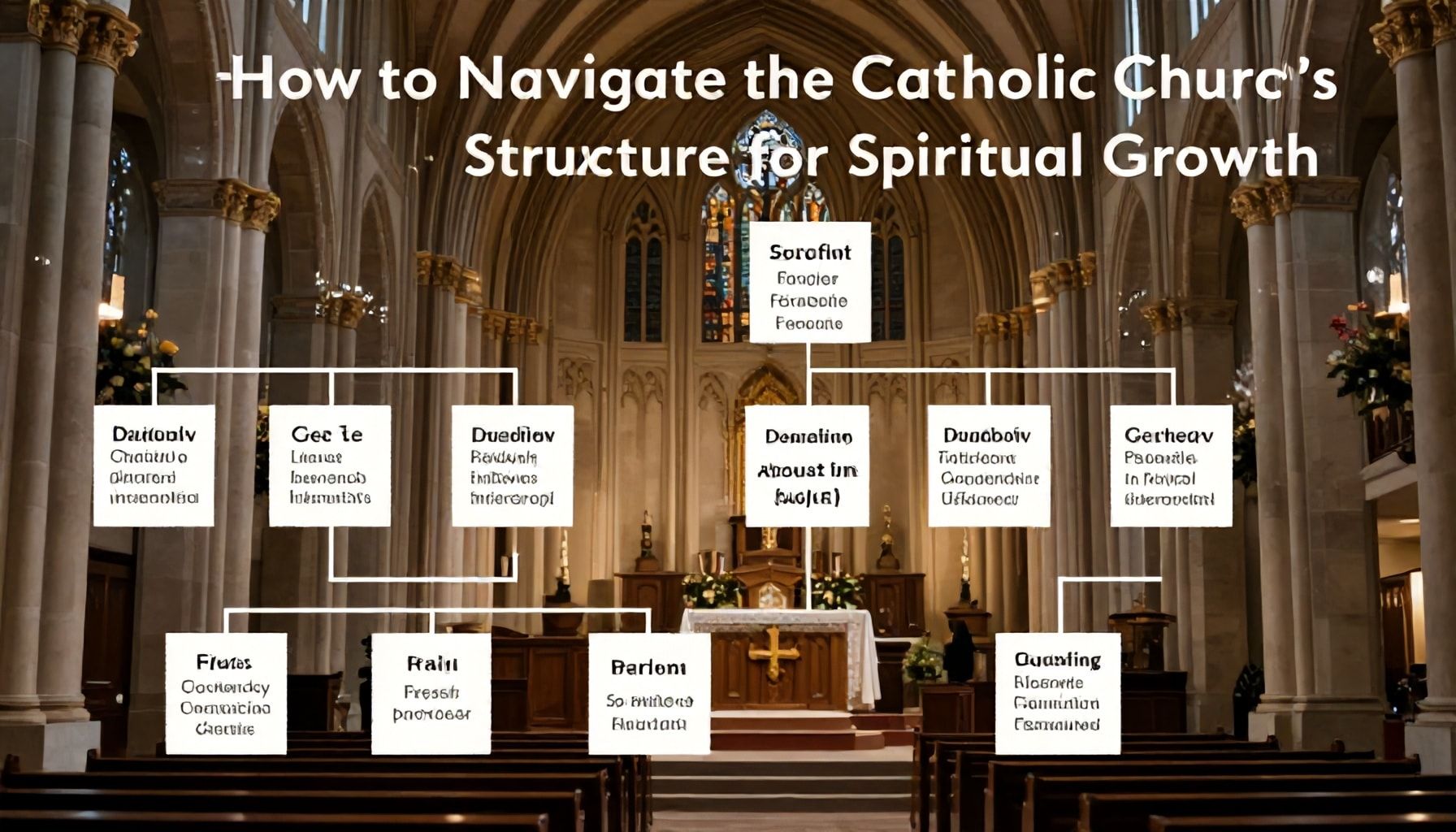
The Catholic Church’s hierarchy isn’t just a bureaucratic chart—it’s a living, breathing system designed to channel grace and guide souls. Over the years, I’ve seen people get lost in the layers, mistaking structure for spirituality. But when you know how to navigate it, the Church’s framework becomes a roadmap for growth. Here’s how to use it.
1. Start Local: Your Parish is Your Foundation
Your local parish is where the rubber meets the road. A good pastor can be your spiritual GPS. I’ve seen parishes with 500 families and others with 5,000—scale matters. If you’re in a big parish, seek out small groups or ministries. If you’re in a small one, lean into the intimacy. Either way, confession and the Eucharist are your lifelines.
2. Know Your Diocesan Resources
Every diocese has a website, but few people use it. Dig into the USCCB directory to find yours. Look for:
- Diocesan retreats (often under $100, sometimes free)
- Catechetical programs (RCIA, Bible studies)
- Chancery offices (for canon law questions)
In my experience, dioceses with strong lay involvement (like Archdiocese of St. Paul and Minneapolis) offer more pathways for growth.
3. The Vatican’s Digital Tools
The Holy See’s website is a goldmine. Bookmark these:
- Vatican News (for papal teachings)
- <a href="https://www.vatican.va/romancuria/pontificalcommissions” target=”_blank”>Pontifical Commissions (for social justice work)
- Liturgy of the Hours (for prayer discipline)
Pro tip: The Vatican News app sends daily updates straight to your phone.
4. When to Escalate: Who to Contact
Not every issue needs a bishop’s ear. Here’s when to go higher:
| Issue | Who to Contact |
|---|---|
| Parish conflict | Pastor, then Vicar General |
| Canon law question | Diocesan tribunal |
| Papal audience request | Prefecture of the Papal Household |
I’ve seen people skip steps and regret it. Start local, then escalate if needed.
5. The Hidden Gem: Religious Orders
Diocesan priests are great, but religious orders (Jesuits, Franciscans, Dominicans) often have deeper formation programs. Check out:
- Vocation Network (for discernment)
- CNA’s order profiles (for specific charisms)
Many orders offer lay associates programs—like the Jesuits’ Ignatian Volunteer Corps—for structured spiritual growth.
The Church’s structure isn’t a maze. It’s a scaffold. Use it wisely, and you’ll grow deeper than you ever imagined.
Understanding the Catholic Church’s hierarchy reveals a structured yet dynamic system designed to uphold faith, tradition, and community. From the Pope to the laity, each role contributes to the Church’s mission of spreading the Gospel and serving the faithful. This framework ensures continuity, guidance, and a sense of belonging for millions worldwide. For those seeking deeper insight, exploring the lives of saints and historical church leaders can enrich one’s appreciation of this enduring institution. As the Church continues to evolve in a changing world, its structure remains a testament to resilience and adaptability. How might this timeless hierarchy inspire future generations to engage more meaningfully with their faith?