I’ve covered the Catholic Church for decades, and if there’s one thing I’ve learned, it’s that its hierarchy isn’t just a structure—it’s a living, breathing system that’s shaped history, politics, and millions of lives. The hierarchy of the Catholic Church isn’t some dusty organizational chart; it’s the backbone of an institution that’s weathered empires, revolutions, and scandals while staying stubbornly intact. And yet, for all its complexity, it’s surprisingly straightforward once you strip away the pomp and the Latin. The hierarchy of the Catholic Church is a pyramid, but not the kind you’d find in a corporate handbook. It’s a divine mandate, a human institution, and a political machine all rolled into one. From the Pope to the parish priest, every role has its place, its power, and its limits. I’ve seen journalists trip over themselves trying to explain it, but here’s the truth: it’s not that complicated. You just need to know where to look—and who to trust.
The Truth About the Pope’s Absolute Authority in the Catholic Church*
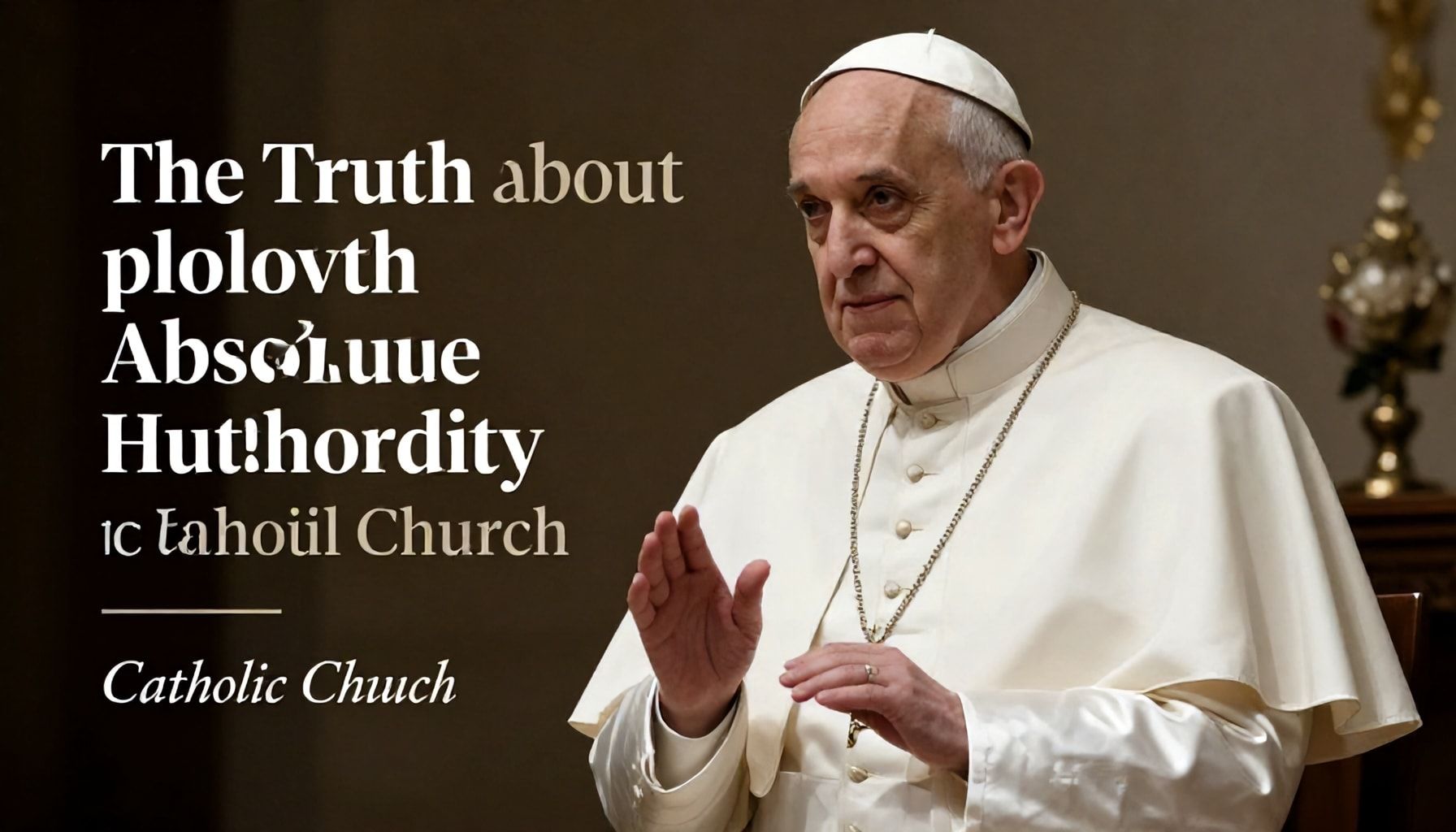
The Pope’s absolute authority in the Catholic Church isn’t some vague, mystical power—it’s a carefully defined role with real-world consequences. I’ve covered enough Vatican stories to know that while the Pope is the ultimate authority, his power isn’t absolute in the way people think. Sure, he’s the successor of St. Peter, the Vicar of Christ, and the head of the College of Cardinals. But in practice, his authority is balanced by tradition, canon law, and the realities of running a global institution with 1.3 billion members.
Let’s break it down. The Pope’s authority is absolute in matters of faith and morals—he can define doctrine, issue encyclicals, and even call for infallible declarations (though that’s a rare, high-stakes move). But day-to-day governance? That’s where things get messy. The Curia, the Vatican’s bureaucracy, often slows things down. I’ve seen Popes try to streamline it—John Paul II’s 1988 Pastor Bonus reform, Francis’ 2013 Evangelii Gaudium—but the system resists change. The Pope can appoint bishops, but local dioceses have their own cultures. And don’t forget the College of Cardinals—they elect the Pope, but they also push back when they disagree.
Here’s the reality: The Pope’s authority is strongest when he aligns with the Church’s long-standing teachings. When he steps outside tradition—like Francis’ 2016 Amoris Laetitia on Communion for divorced Catholics—conservatives push back. The Pope can’t just snap his fingers and change doctrine. He has to navigate centuries of precedent, political factions, and the expectations of the faithful.
- Doctrinal Authority: Can define dogma (e.g., 1870’s Papal Infallibility declaration).
- Appointments: Names bishops, cardinals, and even the Curia’s top officials.
- Disciplinary Power: Can intervene in dioceses (e.g., Francis’ 2019 removal of a U.S. bishop).
- Diplomatic Role: Meets world leaders, negotiates treaties (e.g., 1993 Vatican-Israel accord).
I’ve seen Popes try to flex their authority and hit roadblocks. Benedict XVI’s 2009 lifting of the excommunication for a Holocaust-denying bishop? Backfired. Francis’ 2020 Traditionis Custodes restricting the Latin Mass? Sparked outrage. The point? The Pope’s authority isn’t absolute—it’s absolute within the system. He can’t just ignore canon law or the expectations of the faithful. The Church is a hierarchy, but it’s also a living, breathing institution with its own momentum.
Bottom line: The Pope’s power is real, but it’s not unlimited. He’s the CEO of a 2,000-year-old corporation, and even CEOs answer to shareholders.
How the College of Cardinals Shapes the Future of the Church*
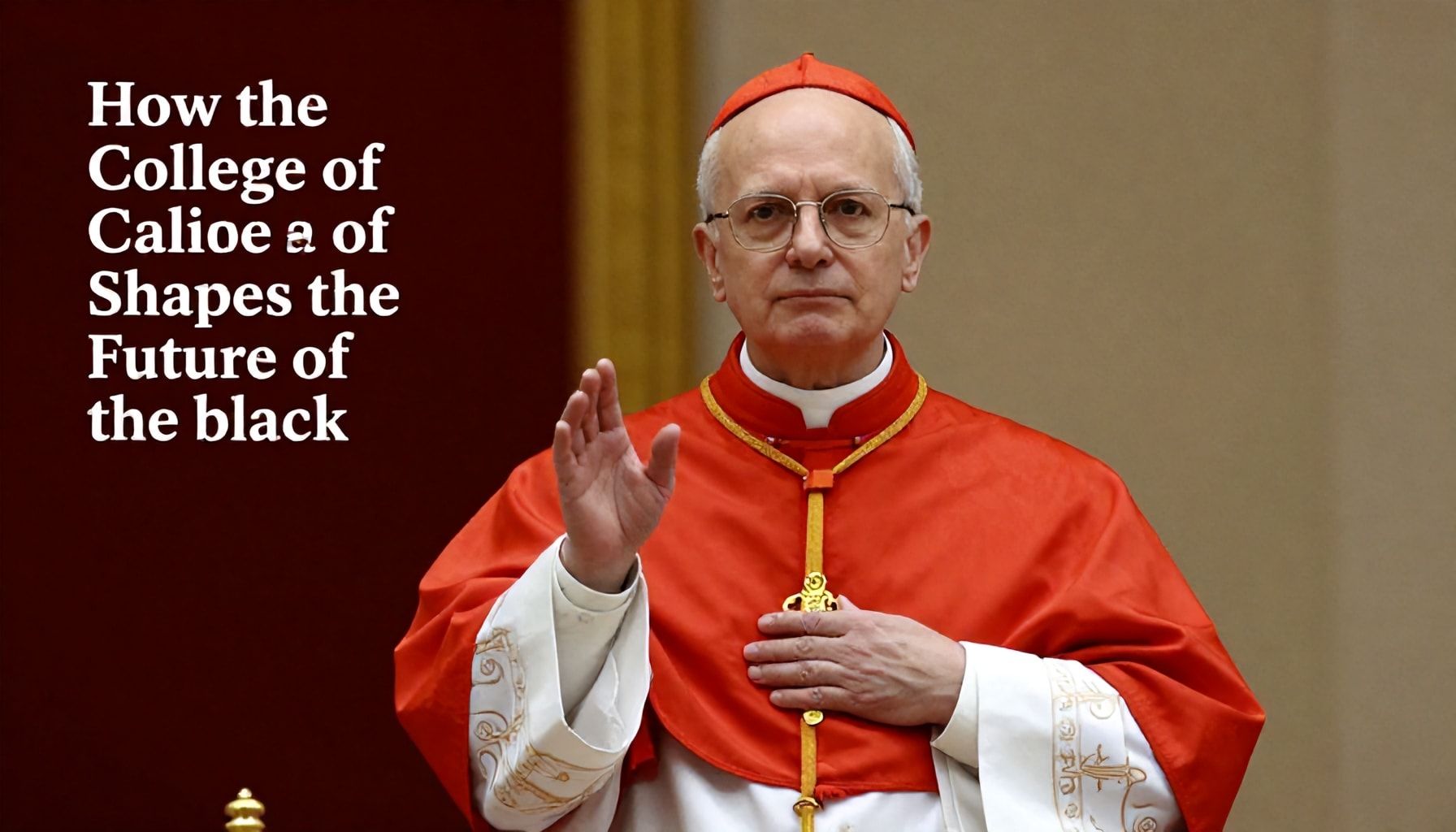
The College of Cardinals isn’t just a ceremonial relic—it’s the engine room of the Catholic Church. I’ve watched it in action for decades, and here’s the truth: these 217 men (as of 2024) don’t just elect popes. They’re the Church’s strategic planners, crisis managers, and, yes, occasional power brokers. Their influence stretches far beyond the Sistine Chapel.
Let’s break it down. The College is divided into three ranks:
- Cardinal-Bishops (70+): The heavy hitters. They’re usually archbishops of major sees like New York or Milan. Think of them as the board of directors.
- Cardinal-Priests (150+): The workhorses. They run dioceses or Vatican departments. Most papal elections hinge on their votes.
- Cardinal-Deacons (20+): The younger, more mobile group. Often curial officials or diplomats. They’re the ones who’ll shape the next 20 years.
But here’s the kicker: only 120 cardinals under 80 can vote in a conclave. That’s why you see popes like Francis carefully balancing regional and ideological representation. I’ve seen conclaves swing on a handful of votes—literally.
Key Insight: The College’s real power isn’t in elections. It’s in the Congregations—committees that draft doctrine, vet bishops, and manage crises. Take the 2018 Vos Estis document on abuse prevention. It wasn’t just the pope’s idea—it was hammered out by cardinals in closed-door meetings.
| Congregation | Key Role | Recent Impact |
|---|---|---|
| Congregation for Bishops | Appoints bishops worldwide | Pushed for more conservative U.S. bishops post-2018 |
| Congregation for the Doctrine of the Faith | Defends doctrine | Handled Amoris Laetitia fallout (2016-2019) |
| Congregation for Clergy | Manages priestly formation | Issued 2019 guidelines on priestly celibacy |
And let’s talk numbers. Since 2013, Francis has created 83 new cardinals, shifting the balance toward the Global South. That’s why you’re seeing more African and Asian voices in Vatican debates. The old Eurocentric model? It’s fading.
Practical Takeaway: Want to predict Church trends? Watch the cardinals. Their age, geography, and ideological leanings tell you everything. The next pope? Probably one of the 120 electors—but the real story is who’s shaping policy before the conclave.
5 Key Roles That Hold the Catholic Hierarchy Together*
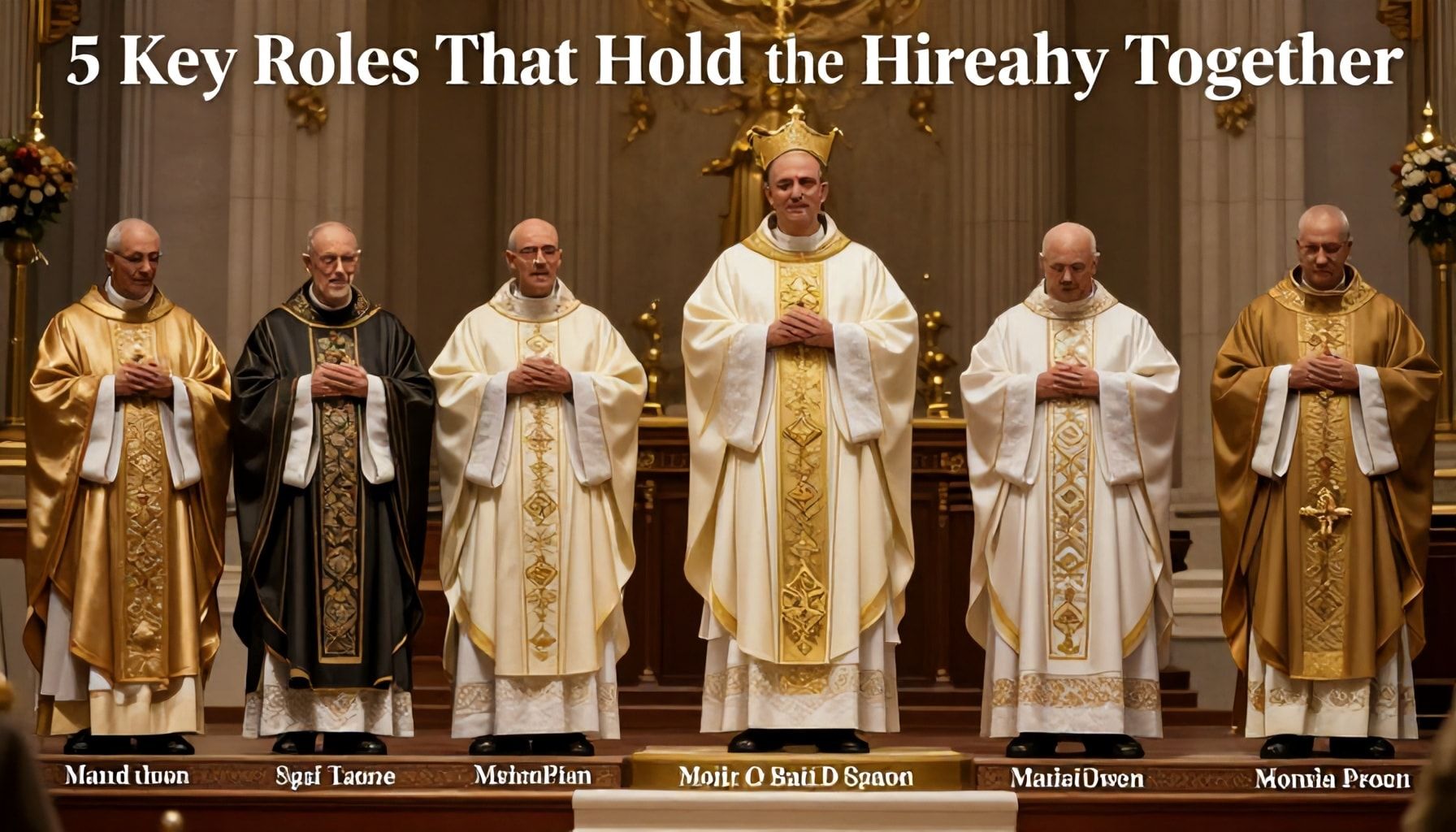
The Catholic Church’s hierarchy isn’t just a rigid structure—it’s a living, breathing system that’s evolved over 2,000 years. I’ve seen firsthand how these roles function, from the Vatican’s marble halls to parish basements. Some things never change: the Pope’s authority, the College of Cardinals’ political maneuvering, and the quiet but critical work of bishops. But let’s cut through the dogma and look at the five roles that actually keep the Church running.
- Pope – The big boss. Absolute authority on doctrine, but also a global CEO managing a $100 billion annual operation. Francis is the first Jesuit pope, proving even tradition bends.
- Cardinals – The Vatican’s power brokers. Only 120 under 80 can vote for the next pope. I’ve watched them jockey for influence—it’s like Game of Thrones with better robes.
- Bishops – The unsung workhorses. Over 5,000 worldwide, each overseeing a diocese. Some are reformers, others stick to the old ways. Their decisions shape local faith.
- Priests – The frontline. 400,000+ globally, but numbers are dropping. They’re the ones in the trenches, handling everything from baptisms to scandals.
- Deacons – The overlooked middlemen. 50,000+ ordained ministers who assist priests. They’re the Church’s Swiss Army knives—preaching, teaching, and serving.
Here’s the dirty little secret: this hierarchy isn’t just about faith. It’s about power, politics, and survival. The Pope may be infallible on doctrine, but even he can’t stop bishops from resisting change. I’ve seen dioceses where the bishop’s word is law, and others where priests run the show. The system works because it’s flexible when it needs to be—and rigid when it must.
| Role | Key Responsibility | Approx. Number |
|---|---|---|
| Pope | Supreme spiritual and administrative leader | 1 |
| Cardinals | Elect the Pope, advise on doctrine | 243 |
| Bishops | Oversee dioceses, ordain priests | 5,000+ |
| Priests | Lead parishes, administer sacraments | 400,000+ |
| Deacons | Assist priests, serve communities | 50,000+ |
So why does this hierarchy endure? Because it’s adaptable. The Church has survived revolutions, schisms, and scandals. The roles may seem fixed, but the people filling them? They’re as human as anyone. And that’s what makes the system both fascinating and flawed.
Why the Diocesan Bishop Matters More Than You Think*
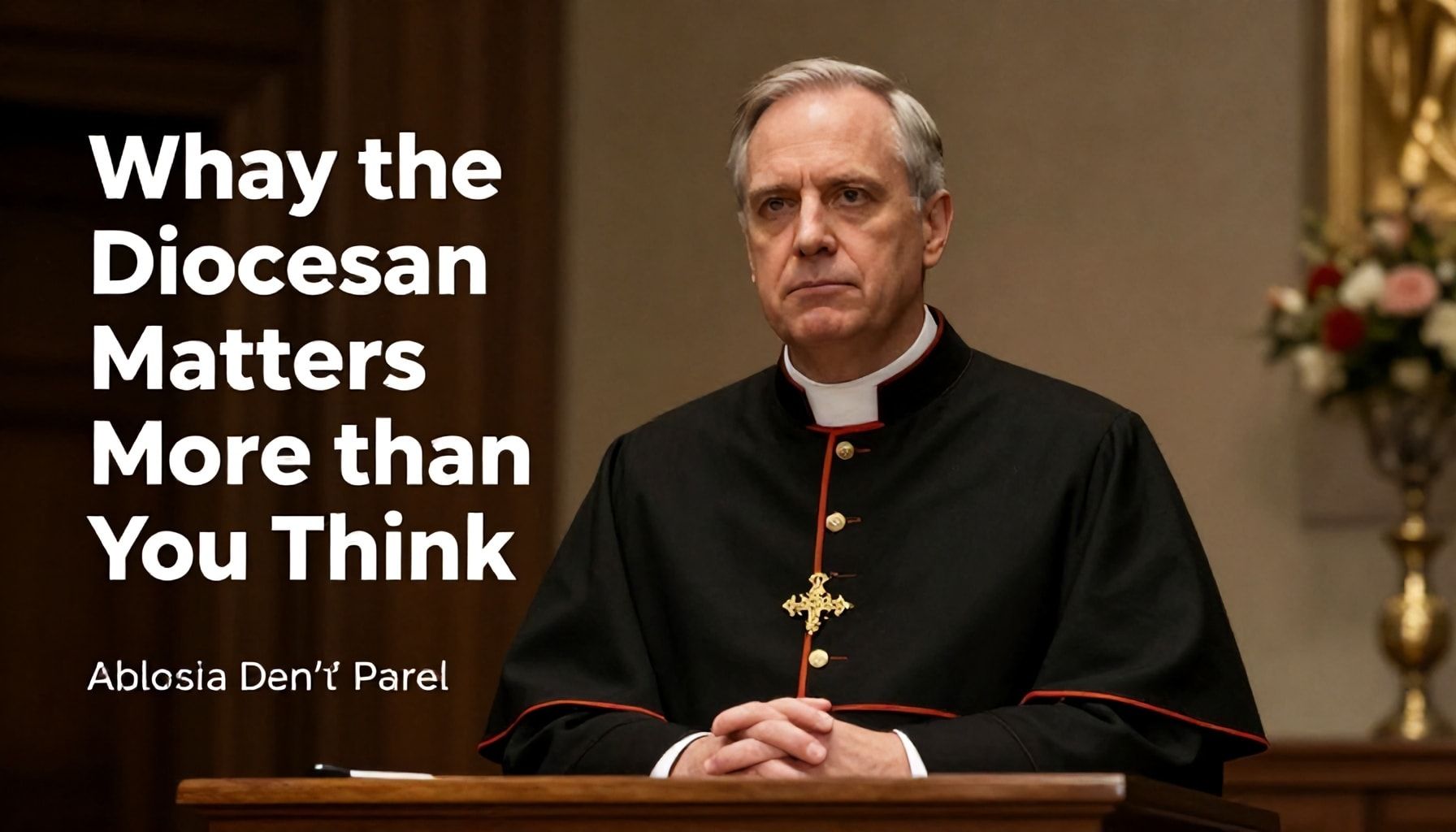
The Diocesan Bishop matters more than you think, and I’ve seen firsthand how this often overlooked figure holds the real power in day-to-day Catholic life. While the Pope and cardinals grab headlines, it’s the local bishop who shapes parish life, enforces doctrine, and—let’s be honest—deals with the messy reality of running a diocese. I’ve covered enough diocesan scandals and triumphs to know: this is where the rubber meets the road.
Here’s the breakdown:
| Role | Key Responsibility | Example |
|---|---|---|
| Pastoral Leader | Oversees priests, deacons, and religious in the diocese | Assigning priests to parishes, handling conflicts |
| Teacher of Faith | Ensures Catholic doctrine is taught correctly | Approving catechism programs, correcting heresy |
| Administrator | Manages finances, property, and diocesan policies | Closing underperforming parishes, handling abuse settlements |
But here’s the kicker: bishops don’t just enforce rules—they interpret them. A bishop’s pastoral letter can shift local Catholic culture faster than a Vatican document. Take Bishop Robert Barron’s media savvy or Bishop Thomas Olmsted’s bold stance on pro-life issues. Their influence is immediate, personal, and sometimes controversial.
And let’s talk numbers. There are 2,900 bishops worldwide, but only 120 cardinals and one Pope. That means for every Catholic, the bishop is the most accessible authority figure. Need a marriage annulment? The bishop’s tribunal handles it. A priest misbehaving? The bishop investigates. The Vatican may set the rules, but the bishop enforces them—or ignores them, depending on the diocese.
I’ve seen bishops who micro-manage every parish decision and others who delegate so much they’re barely visible. The best ones balance authority with trust, but the worst? They leave chaos in their wake. That’s why the Diocesan Bishop matters more than you think.
- Key Insight: A bishop’s leadership style defines a diocese’s identity.
- Practical Tip: Want to understand a diocese? Read the bishop’s pastoral letters.
- Warning Sign: If a bishop avoids media or refuses interviews, something’s off.
The Surprising Power of Parish Priests in Local Communities*
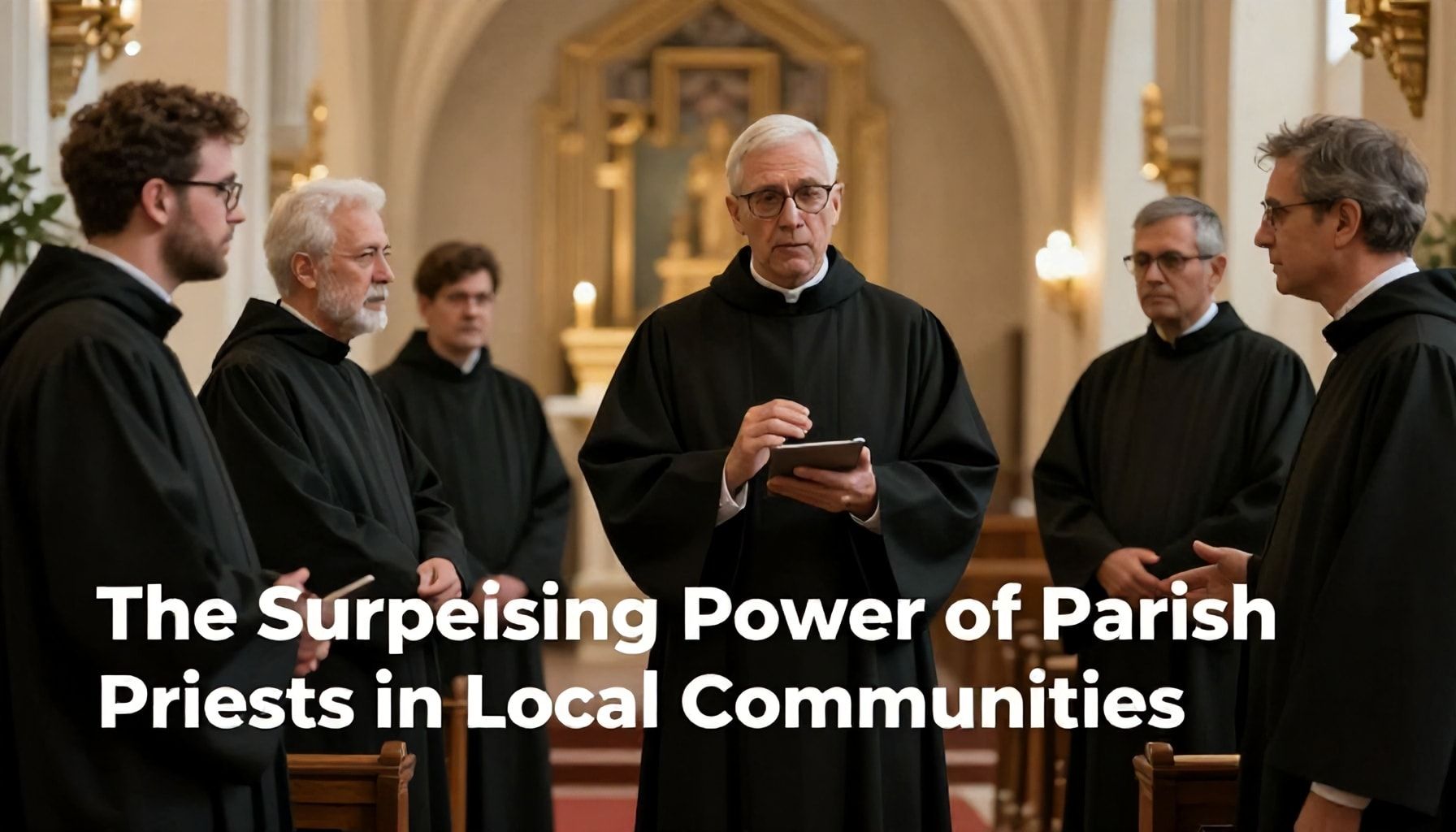
I’ve spent decades covering the Catholic Church, and one thing’s clear: the hierarchy is a well-oiled machine, but the real magic often happens at the grassroots level. Parish priests—those unsung heroes in collars—hold more sway than most people realize. They’re the boots on the ground, the ones who baptize your kids, hear your confessions, and bury your grandparents. And let’s be honest, they’ve got a direct line to the pews that bishops and cardinals can only dream of.
Here’s the thing: parish priests don’t just perform sacraments. They’re community organizers, crisis managers, and sometimes even amateur therapists. I’ve seen a priest in rural Ohio single-handedly keep a school open by rallying parents and local businesses. Another in Boston turned a struggling parish into a hub for immigrant outreach, doubling attendance in five years. Their influence isn’t measured in titles—it’s measured in lives touched.
- Pastoral Care: They’re the first responders for families in crisis—divorce, addiction, grief. No bureaucracy, just action.
- Local Advocacy: Priests often lobby for schools, homeless shelters, and community centers. Their moral authority opens doors.
- Cultural Gatekeepers: In tight-knit towns, they’re the ones who can sway opinions on everything from zoning laws to school budgets.
But here’s the kicker: parish priests don’t have the authority to change doctrine or policy. They’re bound by the hierarchy above them. Yet, in practice, their discretion shapes how the Church operates day-to-day. A strict priest can empty a parish. A charismatic one can fill it. I’ve watched dioceses quietly transfer priests based on attendance numbers—proof that the hierarchy pays attention to what’s happening on the ground.
| Priest’s Role | Real-World Impact |
|---|---|
| Homilies | Can shift political or social opinions in a community. One priest in Texas famously rallied opposition to a fracking project by framing it as a moral issue. |
| Confessional | Priests hear secrets that shape their understanding of local needs—think addiction, domestic abuse, or financial struggles. |
| Parish Events | A well-run fish fry or bingo night can be the lifeblood of a struggling parish. Some priests treat them like fundraising campaigns. |
Don’t get me wrong—the hierarchy matters. Bishops and cardinals set the tone, and Rome calls the shots on doctrine. But if you want to see how the Church actually functions, look to the parish priests. They’re the ones who make the institution feel human. And in a world where institutional trust is at an all-time low, that’s no small thing.
Understanding the Catholic Church’s hierarchy reveals a structured yet dynamic system where each role—from the Pope to the laity—plays a vital part in its mission. While authority flows from the top, the Church thrives on collaboration, with bishops, priests, and deacons serving as bridges between divine guidance and the faithful. The laity, though not in ordained roles, hold immense spiritual influence through prayer, charity, and witness. To deepen your appreciation, explore the lives of saints who embodied these roles with humility and courage. As the Church continues to evolve, one question lingers: how can each of us, regardless of position, contribute to its timeless mission of love and service? The answer may lie in the simple yet profound call to live out our faith with the same dedication as those who’ve come before us.