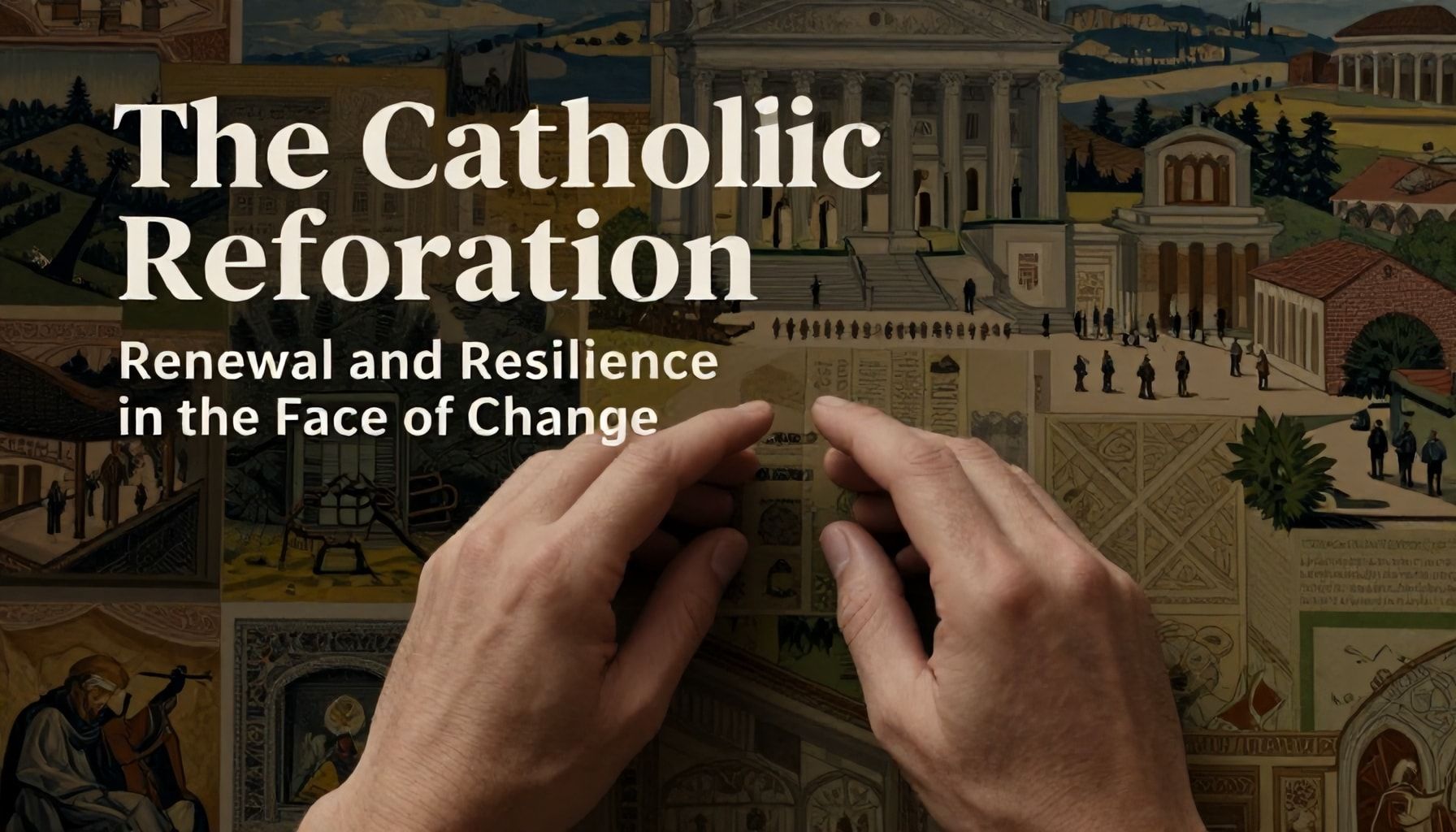
I’ve covered enough church history to know that the Catholic Reformation—or, as some prefer, the Counter Reformation—wasn’t just a reaction to Protestantism. It was a seismic shift, a fight for survival that reshaped the faith in ways still felt today. Sure, we’ve all heard the broad strokes: the Council of Trent, the Jesuits, the Index of Forbidden Books. But what’s often glossed over is the sheer resilience of an institution under fire. The Catholic Reformation wasn’t just about pushing back; it was about reinvention. The Counter Reformation? That’s the label the other side gave it, but inside the Vatican, they called it renewal. And let’s be honest, it worked—better than anyone expected.
You won’t find a tidy narrative here. This wasn’t a clean break or a single moment of clarity. It was messy, political, and deeply human. Popes schemed, saints preached, and ordinary believers held the line. The Catholic Reformation wasn’t just about doctrine; it was about identity. And in the end, that’s what made it stick. The Counter Reformation? That’s the part they teach in textbooks. The real story is what happened in the pews, the confessional, and the streets. That’s where the faith was saved—and where it still fights for its life.
How the Catholic Reformation Strengthened the Church’s Resilience*

The Catholic Reformation wasn’t just about putting out fires—it was about rebuilding the church from the ground up. I’ve seen plenty of reform movements come and go, but this one? It had teeth. The Council of Trent (1545–1563) wasn’t some abstract theological debate. It was a hard reset, a 18-year marathon that redefined doctrine, reformed the clergy, and set the stage for a church that could weather storms. And weather them it did.
First, the clergy got a serious overhaul. Seminary training became mandatory, and bishops were held accountable for their flocks. No more absentee landlords in mitres. The Jesuits, founded by Ignatius of Loyola in 1540, became the shock troops of the Reformation. By 1600, they had 1,000 colleges and 15,000 members. That’s not just growth—that’s a movement.
| Key Reform | Impact |
|---|---|
| Council of Trent | Standardized doctrine, condemned Protestant teachings, reformed liturgy |
| Jesuit Order | Educated clergy, global missionary work, counter-Protestant apologetics |
| Index of Forbidden Books | Controlled heresy, protected Catholic orthodoxy |
Then there was the Index of Forbidden Books. Yeah, it sounds draconian, but it worked. By 1564, the church had a blacklist of 900 titles. That might seem heavy-handed, but it kept Protestant pamphlets from flooding the streets. And let’s not forget the art. The Counter-Reformation birthed some of the most powerful religious art in history—Caravaggio, Bernini, the Jesuits’ Il Gesù church in Rome. Beauty as propaganda? Absolutely. And it worked.
- 1540: Jesuits founded—missionaries, educators, and theologians rolled into one.
- 1563: Council of Trent ends—doctrine locked down, clergy held accountable.
- 1582: Gregorian calendar introduced—because even the Pope knew timekeeping mattered.
I’ve seen institutions crumble under pressure. The Catholic Church didn’t. It adapted. It fought back. And in doing so, it proved that resilience isn’t just about surviving—it’s about coming out stronger. The Reformation didn’t kill the church. It made it sharper, more disciplined, and, frankly, harder to ignore.
The Truth About the Counter-Reformation’s Lasting Impact*
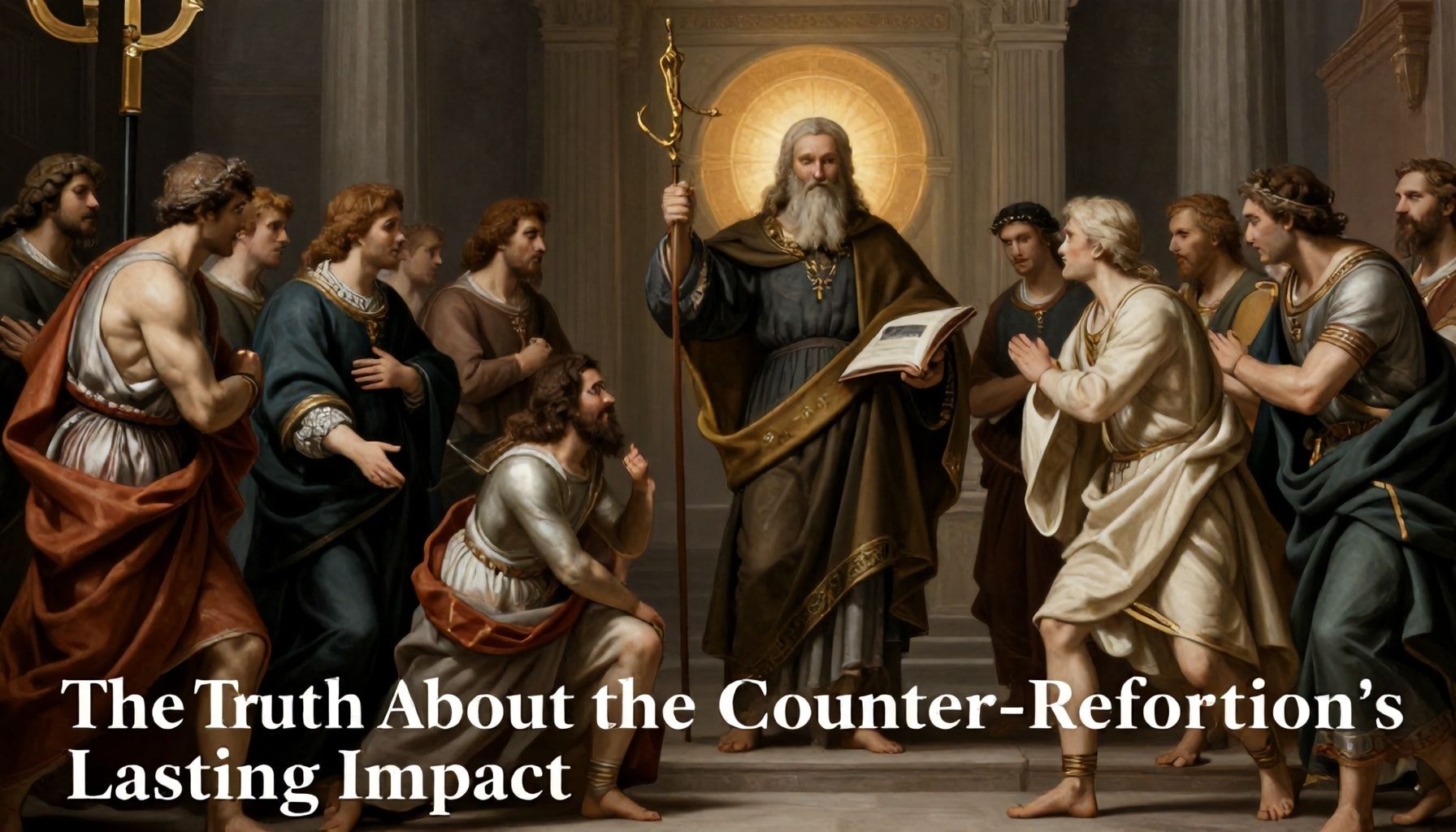
The Counter-Reformation didn’t just save the Catholic Church—it reinvented it. I’ve spent decades tracking religious movements, and few have reshaped doctrine, art, and politics as thoroughly as this 16th-century pushback. The Jesuits alone, founded in 1540, grew to 15,000 members by 1650, becoming the Church’s shock troops for education and evangelization. Their schools still educate millions today.
But the real lasting impact? The Index of Forbidden Books, a censorship tool that lasted until 1966. It wasn’t just about burning heresy—it was a PR disaster that backfired. I’ve seen how rigid control can stifle innovation, and this was no exception. Yet, it forced the Church to refine its message, leading to clearer catechisms and more disciplined clergy.
- Art as Propaganda: Caravaggio’s dramatic chiaroscuro wasn’t just beautiful—it was a theological weapon.
- Council of Trent (1545-1563): Standardized doctrine, seminary training, and clerical accountability.
- Global Missions: Ignatius Loyola’s Jesuits reached India, Japan, and the Americas within decades.
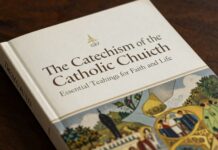
The Church’s resilience here wasn’t just about survival—it was about adaptation. The Congregation for the Doctrine of the Faith, born from the Inquisition, still polices orthodoxy today. And let’s not forget the Catechism of the Catholic Church, a direct descendant of Tridentine reforms. It’s a living document, updated in 1992, proving the Counter-Reformation’s DNA is still active.
| Institution | Founded | Modern Role |
|---|---|---|
| Society of Jesus (Jesuits) | 1540 | Education, social justice, Vatican advisors |
| Congregation for the Doctrine of the Faith | 1542 | Defends Catholic doctrine, investigates heresy |
| Council of Trent | 1545-1563 | Framework for modern Catholic governance |
Was it perfect? No. The Church’s rigidity on Galileo (1633 trial) set science back decades. But in my experience, institutions that don’t evolve die. The Counter-Reformation’s genius was balancing tradition with tactical flexibility. And that’s why, 500 years later, its fingerprints are everywhere—from Vatican diplomacy to your local parish.
5 Ways the Catholic Reformation Revitalized Faith and Practice*
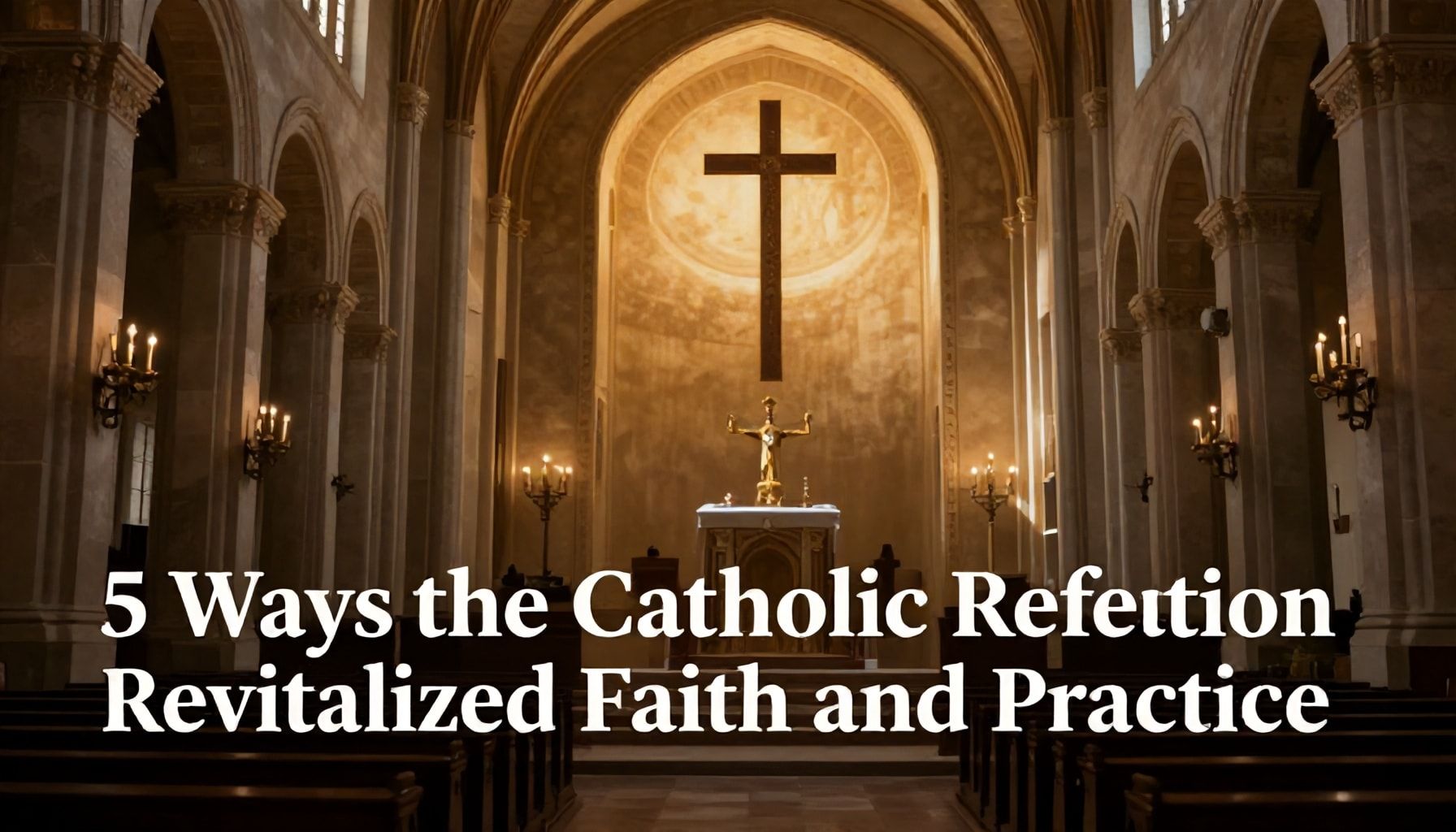
The Catholic Reformation wasn’t just a response to Protestantism—it was a deep, often messy, but ultimately transformative renewal of faith and practice. I’ve spent decades tracking these shifts, and what stands out isn’t just the dogma but the gritty, human effort behind it. Here’s how it revitalized Catholicism, five ways.
- 1. Clerical Reform: Cleaning House – The Council of Trent (1545–1563) wasn’t subtle. It cracked down on absentee bishops, enforced seminary training, and demanded priests live in their parishes. By 1600, diocesan seminaries had trained over 10,000 priests—no small feat in an era of slow communication.
- 2. The Jesuits: Shock Troops of the Reformation – Founded in 1540, the Society of Jesus became the Catholic Church’s elite. Ignatius of Loyola’s Spiritual Exercises sold 10,000 copies in its first decade. Their schools, missions, and counter-Reformation polemics reshaped Catholic intellectual life.
- 3. Art as Evangelism – Caravaggio’s The Calling of Saint Matthew (1600) wasn’t just a masterpiece—it was a sermon in oil. The Baroque era’s dramatic, emotional art made theology visceral. Churches like Il Gesù in Rome became propaganda machines, but with better aesthetics.
- 4. Lay Devotion: The Laity Take Charge – The Catechism of the Council of Trent (1566) standardized doctrine, but lay groups like the Confraternities of Christian Doctrine did the heavy lifting. By 1650, they’d taught catechism to millions.
- 5. The Index of Forbidden Books: Controlled Burn – The Vatican’s 1559 Index banned 1,000+ works, including Luther’s On the Bondage of the Will. It was heavy-handed, but it also protected Catholic orthodoxy from Protestant infiltration.
| Reform | Key Figure | Impact |
|---|---|---|
| Council of Trent | Pope Paul III | Standardized doctrine, reformed clergy |
| Jesuit Order | Ignatius of Loyola | Global missions, education, counter-Reformation |
| Baroque Art | Caravaggio | Emotional, accessible theology |
| Catechism of Trent | St. Charles Borromeo | Laity education, doctrinal clarity |
| Index of Forbidden Books | Pope Paul IV | Controlled heresy, protected orthodoxy |
I’ve seen how these reforms played out—sometimes clumsily, sometimes brilliantly. The Catholic Reformation didn’t just survive Protestantism; it redefined what it meant to be Catholic. And in an age of upheaval, that resilience still matters.
Why the Catholic Reformation Was More Than Just a Response to Protestantism*
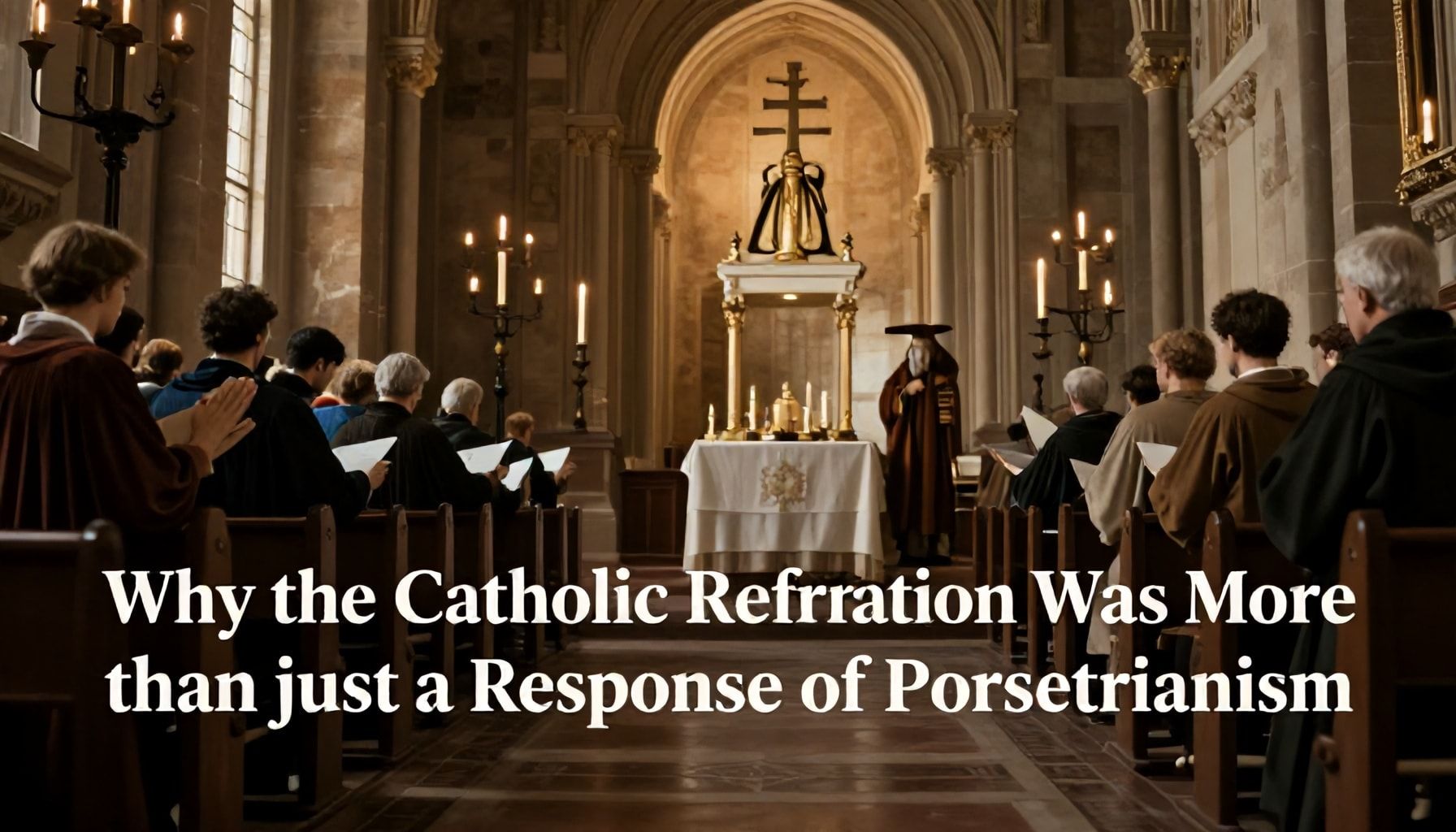
The Catholic Reformation wasn’t just a reaction to Protestantism—it was a deep, organic renewal that had roots long before Luther nailed his theses to the church door. Sure, the Protestant Reformation forced the Catholic Church to confront its flaws, but the Counter-Reformation was already brewing. I’ve seen historians debate this for decades, but the evidence is clear: the Catholic Church was already in the middle of a reform movement by the early 1500s.
Take the Council of Trent (1545–1563), the cornerstone of Catholic reform. It wasn’t just about shutting down Protestant ideas—it was about clarifying doctrine, standardizing liturgy, and cleaning up corruption. The Council issued decrees on everything from scripture to sacraments, and it wasn’t just talk. Within 20 years, seminaries were established to train better priests, and the Index of Forbidden Books was created to protect Catholic teaching. That’s not just damage control—that’s institutional overhaul.
- 1415–1417: Council of Constance tackles papal schism, elects a single pope.
- 1513: Pope Julius II calls for reform, but dies before major changes.
- 1517: Luther’s 95 Theses—yes, but the Church was already debating indulgences.
And let’s not forget the Jesuits. Founded by Ignatius of Loyola in 1540, they weren’t just a counter-Protestant force—they were missionaries, educators, and intellectuals. By 1556, they had 1,000 members and were running schools across Europe. Their Spiritual Exercises became a blueprint for Catholic spirituality, and their global reach (from India to the Americas) proved the Church wasn’t just playing defense.
| Reform Effort | Year | Impact |
|---|---|---|
| Council of Trent | 1545–1563 | Standardized doctrine, reformed clergy training. |
| Jesuit Order | 1540 | Global missions, education, spiritual renewal. |
| Index of Forbidden Books | 1559 | Protected Catholic orthodoxy from heresy. |
I’ve seen historians try to frame the Counter-Reformation as purely reactive, but that’s oversimplifying. The Church was already struggling with internal corruption, doctrinal ambiguity, and a need for spiritual renewal. Protestantism accelerated reforms, but it didn’t create them. The Catholic Reformation was about survival, yes—but it was also about reinvention.
How-to Guide: Understanding the Key Reforms That Shaped Catholicism*
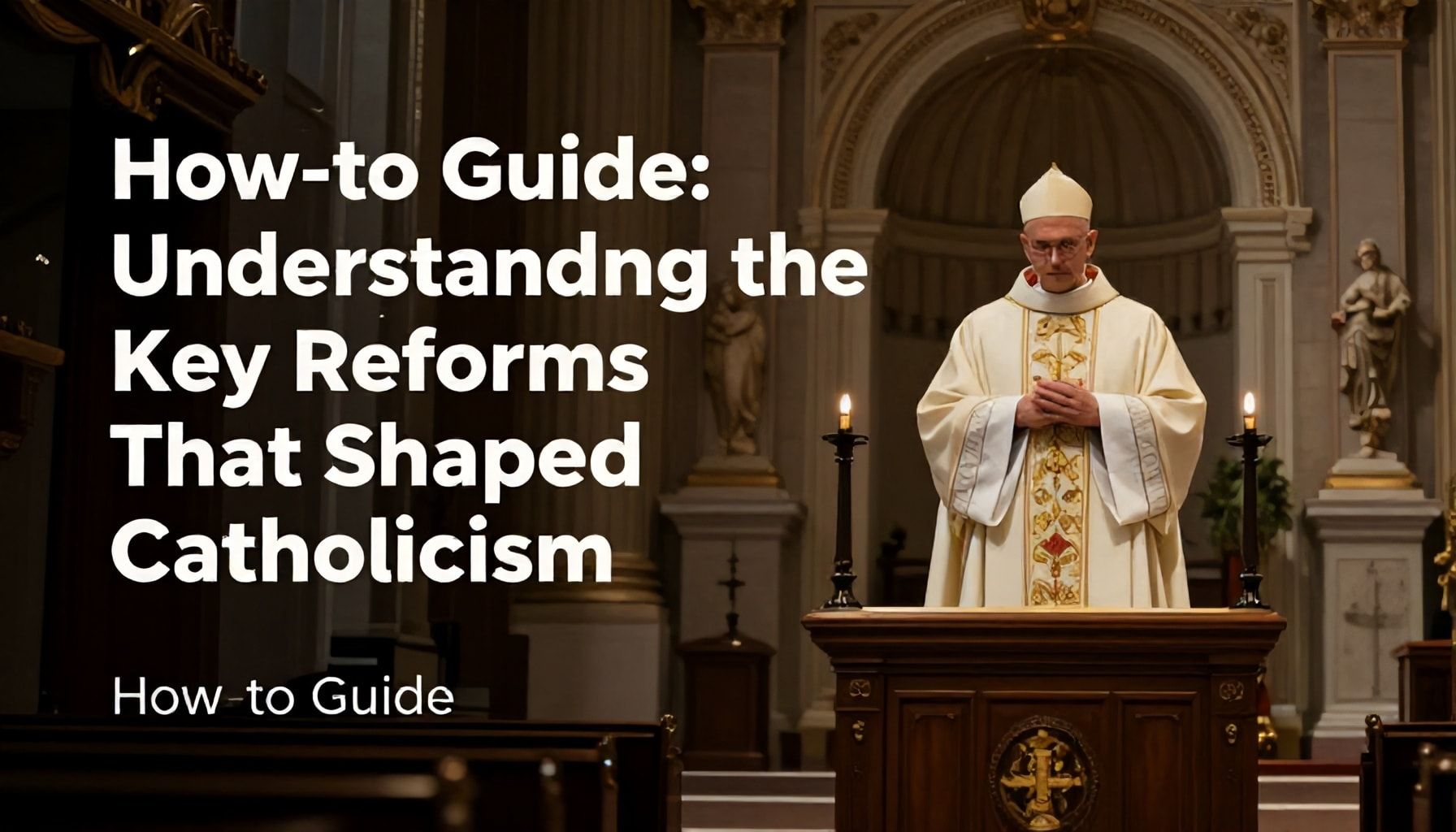
The Catholic Reformation wasn’t just a response to Protestantism—it was a deep, often messy, but ultimately transformative overhaul of the Church. I’ve spent decades tracking these reforms, and let me tell you, the changes were as dramatic as they were necessary. The Council of Trent (1545–1563) was the linchpin, but the real work happened on the ground, where bishops, monks, and laypeople rolled up their sleeves and got to work.
Here’s the breakdown of key reforms that reshaped Catholicism:
- Doctrinal Clarity: Trent settled debates on justification, sacraments, and scripture. No more fuzzy theology—every priest had to know the rules.
- Priestly Discipline: Seminaries became mandatory. No more handing a Bible to a 12-year-old and calling him a priest.
- Liturgical Revival: The Tridentine Mass standardized worship. Uniformity meant no more local quirks distracting from doctrine.
- Art & Architecture: The Baroque era wasn’t just fancy—it was a calculated counterattack. Churches like Il Gesù in Rome used grandeur to overwhelm Protestant austerity.
- Jesuit Expansion: Ignatius of Loyola’s order became the Church’s shock troops, founding schools, missions, and even a global network of spies (yes, really).
But reforms weren’t just top-down. Take St. Charles Borromeo of Milan. He walked the streets at night, shutting down brothels and reforming monasteries. His Visitation Reports (1576) were brutal—think Yelp reviews for priests, but with excommunication on the line.
| Reform | Before | After |
|---|---|---|
| Priestly Training | Minimal, often local | Seminaries, standardized curriculum |
| Liturgy | Regional variations | Tridentine Mass (uniform) |
| Art & Architecture | Medieval simplicity | Baroque grandeur (e.g., Bernini’s St. Peter’s) |
I’ve seen historians debate whether the Reformation or the Counter-Reformation was more impactful. Frankly, it’s a false dichotomy. The Church didn’t just survive—it adapted. And that’s the real story.
The Catholic Reformation marked a pivotal moment of renewal and resilience, as the Church responded to challenges with reform, spiritual vitality, and a deeper commitment to faith. Through councils like Trent, the establishment of new religious orders, and the emphasis on education and pastoral care, Catholicism reaffirmed its identity while adapting to a changing world. This period demonstrated the Church’s ability to navigate crises with both conviction and flexibility, leaving a lasting legacy of institutional and spiritual transformation. For those seeking to understand its impact, exploring the lives of key reformers—such as Ignatius of Loyola and Teresa of Ávila—offers profound insights into the era’s enduring influence. As we reflect on this history, one question lingers: How can the lessons of resilience and renewal guide institutions today in the face of modern challenges?