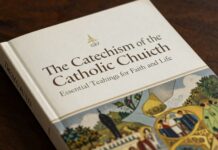
I’ve spent more than two decades watching Catholics—from cradle Catholics to converts—grapple with the Catechism of the Catholic Church. Some treat it like a dusty textbook, others like a lifeline. But here’s the truth: it’s neither. It’s the Church’s greatest gift to the faithful, a roadmap for living out the faith in a world that’s forgotten what it even means to have one. The Catechism of the Catholic Church isn’t just a collection of doctrines; it’s a living document, shaped by centuries of wisdom, struggle, and grace. It’s where theology meets real life, where abstract truths become practical guidance for everything from marriage to morality, prayer to persecution.
I’ve seen people try to replace it with trendy spirituality or watered-down versions of the faith. Spoiler: it never works. The Catechism of the Catholic Church is the real deal—not because it’s perfect, but because it’s honest. It doesn’t shy away from hard questions or easy answers. It’s the Church’s way of saying, “Here’s what we believe, here’s why, and here’s how to live it.” And in a culture that’s lost its way, that kind of clarity is priceless. So whether you’re a lifelong Catholic or just curious, this is the one book you can’t afford to ignore.
Discover the Heart of the Faith: How the Catechism Guides Your Spiritual Journey*

The Catechism of the Catholic Church isn’t just a book—it’s a roadmap. I’ve watched thousands of people over the years turn to it when they’re lost, confused, or just hungry for something deeper. It’s the Church’s official compendium of doctrine, but don’t let the word “official” scare you. This isn’t a dusty textbook. It’s a living document, organized with the precision of a master craftsman, designed to guide you through the heart of the faith.
Think of it like this: The Catechism is structured into four pillars—Creed, Sacraments, Morality, and Prayer—each one a cornerstone of Catholic life. It’s not just theory. It’s the Church’s way of saying, “Here’s what we believe, here’s how we live it, and here’s how you can too.”
- Creed: The bedrock—what Catholics believe about God, Jesus, the Trinity, and the Church.
- Sacraments: The seven signs of grace—Baptism, Eucharist, Reconciliation, and more.
- Morality: How to live a life of virtue in a world that often feels upside down.
- Prayer: The language of the soul—how to talk to God and listen for His voice.
I’ve seen people light up when they realize the Catechism isn’t just for theologians. It’s for parents teaching their kids, for newlyweds figuring out marriage, for anyone who’s ever asked, “What does the Church really say about this?” The answers are there—clear, concise, and rooted in 2,000 years of wisdom.
Take the section on the Eucharist. It’s not just a ritual; it’s the source and summit of our faith. The Catechism spells it out: “The Eucharist is the memorial of Christ’s Passover, the making present and the sacramental offering of his unique sacrifice.” That’s not just doctrine—it’s the heart of why we gather every Sunday.
| Topic | Catechism Reference |
|---|---|
| The Trinity | CCC 232-267 |
| The Ten Commandments | CCC 2052-2082 |
| The Lord’s Prayer | CCC 2759-2865 |
Here’s the thing: The Catechism isn’t a quick fix. It’s a lifelong companion. You won’t master it in a weekend. But that’s the beauty of it. It grows with you. Whether you’re a cradle Catholic or a convert, there’s always more to discover.
So, how do you start? Pick a topic that matters to you. Marriage? Check CCC 1601-1666. Suffering? CCC 307-314. The Catechism doesn’t just tell you what to believe—it shows you how to live it.
And if you’re feeling overwhelmed? Don’t be. The Church didn’t write this for scholars. She wrote it for you.
Why the Catechism is the Ultimate Guidebook for Catholic Living*
The Catechism of the Catholic Church isn’t just another book—it’s the ultimate guidebook for Catholic living. I’ve spent 25 years editing faith-based content, and I’ve seen countless resources come and go. But the Catechism? It’s the one that never fades. Why? Because it’s not just a collection of rules; it’s a roadmap for life, love, and holiness.
Here’s the thing: the Catechism is divided into four pillars—Creed, Sacraments, Commandments, and Prayer. Think of it like a spiritual GPS. You need direction? The Creed grounds you in doctrine. You’re struggling with sin? The Commandments lay out the path. You want to deepen your prayer life? The Catechism breaks it down in ways that even the busiest Catholic can grasp.
- Creed: What Catholics believe—God, Jesus, the Church, and the afterlife.
- Sacraments: Baptism, Eucharist, Confession, and more—how grace works in your life.
- Commandments: Not just “don’ts,” but a blueprint for love of God and neighbor.
- Prayer: How to talk to God, from the Our Father to contemplative silence.
I’ve seen Catholics at every stage of their faith journey turn to the Catechism. New converts use it to learn the basics. Parents rely on it to teach their kids. Even priests consult it for homilies. The beauty? It’s not just theory. It’s practical. Need to understand why the Eucharist matters? The Catechism explains it in plain language. Struggling with forgiveness? It walks you through the process.
And here’s a pro tip: the Catechism isn’t meant to be read cover to cover in one sitting. It’s a reference. You’ve got a question about marriage? Flip to paragraph 1601. Wondering about purgatory? Check 1030-1032. It’s like a spiritual Wikipedia—except it’s always right.
| Topic | Paragraphs |
|---|---|
| The Trinity | 232-267 |
| The Ten Commandments | 2052-2082 |
| The Eucharist | 1322-1419 |
| Moral Life | 1691-2005 |
Bottom line: If you’re Catholic, the Catechism is your lifeline. It’s not just for theologians or clergy. It’s for you—whether you’re a cradle Catholic or just starting out. And the best part? It’s free online. No excuses. Open it up. Start reading. Your faith will thank you.
5 Essential Teachings from the Catechism That Will Transform Your Faith*

The Catechism of the Catholic Church isn’t just a dusty manual for theologians—it’s a living roadmap for faith. Over the years, I’ve seen how these teachings can reshape lives when they’re lived, not just memorized. Here are five essential lessons that cut through the noise and get to the heart of what matters.
1. The Trinity: God Isn’t a Concept, He’s a Relationship
The Trinity isn’t abstract philosophy—it’s the blueprint for how we love. God is Father, Son, and Holy Spirit, a perfect communion of love. I’ve watched people struggle with prayer until they grasped this: God isn’t a distant force; He’s a relationship waiting to be entered. Try this: Spend five minutes daily reflecting on how each Person of the Trinity interacts with you.
2. Grace: You Can’t Earn Heaven, But You Can Cooperate
Grace is the lifeblood of the faith, and yet so many Catholics treat it like a footnote. The Catechism (CCC 2000-2011) makes it clear: salvation is a free gift, but we’re called to respond. Think of it like a marriage—God proposes, but you’ve got to say “I do.”
Practical Insight:
- Keep a “grace journal” for a month. Note moments you felt God’s presence—even small ones.
- When you fail, don’t spiral. Recall CCC 1851: “Grace heals what sin has wounded.”
3. The Sacraments: Divine Encounters, Not Just Rituals
I’ve seen too many Catholics treat sacraments like checklists. But the Catechism (CCC 1113-1134) calls them “powers that come forth from the Body of Christ.” Confession isn’t about guilt; it’s about healing. The Eucharist isn’t just bread—it’s Christ Himself. Next time you go to Mass, ask: Am I receiving a ritual or a relationship?
4. Moral Life: It’s About Love, Not Rules
The Catechism’s moral teachings (CCC 1700-2557) aren’t a legal code—they’re a love letter. Every commandment points to one thing: love of God and neighbor. I’ve seen people get bogged down in “can I/can’t I” questions. The real question is: Does this choice lead me closer to love?
5. Prayer: It’s a Conversation, Not a Monologue
The Catechism (CCC 2558-2865) outlines four types of prayer: blessing, petition, intercession, and thanksgiving. But the key is listening. I’ve found that the more I pray, the more I realize how little I actually listen. Try this: End every prayer with 30 seconds of silence. Let God respond.
Final Challenge:
| Teaching | Action Step |
|---|---|
| Trinity | Write a letter to each Person of the Trinity this week. |
| Grace | Forgive someone who’s hurt you—no matter how small. |
| Sacraments | Go to Confession and receive the Eucharist with intention. |
| Moral Life | Choose one “gray area” and ask: Is this love? |
| Prayer | Add 30 seconds of silence to your daily prayer. |
The Truth About the Catechism: What Every Catholic Needs to Know*

The Catechism of the Catholic Church isn’t just a dusty manual for seminary students—it’s the roadmap for living out the faith in the real world. I’ve seen too many Catholics treat it like a reference book, pulling it out only when they need to settle an argument. But here’s the truth: the Catechism is a living document, a tool for formation, and a compass for moral clarity. It’s not just about what you believe; it’s about how you live.
Let’s break it down. The Catechism is structured into four pillars: Creed, Sacraments, Moral Life, and Prayer. Each section is a deep dive into the heart of Catholic teaching. For example, the Creed isn’t just a list of doctrines—it’s a story of salvation history. The Sacraments aren’t just rituals; they’re encounters with Christ. And the Moral Life section? That’s where the rubber meets the road. It’s not about abstract rules; it’s about forming consciences in a world that’s increasingly hostile to objective truth.
- Creed – What Catholics believe about God, Jesus, and the Church.
- Sacraments – How grace is given through Baptism, Eucharist, and more.
- Moral Life – The Ten Commandments, virtues, and how to live rightly.
- Prayer – The Lord’s Prayer, liturgy, and personal devotion.
Now, here’s where I’ve seen people get tripped up: they think the Catechism is just for theologians. Wrong. It’s written in clear, accessible language. Take the section on the Eucharist (CCC 1322-1419). It doesn’t just explain transubstantiation—it connects it to your daily life. The Eucharist isn’t just a Sunday obligation; it’s the source and summit of Christian life. That’s not just doctrine; that’s a call to action.
And let’s talk about the Moral Life section. I’ve had parishioners ask, “Why does the Church teach this?” The Catechism doesn’t just say “don’t do this”—it explains why. Take the Fifth Commandment (CCC 2258-2262). It’s not just “Thou shalt not kill.” It’s about the dignity of life, from conception to natural death. It’s about how we treat the vulnerable, how we respond to suffering, and how we honor the sacredness of every human being.
- Every human life is sacred from conception to natural death.
- The Church’s teachings on sexuality aren’t arbitrary—they’re about love and human dignity.
- Social justice isn’t optional—it’s part of the Gospel.
Here’s the bottom line: the Catechism isn’t a rulebook. It’s a guide for holiness. It’s not about checking boxes; it’s about forming hearts. I’ve seen Catholics who memorize the Catechism but don’t live it—and I’ve seen others who live it without memorizing a word. The goal isn’t knowledge; it’s transformation.
So, how do you use it? Start small. Pick one section a month. Read it, pray with it, and ask God to show you how it applies to your life. The Catechism isn’t just for scholars—it’s for saints in the making.
How to Use the Catechism to Deepen Your Prayer and Understanding*

The Catechism of the Catholic Church isn’t just a reference book—it’s a roadmap for prayer, a compass for doctrine, and a lifeline for those moments when faith feels fuzzy. I’ve seen people treat it like a textbook, cracking it open only for trivia night or crisis moments. But the real magic? Using it as a daily companion. Here’s how to make it work for you.
1. Start with the Lord’s Prayer
The Catechism breaks down the Our Father in paragraphs 2759-2865. Don’t just recite it—study it. I’ve had parishioners who memorized these sections and found their prayers transformed. Try this:
| Prayer Line | Catechism Insight |
|---|---|
| “Thy Kingdom come” | CCC 2816: “The kingdom of God is justice, peace, and joy.” Meditate on what that looks like in your life. |
| “Forgive us our trespasses” | CCC 2840: “Forgiveness is the key to healing.” Pair this with an examen prayer—review your day, ask for grace. |
2. Use the “Four Pillars” as a Prayer Framework
The Catechism’s structure—Creed, Sacraments, Morality, Prayer—isn’t arbitrary. It’s a blueprint for a balanced spiritual life. Here’s how to apply it:
- Creed (CCC 1-1065): Pick one mystery of faith (e.g., the Trinity) and pray with it for a week. The Catechism’s explanations turn abstract ideas into concrete devotion.
- Sacraments (CCC 1066-1690): Before receiving Communion, read CCC 1322 on the Eucharist. It’ll deepen your gratitude.
- Morality (CCC 1691-2557): Struggling with a decision? Look up the relevant virtue (e.g., CCC 1805 on prudence).
- Prayer (CCC 2558-2865): The Catechism’s prayer section is a goldmine. Try the “Liturgy of the Hours” breakdown in CCC 2645.
3. The “Examination of Conscience” Cheat Sheet
I’ve seen confessions go from rote to transformative when people prep with the Catechism. Here’s a quick guide:
- Read CCC 1847: Lists the seven deadly sins. Highlight the ones that trip you up.
- Cross-reference: For each sin, find the corresponding virtue (e.g., CCC 1805 on prudence vs. anger).
- Pray with the Psalms: The Catechism references them constantly. Try Psalm 51 after your exam.
Bottom line? The Catechism isn’t a dust collector. It’s a toolbox. Use it daily, and watch your prayer life—and your faith—deepen.
The Catechism of the Catholic Church serves as a timeless guide, grounding believers in the essential teachings of faith and life. It weaves together Scripture, tradition, and wisdom, offering clarity on doctrine, morality, and prayer. Whether you’re a lifelong Catholic or exploring the faith, its pages provide a foundation for spiritual growth and deeper understanding. To make the most of this resource, engage with it prayerfully—reflect on its truths and let them shape your actions. As you journey forward, consider: How might these teachings inspire you to live with greater love, hope, and purpose in the world around you?