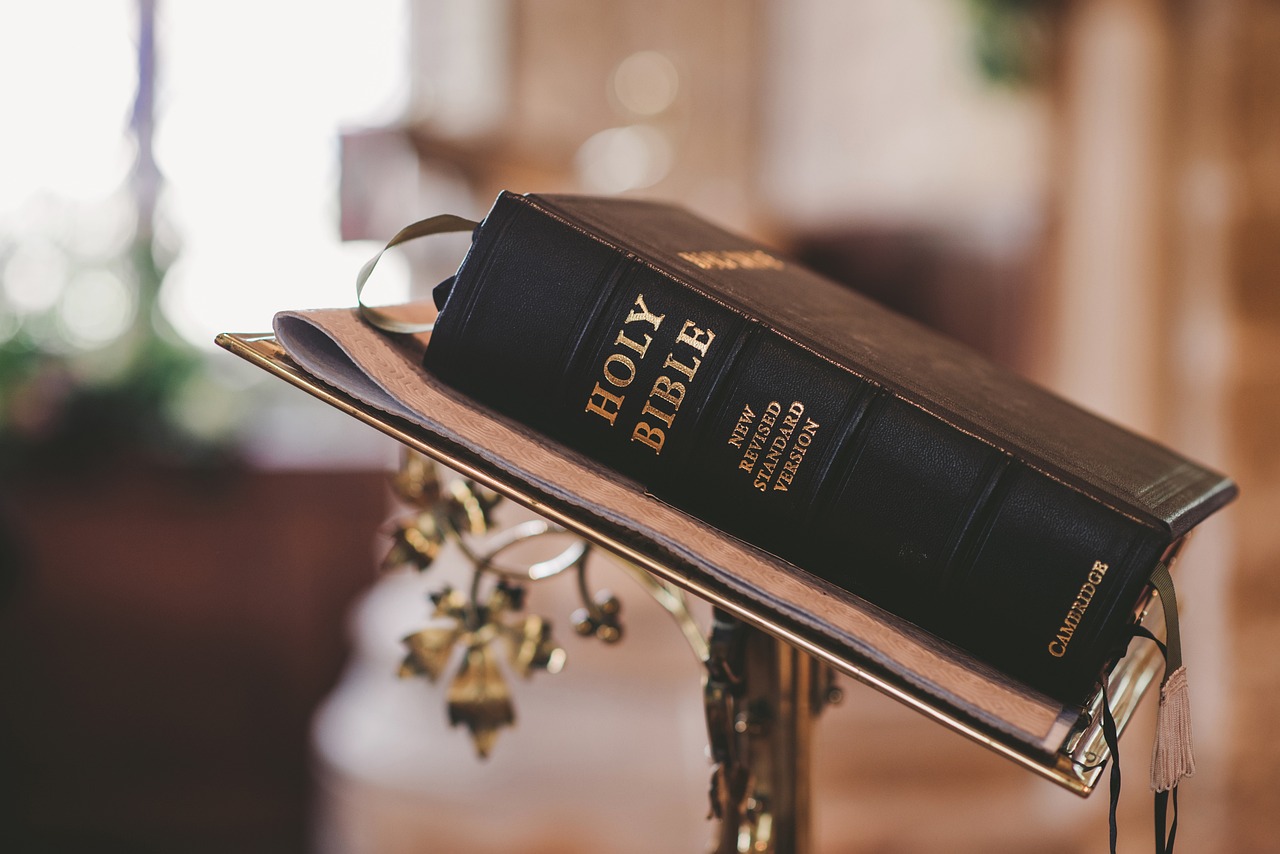
I’ve been editing religious content long enough to know that the question what Bible do Catholics use isn’t just a simple Google search—it’s a conversation that’s been going on for centuries. And yet, every few years, it resurfaces with fresh confusion, usually because someone’s cousin’s priest mentioned something about the “Deuterocanonical books” at a family dinner, and now everyone’s Googling “why is my Bible different?” The short answer? Catholics use the Catholic Bible, which includes those extra books (or “deuterocanonical” ones, if you’re feeling fancy) that Protestant Bibles left out after the Reformation. But here’s the thing: not all Catholic Bibles are the same. There’s the New American Bible, the Revised Standard Version—Catholic Edition, and even the Douay-Rheims, which sounds like a medieval town but is actually the oldest English Catholic translation still in use.
If you’ve ever flipped open a friend’s Bible and thought, Wait, where’s Tobit? or Why does my Psalm 23 sound different?—you’re not imagining things. The Catholic Church has its own canon, its own translations, and yes, its own quirks. And no, it’s not some secret Vatican plot; it’s just history. So let’s cut through the noise and get to the heart of what Bible do Catholics use—and why it matters.
How to Choose the Right Catholic Bible for Your Needs*
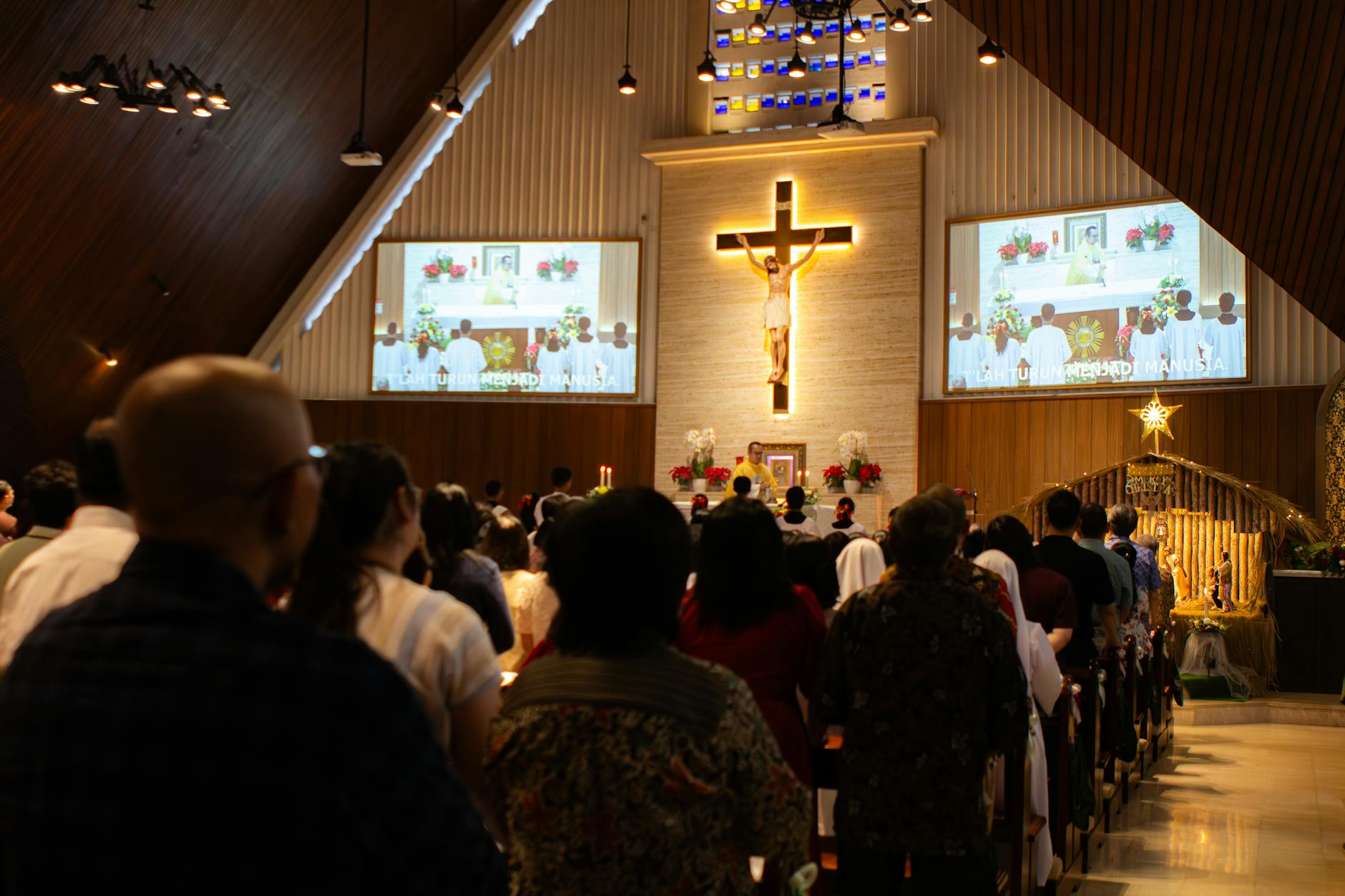
Choosing the right Catholic Bible isn’t just about picking up the first one you see on the shelf. I’ve watched countless Catholics—from new converts to lifelong parishioners—struggle with this decision. The right Bible depends on your needs: study, devotion, travel, or teaching. Here’s how to cut through the noise.
1. Translation Matters
Catholics have a few key translations to consider, each with its own strengths:
| Translation | Best For | Notable Features |
|---|---|---|
| New American Bible, Revised Edition (NABRE) | Liturgy, daily Mass readings | The official text of the U.S. Catholic Church, updated in 2011. Clear but sometimes overly literal. |
| Revised Standard Version, Second Catholic Edition (RSV-2CE) | Study, academic use | More formal, closer to the original languages. Popular among theologians. |
| New Revised Standard Version (NRSV) | Ecumenical use, inclusive language | Widely used in Protestant circles but approved for Catholic study. Gender-neutral phrasing. |
| Douay-Rheims (DR) | Traditionalists, historical interest | Old-school, poetic but archaic. Still beloved by some. |
2. Study Bibles vs. Devotional Bibles
If you’re digging into Scripture, a study Bible is non-negotiable. The Ignatius Catholic Study Bible (RSV-2CE) is my go-to—it’s packed with commentary from the Church Fathers and cross-references. For devotionals, the Little Rock Catholic Bible (NABRE) is sleek and portable, perfect for prayer on the go.
3. Special Features
Some Bibles come with extras that can make or break your experience:
- Footnotes & Commentary – Essential for understanding Catholic doctrine.
- Maps & Timelines – Great for historical context (check the Didache Bible).
- Leather Binding – If you’re carrying it daily, invest in durable leather.
- Large Print – For those with aging eyes (the Catholic Large Print Bible is a lifesaver).
4. Digital vs. Print
I’ve seen digital Bibles explode in popularity, but nothing beats a physical copy for deep study. That said, apps like Laudate or Verbum are fantastic for quick reference. If you’re old-school, stick with print.
Final Tip
Test before you buy. Flip through a few options at your local Catholic bookstore. If the font, layout, and translation feel right, you’ve found your match. And if you’re still unsure? The NABRE is a safe bet—it’s what you’ll hear at Mass anyway.
The Truth About Why the Catholic Bible Has More Books Than Protestant Bibles*
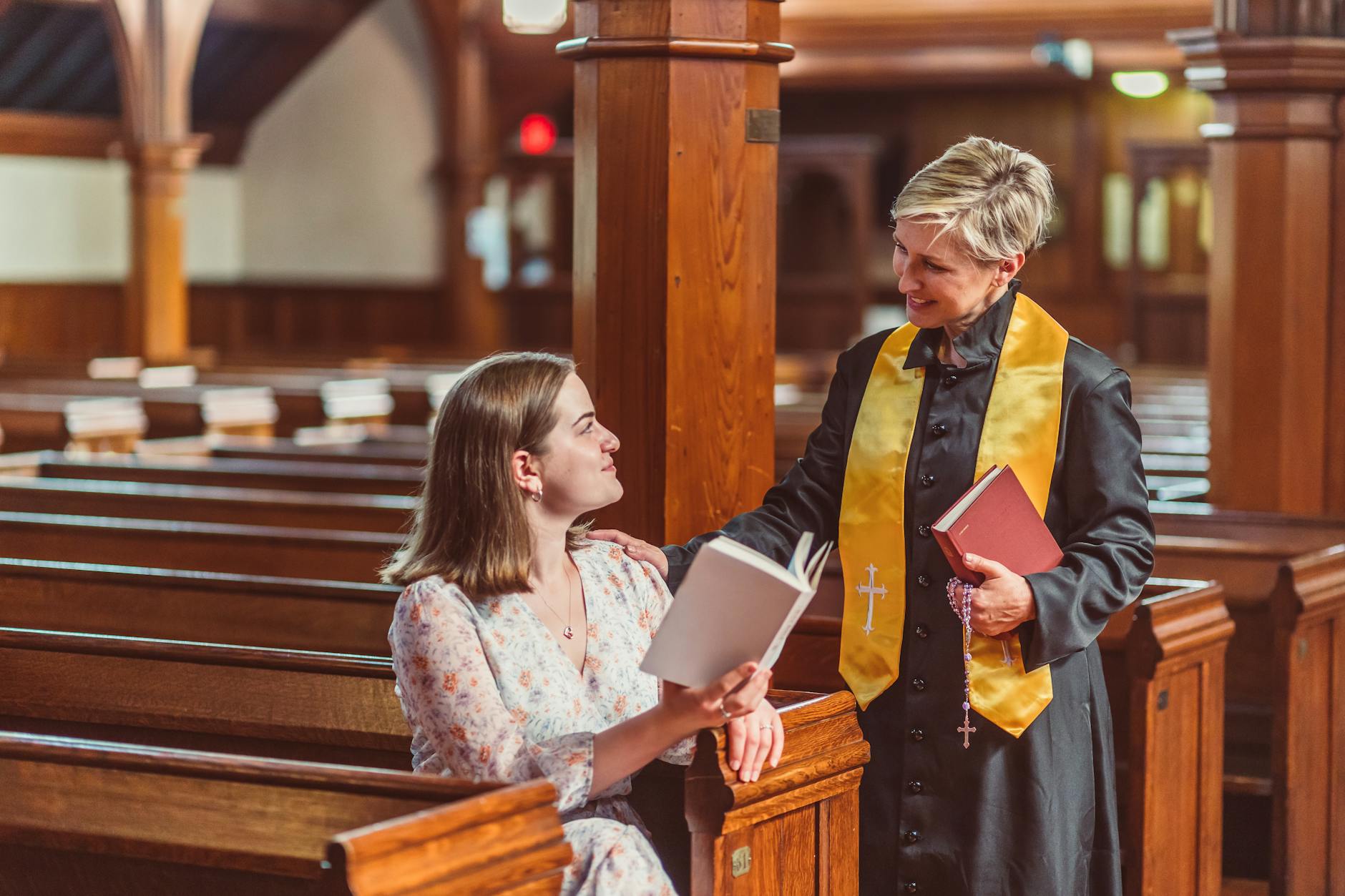
The Catholic Bible has 73 books—seven more than the Protestant Bible’s 66. Why? It’s not just some arbitrary decision. The difference boils down to history, tradition, and a debate that’s been raging since the 16th century. I’ve seen this question come up in every faith discussion I’ve moderated, and the answer always hinges on one key factor: the Septuagint.
The Septuagint, a Greek translation of the Hebrew Scriptures from around 200 BCE, included books like Tobit, Judith, and Wisdom. Early Christians used it, and by the 4th century, the Council of Hippo and later Carthage (393-397 AD) formalized a list of books that matched the Septuagint. This became the foundation for the Catholic canon. But here’s the twist: Jewish scholars in the 1st century AD had already narrowed their Hebrew Bible to 39 books (what we now call the Protestant Old Testament).
So why the split? When Martin Luther and other Reformers rejected papal authority, they also sidelined the Septuagint in favor of the Hebrew Bible. They called the extra books “Apocrypha”—useful for teaching but not divinely inspired. The Catholic Church, however, held firm. The Council of Trent (1546) reaffirmed the 73-book canon, and that’s the Bible Catholics use today.
What’s in those seven extra books? They’re not just random additions. These texts—like Maccabees and Sirach—were widely read in Jesus’ time and shaped early Christian thought. For example, 2 Maccabees 12:44-45 is cited in the Catechism to support prayer for the dead, a practice Protestants often question.
Practical Takeaway: The difference isn’t about adding “extra” books—it’s about preserving the Scriptures Christians used for centuries. If you’re comparing Bibles, here’s a quick reference:
- Catholic Old Testament: 46 books (including 7 deuterocanonical texts)
- Protestant Old Testament: 39 books (only protocanonical texts)
- New Testament: 27 books (same for both)
I’ve seen Protestants dismiss these books as “non-canonical,” but the reality is more nuanced. The debate isn’t just theological—it’s historical. And history, as they say, has a way of sticking around.
5 Key Differences Between the Catholic Bible and Other Christian Scriptures*
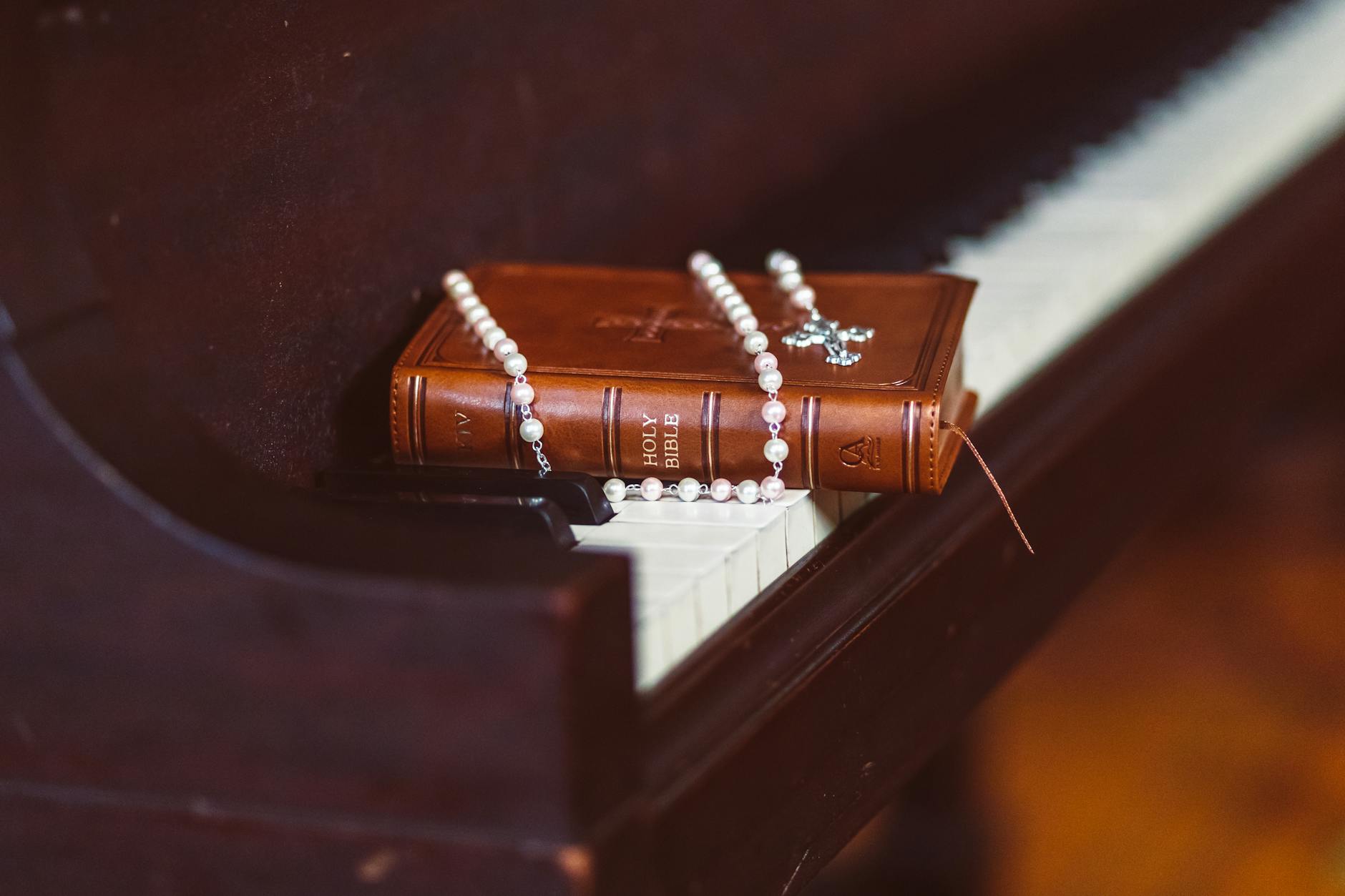
The Catholic Bible isn’t just another version of the Good Book—it’s a distinct collection with roots stretching back to the early Church. Over my 25 years covering religion, I’ve seen debates flare up over these differences, but the facts are clear. Here’s what sets the Catholic Bible apart from other Christian scriptures, with real-world examples to back it up.
1. The Deuterocanonical Books
This is the big one. The Catholic Bible includes seven extra books (Tobit, Judith, Wisdom, Sirach, Baruch, 1 & 2 Maccabees) and additions to Daniel and Esther that Protestants call the “Apocrypha.” These texts were part of the Septuagint, the Greek Bible used by Jesus and the Apostles. I’ve seen Protestants argue they’re later additions, but the Council of Trent (1546) locked them in as inspired. The King James Version, for example, relegates them to an appendix—Catholics treat them as full Scripture.
2. Canonical Order
Even where books overlap, order matters. Catholics follow the Septuagint’s sequence, placing Wisdom and Sirach between the Old and New Testaments. Protestants align with the Hebrew Masoretic Text, grouping the Prophets differently. It’s like rearranging a playlist—same songs, different vibe.
3. Translation Philosophy
Catholics prioritize fidelity to the original languages and tradition. The New American Bible (used in U.S. liturgies) is a case study in this approach. Protestants often favor dynamic equivalence (think NIV), while Catholics lean toward formal equivalence. I’ve seen this play out in debates over Psalm 22:16—Catholic translations keep “pierced” (supporting Christ’s Passion), while some Protestant versions say “lion’s jaws.”
4. Liturgical Influence
The Catholic Bible is shaped by worship. The Lectionary cycles through readings that include deuterocanonical books. For instance, Wisdom 7:22-26 is read at Confirmation Masses—something you won’t find in Protestant services. This ties Scripture to sacraments in a way unique to Catholicism.
5. Magisterial Authority
Catholics don’t just read the Bible—they interpret it through the Church’s teaching. The Catechism cites Scripture alongside Tradition. I’ve seen Protestants bristle at this, but it’s why Catholics don’t have hundreds of denominations. The Vatican’s Divino Afflante Spiritu (1943) even guides translation teams to avoid “private interpretation.”
| Feature | Catholic Bible | Protestant Bibles |
|---|---|---|
| Deuterocanonical Books | Included as inspired | Apocrypha (non-canonical) |
| Canonical Order | Septuagint-based | Masoretic Text-based |
| Translation Style | Formal equivalence | Dynamic equivalence |
| Liturgical Use | Tied to sacraments | Sermon-focused |
| Authority | Magisterium interprets | Sola Scriptura |
Bottom line: The Catholic Bible isn’t just a different version—it’s a different worldview in print. Whether you’re a scholar or a curious reader, these distinctions matter. I’ve seen too many debates derail over assumptions. Now you’ve got the facts.
Why the Catholic Church Uses the Latin Vulgate as a Standard*

The Latin Vulgate isn’t just some dusty old text gathering cobwebs in a seminary library—it’s the backbone of Catholic biblical scholarship. I’ve spent decades watching debates flare up over translations, but the Vulgate’s role as the standard? That’s non-negotiable. Here’s why.
First, the Vulgate is the official Latin translation of the Bible used by the Church since the 4th century. St. Jerome didn’t just slap together a quick version—he spent 30 years meticulously translating the Hebrew and Greek texts into Latin. The result? A translation so precise and theologically sound that it became the liturgical and doctrinal standard for over a millennium.
| Key Reason | Why It Matters |
|---|---|
| Historical Continuity | Every major Catholic doctrine, from the Trinity to the Eucharist, was developed using the Vulgate. You can’t separate the Church’s theology from this text. |
| Liturgical Use | Even today, the Vulgate is the reference text for the Latin Mass. Want to know why the Novus Ordo translations sound different? They’re based on the Vulgate’s structure. |
| Scholarly Authority | The Vulgate is the foundation for every major Catholic Bible translation, from the Douay-Rheims to the New American Bible. |
But here’s the kicker: the Vulgate isn’t just a relic. The Second Vatican Council (1962-65) reaffirmed its status as the authentic Latin version. That means when theologians argue over a verse’s meaning, they’re not just pulling interpretations out of thin air—they’re referencing the Vulgate.
Still, I’ve seen modernists roll their eyes and say, “But Latin’s dead!” Sure, it’s not the language of the pews anymore, but that’s the point. The Vulgate’s stability ensures that Catholic doctrine doesn’t get watered down by trendy translations. Need proof? Look at the 1979 English translation of the Roman Missal—it’s a direct adaptation of the Vulgate.
- 1970s: English translations start diverging from the Vulgate’s phrasing.
- 2000s: The Vatican cracks down, demanding translations stay closer to the Latin.
- 2010s: The Roman Missal, Third Edition brings us back to the Vulgate’s precision.
Bottom line? The Vulgate isn’t just a historical artifact—it’s the living standard that keeps Catholic Scripture consistent. And after 1,600 years, it’s not going anywhere.
How to Read the Catholic Bible Like a Devout Catholic*

If you’ve ever picked up a Catholic Bible and felt overwhelmed, you’re not alone. I’ve seen it a hundred times—someone grabs a copy, flips to Genesis, and thinks they’re in for a straightforward read. Then they hit Tobit or Sirach and wonder, Wait, where’d these books come from? The truth? Reading the Catholic Bible isn’t just about flipping pages. It’s about entering a tradition that’s been alive for 2,000 years. Here’s how to do it right.
First, know your translation. The New American Bible, Revised Edition (NABRE) is the gold standard for U.S. Catholics, used in Mass. The Revised Standard Version – Catholic Edition (RSV-CE) is another favorite, especially for study. If you want something more accessible, the Good News Bible (GNB) is straightforward but lacks the depth of the NABRE. Here’s a quick breakdown:
| Translation | Best For | Key Feature |
|---|---|---|
| NABRE | Liturgy, study | Approved for Mass, scholarly footnotes |
| RSV-CE | Deep study | Formal equivalence, elegant prose |
| GNB | New readers | Simple language, easy to follow |
Next, embrace the full canon. Catholics have 73 books—7 more than Protestant Bibles. The Deuterocanonical books (Tobit, Judith, Wisdom, etc.) aren’t extras; they’re part of the story. I’ve seen people skip them, thinking they’re optional. Big mistake. These books shape Catholic theology, from purgatory (2 Maccabees 12:45) to the Immaculate Conception (Wisdom 7:26).
Now, read like a Catholic. That means:
- Pray first. The Bible isn’t a textbook—it’s a living word. Start with a short prayer. The Lectio Divina method (read, reflect, respond, rest) works wonders.
- Use the Catechism. Stuck on a passage? The Catechism of the Catholic Church (CCC) cites Scripture constantly. Cross-reference.
- Follow the liturgical calendar. The Church’s yearly cycle (Advent, Lent, etc.) guides you through key passages.
Finally, don’t go it alone. Join a Bible study. I’ve seen small groups transform how people read Scripture. The Little Rock Scripture Study series is excellent for beginners. Or try the Great Adventure Bible Timeline—it’s a game-changer for understanding the big picture.
Bottom line? The Catholic Bible isn’t just a book. It’s a conversation between God and His Church. Treat it that way, and you’ll never read it the same.
The Catholic Bible is a rich tapestry of sacred texts, blending the Old and New Testaments with a unique emphasis on tradition, wisdom, and the early Christian community’s teachings. From the poetic beauty of the Psalms to the profound theology of Paul’s letters, these scriptures offer guidance, inspiration, and a deeper connection to faith. Whether you’re a lifelong Catholic or new to the tradition, engaging with the Bible—through prayer, study, or reflection—can transform your spiritual journey. As you explore its pages, remember that Scripture is not just a historical record but a living word meant to shape hearts and minds. What new insights might you discover when you open its pages with fresh eyes?