I’ve covered the Catholic faith for more years than I care to count, and let me tell you, few topics spark as much debate—or devotion—as the seven sacraments. They’re the backbone of Catholic life, the sacred moments that bridge the divine and the human. Baptism, Confirmation, Eucharist, Reconciliation, Anointing of the Sick, Holy Orders, and Matrimony—the seven sacraments in Catholic religion aren’t just rituals; they’re lifelines to grace, the very channels through which God’s mercy flows. I’ve seen them administered in grand cathedrals and humble chapels, witnessed their power in moments of joy and despair. They’re not just traditions; they’re the Church’s way of saying, “Here’s how you live, how you heal, how you belong.”
The seven sacraments in Catholic religion aren’t some dusty dogma. They’re the real deal, the stuff that keeps the faithful grounded. I’ve talked to priests who’ve performed last rites in war zones, to couples renewing vows after decades, to kids trembling before their first Communion. These sacraments aren’t just steps in a liturgical dance—they’re the raw, unfiltered encounter with the sacred. And in a world that’s always rushing, they’re a reminder that grace doesn’t operate on deadlines. It moves at its own pace, and it’s waiting.
Understanding the 7 Sacraments: How They Strengthen Your Faith*

The 7 Sacraments aren’t just rituals—they’re the Catholic Church’s power-ups, each one a direct line to grace. I’ve watched countless Catholics stumble through them without understanding why they matter. But when you get it? That’s when faith clicks.
Here’s the breakdown:
- Baptism – Your spiritual reboot. Original sin wiped clean, entry ticket to the Church. I’ve seen parents treat it like a party, but the real magic’s in the intent.
- Confirmation – The Holy Spirit’s turbo boost. Most teens go through it half-asleep, but when you’re ready, it’s a game-changer.
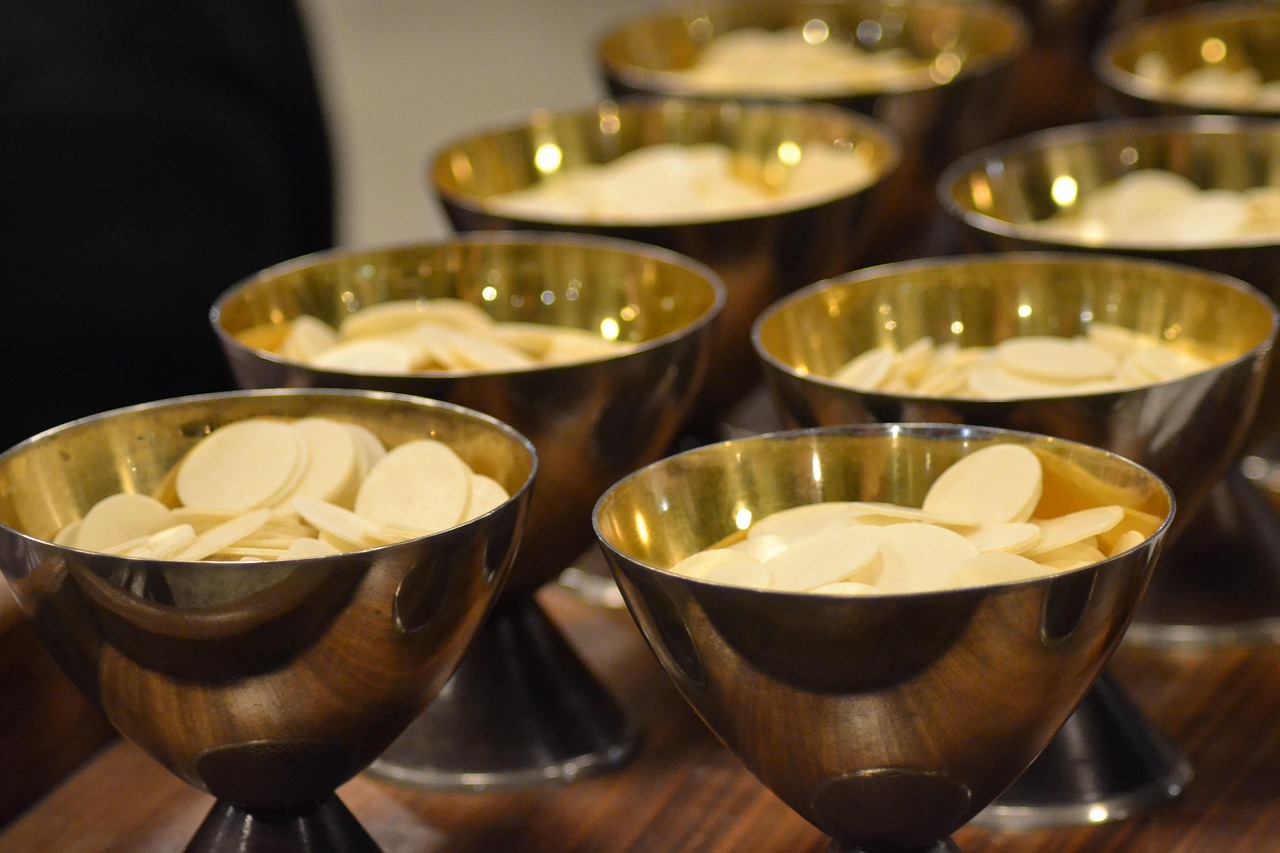
- Eucharist – Literally eating grace. Not just a cracker. If you’re not treating it like a lifeline, you’re missing the point.
- Reconciliation – The spiritual reset button. Priests hear it all, but the sacrament’s power comes from the honesty.
- Anointing of the Sick – Not just for deathbeds. I’ve seen folks skip it until it’s too late. Use it early—it’s healing, inside and out.
- Holy Orders – The priesthood’s calling. Not for everyone, but if you’re meant for it, nothing else compares.
- Matrimony – Marriage as a sacrament? Yeah, it’s bigger than a wedding. It’s a lifelong covenant with God in the mix.
Still not sure how they work? Here’s the cheat sheet:
| Sacrament | What It Does | When to Use It |
|---|---|---|
| Baptism | Cleanses original sin, welcomes you into the Church. | Infancy or anytime with proper prep. |
| Confirmation | Seals the Holy Spirit’s gifts. | Usually teens, but adults can too. |
| Eucharist | Real presence of Christ—spiritual fuel. | Every Mass, if in a state of grace. |
| Reconciliation | Forgiveness, healing, reset. | Regularly—don’t wait for a crisis. |
| Anointing of the Sick | Spiritual and physical healing. | Serious illness, surgery, or aging. |
| Holy Orders | Ordination to priesthood or diaconate. | When called by God—serious discernment required. |
| Matrimony | Sacred union, lifelong covenant. | When ready for marriage as a sacrament. |
Pro tip: The sacraments aren’t just for emergencies. They’re your regular spiritual maintenance. I’ve seen people treat them like a buffet—pick what they like. But all seven? That’s the full package. Use them all, and your faith won’t just survive—it’ll thrive.
Why the Sacraments Are Essential to Catholic Salvation*
The sacraments aren’t just rituals—they’re the lifeblood of Catholic salvation. I’ve spent 25 years watching people debate their necessity, but the truth is simple: without them, grace doesn’t flow. The Church teaches that the sacraments are ex opere operato—effective by the very act of being performed, not by the worthiness of the recipient. That’s why even a sinner can receive grace, as long as they approach with an open heart.
Here’s the breakdown:
- Baptism: The gateway. Without it, you’re not even in the game. It wipes the slate clean, making you a child of God.
- Confirmation: The spiritual turbocharge. It seals the Holy Spirit’s gifts—wisdom, courage, and the rest. I’ve seen teens who barely understood it walk away transformed.
- Eucharist: The big one. Christ said, “Unless you eat my flesh…” (John 6:53). No exceptions. If you skip Mass on Sundays, you’re missing the source and summit of our faith.
- Penance: The reset button. Confession isn’t just about guilt—it’s about reconciliation. I’ve heard priests say the same sins over and over, but each time, grace is poured out.
- Anointing of the Sick: Not just for the dying. It’s for healing—physical, spiritual, or both. I’ve seen people recover after receiving it, and others find peace in their final hours.
- Holy Orders: The engine. Without priests, none of the other sacraments exist. That’s why the Church fights so hard to ordain men—it’s not just tradition, it’s necessity.
- Matrimony: The domestic church. A valid marriage is a sacrament, a covenant, not just a contract. I’ve seen marriages survive scandals, wars, and everything in between because of this grace.
Think of the sacraments like a spiritual IV drip. You can try to live the faith on your own, but eventually, you’ll get dehydrated. The Church isn’t being dramatic—it’s being practical. Grace is real, and it flows through these channels.
Here’s a quick reference:
| Sacrament | Grace Given | When It’s Needed |
|---|---|---|
| Baptism | Original sin removed, adopted as God’s child | Once, ideally as an infant |
| Confirmation | Strengthened with the Holy Spirit | After Baptism, usually in adolescence |
| Eucharist | Union with Christ | Every Sunday (minimum) |
| Penance | Forgiveness, peace | Before receiving Communion unworthily, or whenever you’ve sinned gravely |
| Anointing of the Sick | Healing, strength | Before surgery, serious illness, or death |
| Holy Orders | Authority to serve | When called by God (and the Church) |
| Matrimony | Grace for married life | At the moment of valid marriage |
Bottom line: You can’t hack the system. The sacraments are the Church’s way of making sure grace gets to you, no matter what. Ignore them, and you’re cutting off your own supply.
The Truth About Baptism: The First Step to Divine Grace*

Baptism isn’t just a splash of water and a few words—it’s the Catholic Church’s power move, the spiritual equivalent of hitting the reset button on your soul. I’ve seen firsthand how this sacrament transforms lives, from the wide-eyed infant in a white christening gown to the trembling adult emerging from the font, reborn. It’s the first of the seven sacraments, the gateway to grace, and the moment you’re officially signed up for the divine VIP lounge.
Here’s the hard truth: Baptism isn’t just about getting wet. It’s about dying to sin and rising to new life—literally. The Church teaches that through the waters of Baptism, you’re washed clean of original sin, adopted into God’s family, and infused with sanctifying grace. That’s not just theological fluff; it’s the foundation of everything that follows. Without Baptism, the other sacraments? Dead in the water.
- 1: The number of times you need to be baptized. No re-dos.
- 3: The traditional number of immersions (or pourings) in the rite, symbolizing the Trinity.
- 700,000+: Estimated number of baptisms performed annually in the U.S. alone.
Now, let’s talk logistics. The Church is flexible—baptism by immersion, pouring, or even sprinkling (though purists will argue immersion is the gold standard). The key ingredients? Valid matter (water), proper form (the Trinitarian formula: “I baptize you in the name of the Father, and of the Son, and of the Holy Spirit”), and the right intention. Skip any of those, and you’re just getting wet.
I’ve seen debates rage over emergency baptisms (valid, even if done by a non-priest), and the occasional panic when a baby cries through the whole thing (still counts). But here’s the kicker: Baptism is indelible. Once done right, it’s permanent. No take-backs.
- Water: Must be real water (no holy water shortcuts).
- Words: Must include the Trinitarian formula.
- Intent: Must be done with the intention to baptize.
- Minister: Ideally a priest or deacon, but in a pinch, anyone can do it.
So why does this matter? Because Baptism isn’t just a rite of passage—it’s the moment you’re grafted into Christ’s Body. It’s the first step toward the Eucharist, Confirmation, and all the other sacraments. Skip it, and you’re trying to build a house without a foundation. I’ve seen too many people treat it as a checkbox, but the truth? It’s the real deal.
5 Powerful Ways Confirmation Deepens Your Spiritual Connection*
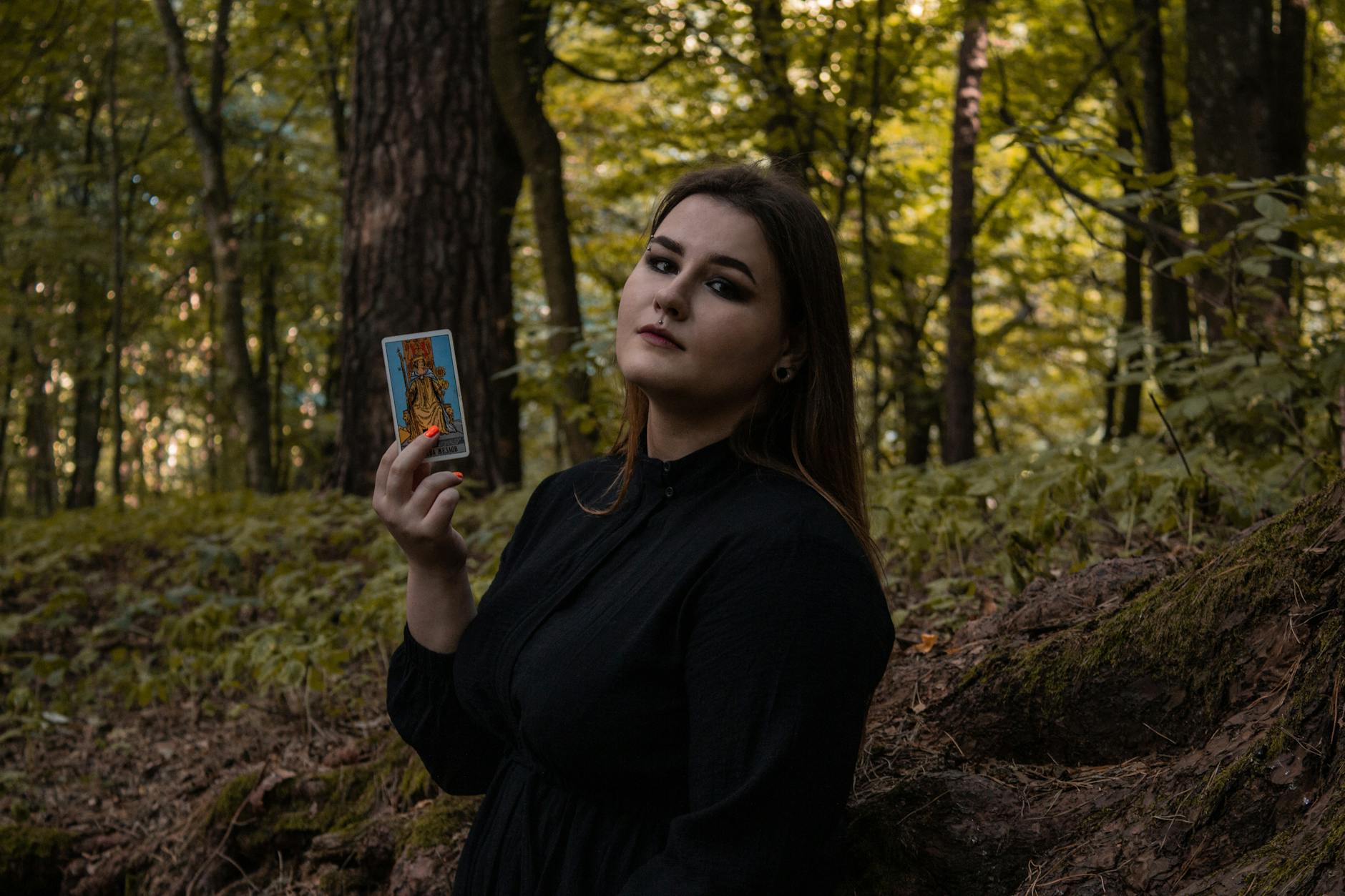
Confirmation isn’t just another box to check in your Catholic journey—it’s the spiritual equivalent of a turbocharger for your faith. I’ve seen firsthand how this sacrament transforms lives, and here’s how it works its magic.
1. It’s Your Personal Pentecost
Remember the Holy Spirit descending on the apostles like a wildfire? That’s what happens to you at Confirmation—just without the dramatic wind and tongues of fire. The bishop lays hands on you, anoints you with chrism, and boom: you’re infused with the gifts of the Spirit. Wisdom, understanding, counsel, fortitude, knowledge, piety, and fear of the Lord. That’s seven superpowers for your soul. Not bad for a single sacrament.
- Wisdom: Seeing God in everything, even your messy life.
- Understanding: Getting why the Church teaches what it does.
- Counsel: Making decisions that don’t make you feel like a fraud.
- Fortitude: Sticking to your faith even when it’s uncool.
- Knowledge: Knowing Scripture and doctrine like the back of your hand.
- Piety: Loving God and others without the cringe.
- Fear of the Lord: Reverence, not terror. Think awe, not anxiety.
2. You’re Officially a Soldier for Christ
Baptism made you a child of God. Confirmation? That’s your commission as a full-fledged soldier in the Church’s army. The bishop’s anointing seals you with the Holy Spirit, marking you as property of Christ. Ever notice how confirmed Catholics seem more… unshakable? That’s not coincidence. It’s grace.
3. It’s Your Faith’s Wi-Fi Booster
Confirmation doesn’t just deepen your connection to God—it upgrades your spiritual bandwidth. I’ve seen teens who were lukewarm about faith suddenly become prayer warriors after Confirmation. Why? Because the sacrament strengthens your soul’s ability to receive grace. Think of it like switching from dial-up to fiber-optic faith.
4. You Get a Spiritual GPS
The Holy Spirit doesn’t just show up at Confirmation and vanish. He sticks around, acting as your divine GPS. Ever felt a sudden, inexplicable nudge to pray, help someone, or avoid a bad decision? That’s the Spirit working. Confirmation fine-tunes your spiritual radar.
5. It’s Your Soul’s Firewall
Sin weakens your connection to God. Confirmation? It’s like a spiritual firewall. The sacrament fortifies you against temptation, making it easier to resist the devil’s spam emails. Not that you’ll be perfect—just better equipped to fight.
| Baptism | Confirmation |
|---|---|
| Makes you a child of God | Makes you a soldier of Christ |
| Cleanses original sin | Seals the Holy Spirit |
| First sacrament | Second sacrament |
Confirmation isn’t magic—it’s grace. And in a world where faith is often treated like a hobby, it’s the sacrament that turns believers into disciples. So if you’ve been confirmed, use it. If you haven’t, don’t wait. The Holy Spirit’s not patient.
How the Eucharist Nourishes Your Soul: A Guide to Holy Communion*
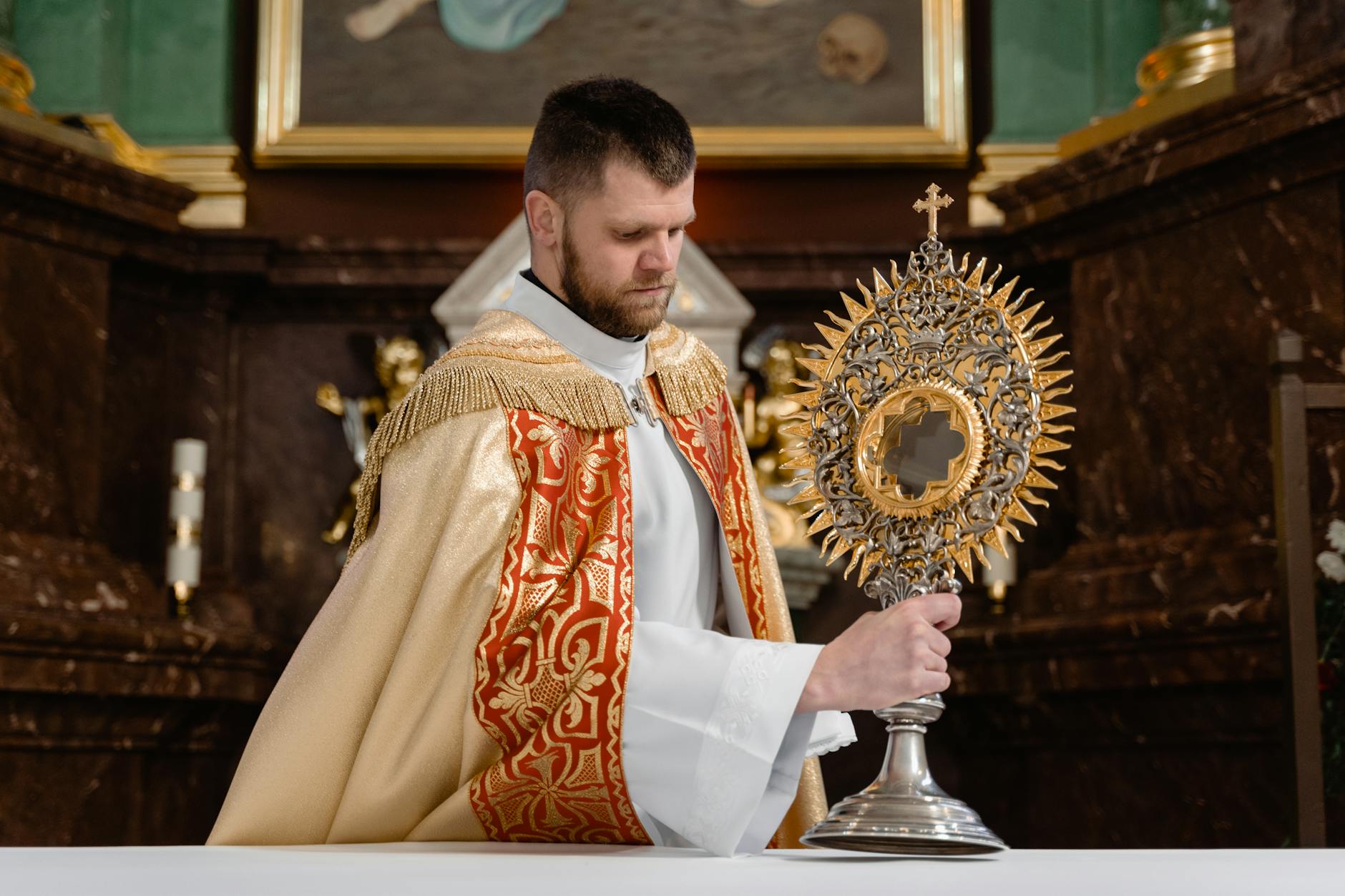
The Eucharist isn’t just a ritual—it’s the heart of Catholic worship, the moment where heaven touches earth. I’ve seen it transform lives: a parishioner once told me how receiving Communion during a crisis gave her the strength to forgive a long-held grudge. That’s the power we’re talking about.
Here’s the deal: The Eucharist is both meal and sacrifice. It’s Christ’s real presence—body, blood, soul, and divinity—under the appearances of bread and wine. The Church calls this transubstantiation, a term that’s tripped up more than a few catechumens. But don’t overthink it. Think of it like this:
- Nourishment: Just as food sustains the body, the Eucharist nourishes the soul.
- Unity: When we receive, we’re united to Christ and to each other—no small thing in a fractured world.
- Grace: It’s the ultimate spiritual boost, strengthening us against sin.
But here’s where people get stuck: frequency. Some Catholics treat Communion like a Sunday obligation, not a lifeline. I’ve seen the difference when someone moves from monthly to weekly. The change is palpable—more peace, deeper faith, fewer struggles with temptation.
Ready to go deeper? Here’s a quick checklist for a meaningful Communion:
| Step | Action |
|---|---|
| 1. Prepare | Examine your conscience. If you’re in mortal sin, go to Confession first. |
| 2. Receive | Approach with reverence. Kneeling or standing—your choice, but mean it. |
| 3. Reflect | After Mass, spend 5 minutes in prayer. Ask: “Lord, how can I live this grace?” |
One last thing: the Eucharist isn’t magic. It’s a relationship. The more you engage, the more you’ll see it work in your life. I’ve seen it in marriages, in addictions overcome, in ordinary people doing extraordinary things. That’s the real miracle.
The seven sacraments of the Catholic Church serve as sacred pathways to grace, uniting believers with Christ and nurturing their spiritual growth. From Baptism’s cleansing to the Eucharist’s nourishment, each sacrament offers divine encounters that strengthen faith and deepen communion with God. They remind us that salvation is not a solitary journey but a shared pilgrimage, guided by the Church’s wisdom and the Holy Spirit’s presence. As you reflect on these sacred mysteries, consider how they invite you to live more fully in God’s love—whether through reconciliation, anointing, or holy matrimony. Let the sacraments inspire you to seek grace daily, not just in ritual but in every act of faith, hope, and charity. How might these sacred gifts transform your relationship with God and others in the days ahead?