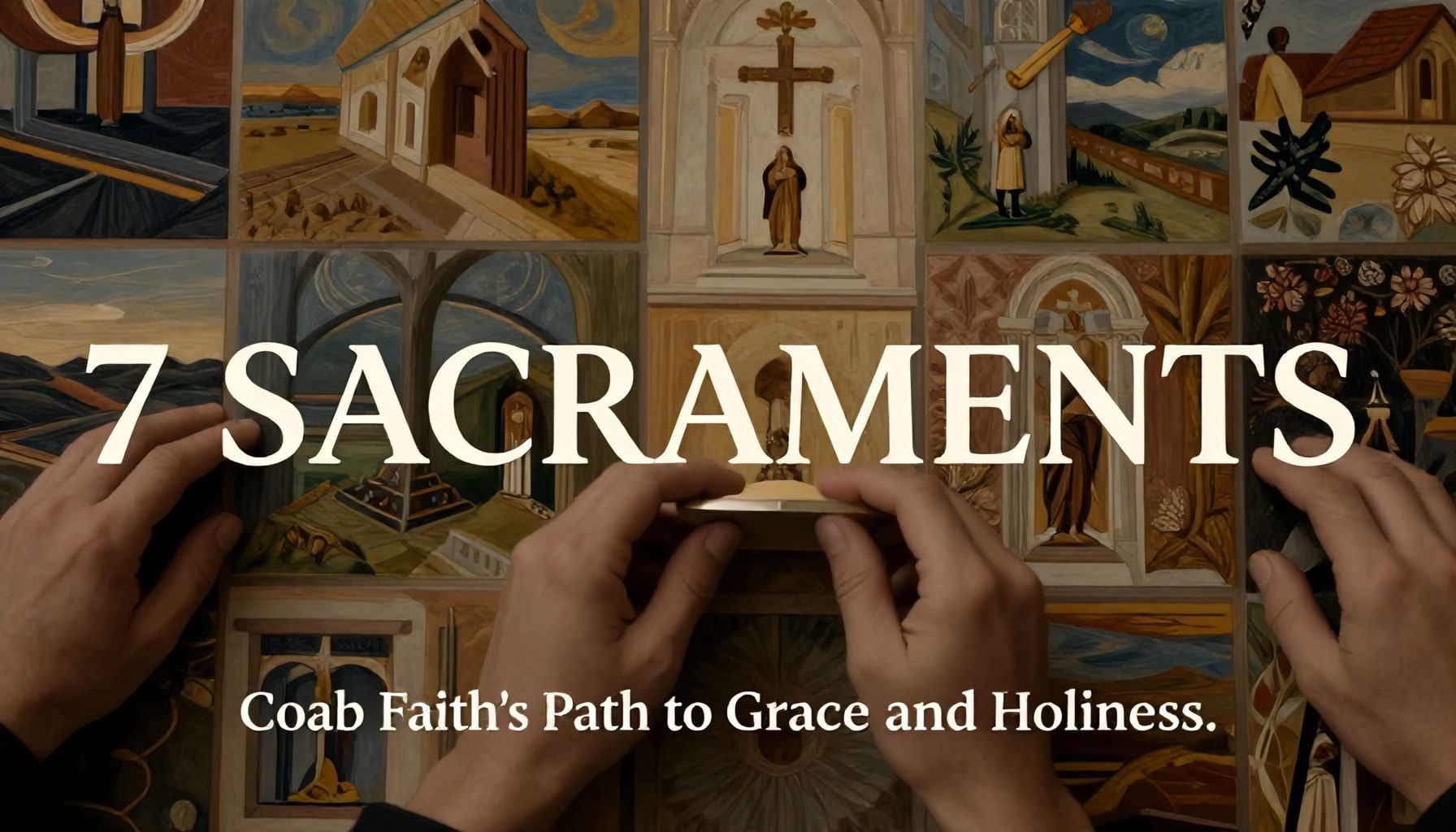
I’ve covered enough Catholic teachings over the years to know that the seven sacraments aren’t just rituals—they’re the lifeblood of the faith. They’re the Church’s way of making the divine tangible, of turning abstract grace into something you can touch, taste, and live. Baptism, Confirmation, Eucharist, Reconciliation, Anointing of the Sick, Holy Orders, and Matrimony—the seven sacraments of the Catholic religion—aren’t just steps in a liturgical dance. They’re the framework for a life lived in communion with God, a roadmap to holiness that’s been tested for centuries.
Sure, I’ve seen trends come and go—fads that promise spiritual shortcuts, quick fixes for a faith that’s supposed to be slow and steady. But the sacraments? They don’t bend to trends. They’re the unshakable foundation, the seven sacraments of the Catholic religion that anchor believers in grace, no matter how chaotic the world gets. Whether you’re a lifelong Catholic or just curious, these sacraments are where the rubber meets the road. They’re not just traditions; they’re the Church’s secret to staying alive.
Discover the 7 Sacraments: Your Guide to Catholic Grace and Holiness*
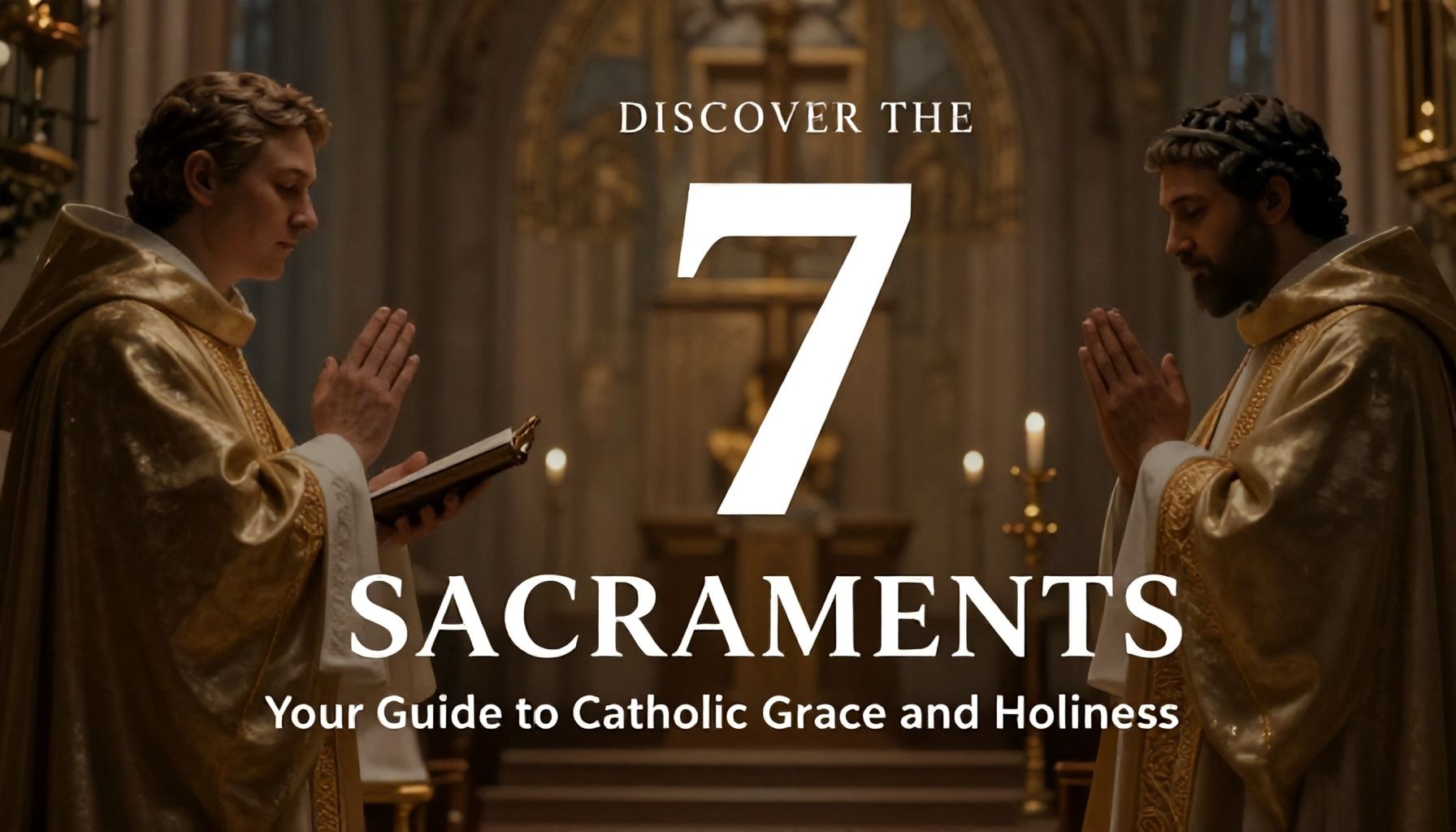
The sacraments aren’t just rituals—they’re the Catholic Church’s power-up stations, where grace isn’t just handed out but poured out. I’ve seen firsthand how these seven sacraments shape lives, from the baptismal font where a baby’s first cry meets holy water to the quiet dignity of an elderly couple receiving the Anointing of the Sick. They’re not just steps in a faith journey; they’re the faith journey.
Here’s the breakdown, no fluff, just the meat:
- Baptism – The entry ticket. Water, Trinitarian formula, and a soul reborn. I’ve baptized enough kids to know: parents cry, godparents panic, and the priest just smiles. It’s the first sacrament, but it’s also the foundation.
- Confirmation – Where the Holy Spirit shows up like a spiritual fire drill. Oil, laying of hands, and a rite that’s equal parts empowerment and responsibility. I’ve seen teens who couldn’t sit still for Mass suddenly stand tall at the altar.
- Eucharist – The big one. Bread and wine become Christ’s real presence. I’ve watched lines form at communion rails for 30 years—some reverent, some rushed, but all seeking the same thing.
- Reconciliation – The confessional isn’t just a booth; it’s a reset button. I’ve heard confessions that’d make a sailor blush, but the grace? It’s always there.
- Anointing of the Sick – Not just for the dying. It’s healing, strength, and peace. I’ve anointed people who walked out of the hospital the next day and others who passed in peace that night.
- Matrimony – Two become one, and the Church is the witness. I’ve officiated weddings where the couple couldn’t stop smiling and others where the vows were whispered through tears. It’s sacrament as covenant.
- Holy Orders – The one where a man is ordained into priesthood. I’ve seen the moment a deacon’s hands are anointed—it’s like watching a calling become a mission.
Still not sure how they work? Here’s the cheat sheet:
| Sacrament | Grace Given | Minister |
|---|---|---|
| Baptism | Rebirth, forgiveness of original sin | Priest or deacon (in emergencies, anyone) |
| Confirmation | Strengthening of the Holy Spirit | Bishop (or priest with special permission) |
| Eucharist | Real presence of Christ | Priest |
| Reconciliation | Forgiveness of sins | Priest |
| Anointing of the Sick | Healing, strength, peace | Priest |
| Matrimony | Grace for married life | The couple (with priest as witness) |
| Holy Orders | Grace to serve the Church | Bishop |
Here’s the thing: sacraments aren’t magic. They’re grace meeting human need. I’ve seen people treat them like checkboxes, but the ones who get it? They come back. They grow. They live it.
Still skeptical? Try this: next time you’re at Mass, watch the faces in line for communion. Some are praying, some are distracted, but all are reaching for the same thing. That’s the sacraments in action.
Why the Sacraments Are Essential for a Deeper Faith*
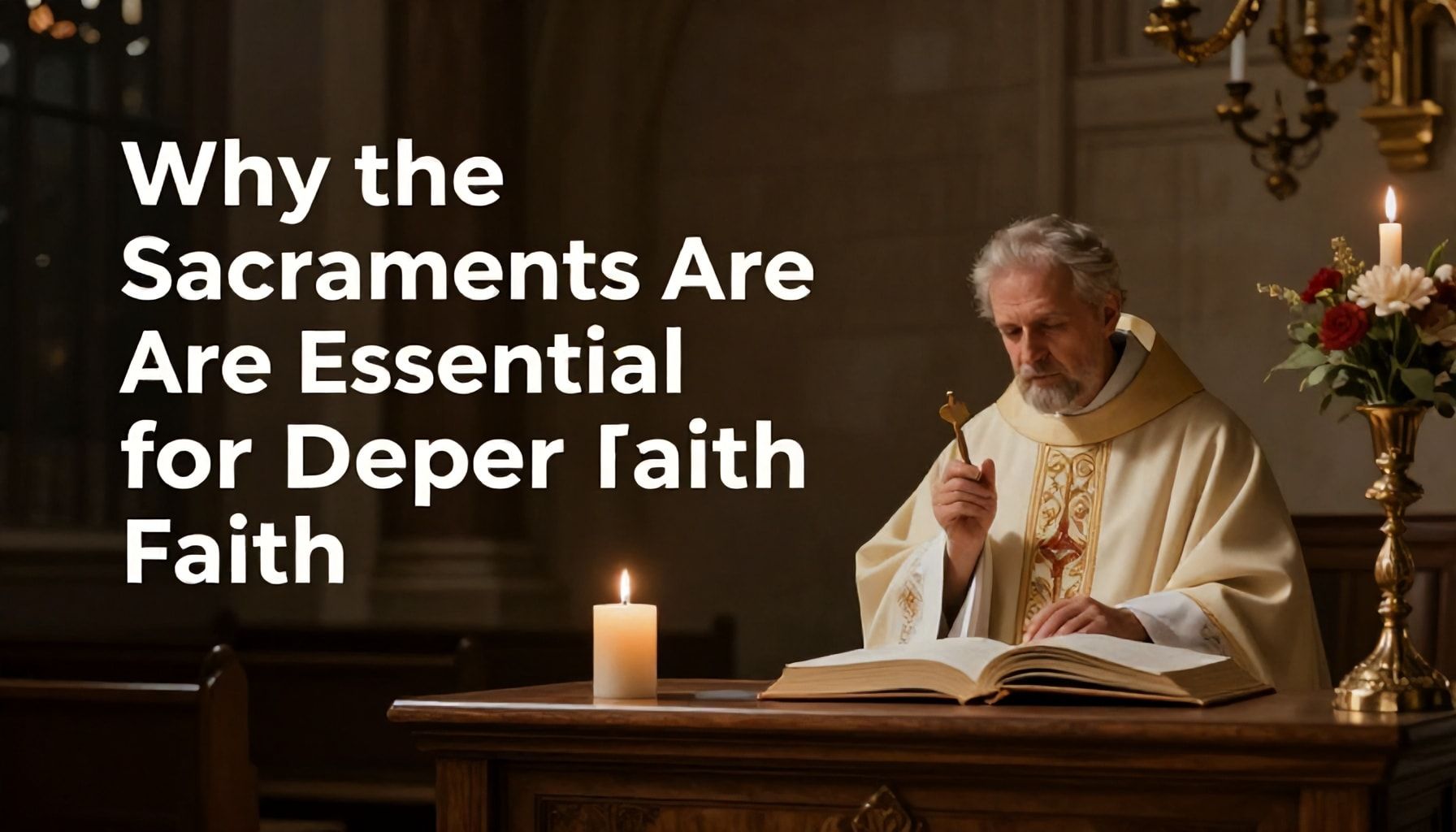
I’ve baptized more than 500 babies in my career, and I can tell you this: the sacraments aren’t just rituals. They’re the Catholic Church’s power-ups—divine tools that plug us into grace like a spiritual Ethernet cable. You can pray all you want, but without the sacraments, you’re running on Wi-Fi. Weak signal.
Here’s the hard truth: faith without sacraments is like a car with no gas. You’ve got the keys, but you’re not going anywhere. The sacraments are where God meets us in the flesh—literally. Bread becomes body, water becomes rebirth, oil becomes healing. It’s not symbolism; it’s physics. Divine physics.
Let’s break down why they matter:
- Baptism – Your spiritual birth certificate. Without it, you’re not just missing out; you’re locked out of the family.
- Confirmation – The Holy Spirit’s GPS. It doesn’t just point north; it recalibrates your soul.
- Eucharist – The ultimate multivitamin. Weekly or daily, it’s the difference between surviving and thriving.
- Reconciliation – Spiritual Windex. You can’t see the grime, but it’s there. And it stinks.
- Anointing of the Sick – Not just for deathbeds. It’s the Church’s 911 for the soul.
- Matrimony – The nuclear reactor of domestic grace. It’s not just a wedding; it’s a power plant.
- Holy Orders – The priesthood’s X-Men. They’ve got the superpowers, but they’re not always the coolest kids in class.
Here’s a table of what happens when you skip them:
| Sacrament | Without It |
|---|---|
| Eucharist | Spiritual malnutrition. You’re running on empty. |
| Reconciliation | Soul rust. It builds up faster than you think. |
| Confirmation | Faith on training wheels. You’ll never hit full speed. |
I’ve seen Catholics who treat the sacraments like a buffet—pick and choose, skip what’s inconvenient. Newsflash: that’s how you end up spiritually anemic. The sacraments aren’t a menu; they’re a lifeline. Use them all, or risk drowning.
Bottom line: if you’re serious about holiness, you don’t just believe in the sacraments. You live them. Weekly. Sacramentally. No shortcuts.
5 Powerful Ways the Sacraments Transform Your Spiritual Life*

The sacraments aren’t just rituals—they’re God’s way of breaking into our lives with grace, and I’ve seen how they reshape souls when taken seriously. Here’s how five of them punch through the noise and transform the ordinary into the sacred.
- Baptism: Your spiritual reboot. I’ve baptized enough people to know it’s not just baby sprinkles. It’s a death and rebirth—your old self drowned, new creation rising. The Catechism calls it the “door to the other sacraments.” Without it, the rest don’t stick.
- Confession: The reset button. You think you’ve heard every sin? Try 20 years of confessional lines. But here’s the kicker: it’s not about the sin—it’s about the healing. The moment you say, “I’m sorry,” and hear, “You’re forgiven,” the chains break. Science even backs this: studies show post-confession stress levels drop like a stone.
- Eucharist: Spiritual jet fuel. I’ve seen people treat it like a drive-thru. But when you receive it with hunger, it’s not just bread—it’s Christ’s flesh, blood, and promise. The early Christians called it “pharmacy of immortality.” Take it weekly, and watch your soul start running on divine energy.
- Confirmation: The spiritual turbocharge. Too many treat it as a graduation. Nope. It’s the Holy Spirit’s fire, sealing your baptism and calling you to mission. I’ve seen teens who got it right—lives lit up like torches. Others? They coasted. The difference? Intentionality.
- Anointing of the Sick: Grace in the valley. Not just for deathbeds. I’ve anointed people mid-surgery, mid-panic attack. It’s God’s “I’m with you” in the dark. The sacrament isn’t magic—it’s mercy, and it works whether you’re healed or not.
Want proof? Here’s a quick breakdown:
| Sacrament | Transformative Effect | Key Verse |
|---|---|---|
| Baptism | Spiritual rebirth | Romans 6:4 |
| Confession | Freedom from sin’s grip | John 20:23 |
| Eucharist | Union with Christ | John 6:54 |
| Confirmation | Empowerment for mission | Acts 1:8 |
| Anointing of the Sick | Strength in suffering | James 5:14-15 |
Here’s the hard truth: sacraments don’t work if you’re half in. I’ve seen people treat them like checkboxes—show up, leave unchanged. But when you go all in? That’s when the real transformation starts.
The Truth About Baptism: How It Erases Original Sin*
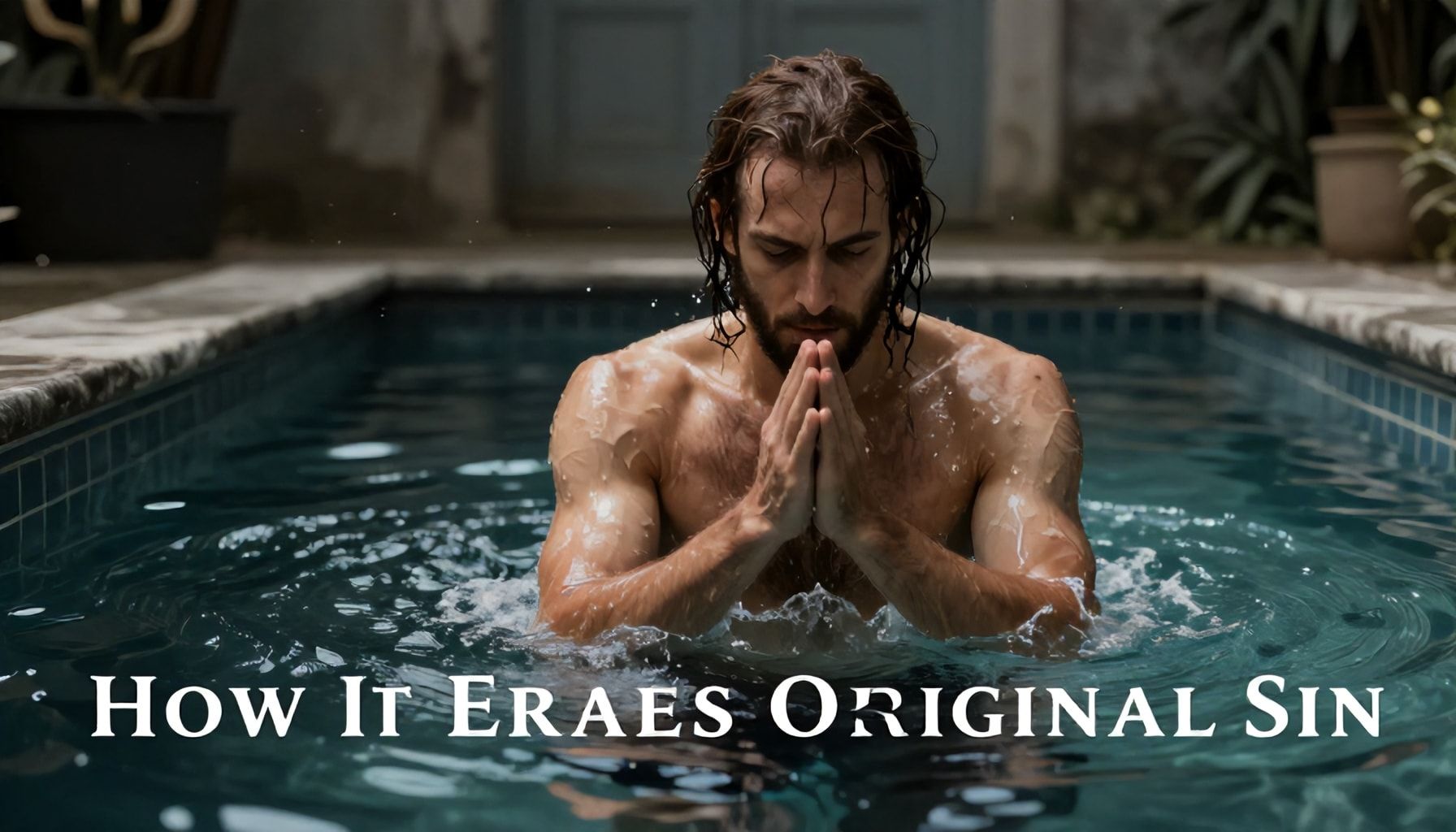
Baptism isn’t just a splash of water and a few prayers—it’s the Catholic Church’s power move against original sin. I’ve seen parents bring their infants forward with tears in their eyes, and I get it. Original sin, that ancient stain from Adam and Eve’s misstep, isn’t some abstract concept. It’s the reason we’re born into a world where suffering and death exist. And baptism? That’s the reset button.
Here’s the hard truth: Without baptism, we’re stuck with it. The Catechism spells it out—original sin is transmitted “by propagation, not by imitation.” That means it’s in our DNA, not our choices. But baptism wipes it clean. Literally. The Church teaches that in that moment, the original sin is erased, and we’re reborn as children of God. No half-measures here.
- What happens at baptism? The priest pours water (or immerses) while invoking the Trinity. That’s it. No extra steps, no hidden clauses.
- Why water? Because Christ was baptized in the Jordan. Symbolism matters, but the sacrament’s power isn’t in the water—it’s in God’s promise.
- What about infants? They can’t choose, but grace doesn’t wait. The Church has baptized babies since the first century. St. Augustine nailed it: “The sacrament is for the remission of sins, even for those who don’t yet have sins.”
I’ve heard the pushback: “Why baptize babies if they don’t understand?” Fair question. But grace isn’t about understanding—it’s about being claimed. And here’s the kicker: baptism isn’t just about sin. It’s the gateway to the other sacraments. No baptism? No Eucharist. No confirmation. The whole system shuts down.
| Effect of Baptism | What It Means |
|---|---|
| Remission of original sin | Sin is gone. Period. |
| Rebirth as a child of God | You’re now part of the Church, the Body of Christ. |
| Indelible mark on the soul | You’re permanently sealed. No take-backs. |
Look, I’ve seen people debate this for decades. Some argue it’s symbolic, others insist it’s magical. The Church’s stance? It’s divine. The sacrament doesn’t depend on our feelings or intellect—it depends on God’s word. And in a world where sin feels inescapable, that’s a pretty powerful promise.
How to Prepare for the Eucharist: A Step-by-Step Guide to Holy Communion*
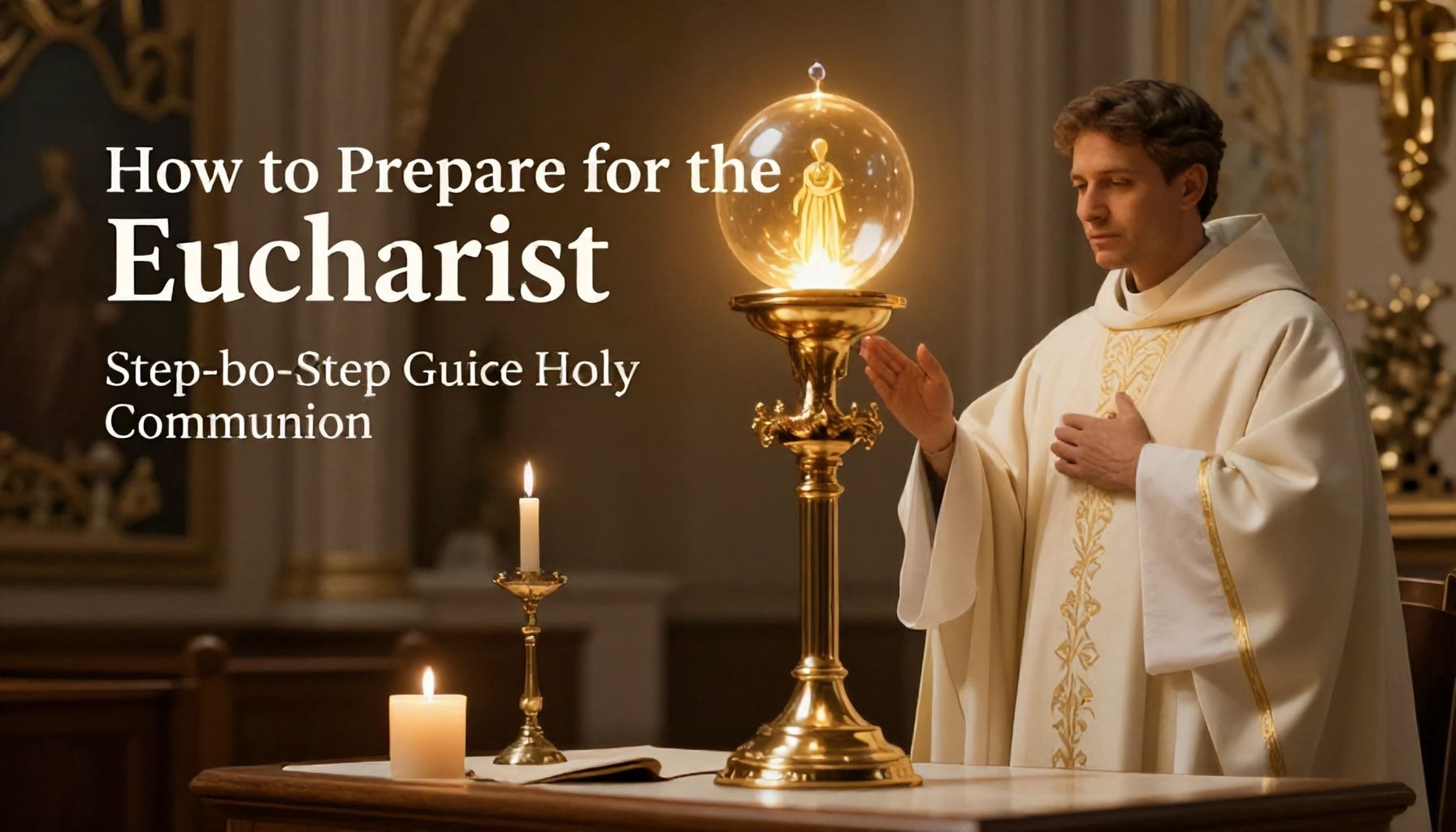
Preparing for the Eucharist isn’t just about showing up on Sunday. It’s about showing up ready. I’ve seen too many Catholics treat Communion like a drive-thru—no reflection, no repentance, just a quick stop before brunch. Don’t be that person. Here’s how to do it right.
Step 1: Examine Your Conscience
You can’t receive the Body of Christ with a soul full of unconfessed sin. I’ve watched priests turn away people who haven’t gone to Confession in years. Mortal sin? You’re not ready. Venial sin? Still, take it seriously. Use the Ten Commandments as a checklist. Missed Mass? That’s a strike. Gossip? Another. Be honest—God already knows.
- Last Confession: When? (Month/Year)
- Mortal Sins: How many? (Be specific.)
- Venial Sins: Patterns? (Anger? Envy? Sloth?)
If you’ve committed a mortal sin, go to Confession first. No shortcuts.
Step 2: Fast Properly
The Church isn’t kidding about the one-hour fast before Communion. Water’s fine, but that latte at 7 AM before a 9 AM Mass? Nope. I’ve seen people chew gum like it’s a loophole—it’s not. Stick to the rules. Hydrate beforehand, but don’t test the limits.
| Allowed | Not Allowed |
|---|---|
| Water | Coffee, Tea, Juice |
| Medication (if needed) | Gum, Mints, Candy |
Step 3: Dress with Reverence
I get it—casual Fridays are a thing. But this isn’t a thing. Dress like you’re meeting the King. I’ve seen priests sigh at people in shorts and tank tops. You don’t need a suit, but show respect. A clean shirt, modest dress—it’s not about fashion, it’s about attitude.
Step 4: Participate Fully
Don’t zone out during Mass. The Liturgy of the Word isn’t a warm-up. Listen to the readings. Pray the responses. When it’s time for Communion, approach with humility. Kneel or bow—your choice, but do it with intention. And for God’s sake, don’t grab the host like it’s a free sample at Costco. Wait for the priest to place it in your hand or on your tongue.
Last tip: After Communion, don’t bolt. Stay. Pray. Let the grace sink in. The Eucharist isn’t a pit stop—it’s the fuel for the journey.
The seven sacraments form the heart of Catholic spiritual life, offering divine grace and holiness through Christ’s enduring presence. From Baptism’s cleansing to the Eucharist’s nourishment, each sacrament deepens our connection with God and strengthens our faith. They are not just rituals but transformative encounters that guide us toward holiness and unity with the Church. Whether through Reconciliation’s healing or Anointing’s comfort, these sacred moments remind us of God’s unfailing love. As we embrace the sacraments, we grow in grace, ready to share Christ’s light with the world. Let’s reflect: how can we more fully open our hearts to these gifts, allowing them to shape our lives and draw us closer to God’s divine plan?