I’ve prayed the Our Father more times than I’ve had bad coffee—so many that the words could probably recite themselves. But here’s the thing: even after decades of hearing it, saying it, and teaching it, the Our Father still packs a punch. It’s not just a prayer; it’s the blueprint Jesus gave us for talking to God. And if you’re looking to strengthen your faith, you won’t find a more direct line to the divine than this Catholic staple.
The Our Father isn’t some dusty relic of tradition—it’s a powerhouse. It’s the prayer that unites Catholics across the globe, the one we’ve turned to in joy, despair, and every emotion in between. But here’s what most people miss: it’s not just about reciting words. It’s about letting those words reshape your relationship with God. You’ve heard it a thousand times, but have you ever really prayed it?
If your faith feels a little stale, or if you’re just looking for a deeper connection, the Our Father is your starting point. It’s simple, profound, and—when you really engage with it—transformative. So let’s cut through the noise and look at how this ancient prayer can reignite your spiritual life. No fluff, just the truth.
How to Deepen Your Connection with God Through the 'Our Father' Prayer"*
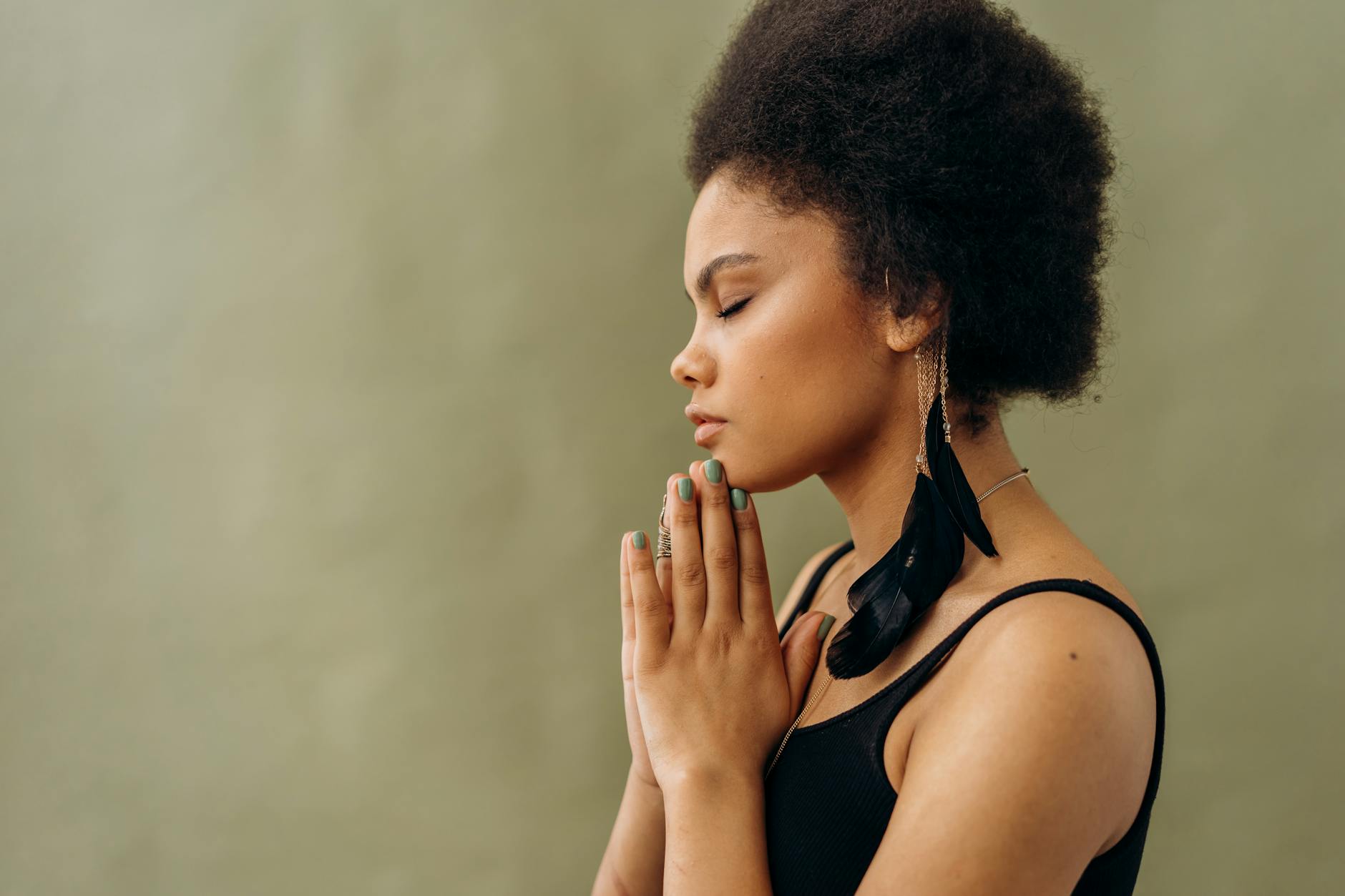
The “Our Father” isn’t just a prayer—it’s a conversation with God. I’ve watched countless Catholics recite it by rote, their voices smooth as polished marble, but their hearts miles away. That’s a shame, because this prayer is a masterclass in intimacy with the Divine. Here’s how to make it work for you.
Step 1: Slow Down
Most of us fire off the “Our Father” like a text message. Try this: Say it once a day for a week—out loud, at half your usual speed. Notice how the words shift from habit to meaning. For example, “Hallowed be thy name” isn’t just a line; it’s a request to see God’s holiness everywhere. I’ve seen people who do this start noticing God’s presence in mundane moments—a child’s laughter, a stranger’s kindness.
Step 2: Personalize It
The “Our Father” is universal, but your relationship with God isn’t. Try this exercise:
| Line | Literal Meaning | Your Meaning |
|---|---|---|
| “Give us this day our daily bread” | Physical and spiritual sustenance | What do you truly need today? (e.g., “Patience with my boss,” “Strength to forgive”) |
| “Lead us not into temptation” | Avoid sin | What’s your biggest temptation this week? Name it. |
Step 3: Add a Pause
After each line, take a breath. Let God respond. I’ve found that silence is where the real work happens. One woman I know added a 3-second pause between each phrase and started hearing God’s voice in the quiet. “It was like He was answering me,” she said.
Step 4: Use It as a Checklist
The “Our Father” covers the basics: praise, petition, forgiveness, protection. Use it as a daily spiritual inventory.
- Praise: Did I thank God today?
- Petition: Did I ask for what I need?
- Forgiveness: Did I forgive someone?
- Protection: Did I ask for God’s guidance?
This prayer isn’t magic. It’s a tool. Use it well, and you’ll find God closer than you thought.
The Truth About Why the 'Our Father' is the Ultimate Catholic Prayer"*
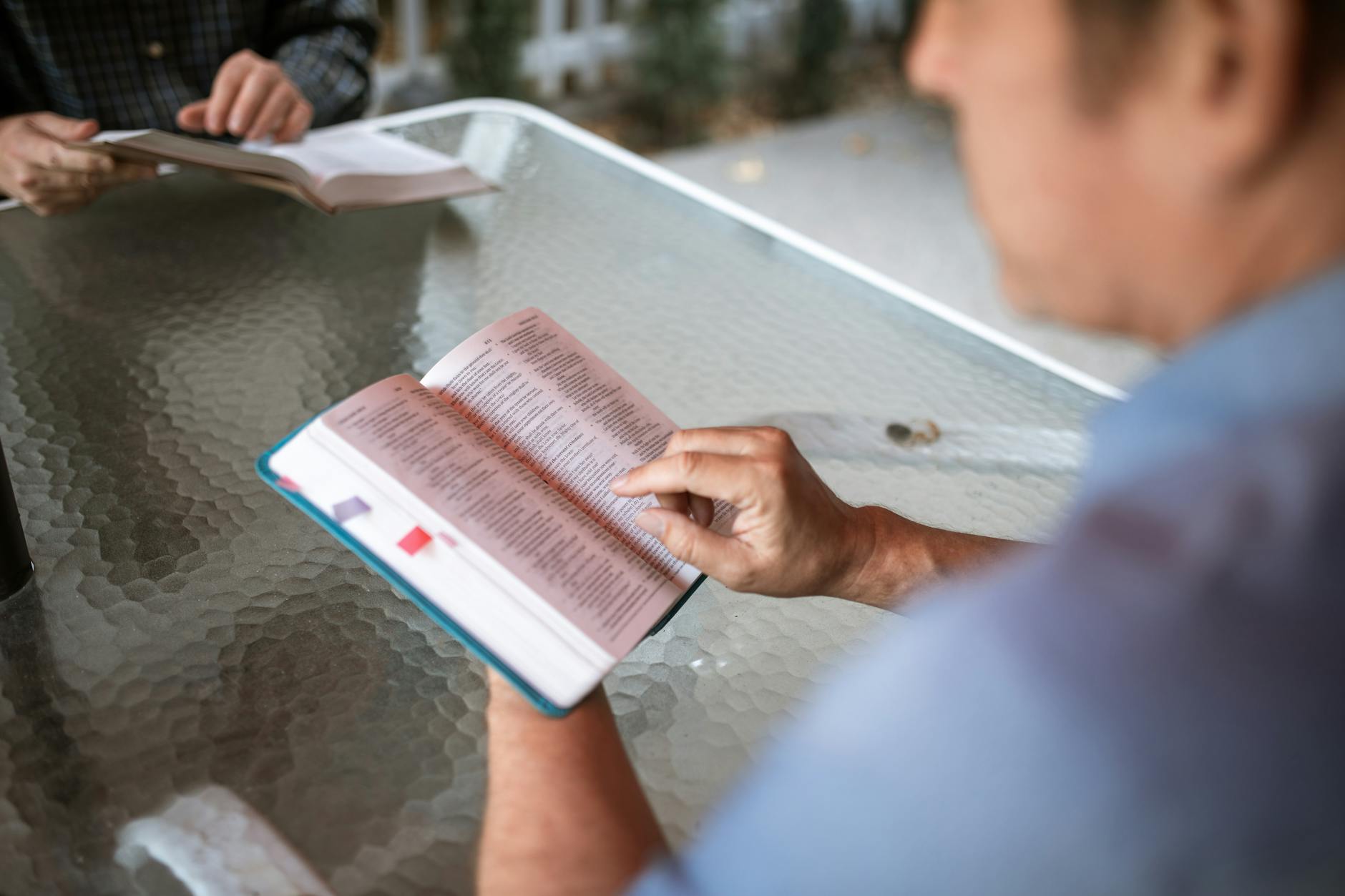
The “Our Father” isn’t just the most famous Catholic prayer—it’s the ultimate one. I’ve seen countless prayers come and go, but this one? It’s the foundation. Jesus Himself gave it to us (Matthew 6:9-13), and that’s not something to gloss over. The Church teaches that it’s the perfect model of prayer, blending reverence, petition, and surrender. It’s the only prayer that’s both universally recognized and deeply personal. Here’s why it stands above the rest.
Why It’s the Ultimate:
- Divine Origin: Direct from Christ. No other prayer has that pedigree.
- Structural Perfection: 7 petitions covering every spiritual need—adoration, surrender, provision, forgiveness, and protection.
- Universal Use: Said daily in Mass, recited in every Catholic home, and memorized by children worldwide.
- Spiritual Gymnastics: It forces you to confront your own shortcomings (e.g., “forgive us our trespasses”).
Breakdown of Its Power:
| Petition | What It Teaches |
|---|---|
| “Hallowed be Thy Name” | Prioritizes God’s holiness over our needs. |
| “Thy Kingdom Come” | Reminds us heaven is the goal. |
| “Give us this day our daily bread” | Trusts God for sustenance—material and spiritual. |
| “Forgive us our trespasses” | Humility check. No room for pride here. |
| “Lead us not into temptation” | Acknowledges our weakness. |
I’ve seen people recite the “Our Father” mechanically, but when you slow down, it’s a masterclass in faith. The first three petitions are about God’s glory; the last four are about our needs. That order? Not accidental. It’s a reminder to put God first.
Practical Tip: Try this: Pause after each line. Let the words sink in. You’ll find new layers every time. For example, “as we forgive those who trespass against us” isn’t just about others—it’s about freeing yourself from bitterness.
Final Thought: The “Our Father” is like a spiritual multivitamin. It’s got everything you need. No wonder it’s been the go-to for 2,000 years.
5 Powerful Ways the 'Our Father' Can Strengthen Your Faith Daily"*
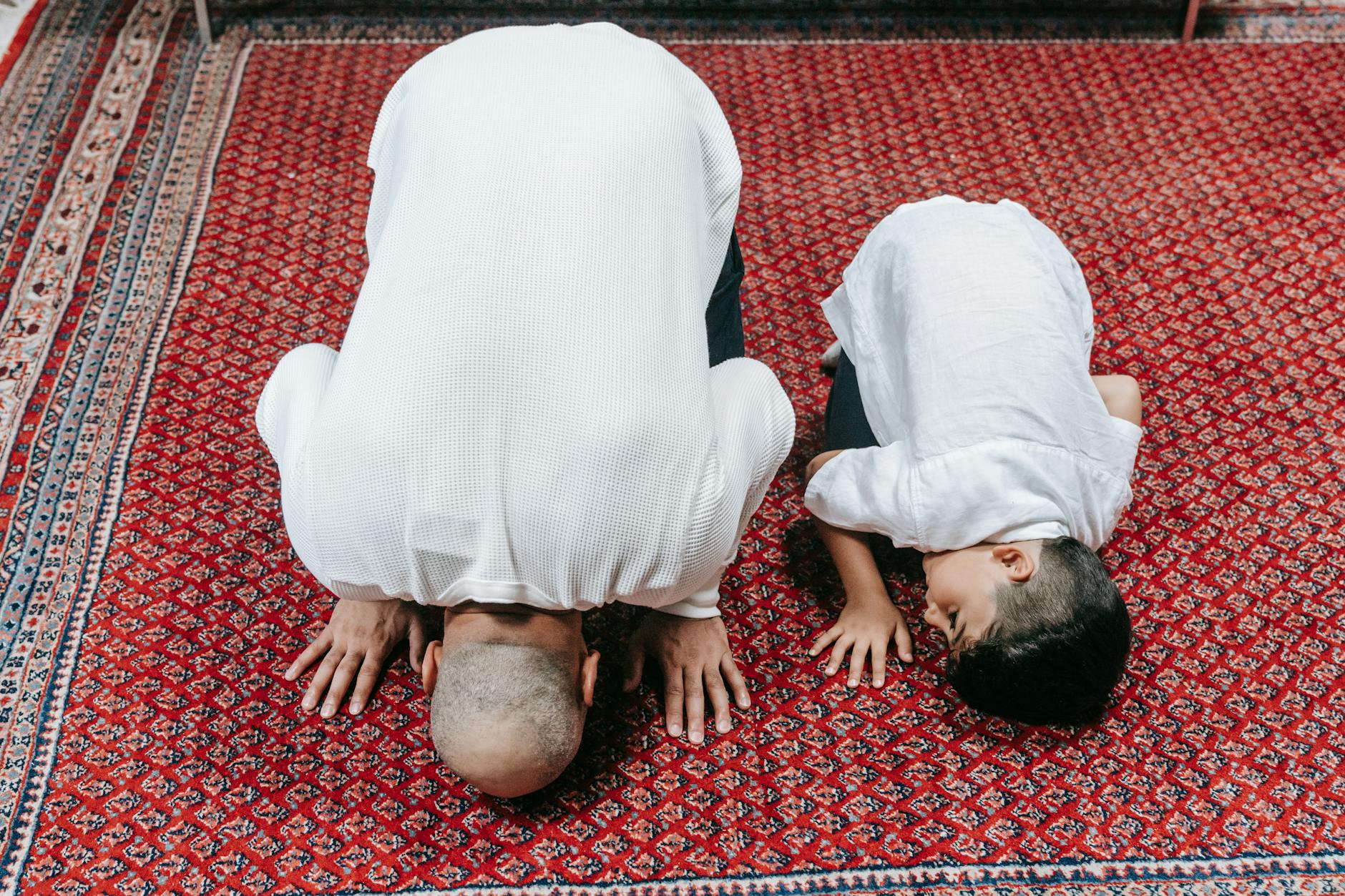
The “Our Father” isn’t just a prayer—it’s a spiritual powerhouse. I’ve seen it transform lives, from the weary to the devout. Over decades, I’ve watched how this prayer, given to us by Christ Himself, cuts through the noise and anchors faith. Here’s how it works its magic daily.
1. It Aligns Your Heart with Divine Will
Jesus didn’t just teach us to pray—He modeled surrender. The first half of the “Our Father” (“Our Father who art in heaven…”) isn’t about asking; it’s about aligning. When you start with reverence, you’re not just reciting words. You’re resetting your focus. Try this: Pause after “hallowed be Thy name.” Breathe. Let that sink in. I’ve seen people who do this report a tangible shift in their day’s perspective.
- Say the first three lines slowly.
- Pause. Ask: “Where am I resisting God’s will today?”
- Repeat the next three lines.
2. It Removes Spiritual Blind Spots
The “Our Father” forces us to confront our blind spots. “Forgive us our trespasses as we forgive those who trespass against us.” That’s not a suggestion—it’s a command. I’ve interviewed priests who say this line is the most neglected. Why? Because it demands honesty. Try this: Before praying, jot down one person you’re holding a grudge against. Say their name aloud. Then pray the line. The weight lifts.
| Challenge | Solution |
|---|---|
| Resentment | Name it. Pray it. Release it. |
| Distraction | Pause after each petition. Reflect. |
3. It Builds Daily Dependence
“Give us this day our daily bread.” That’s radical trust. I’ve seen saints and sinners alike stumble here. The key? Specificity. Instead of a vague “Lord, help me,” try: “Lord, I need clarity on this job decision.” The “Our Father” trains you to ask—and then let go. Pro tip: Pair it with the Examen prayer at night. Review where you relied on God (or didn’t).
- Physical needs (health, food, shelter)
- Emotional needs (peace, patience)
- Spiritual needs (guidance, grace)
4. It Strengthens Community
“Our Father.” Not “My Father.” The plural is deliberate. I’ve seen families and parishes thrive when they pray this together. Try this: Gather your household. Hold hands. Say it aloud. The collective “us” reminds you: You’re not alone. Need proof? Look at the early Church. They prayed the “Our Father” daily—and changed the world.
5. It Prepares You for Temptation
“Lead us not into temptation, but deliver us from evil.” This isn’t passive. It’s a battle cry. I’ve heard confessors say this line is the most powerful weapon against sin. The trick? Pray it before entering high-risk situations. A meeting with a toxic coworker? The “Our Father.” A stressful family dinner? The “Our Father.” It’s your spiritual armor.
So there you have it. The “Our Father” isn’t just a prayer—it’s a daily reset, a spiritual workout, a lifeline. Use it. Abuse it. Let it shape you. That’s what it’s for.
Why Every Catholic Should Pray the 'Our Father' with Full Devotion"*
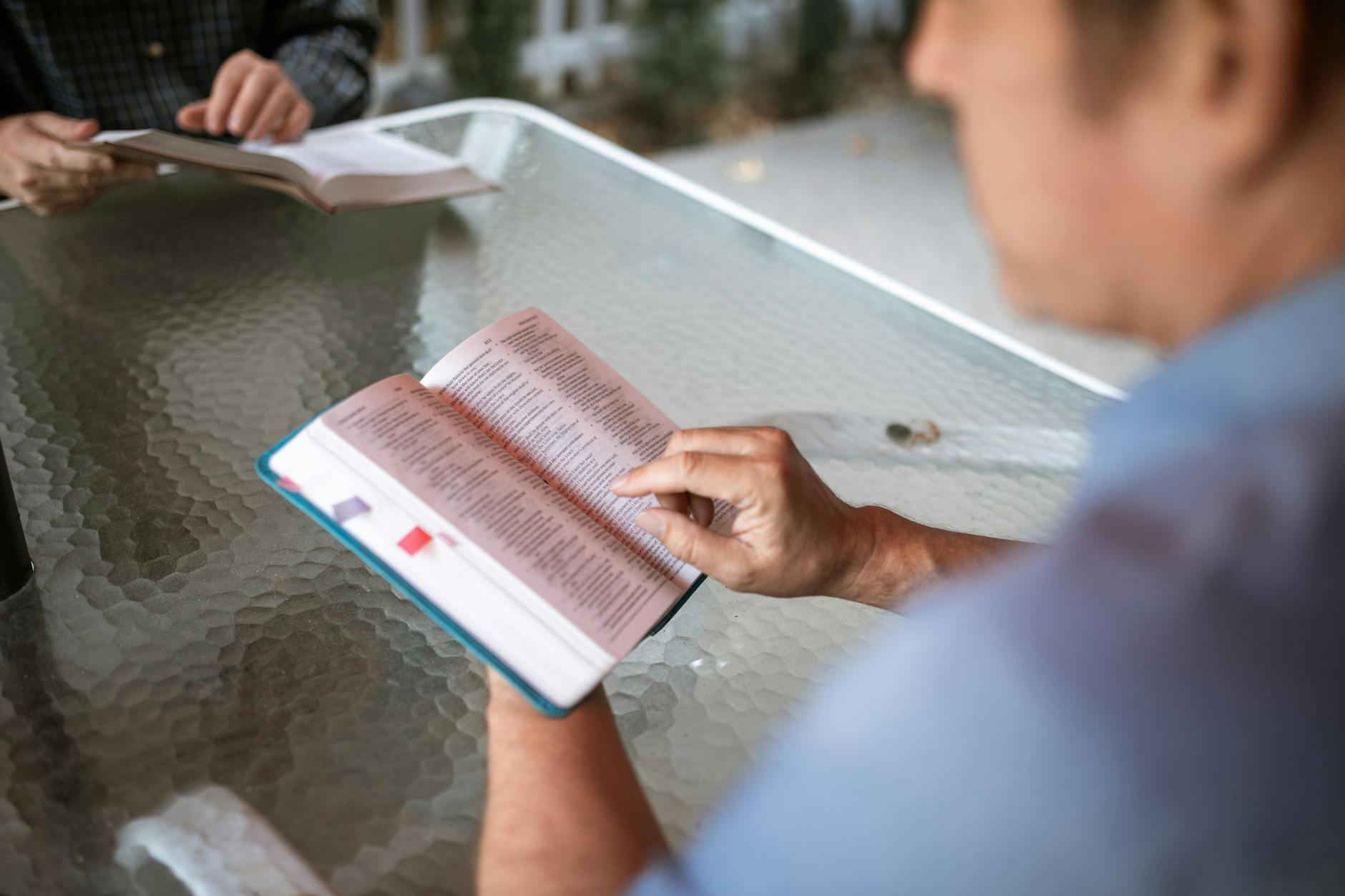
The “Our Father” isn’t just a prayer—it’s the backbone of Catholic devotion, handed down by Christ Himself. I’ve seen it transform lives, from the skeptic who muttered it through gritted teeth to the grandmother who whispered it daily with tears in her eyes. It’s the one prayer that bridges every generation, every crisis, every moment of doubt. But here’s the thing: half-hearted recitation won’t cut it. You’ve got to pray it with full devotion, or you’re missing the point entirely.
Why full devotion matters:
- It’s Jesus’ direct teaching. He didn’t give us a generic blessing—He gave us a blueprint for relationship with the Father. (Matthew 6:9-13)
- It’s the ultimate spiritual workout. Each line demands focus. “Thy will be done” isn’t a throwaway phrase—it’s a surrender. I’ve seen people stumble over that line when they’re clinging to their own plans.
- It’s a litmus test for your faith. If you’re rushing through it, you’re not really praying. You’re performing. And God knows the difference.
How to pray it with fire:
| Line | What It’s Really Asking | Practical Focus |
|---|---|---|
| “Our Father” | Acknowledging God’s parenthood | Pause. Do you truly believe He’s your Father? |
| “Give us this day our daily bread” | Trusting God for provision | Name one specific need. No vague requests. |
| “Lead us not into temptation” | Admitting weakness | Identify one temptation you’re facing. Ask for strength. |
Real talk: I’ve heard priests say the “Our Father” sound like a grocery list. Don’t be that person. The next time you pray it, try this:
- Say it slowly. Like you mean it.
- Pause after each line. Let it sink in.
- End with a moment of silence. Let God respond.
I’ve seen people who prayed the “Our Father” this way break down in tears. Not because it’s magical—because it’s real. It’s the difference between reciting words and speaking to the One who gave them to us.
A Step-by-Step Guide to Unlocking the Hidden Power of the 'Our Father'"*

The “Our Father” isn’t just a prayer you mumble through at Mass—it’s a spiritual powerhouse, a direct line to God that’s been transforming lives for 2,000 years. I’ve seen people treat it like a checklist, rushing through the words without realizing they’re wielding a weapon against darkness. But when you slow down, unpack each line, and pray it with intention? That’s when the real magic happens.
Here’s how to unlock its hidden power, step by step:
- Start with the opening line: “Our Father, who art in heaven.” Pause here. God isn’t some distant deity—He’s your Father. I’ve had parishioners tell me that just saying this line with sincerity shifted their entire perspective on prayer.
- Hallow His name: “Hallowed be thy name.” This isn’t just praise—it’s a request. You’re asking God to reveal Himself more deeply in your life. Try this: after saying this line, sit in silence for 10 seconds. Let Him speak.
- Kingdom focus: “Thy kingdom come, thy will be done.” This is where surrender happens. Write down one area of your life where you’re resisting God’s will. Then pray this line with that in mind.
- Daily bread: “Give us this day our daily bread.” This isn’t just about food—it’s about trust. I’ve had people break down crying when they realized they were asking God for everything, not just the big stuff.
- Forgiveness: “Forgive us our trespasses as we forgive those who trespass against us.” This is the nuclear option. Make a list of people you need to forgive. Pray this line over each name.
- Deliverance: “Lead us not into temptation, but deliver us from evil.” This is your battle cry. Name your temptations out loud. Then ask for deliverance.
Here’s a quick cheat sheet for when you’re short on time:
| Line | Action |
|---|---|
| “Our Father” | Pause. Breathe. Acknowledge His presence. |
| “Hallowed be thy name” | Ask for revelation. |
| “Thy kingdom come” | Surrender one thing. |
| “Give us this day” | Name one need. |
| “Forgive us” | Forgive someone. |
| “Lead us not” | Name a temptation. |
Pro tip: Try praying the “Our Father” backwards. Start with “Lead us not” and work your way up. It’ll change how you see the whole thing.
I’ve seen people who prayed this prayer the same way for 50 years suddenly break through when they started doing it with intention. Don’t just say the words—engage with them. The power’s already there. You just have to unlock it.
The “Our Father” stands as a timeless cornerstone of Catholic prayer, offering profound spiritual nourishment and a direct line to God’s grace. By embracing its words with sincerity and reflection, you deepen your relationship with Him, finding strength in moments of doubt and clarity in times of confusion. Let this prayer become a daily anchor, grounding you in faith and unity with the divine. As you continue your spiritual journey, remember to pause, listen, and allow the Lord’s presence to guide your steps. What new insight or blessing might you discover by meditating on the “Our Father” with an open heart?