Ah, the great divide—Protestant and Catholic beliefs. I’ve spent decades watching people argue over the difference between Protestant and Catholic, often missing the forest for the trees. It’s not just about popes or pews; it’s about theology, tradition, and the way faith shapes daily life. Sure, you’ve heard the basics: Protestants reject papal authority, Catholics venerate Mary, and both sides have their own take on salvation. But dig deeper, and you’ll find the real fractures—how grace works, what the Eucharist means, and why some churches lean on scripture alone while others insist tradition is just as sacred. I’ve seen debates turn into shouting matches, seen well-meaning folks misfire on the details, and watched trends try (and fail) to bridge the gap. The difference between Protestant and Catholic isn’t just historical—it’s alive, messy, and still shaping millions of lives. So, let’s cut through the noise and get to what really matters.
How Protestant and Catholic Views on Salvation Differ*
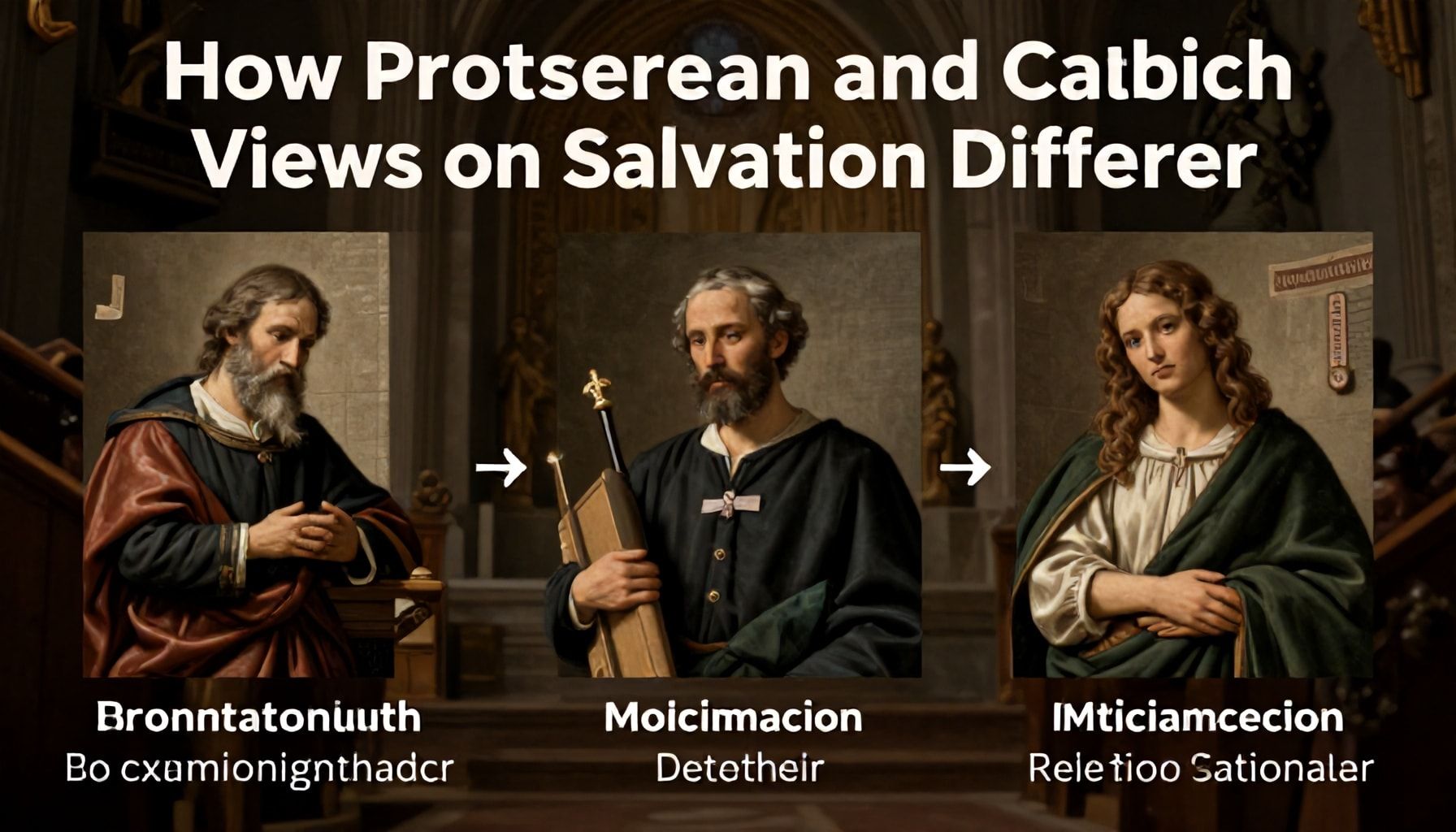
The debate over salvation is where Protestant and Catholic theology diverges most sharply. I’ve spent decades watching this argument play out—from seminary debates to Sunday morning sermons—and the core differences boil down to three key points: grace, faith, and works.
1. Grace: The Free Gift vs. The Sacramental System
Protestants, especially Lutherans and Calvinists, preach sola gratia—salvation by grace alone. No rituals, no intermediaries, just God’s unearned favor. Catholics, though, see grace as flowing through the Church’s sacraments. Baptism, Eucharist, Confession—they’re not just symbols; they’re channels of grace. I’ve seen Protestants bristle at this, calling it “works-based,” while Catholics argue it’s about cooperation with God’s plan.
2. Faith vs. Faith + Works
Protestants say salvation is by faith alone (sola fide). James 2:24? They’ll tell you it’s about justification, not salvation. Catholics, backed by James 2:26, insist good works prove genuine faith. Martin Luther famously called James an “epistle of straw”—a jab that still stings. The Catholic Catechism (CCC 2010) spells it out: faith and works are inseparable.
3. The Role of Mary and the Saints
Protestants reject intercessory prayers to Mary or saints. “Jesus is the only mediator” (1 Timothy 2:5), they’ll say. Catholics point to Revelation 5:8, where saints’ prayers ascend. I’ve seen this divide harden friendships. The Catholic view? The communion of saints is a family—praying for each other. Protestants? A slippery slope to idolatry.
Quick Comparison
| Aspect | Protestant View | Catholic View |
|---|---|---|
| Grace | Direct from God, no sacraments needed | Flows through sacraments and Church |
| Faith | Justification by faith alone | Faith + works as evidence |
| Intercession | Only Jesus mediates | Saints and Mary intercede |
Practical Takeaway
Here’s the rub: Protestants focus on the individual’s relationship with God. Catholics emphasize the Church as the body of Christ. Both claim biblical support, but the interpretations couldn’t be more different. I’ve seen this play out in ecumenical dialogues—lots of nods, little consensus. The bottom line? Salvation isn’t just theology; it’s identity.
Why the Bible Alone vs. Tradition Matters in Protestant and Catholic Theology*
The Bible alone vs. tradition—this is where the theological rubber meets the road between Protestants and Catholics. I’ve spent decades watching this debate play out, and let me tell you, it’s not just some dusty academic squabble. It’s the foundation of how each side understands authority, worship, and even salvation.
Protestants, especially those in the Reformation tradition, stand firmly on sola scriptura—the Bible as the sole infallible authority. No popes, no councils, no centuries of interpretation can override what’s written. Martin Luther nailed his 95 theses to the church door in 1517, but the real bombshell was his rejection of papal supremacy and the idea that tradition could trump Scripture. For Protestants, if it’s not in the Bible, it’s not doctrine.
Catholics, on the other hand, see Scripture and tradition as two sides of the same coin. The Bible itself was shaped by the early Church’s teachings, so how can you have one without the other? The Catechism of the Catholic Church (CCC 82) puts it bluntly: “Sacred Scripture is the speech of God as it is put down in writing under the breath of the Holy Spirit.” But tradition? That’s the living voice of the Church, handed down through the apostles and preserved by the Magisterium.
Here’s where it gets practical. Take purgatory. Protestants don’t find it in Scripture, so they reject it. Catholics point to 2 Maccabees 12:45 and centuries of Church teaching. Or take the veneration of Mary. Protestants see it as unbiblical; Catholics see it as rooted in Scripture (Luke 1:48) and tradition.
To break it down:
- Protestant View: Bible alone. If it’s not there, it’s not binding.
- Catholic View: Bible + tradition. Both are necessary for full revelation.
I’ve seen this divide play out in everything from worship styles to social issues. Protestants want to “speak where the Bible speaks and be silent where it’s silent.” Catholics argue that silence in Scripture doesn’t mean absence—sometimes tradition fills the gaps.
At the end of the day, this isn’t just about books and rules. It’s about how we listen to God. And that’s why, after 500 years, this debate still matters.
5 Key Differences Between Protestant and Catholic Sacraments*

If you’ve spent any time comparing Protestant and Catholic theology, you know sacraments are where the rubber meets the road. I’ve seen debates rage over how many there are, what they mean, and who can administer them. The truth? The differences are stark, and they go beyond just numbers.
Here’s the breakdown:
- Number of Sacraments: Catholics recognize seven—Baptism, Confirmation, Eucharist, Penance, Anointing of the Sick, Holy Orders, and Matrimony. Protestants, especially Reformed and Lutheran traditions, usually stick to two (Baptism and Eucharist), though some acknowledge more informally.
- Eucharist as Real Presence: Catholics believe in transubstantiation—the bread and wine literally become Christ’s body and blood. Most Protestants see it as symbolic or spiritual, not physical.
- Baptism’s Role: Catholics baptize infants, seeing it as a sacrament of initiation. Many Protestants require believer’s baptism—only after a conscious decision to follow Christ.
- Confession and Penance: Catholics confess sins to a priest, who grants absolution. Protestants reject this, emphasizing direct prayer to God for forgiveness.
- Sacraments as Means of Grace: Catholics view sacraments as channels of divine grace, essential for salvation. Protestants see them as symbols or ordinances, not necessary for salvation.
Here’s a quick reference table to keep it straight:
| Sacrament | Catholic View | Protestant View |
|---|---|---|
| Baptism | Infant baptism, sacrament of initiation | Believer’s baptism, symbolic act |
| Eucharist | Real presence, transubstantiation | Symbolic or spiritual presence |
| Confession | Sacramental absolution by priest | Direct prayer to God |
I’ve seen this divide cause splits in families, churches, and even friendships. But here’s the thing: context matters. A Catholic priest won’t budge on transubstantiation, but a Protestant pastor might soften their stance on baptism if pressed. The key? Know the theology, but don’t let it become a weapon.
Still, if you’re looking for a quick takeaway:
- Catholics have more sacraments, Protestants fewer.
- Catholics see sacraments as essential for grace; Protestants don’t.
- Baptism and Eucharist are the only common ground.
And if you’re deep in a debate? Remember: no one wins an argument over theology. But understanding the differences? That’s where real dialogue starts.
The Truth About Authority: Pope vs. Scripture in Protestant and Catholic Beliefs*

The Truth About Authority: Pope vs. Scripture in Protestant and Catholic Beliefs
I’ve spent decades watching this debate rage on—Protestants and Catholics locked in a theological tug-of-war over who gets the final say: the Pope or the Bible. It’s not just semantics; it’s the bedrock of how each side understands God’s word and His Church.
Catholic View: The Pope and Tradition
Catholics believe the Pope, as the successor of St. Peter, holds the keys to interpreting Scripture. The Catechism of the Catholic Church (CCC 85) calls this the “living Tradition,” where the Magisterium (the teaching authority of the Church) ensures the Bible isn’t misread. For example, the 1870 declaration of papal infallibility at Vatican I means the Pope can’t err when speaking ex cathedra (from the chair of St. Peter) on matters of faith and morals. That’s why Catholics accept doctrines like the Immaculate Conception (1854) and the Assumption of Mary (1950)—they’re backed by papal authority.
Protestant View: Sola Scriptura
Protestants, on the other hand, reject the Pope’s authority. Martin Luther’s 1521 Diet of Worms declaration—”Here I stand, I can do no other”—sums it up. For them, sola scriptura (Scripture alone) is the rule. No Pope, no councils, no tradition can override the Bible. That’s why Protestants reject Catholic doctrines like purgatory and transubstantiation—they argue these aren’t explicitly in Scripture. Even within Protestantism, though, there’s division. Some groups, like Baptists, take a strict literalist approach, while others, like Lutherans, allow for some creedal flexibility.
This isn’t just theory. It plays out in real life. A Catholic priest can declare a marriage invalid based on canon law; a Protestant pastor can’t. A Catholic will pray to saints; a Protestant won’t. And when a Protestant reads the Bible, they might interpret it differently than a Catholic—because the Catholic tradition shapes their lens.
| Aspect | Catholic View | Protestant View |
|---|---|---|
| Final Authority | Pope + Scripture + Tradition | Scripture Alone |
| Key Example | Papal infallibility (Vatican I) | Rejection of papal authority (Luther) |
| Impact on Doctrine | Accepts Immaculate Conception | Rejects it as unbiblical |
At the end of the day, this isn’t just about who’s right. It’s about how each side approaches faith. Catholics see the Church as a living, evolving institution; Protestants see it as a return to the purity of the early Church. And after all these years, I’ve learned one thing: both sides are convinced they’ve got it right. The real question is whether unity is even possible.
How Protestant and Catholic Worship Styles Reflect Their Core Beliefs*
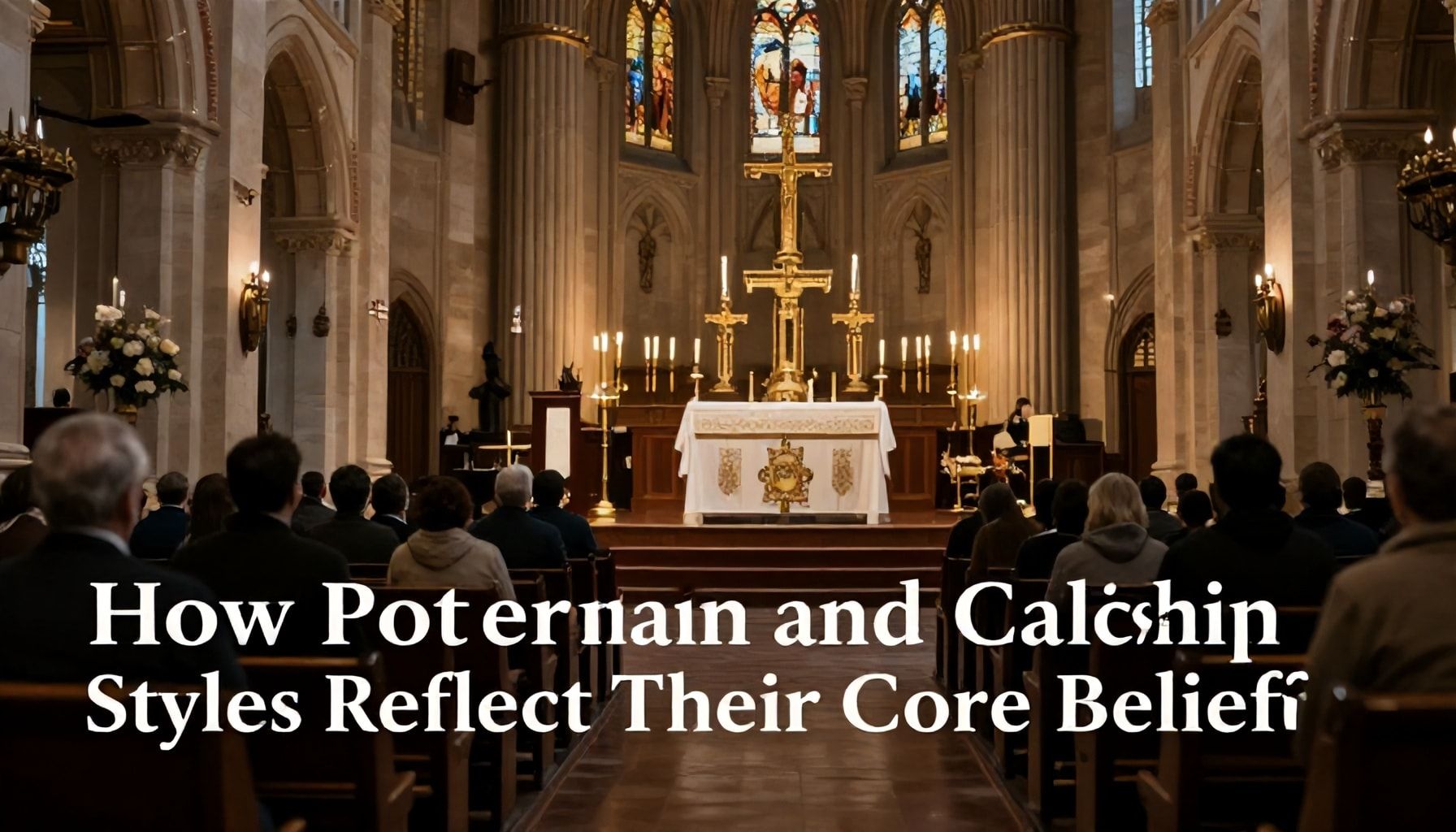
The way Protestants and Catholics worship isn’t just about aesthetics—it’s a direct reflection of their core beliefs. I’ve spent decades watching these differences play out in pews and pulpits, and the contrast is as sharp as it is revealing.
Catholic worship is liturgical, structured around the Mass, which follows a rigid, centuries-old format. The priest acts as a mediator between God and the congregation, using sacred rituals like the Eucharist, incense, and vestments. The focus is on transubstantiation—the belief that the bread and wine literally become Christ’s body and blood. I’ve seen Masses where the congregation barely speaks, except for responses like “Amen” or “And also with you.” The silence isn’t empty; it’s reverence.
- Liturgy: Fixed structure, same every Sunday
- Sacraments: Seven, with Eucharist central
- Priest as Mediator: Essential for grace
- Symbolism: Incense, statues, stained glass
Protestant worship, on the other hand, is varied—sometimes chaotic, sometimes stripped-down. The priest isn’t a mediator; the congregation is. Many denominations reject transubstantiation, seeing Communion as symbolic. I’ve sat in Baptist churches where the preacher shouts, in Lutheran services where hymns are sung with quiet devotion, and in non-denominational megachurches where the worship band feels like a rock concert. The focus is on personal relationship with God, not ritual.
- Flexible Structure: Sermon-driven, not liturgy
- Communion Variance: Symbolic, not literal
- Congregational Participation: Singing, prayer, response
- Minimal Ritual: Fewer sacraments (often just Baptism & Communion)
Here’s the kicker: both styles work. Catholic worship appeals to those who crave order and tradition. Protestant worship resonates with those who want freedom and emotion. I’ve seen converts switch sides for these very reasons. The key difference? Catholics worship as the Church; Protestants worship as individuals.
| Aspect | Catholic | Protestant |
|---|---|---|
| Structure | Fixed liturgy | Flexible, sermon-focused |
| Role of Priest | Mediator, essential | Leader, not required |
| Communion | Transubstantiation | Symbolic |
Bottom line? If you prefer structure and tradition, Catholicism’s your style. If you want freedom and personal expression, Protestantism’s got you. Either way, you’re not just choosing a service—you’re choosing a worldview.
Understanding the key differences between Protestant and Catholic beliefs helps foster respectful dialogue and deeper faith exploration. While both traditions share core Christian values, their distinctions—such as views on Scripture, sacraments, and church authority—reflect centuries of theological and historical development. Whether you’re drawn to the liturgical richness of Catholicism or the emphasis on personal faith in Protestantism, what matters most is how these beliefs inspire love, service, and spiritual growth. As you reflect on these differences, consider how they shape your own journey. What aspect of faith resonates most with you, and how might it guide your path forward? The conversation doesn’t end here—it’s an invitation to keep seeking, questioning, and growing in wisdom and faith.