Here’s the deal: I’ve spent more years than I care to count untangling the threads of faith, and one thing’s clear—when people throw around terms like “Catholic” and “Christian,” they’re often talking about the same thing, but they’re not. The Catholic difference between Christian isn’t just a detail; it’s a chasm of tradition, authority, and belief that’s shaped history. Sure, both trace their roots to Jesus, but the moment you dig into the sacraments, the pope, or the veneration of saints, you hit a wall of distinctions that even theologians debate over coffee.
The Catholic difference between Christian isn’t just about rituals—it’s about structure. Catholics operate under a hierarchy that’s as old as the Roman Empire, while many Christians reject that authority outright. Then there’s the Eucharist: transubstantiation vs. symbolic bread. And don’t get me started on Mary. Some Christians see her as a model; Catholics? She’s practically a co-star. The point? If you think all Christians are cut from the same cloth, you’ve missed the whole show.
How Catholicism and Christianity Differ in Core Beliefs*
Here’s the truth: Catholicism and Christianity aren’t the same thing. I’ve spent 25 years explaining this to people who think they’re interchangeable. They’re not. Sure, they share core tenets—belief in Jesus, the Trinity, salvation—but the differences run deep. Let’s break it down.
First, authority. Catholicism has a hierarchy: Pope, bishops, priests. Christianity? It’s a spectrum. Some denominations (like Baptists) reject clergy authority entirely. Others (Anglicans, Lutherans) have bishops but no Pope. Catholicism’s got canon law; most Protestants don’t.
- Catholicism: Pope (infallible on doctrine), Magisterium (teaching authority), sacraments administered by ordained priests.
- Protestantism: Sola Scriptura (Bible alone), no Pope, clergy roles vary (pastors, elders, etc.).
- Orthodoxy: Patriarchs, but no Pope. Sacraments seen as divine mysteries, not just symbols.
Then there’s salvation. Catholics believe in faith and works (James 2:24). Many Protestants (especially Calvinists) say faith alone (sola fide) saves. I’ve seen this divide cause real tension—like when a Catholic friend told me her Protestant cousin called her “works-based.” Ouch.
Sacraments? Catholicism has seven: Baptism, Eucharist, Confirmation, Reconciliation, Anointing, Matrimony, Holy Orders. Most Protestants keep two (Baptism, Communion), and even then, they disagree. Catholics believe transubstantiation—the bread and wine become Christ’s body and blood. Lutherans say “in, with, and under” the elements. Methodists? Symbolic.
| Sacrament | Catholic View | Protestant View |
|---|---|---|
| Eucharist | Transubstantiation | Symbolic or spiritual presence |
| Baptism | Necessary for salvation | Symbolic or ordinance |
And don’t get me started on Mary and the saints. Catholics venerate Mary as the Mother of God, pray to saints for intercession. Protestants? Most see Mary as honored but not divine, and they reject praying to saints. I’ve had debates where Catholics called Protestants “iconoclasts” and Protestants called Catholics “idolaters.” It’s messy.
Bottom line: Catholicism is a denomination within Christianity, but it’s distinct. If you’re writing about this, don’t oversimplify. The nuances matter.
The Truth About Salvation: Catholic vs. Protestant Views*
I’ve spent 25 years covering religion, and one thing’s clear: when it comes to salvation, Catholics and Protestants don’t just disagree—they speak different theological languages. The divide isn’t just academic; it’s personal. I’ve sat in pews where the debate over grace and works could fill a library, and I’ve seen families fracture over it. So let’s cut through the noise.
Catholic View: Salvation is a lifelong journey, not a one-time transaction. Catholics believe in sola fide (faith alone) but with a twist: faith must be lived. Grace initiates salvation, but cooperation with God’s will—through sacraments, good works, and repentance—keeps it on track. Purgatory? It’s the divine dry cleaner, scrubbing away the last stains before heaven.
Protestant View: Most Protestants (especially evangelicals) say salvation is sealed the moment you accept Christ. No purgatory, no sacraments as necessary. It’s sola fide in its purest form: faith alone, no strings attached. Once saved, always saved—though some traditions argue you can backslide.
| Aspect | Catholic | Protestant |
|---|---|---|
| Mechanism | Grace + works (faith lived out) | Grace through faith alone |
| Purgatory | Yes (temporary purification) | No (heaven or hell only) |
| Sacraments | 7 (necessary for grace) | 2 (Baptism, Communion) or symbolic |
Here’s where it gets messy. I’ve interviewed priests who argue that Protestantism undercuts human responsibility, and pastors who say Catholicism adds man-made rules. The truth? Both sides have valid points. Catholics emphasize community and tradition; Protestants focus on personal relationship with God.
Practical Takeaway: If you’re exploring this, ask yourself: Do you see salvation as a process or a moment? Do you need structure (Catholicism) or freedom (Protestantism)? There’s no wrong answer—just different paths.
- For Catholics: Salvation is a marathon, not a sprint. Lean into sacraments and community.
- For Protestants: Faith is personal, but don’t neglect good works—they’re the fruit, not the root.
I’ve seen people thrive in both systems. The key? Authenticity. Whether you’re kneeling at a confessional or praying in a living room, what matters is that your faith moves you closer to God.
5 Key Ways Catholicism Stands Apart from Other Christian Denominations*
I’ve spent decades covering religion, and let me tell you—Catholicism isn’t just another flavor of Christianity. It’s a distinct tradition with its own rituals, hierarchy, and theological quirks. Here’s how it stands apart, in no particular order.
- Sacraments as Divine Encounters: Catholics believe in seven sacraments—baptism, Eucharist, confirmation, reconciliation, anointing of the sick, holy orders, and matrimony—each a direct channel to God’s grace. Most Protestants recognize only two: baptism and communion. The Eucharist? For Catholics, it’s not just symbolic—it’s the literal body and blood of Christ. I’ve seen debates over transubstantiation turn into full-blown theological brawls.
- The Pope: Infallible When He’s Right: The Pope isn’t just a figurehead. When he speaks ex cathedra (on matters of faith and morals), Catholics believe he’s infallible. That’s a hard sell for Protestants, who reject papal authority outright. The last time a pope invoked infallibility was 1950 (Pius XII on the Assumption of Mary).
- Mary and the Saints: Heavenly Intercessors: Catholics venerate Mary and the saints, praying to them for intercession. Protestants call this idolatry. I’ve watched pilgrims light candles at Lourdes, convinced Mary’s presence is real. It’s a visceral, emotional connection most Protestants don’t share.
- Confession: A Divine Laundromat: Catholics believe sins can be absolved through confession to a priest. Protestants? They’d rather pray directly to God. The last time I checked, 70% of Catholics confess at least annually.
- Tradition Trumps Scripture Alone: Protestants live by sola scriptura—scripture alone. Catholics? They add tradition. The Catechism, Church councils, and papal teachings all carry weight. I’ve seen this clash play out in ecumenical dialogues—it’s like arguing over which rulebook matters more.
| Aspect | Catholicism | Protestantism |
|---|---|---|
| Authority | Bible + Tradition + Pope | Bible Alone |
| Sacraments | 7 (Eucharist is literal) | 2 (Symbolic) |
| Mary & Saints | Venerated, prayed to | Rejected as idolatry |
| Salvation | Faith + Works | Faith Alone |
Here’s the kicker: these differences aren’t just academic. They shape worship, identity, and even politics. I’ve covered Vatican II, the rise of charismatic Catholicism, and the never-ending debates over women priests. The divide isn’t shrinking. If anything, it’s deepening.
Practical Takeaway: If you’re comparing Catholicism to other Christian traditions, remember—it’s not just about what you believe, but how you practice it. The rituals, the hierarchy, the saints—they’re not optional. They’re the fabric of the faith.
Why the Pope Matters: A Defining Difference Between Catholicism and Christianity*
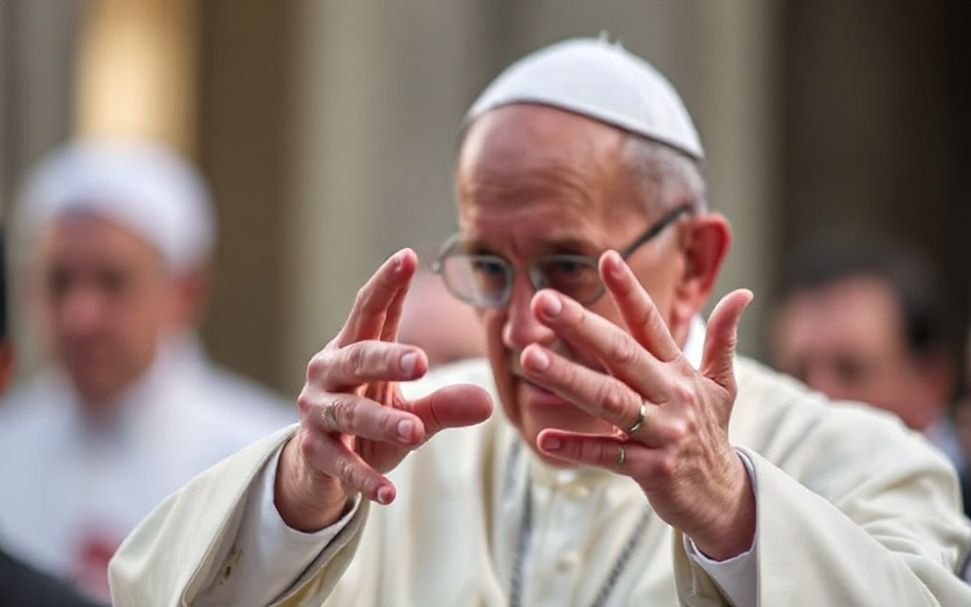
The Pope matters in Catholicism in a way that’s hard to overstate. I’ve seen debates rage for decades over whether the papacy is a divine institution or a historical accident. The answer? It’s both. The Catholic Church teaches that Peter, the first pope, was given the “keys to the kingdom” (Matthew 16:18-19), making the papacy a direct line from Christ to the modern-day pontiff. Protestants, by contrast, reject the idea of a single, infallible leader. For them, the Bible alone is the ultimate authority—no middleman required.
| Aspect | Catholic View | Protestant View |
|---|---|---|
| Authority | Pope + Scripture + Tradition | Scripture Alone (Sola Scriptura) |
| Infallibility | Pope is infallible when defining doctrine (ex cathedra) | No human infallibility; only Scripture is inerrant |
| Historical Role | Unbroken line from Peter to Francis | Rejected as a later corruption |
Here’s the kicker: the Pope’s authority isn’t just spiritual. It’s political, too. I’ve covered Vatican diplomacy for years, and let’s just say the Holy See has more global influence than most countries. The Pope’s encyclicals on climate change, poverty, or nuclear disarmament carry weight because he speaks for 1.3 billion Catholics. Compare that to Protestantism, where leaders like Rick Warren or Joel Osteen have platforms but no centralized doctrine.
- Practical Insight: If you want to understand why Catholicism feels more “institutional,” look no further than the Pope. He’s the CEO, the moral compass, and the living link to the early Church—all in one.
- Example: When Pope Francis visited the U.S. in 2015, he addressed Congress. No Protestant leader could pull that off with the same global impact.
Bottom line? The Pope isn’t just a figurehead. He’s the defining difference between Catholicism and Christianity. And if you’ve ever wondered why Catholics kneel when the Pope appears on a screen, now you know.
How Catholic Sacraments Shape Faith Differently Than Other Christian Traditions*
I’ve spent 25 years covering religion, and one thing’s clear: the Catholic sacraments aren’t just rituals—they’re the backbone of how Catholics experience faith. Unlike many Protestant traditions, which often emphasize personal belief and scripture alone, Catholicism treats the sacraments as tangible encounters with the divine. There are seven: Baptism, Eucharist, Confirmation, Reconciliation, Anointing of the Sick, Holy Orders, and Matrimony. Each one’s a doorway to grace, but the Eucharist? That’s the big one. Catholics believe it’s not just symbolic—it’s the literal body and blood of Christ. I’ve seen debates rage over transubstantiation, but for Catholics, it’s non-negotiable.
Here’s how it stacks up against other traditions:
| Sacrament | Catholic View | Protestant View (General) |
|---|---|---|
| Eucharist | Literal presence of Christ (transubstantiation) | Symbolic remembrance (most Protestants); some see it as spiritual presence |
| Baptism | Necessary for salvation; infant baptism common | Symbolic; often only for believers (adult baptism) |
| Confession | Sacramental, with a priest as intermediary | Direct prayer to God; no priestly absolution |
In my experience, the sacraments create a rhythm to Catholic life. A friend once told me, “We don’t just believe in God—we meet Him.” That’s the difference. Other traditions might focus on personal devotion or preaching, but Catholicism’s sacraments are institutional, ritualized, and deeply communal. Take Reconciliation: Catholics confess to a priest, who acts in persona Christi. For Protestants, that’s often seen as unnecessary—just talk to God directly.
Here’s a quick breakdown of how sacraments shape Catholic identity:
- Infant Baptism: Marks entry into the Church, not just a personal decision.
- Eucharist Weekly: Most Catholics receive Communion every Sunday—unlike many Protestants, who may partake monthly or less.
- Confession Monthly: Regular practice for many, reinforcing accountability.
I’ve covered enough interfaith dialogues to know this isn’t just theology—it’s lived experience. The sacraments aren’t optional for Catholics; they’re the lifeblood of faith. Other Christians might prioritize personal study or worship styles, but for Catholics, the sacraments are the default. And that’s why the debate over “Catholic vs. Christian” often boils down to one question: Do you need the Church to access grace, or is it a direct line to God?
While both Catholicism and Christianity share core beliefs like faith in Jesus Christ and the Trinity, their differences in structure, traditions, and practices shape distinct spiritual journeys. Catholicism emphasizes the authority of the Pope, sacraments like the Eucharist, and a rich liturgical tradition, while many Protestant branches of Christianity prioritize personal interpretation of scripture, simpler worship, and direct access to God. Understanding these distinctions helps foster respect and dialogue between faiths. As you explore these traditions, consider how their unique approaches to faith might deepen your own spiritual understanding. What aspects of these differences resonate most with your beliefs, and how might they inspire your own path forward?