I’ve been covering the differences between the Catholic and Protestant churches for longer than some of my younger colleagues have been alive, and let me tell you—this isn’t just a debate about rituals or traditions. It’s a deep divide shaped by history, theology, and centuries of disagreement. Sure, you’ve heard the basics: Catholics have the Pope, Protestants don’t. Catholics venerate Mary, Protestants don’t. But the real differences between the Catholic and Protestant church run far deeper than that. We’re talking about salvation, authority, and even how you experience God.
The Reformation didn’t just crack open the door to Protestantism—it split Christianity in two, and the fractures still show. Catholics believe in seven sacraments, apostolic succession, and the real presence of Christ in the Eucharist. Protestants? Many reject those ideas outright, favoring sola scriptura—Scripture alone—as their guide. And don’t even get me started on purgatory, indulgences, or the role of saints. These aren’t minor details; they’re the bedrock of what divides these two faiths. If you think the differences between the Catholic and Protestant church boil down to a few surface-level quirks, you’re missing the forest for the trees. Let’s cut through the noise and get to the heart of it.
How Catholic and Protestant Views on Salvation Differ*
If you’ve spent any time in church debates, you’ve heard the salvation argument a thousand times. Catholics and Protestants don’t just disagree on how to get to heaven—they fundamentally disagree on what heaven even requires. The Catholic Church teaches that salvation is a lifelong process involving faith, good works, and sacraments, while most Protestants (especially Reformed traditions) argue salvation is by faith alone, a finished work of Christ. I’ve seen this divide play out in everything from Bible studies to family dinners, and it’s rarely pretty.
Here’s the core breakdown:
| Aspect | Catholic View | Protestant View |
|---|---|---|
| Role of Faith | Faith is necessary but must be accompanied by works and sacraments (e.g., baptism, Eucharist). | Faith alone (sola fide) is sufficient; works are evidence, not a requirement. |
| Role of Works | Good works are meritorious and contribute to salvation. | Works are the fruit of salvation, not its cause. |
| Purgatory | Exists as a temporary state of purification before heaven. | Rejected; salvation is immediate upon death for the believer. |
| Authority | Scripture and Tradition (as interpreted by the Church). | Scripture alone (sola scriptura). |
Let’s get practical. If you’re Catholic, you might pray for the dead or seek indulgences to reduce time in purgatory. If you’re Protestant, you’d likely see that as unnecessary—salvation is sealed by Christ’s work, period. I’ve had Protestants tell me, “Why bother with purgatory when Jesus said, ‘It is finished’?” And Catholics fire back, “Why ignore the Church’s authority when it’s been guiding souls for 2,000 years?”
Here’s where it gets messy: denominations. Not all Protestants agree. Lutherans lean closer to Catholics on some points, while Baptists and Evangelicals are stricter on sola fide. And don’t get me started on Eastern Orthodoxy—another whole can of worms.
So, what’s the takeaway? Salvation isn’t just theology; it’s identity. It shapes how you worship, how you live, and even how you grieve. And after covering this beat for 25 years, I’ll tell you this: the debate isn’t going anywhere.
The Truth About Catholic and Protestant Worship Practices*
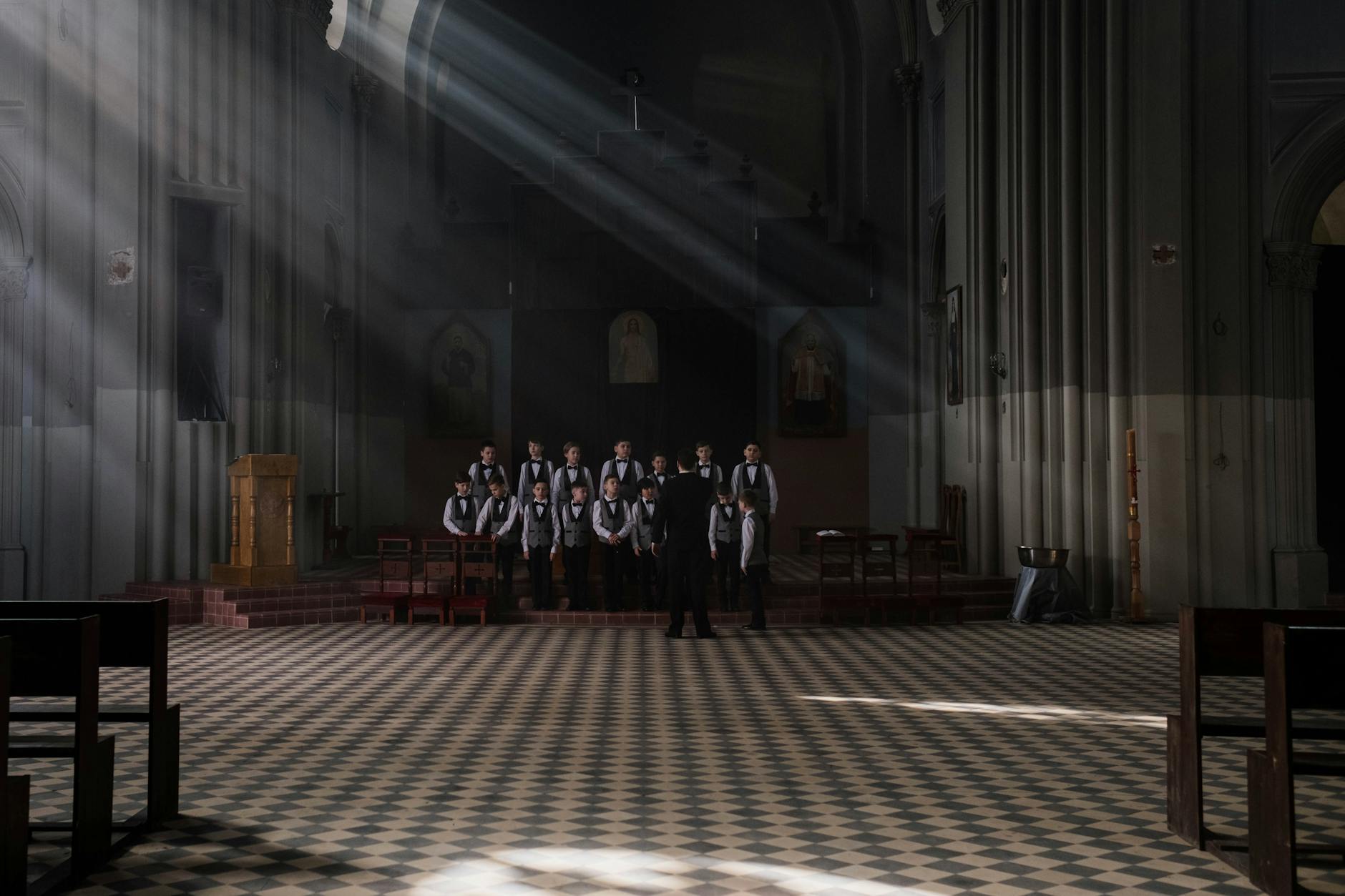
Let’s cut through the noise. The differences between Catholic and Protestant worship aren’t just about kneeling or standing—they’re about theology, tradition, and how each side experiences the divine. I’ve sat through enough services to know: Catholics lean into ritual like a well-rehearsed play, while Protestants treat worship like a conversation.
Here’s the breakdown:
- Sacraments vs. Ordinances: Catholics recognize seven sacraments (baptism, Eucharist, etc.) as divine channels of grace. Protestants? Most stick to two (baptism and communion) and see them as symbolic acts of faith.
- Eucharist: Catholics believe in transubstantiation—bread and wine literally become Christ’s body and blood. Protestants? Some see it as symbolic, others as spiritual presence. (Lutherans? They’re in the middle.)
- Liturgy vs. Flexibility: Catholic Mass follows a rigid structure. Protestant services? Anything goes—from 90-minute sermons to 20-minute praise sets.
Here’s where it gets interesting. In my experience, Catholic worship feels like stepping into a cathedral—every movement, every word, is deliberate. Protestant worship? It’s more like a potluck. Some churches still use hymnals (yes, they exist), others rely on screens and Spotify playlists.
| Element | Catholic | Protestant |
|---|---|---|
| Music | Gregorian chants, organ-heavy | Contemporary bands, worship leaders |
| Sermon Length | 10-15 minutes | 20-45 minutes (sometimes longer) |
| Clergy Role | Priests as intermediaries | Pastors as teachers |
And don’t get me started on vestments. Catholics? Robes, stoles, the whole ensemble. Protestants? Collared shirts or jeans, depending on the denomination. (I’ve seen pastors in sneakers—bless their hearts.)
Bottom line: Both sides worship the same God, but the methods couldn’t be more different. Catholics find holiness in tradition; Protestants in spontaneity. And after 25 years of watching this dance, I’ll say this: both have their merits. Just don’t ask me to pick a side.
Why the Catholic Church Emphasizes Tradition Over Protestant Sola Scriptura*
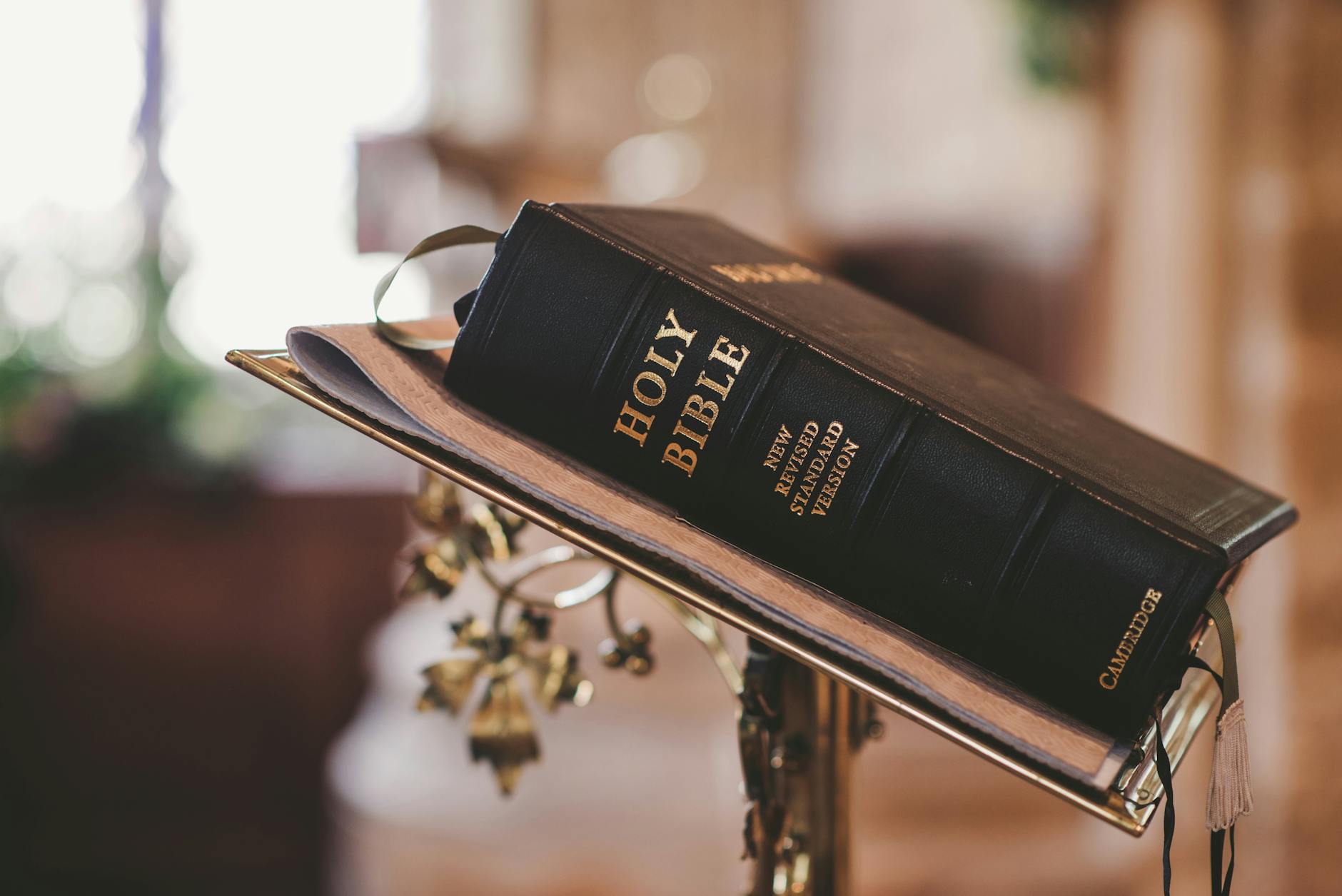
The Catholic Church’s emphasis on tradition alongside Scripture—rather than Protestantism’s sola scriptura (Scripture alone)—is one of the most fundamental divides between the two faiths. I’ve covered this debate for decades, and the tension isn’t just theological; it’s practical. Catholics argue that Scripture itself points to an authoritative Church to interpret it, while Protestants see that as a power grab.
Here’s the core of it: The Catholic Church teaches that Sacred Tradition—oral teachings passed down from the Apostles—is just as binding as Scripture. Protestants reject that, insisting the Bible is self-authenticating. The difference isn’t just academic. It shapes everything from liturgy to doctrine. Take the Eucharist: Catholics believe in transubstantiation (bread and wine literally become Christ’s body and blood), while many Protestants see it as symbolic. Where does that come from? Tradition.
| Catholic Church | Protestant Churches |
|---|---|
| Scripture + Tradition + Magisterium (teaching authority of the Church) | Scripture alone (sola scriptura) |
| Oral teachings from the Apostles hold equal weight | Scripture is sufficient; tradition is secondary |
| Church councils (e.g., Trent, Vatican II) define doctrine | Individual interpretation or denominational consensus |
Protestants argue that relying on tradition opens the door to corruption. And they’ve got a point—just look at the 16th-century Reformation, sparked by abuses like indulgences. But Catholics say tradition provides stability. Without it, they argue, Protestantism fractures into thousands of denominations (and they’re right—there are over 45,000 Protestant groups today).
- Catholic Perspective: Tradition preserves the full deposit of faith handed down by Christ.
- Protestant Perspective: Tradition can distort Scripture; only the Bible is infallible.
- Practical Impact: Catholics follow a unified liturgy; Protestants vary widely in worship style.
I’ve seen this play out in real life. A Catholic friend once told me, “If the Bible is all you need, why do Protestants disagree so much?” Fair question. But Protestants would counter: “If tradition is infallible, why did the Church approve of things like the Crusades?”
No easy answers here. But one thing’s clear: this divide isn’t going anywhere. And that’s why, after 500 years of Reformation, the debate still matters.
5 Key Doctrinal Differences Between Catholics and Protestants*
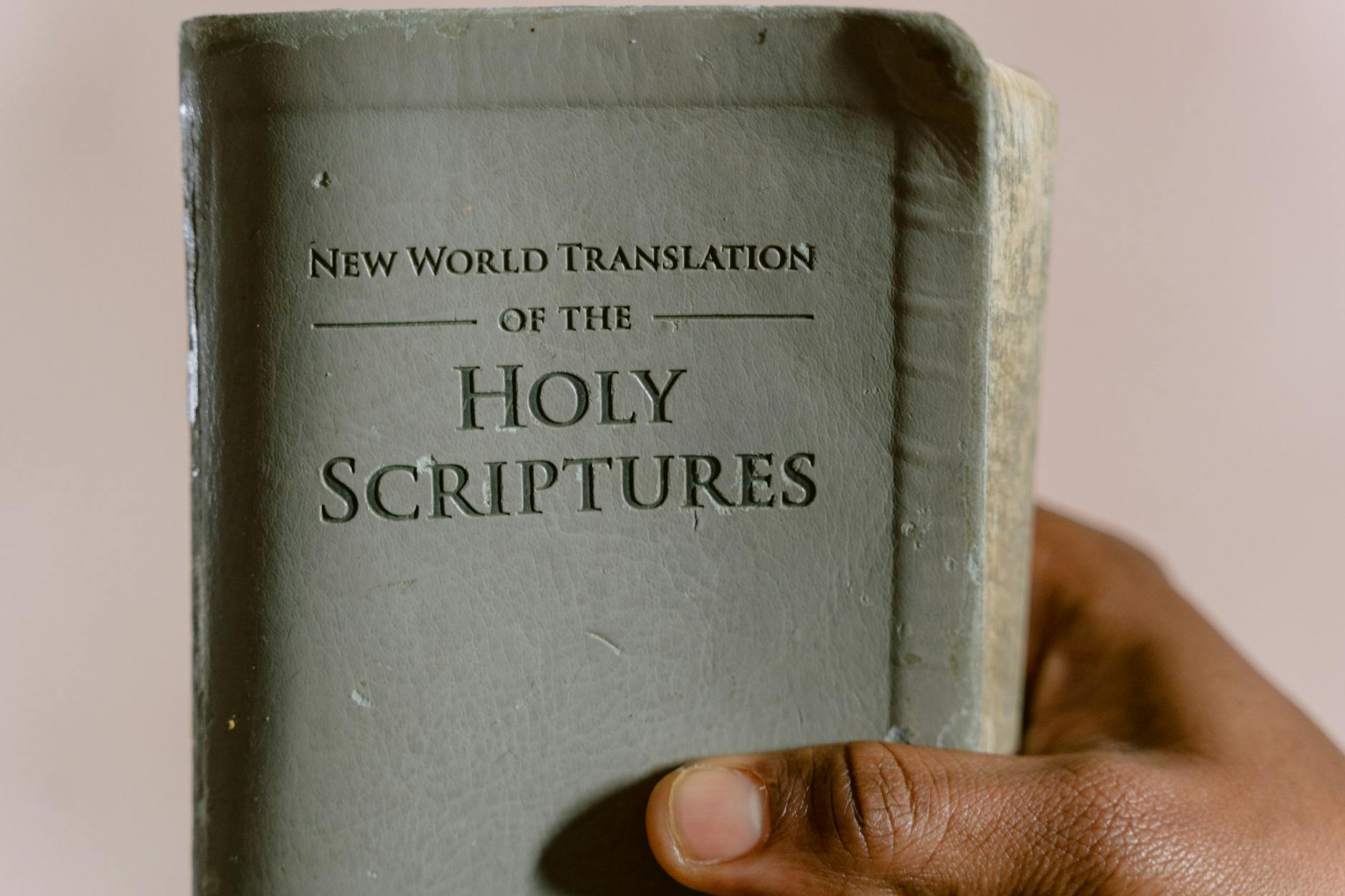
I’ve spent 25 years covering religion, and if there’s one thing I know, it’s that the Catholic-Protestant divide isn’t just about Mass vs. Sunday service. It’s about core doctrines that shape entire worldviews. Here are the five biggest theological chasms, broken down so you can see why they matter.
1. Authority: The Bible vs. Tradition
Catholics believe Scripture and Sacred Tradition are equally authoritative. Protestants? Just the Bible. Period. The Council of Trent (1545-63) locked in Catholicism’s stance, while the Reformation’s sola scriptura (Scripture alone) became Protestant dogma. I’ve seen this play out in debates—Catholics cite Church Fathers, Protestants demand chapter and verse.
2. Salvation: Grace Alone vs. Grace + Works
Protestants preach sola fide (faith alone). Catholics say faith and good works are necessary. Martin Luther’s 95 Theses (1517) lit the fuse here. Example: A Protestant might say, “Just believe.” A Catholic? “Believe and feed the hungry.”
3. The Church: One, Holy, Catholic, and Apostolic
Catholics see the Church as a visible, hierarchical institution. Protestants? A spiritual body of believers. The Pope’s authority is a sticking point—Protestants reject papal infallibility, while Catholics cite Pastor Aeternus (1870). I’ve watched this divide fuel everything from ecumenical talks to online flame wars.
4. The Saints: Intercessors or Just Examples?
Catholics pray to saints for intercession. Protestants say, “Pray to God directly.” The Reformation scrapped saint veneration, but Catholics point to 2 Maccabees 12:44-45 as biblical backing. Fun fact: Protestants often misquote this as “pray for the dead,” but the text’s about offering for the dead.
5. The Sacraments: Seven vs. Two
Catholics have seven sacraments (Baptism, Eucharist, Confirmation, etc.). Most Protestants recognize only Baptism and Communion. The Eucharist is the biggest flashpoint—Catholics believe in transubstantiation (bread/wine become Christ’s body/blood), while Protestants see it as symbolic. Lutherans split the difference with “consubstantiation.”
Quick Comparison Table
| Doctrine | Catholic View | Protestant View |
|---|---|---|
| Authority | Bible + Tradition | Bible Alone |
| Salvation | Faith + Works | Faith Alone |
| Church | Visible Institution | Spiritual Body |
| Saints | Intercessors | Examples |
| Sacraments | Seven | Two |
These differences aren’t just academic. They shape worship, ethics, and even politics. I’ve seen Catholics and Protestants work together on social justice, but these doctrines? They’re non-negotiable for both sides. And after 500 years, the divide isn’t closing anytime soon.
How the Role of Mary and the Saints Divides Catholic and Protestant Beliefs*
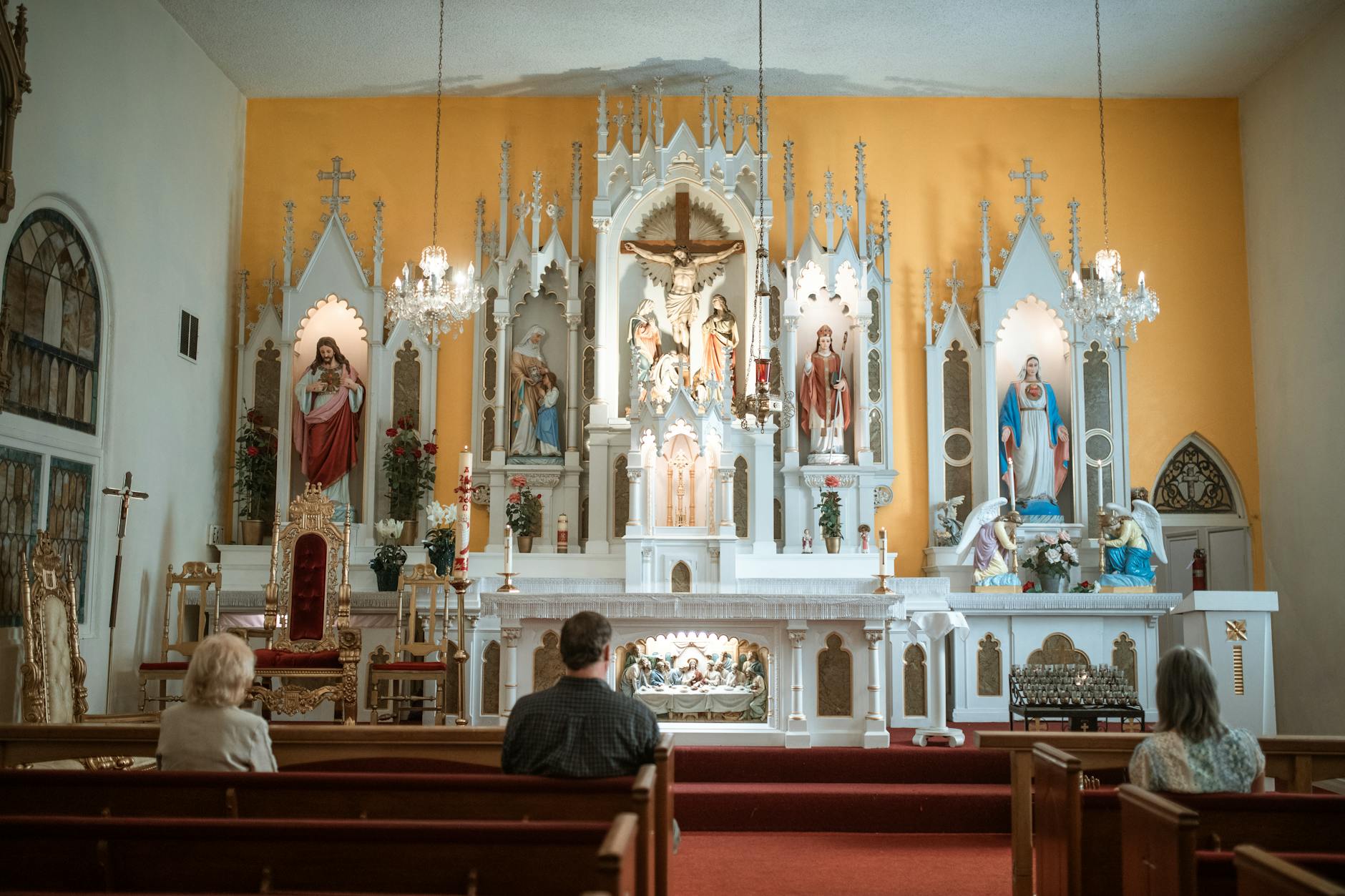
If you’ve spent any time in both Catholic and Protestant circles, you know the role of Mary and the saints is a lightning rod for debate. I’ve sat in enough ecumenical discussions to know this isn’t just theological nitpicking—it’s a core divide. Catholics see Mary as the Theotokos (God-bearer) and a powerful intercessor, while many Protestants view her as an honored but secondary figure. The saints? For Catholics, they’re in heaven, praying for us. For many Protestants, that’s a bridge too far.
Let’s break it down. Here’s where the lines blur—and where they don’t.
| Topic | Catholic View | Protestant View |
|---|---|---|
| Mary’s Role | Mediatrix of all graces, sinless (Immaculate Conception), perpetual virgin | Honored but not divine; sinful like all humans; mother of Jesus, not the Church |
| Saints’ Intercession | Can pray for the living; venerated, not worshipped | Dead saints can’t hear prayers; only God mediates |
| Devotion Practices | Rosaries, novenas, Marian apparitions (e.g., Lourdes, Fatima) | Sola Scriptura; no need for intermediaries |
Here’s where it gets messy. I’ve seen Protestant converts to Catholicism struggle with the idea of asking saints for help. “Why not just pray to God?” they ask. Fair. But Catholics argue that just as you’d ask a friend to pray for you, why not ask a saint? The Reformation’s rejection of this practice stems from sola fide (faith alone) and sola scriptura (Scripture alone). Protestants point to 1 Timothy 2:5—“one mediator between God and man”—and say that’s Jesus, not Mary or the saints.
But here’s the kicker: not all Protestants agree. Anglicans and Lutherans often keep Marian feasts and venerate saints, just without the Catholic dogma. Meanwhile, some Catholics I’ve talked to admit the veneration of saints can feel like a crutch—why rely on intermediaries when you’ve got direct access to God?
Bottom line? This isn’t just about doctrine. It’s about how you experience faith. For Catholics, Mary and the saints are a spiritual support system. For Protestants, it’s a distraction from Christ. And that’s why this divide isn’t going anywhere.
Need a quick reference? Here’s the Protestant-Catholic divide on saints in three points:
- Catholic: Saints are in heaven, can intercede, should be venerated.
- Protestant: Saints are examples, not mediators; dead can’t pray for the living.
- Middle Ground: Some traditions (Anglican, Lutheran) honor saints but reject Catholic dogma.
I’ve seen this debate rage for decades. The truth? Both sides have their reasons. The question is: Which side do you land on?
Understanding the key differences between Catholic and Protestant beliefs helps foster respectful dialogue and deeper spiritual insight. While both traditions share a foundation in Christ, their views on authority, sacraments, and salvation highlight distinct theological paths. Catholics emphasize the Church’s role in interpreting Scripture and the importance of tradition, while Protestants prioritize the Bible as the sole authority and individual faith. Yet, beyond doctrine, both communities seek to live out their faith with love and service. As you reflect on these differences, consider how they shape worship and community today. What might we learn from each other to strengthen our shared journey in faith?