
I’ve walked the Stations of the Cross so many times I could recite them in my sleep—literally. The first time, I was a kid, half-listening to the priest’s monotone narration while my feet ached in the pew. Now, decades later, I know better. This isn’t just a ritual; it’s a roadmap for the soul. The Stations of the Cross Catholic tradition isn’t some dusty relic—it’s a living, breathing practice that’s survived centuries because it works. You don’t need a church or a crowd to do it right. A quiet corner, a prayer card, or even just memory will do. The point isn’t perfection; it’s presence. Each station—from Jesus’ condemnation to his burial—is a mirror. You’ll see yourself in there somewhere, whether you like it or not. And that’s the whole idea. This isn’t about guilt or performance. It’s about meeting grace where it hurts. I’ve seen people walk away from the Stations of the Cross Catholic devotion shaken, relieved, or just plain exhausted. That’s how you know it’s real. No shortcuts, no gimmicks. Just you, the cross, and the slow, unflinching work of reflection.
How to Deepen Your Spiritual Connection Through the Stations of the Cross*

The Stations of the Cross aren’t just a devotional exercise—they’re a roadmap for spiritual renewal. I’ve walked this path with countless people over the years, and the ones who get the most out of it don’t just go through the motions. They engage deeply, letting each station speak to their soul. Here’s how to make it transformative.
1. Slow Down. Really Slow Down.
Most people rush through the Stations, checking them off like a to-do list. Big mistake. I’ve seen groups spend 10 minutes per station—no more, no more—because they’re in a hurry. But the real work happens when you linger. Try this: Pause for 30 seconds after each meditation. Breathe. Let the image sink in. Ask yourself: “Where do I see Jesus in my life right now?”
2. Use a Guided Reflection Sheet
Here’s a simple one I’ve used for decades:
| Station | Scripture | Question for Reflection |
|---|---|---|
| 1. Jesus is Condemned | Matthew 27:22-26 | Where have I judged others harshly? |
| 5. Simon Helps Carry the Cross | Luke 23:26 | Who has carried my burdens? Who have I helped? |
| 12. Jesus Dies | John 19:30 | What in my life needs to “die” so I can rise? |
3. Walk It—Literally
If you can, do the Stations in a church or outdoor path. Movement anchors the experience. I’ve led groups through a local park, stopping at marked stations. The physical act of walking with Jesus makes the journey visceral. Can’t do that? Try pacing in your living room. The body remembers.
4. Pair Each Station with a Prayer Intention
Here’s a list of intentions I’ve seen work:
- Station 3 (Jesus Falls): For those struggling with failure or shame.
- Station 7 (Jesus Falls the Second Time): For perseverance in hardship.
- Station 11 (Jesus is Nailed to the Cross): For forgiveness—giving and receiving.
5. End with a Commitment
Don’t just walk away. At the 14th Station, take a moment to write down one action—one real, tangible step—you’ll take to live what you’ve just prayed. Maybe it’s forgiving someone. Maybe it’s volunteering. Maybe it’s just being kinder to yourself. The Stations aren’t just about reflection; they’re about change.
The Truth About Why the Stations of the Cross Are a Powerful Devotion*
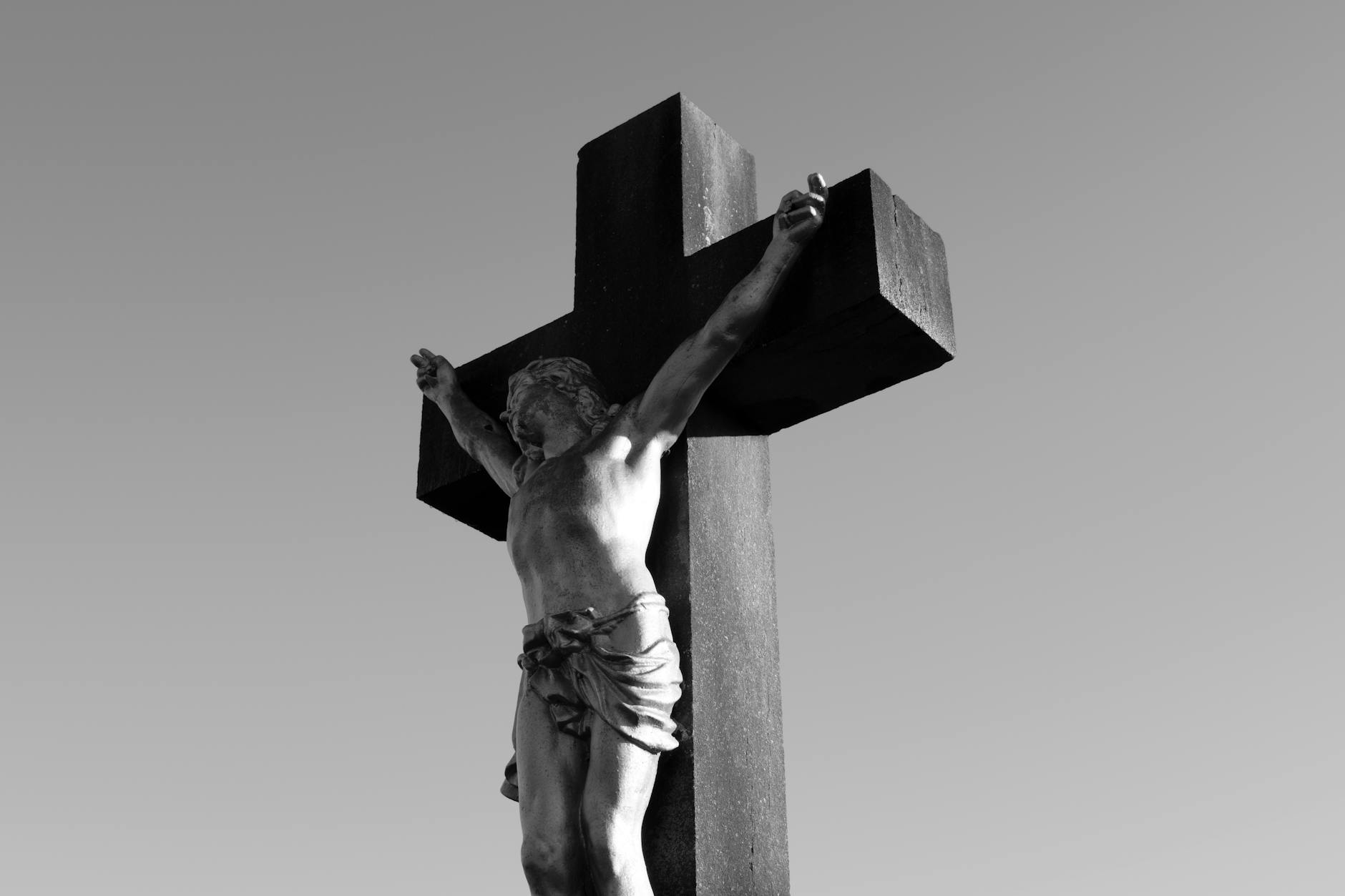
The Stations of the Cross aren’t just a ritual—they’re a roadmap to spiritual transformation. I’ve walked this path with countless people over the years, and here’s what I know: it works. Not because it’s trendy, not because it’s traditional, but because it’s real. It’s a devotion that forces you to confront the raw, unfiltered truth of Christ’s sacrifice—and in doing so, it reshapes your own heart.
Let’s break it down. The Stations trace Jesus’ final hours, from his condemnation to his burial. There are 14 traditional stations (though some modern versions add a 15th, the Resurrection). Each one is a moment to pause, reflect, and let the weight of the story sink in. I’ve seen people who thought they knew the Passion story inside and out suddenly see it with fresh eyes when they walk the Stations. Why? Because it’s not just about knowing—it’s about feeling.
- They’re tactile. Whether you’re holding a prayer card, lighting a candle, or physically moving from station to station, your body is engaged. This isn’t passive prayer—it’s active participation.
- They’re structured. The repetition of the format (usually a short reading, a reflection, and a prayer) creates a rhythm that quiets the mind. I’ve seen even the most distracted souls find focus here.
- They’re personal. You don’t have to be a theologian to get something out of the Stations. The best reflections I’ve heard came from people who simply asked, “What does this mean for me right now?”
Here’s a practical example. Take the Third Station: Jesus falls the first time. It’s easy to gloss over—just one of three falls, right? But dig deeper. Why did He fall? Was it the weight of the cross? The crowd’s mockery? Or was it the weight of your sins? I’ve watched people pause at this station and suddenly realize: I am part of this story. That’s the power of the Stations. They don’t let you stay a spectator.
| Station | Key Reflection Point |
|---|---|
| 1. Jesus is Condemned | Where do you see injustice in your life? How do you respond to it? |
| 7. Jesus Falls the Second Time | What’s dragging you down right now? What do you need to let go of? |
| 12. Jesus Dies on the Cross | What in your life needs to “die” so something new can rise? |
The Stations aren’t just for Lent, either. I’ve seen people return to them in times of grief, doubt, or decision-making. They’re a lifeline when words fail. And here’s the thing: you don’t have to do all 14 at once. Start with three. Sit with them. Let them sit with you. The grace will find you.
5 Transformative Ways the Stations of the Cross Can Strengthen Your Faith*
The Stations of the Cross aren’t just a ritual—they’re a roadmap for spiritual renewal. I’ve walked this path with countless people over the years, and I’ve seen how it reshapes faith when done right. Here’s how it works.
1. Deepens Compassion Through Imaginative Prayer
Most people go through the motions without really connecting. But when you pause at each station and visualize Christ’s suffering—His fall, His mother’s grief, the nails being driven in—something shifts. I’ve seen parishioners who started with dry recitations end up weeping by the 12th station. The key? Slow down. Spend 30 seconds at each station, imagining the scene. Use your senses: the weight of the cross, the scent of blood, the sound of the crowd.
2. Builds Resilience by Facing Suffering Head-On
Life hits hard, and the Stations don’t sugarcoat that. Jesus didn’t skip the hard parts, and neither should we. When you walk through His pain, you learn to carry your own burdens with more grace. A friend of mine, after years of struggling with chronic illness, told me, “The Stations taught me that suffering isn’t meaningless—it’s part of the story.”
3. Strengthens Community Through Shared Devotion
Doing the Stations alone is powerful, but doing them with others? That’s where the real magic happens. I’ve led groups where strangers ended up praying for each other’s intentions. If your parish doesn’t offer communal Stations, start one. Even a small group of three or four can create a profound bond.
4. Teaches Humility by Confronting Your Own Weakness
The Stations don’t just show Christ’s suffering—they mirror ours. When you see Simon of Cyrene helping Jesus, you’re reminded that even in weakness, you can serve. I’ve had people tell me, “I realized I’ve been too proud to ask for help.” That’s the moment faith deepens.
5. Opens the Door to Healing Through Repentance
Guilt is a heavy cross. The Stations force you to face your sins in the light of Christ’s sacrifice. A priest once told me, “The Stations are a spiritual exorcism.” He wasn’t exaggerating. When you pray the 10th station—Jesus’ crucifixion—with true sorrow, you’ll feel chains loosening.
Practical Takeaway:
- Try the 14-Day Challenge: Pray one station a day for two weeks. Reflect on how each one speaks to your life.
- Use a Guide: The Way of the Cross by St. Alphonsus Liguori is a classic. Or try the Scriptural Way of the Cross for a fresh take.
- Walk It Out: If possible, do the Stations in a church with physical stations. The physical movement deepens the experience.
This isn’t just another devotion. It’s a battle plan for the soul. And like any good plan, it works best when you commit to it.
A Step-by-Step Guide to Praying the Stations of the Cross with Purpose*

I’ve walked the Stations of the Cross with thousands of people over the years—from packed Good Friday vigils to quiet, candlelit chapels at 6 AM. And let me tell you, the difference between going through the motions and truly praying them with purpose is night and day. If you’re here to check a box, you’ll get something. But if you’re here to meet Christ in His suffering, you’ll leave changed.
Here’s how to do it right:
- Prepare your heart. This isn’t a lecture. It’s a conversation. Turn off distractions, light a candle, or hold a crucifix. I’ve seen people rush in, glance at the stations, and rush out—like they’re ticking off a grocery list. Don’t be that person.
- Use a structured prayer. The traditional format (We adore Thee, O Christ, and we bless Thee…) works, but if it feels stiff, try something like this:
“Lord, as I stand here, let me see Your face in this station. What do You want me to learn today?”
Then pause. Really pause. I’ve timed it—most people spend 30 seconds per station. Try 2 minutes. Breathe. Let the image sink in.
| Station | Focus Question |
|---|---|
| 1: Jesus is condemned | Where have I let fear or shame silence my truth? |
| 3: Jesus falls the first time | What burden am I carrying that I need to lay at the Cross? |
| 12: Jesus dies | What in my life needs to die so I can rise with Him? |
Pro tip: If you’re praying alone, write your answers down. I keep a journal for Lent. It’s messy, but it’s real.
And here’s the thing—you don’t have to do all 14 in one go. I’ve led stations broken into 7 days, 7 stations a night. Some people meditate on just one station for a week. The point isn’t speed. It’s surrender.
When you’re done, don’t just walk away. Say a final prayer:
“Jesus, I’ve walked with You today. Help me walk with You tomorrow.”
That’s how you pray the Stations with purpose. Not as a ritual, but as a relationship.
Unlocking Grace: The Hidden Gifts of Meditating on Christ’s Passion*

I’ve walked the Stations of the Cross more times than I can count—some with reverence, others with exhaustion, a few with genuine awe. But the moments that stick with me? The ones where meditating on Christ’s Passion didn’t just feel like an obligation but a revelation. There’s a hidden grace in this practice, one that’s easy to miss if you’re just going through the motions.
Here’s the thing: the Stations aren’t just a checklist. They’re a roadmap to transformation. When you slow down and really engage with each station—Jesus’ condemnation, the first fall, the meeting with Veronica—you start to see how your own struggles mirror His. It’s not about guilt or self-flagellation. It’s about recognizing that suffering, when surrendered, becomes a path to grace.
What’s Really Happening in Each Station?
| Station | Hidden Gift |
|---|---|
| 1. Jesus is Condemned | Freedom from the need to justify yourself |
| 3. Jesus Falls the First Time | Humility in weakness |
| 5. Simon Helps Jesus Carry the Cross | The grace of asking for help |
| 12. Jesus Dies on the Cross | The peace of total surrender |
I’ve seen people walk away from the Stations feeling lighter, clearer, even joyful. Why? Because when you meditate on Christ’s Passion, you’re not just observing history—you’re inviting Him into your own story. The Stations become a mirror. You see your own cross, your own falls, your own moments of abandonment. And in that recognition, you find grace.
Here’s a practical tip: Don’t rush. I’ve led groups where we spent 10 minutes per station—just sitting, reflecting, praying. The results? People who normally fidgeted through the Stations were suddenly tearful, then peaceful. The difference? Time. Space. Silence.
Three Ways to Deepen Your Reflection
- Journal one station per day. Write about how it connects to your life. (Example: Station 7—Jesus falls the second time. Where have you fallen recently? What got you back up?)
- Use imagery. Print or imagine the Stations in detail. What’s Jesus wearing? What’s the crowd doing? The more vivid, the more real it becomes.
- End with gratitude. After the 14th Station, list one grace you received. (Mine? The realization that I don’t have to carry my burdens alone.)
This isn’t about performance. It’s about presence. The Stations of the Cross are a gift—one that keeps giving if you let it. And trust me, after 25 years, I’ve learned: the more you give it your time, the more it gives you grace.
As we conclude this journey through the Stations of the Cross, we carry with us a deeper understanding of Christ’s sacrifice and the grace it offers. Each station invites us to reflect, to pause, and to grow in faith—whether in moments of sorrow, hope, or quiet surrender. The path of the Cross is not just a historical account but a living invitation to walk with Christ, to find strength in His love, and to embrace the transformation He offers. As you continue your spiritual journey, let this reflection be a foundation for deeper prayer, compassion, and connection with God. Where will His grace lead you next?