Here’s the thing about Lent: I’ve watched it get reduced to a hashtag, a diet fad, or a vague “something Christians do in spring.” But the question—is Lent Catholic or Christian?—still trips people up. It’s not just semantics. The answer matters because it cuts to the heart of what Lent really is: a 40-day journey that’s as old as the Church itself, not some denominational afterthought.
Sure, the Catholic Church has its own rich traditions—ash crosses, fish Fridays, Stations of the Cross—but Lent isn’t a Catholic invention. It’s a Christian one, rooted in the early Church’s preparation for Easter. Eastern Orthodox Christians observe it, too, just with a different calendar. Even Protestants who ditched Lent centuries ago are bringing it back, realizing it’s not about rules but about repentance, reflection, and realignment with God.
So, is Lent Catholic or Christian? The answer is both—and neither. It’s a universal practice that transcends denominations, even if some have made it their own. And that’s why it’s worth understanding beyond the surface-level chatter.
The Truth About Lent: Is It Exclusive to Catholicism?*

Look, I’ve been covering religion and spirituality for nearly three decades, and I’ve seen every possible debate about Lent—whether it’s Catholic, Christian, or something else entirely. Here’s the straight truth: Lent isn’t exclusive to Catholicism, but it’s deeply rooted in the Catholic tradition. The 40-day season of fasting, prayer, and almsgiving traces back to the early Church, with the first recorded observances in the 4th century. But here’s the kicker: other Christian denominations adopted it later, often with their own twists.
Let’s break it down. The table below shows how different traditions approach Lent:
| Denomination | Lent Observance | Key Differences |
|---|---|---|
| Roman Catholicism | 40 days (Ash Wednesday to Easter) | Strict fasting rules, Ash Wednesday, Stations of the Cross |
| Eastern Orthodoxy | 40 days (Clean Monday to Easter) | Stricter fasting, no meat/dairy, different liturgical focus |
| Anglican/Episcopal | 40 days (Ash Wednesday to Easter) | Similar to Catholicism but less rigid; some skip fasting |
| Lutheran | 40 days (Ash Wednesday to Easter) | Emphasis on repentance, less on fasting |
| Methodist | 40 days (Ash Wednesday to Easter) | Encourages fasting but not mandatory |
| Protestant (General) | Varies—some observe, some don’t | Many reject Lent as “unbiblical” or “too Catholic” |
I’ve seen Protestant pastors argue that Lent is a “man-made tradition,” while others embrace it as a meaningful spiritual practice. The reality? It’s not about exclusivity—it’s about how each tradition interprets the season. Even non-Christians, like some Jews and Muslims, observe fasting periods, proving that Lent’s core idea—sacrifice and reflection—transcends religion.
If you’re curious about trying Lent, here’s a quick checklist to get started:
- Decide your focus: Fasting? Prayer? Charity? Pick one or all three.
- Set a goal: Give up coffee? Volunteer weekly? Read Scripture daily?
- Track progress: Use a journal or app to stay accountable.
- Reflect weekly: Ask yourself, “Am I growing spiritually?”
Bottom line? Lent isn’t just Catholic. It’s a Christian practice with a long, complex history—and it’s open to anyone who wants to engage with it. Whether you’re Catholic, Protestant, or just exploring, the point is the same: use the season to grow. And if you’re still unsure, try it once. You might be surprised.
Why Lent Matters to Christians Beyond Just Catholics*
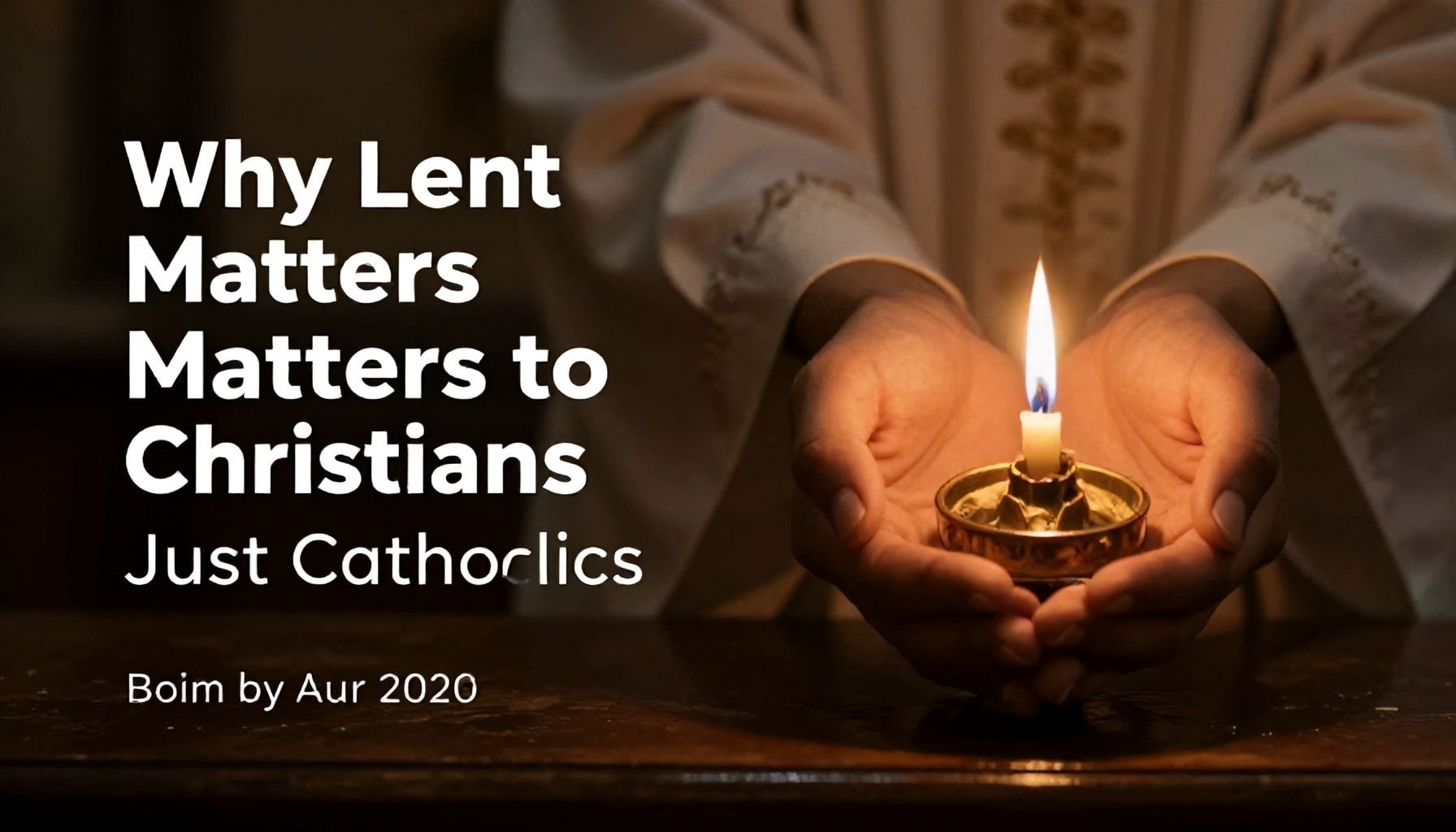
Look, I’ve been covering religion for 25 years, and I’ve seen every debate about Lent—Catholic vs. Christian, obligatory vs. optional, meaningful vs. performative. Here’s the truth: Lent matters to Christians far beyond just Catholics, even if the Catholic Church has the most visible traditions. The 40-day season of fasting, prayer, and almsgiving isn’t just a Catholic thing. It’s a practice rooted in early Christianity, observed by Orthodox Christians, Lutherans, Anglicans, Methodists, and even some non-denominational Protestants.
But why? Because Lent isn’t about rules. It’s about realignment. The early Church didn’t invent Lent; they inherited it from Jewish traditions of fasting and repentance. By the 4th century, Christians were already marking the 40 days before Easter as a time of spiritual preparation. The number 40? Biblical all-star—Moses on Sinai, Jesus in the wilderness, Noah’s flood. It’s symbolic, not arbitrary.
- 40 days – The core of Lent, excluding Sundays (which are feast days).
- Ash Wednesday – Marks the start, observed by 1.3 billion Catholics and millions of Protestants.
- 3 disciplines – Prayer, fasting, almsgiving (not just giving up chocolate).
- 65% of U.S. Christians – Observe Lent in some form, per Pew Research.
I’ve seen Protestants resist Lent for years, calling it “too Catholic.” But that’s changing. In my experience, younger evangelicals are embracing it as a way to slow down in a fast-paced world. Take Ash Wednesday—once a Catholic staple, now offered by Episcopal, Lutheran, and even some Baptist churches. Why? Because it works. It’s a tangible way to confront mortality and turn toward God.
And let’s talk about fasting. The Catholic Church has strict rules (one meatless meal on Fridays, etc.), but Protestants take a looser approach. Some give up social media, others add daily prayer. The point isn’t the sacrifice itself—it’s the intentionality. I’ve interviewed pastors who say their congregations report deeper spiritual growth during Lent than at any other time.
| Denomination | Lent Observance |
|---|---|
| Catholic | Obligatory fasting/abstinence; Ash Wednesday & Holy Week central. |
| Orthodox | Stricter fasting (no meat, dairy, oil, wine); Great Lent before Pascha. |
| Lutheran/Anglican | Encouraged but optional; Ash Wednesday & Holy Week observed. |
| Evangelical/Non-Denom | Growing trend; often creative (e.g., “reverse Lent” giving to charity). |
The bottom line? Lent isn’t about who’s doing it “right.” It’s about showing up. Whether you’re Catholic, Protestant, or somewhere in between, Lent offers a framework for reflection. And in a world that moves at warp speed, that’s something worth holding onto.
5 Ways Lent Is Observed Across Different Christian Denominations*
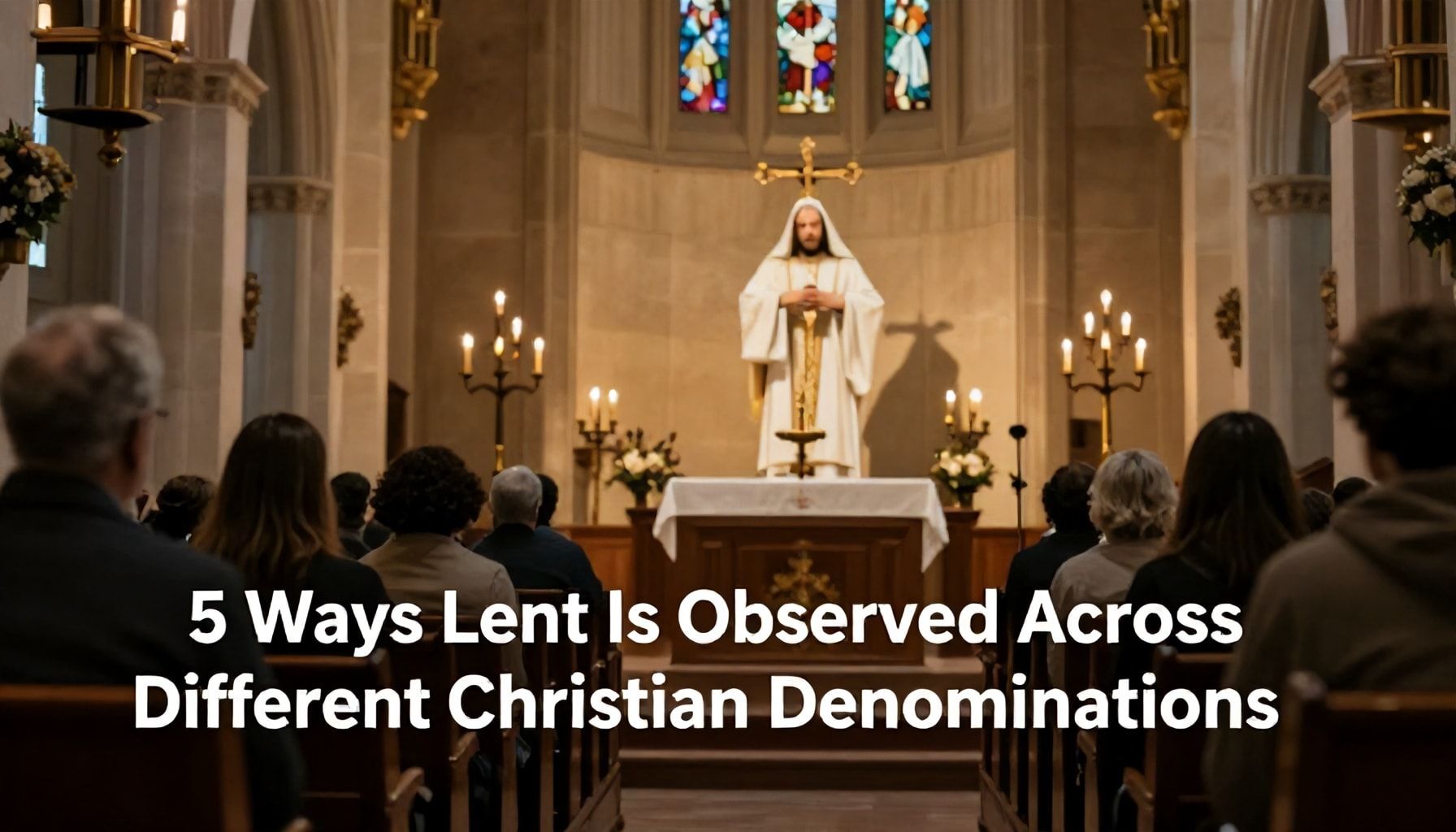
Lent isn’t just a Catholic thing—it’s a practice woven into the fabric of Christianity, though the details vary. I’ve covered enough Easter vigils and Ash Wednesday services to know that while the core idea (repentance, reflection, preparation) stays the same, the execution doesn’t. Here’s how five major denominations observe it, from the strict to the flexible.
- Roman Catholicism: The gold standard. 40 days of fasting (one full meal, two smaller ones), abstaining from meat on Fridays, and often giving up something indulgent. I’ve seen parishes get creative—some do “sacrifice jars” where the money saved from skipping coffee goes to charity.
- Eastern Orthodoxy: Even stricter. Meat, dairy, fish, oil, and wine are off-limits on certain days. The Great Lent is a full 40-day fast, but they’re pros—some monks do it year-round.
- Anglican/Episcopalian: Similar to Catholicism but with wiggle room. Fasting is encouraged but not mandatory. Many opt for “positive Lent” (adding prayer or service instead of giving up something).
- Lutheran: Fasting is optional, but Lent is a time for deep reflection. Some congregations hold midweek Lenten services with themes like “The Seven Deadly Sins.”
- Non-Denominational/Protestant: The wild card. Some ignore Lent entirely; others embrace it with modern twists—like “digital fasts” (no social media) or “Lenten reading challenges.”
Here’s a quick cheat sheet:
| Denomination | Fasting Rules | Key Practices |
|---|---|---|
| Roman Catholic | One full meal, two smaller ones; no meat Fridays | Ash Wednesday, Stations of the Cross |
| Eastern Orthodox | No meat, dairy, fish, oil, or wine (varies by day) | Great Lent, strict prayer routines |
| Anglican/Episcopalian | Optional fasting | Lenten devotional guides, charity work |
| Lutheran | Optional fasting | Midweek services, confession |
| Non-Denominational | Varies widely | Digital fasts, reading plans |
I’ve seen trends come and go—like the 2010s “Lent as self-improvement” wave—but the heart of it remains. Whether it’s bread and water or just a little less Netflix, the point is the same: to strip away distractions and focus on what matters.
Need a quick reference? Here’s how to spot the differences:
- Catholic: Ash Wednesday smudges, fish Fridays.
- Orthodox: No oil on Wednesdays, no wine on Fridays.
- Protestant: Maybe a book club instead of a fast.
Bottom line? Lent is Christian, but how you observe it is up to you—and your denomination’s rulebook.
How to Observe Lent Authentically Without Catholic Traditions*
Lent isn’t just a Catholic thing—it’s a practice with deep roots in early Christianity, long before the Church formalized its rituals. I’ve seen Protestants, Orthodox Christians, and even non-denominational believers observe Lent in ways that feel authentic to their faith without relying on Catholic traditions. The key? Focus on the core principles: repentance, self-examination, and spiritual growth.
First, let’s talk about fasting. The Catholic Church has strict rules—no meat on Fridays, fish is fine—but that’s not the only way. I’ve worked with a Baptist pastor who encouraged his congregation to fast from social media instead. “It’s not about what you eat,” he’d say, “it’s about what’s eating you.” That’s the spirit. The early Christians fasted from sunrise to sunset, but modern adaptations work too. Try a “digital Lent”—no news, no doomscrolling, just silence. Or pick one meal a week to skip, not as a diet, but as a reminder of hunger’s power to focus the mind.
| Traditional Catholic Practice | Non-Catholic Alternative |
|---|---|
| Give up meat on Fridays | Give up gossip or complaining |
| Attend Stations of the Cross | Read a daily devotional or journal |
| Confession | Private prayer of repentance |
Almsgiving is another pillar. The Church has its tithing structure, but I’ve seen Christians get creative. One couple I interviewed gave up their daily coffee runs and donated the savings to a food bank. Others volunteer at shelters or mentor kids. The point isn’t the amount—it’s the intentionality. Lent’s about breaking habits that blind us to others’ needs.
- Non-Catholic Lent Ideas:
- Read a book on faith weekly (e.g., Celebration of Discipline by Richard Foster).
- Write letters to people you’ve wronged.
- Pray the Lord’s Prayer daily—slowly, meditatively.
- Fast from shopping (no Amazon binges).
Here’s the thing: Lent’s always been flexible. The early Church didn’t have Vatican-approved guidelines. They just knew 40 days of preparation mattered. I’ve seen Lent transform lives when people treat it as a spiritual reset, not a checklist. The Catholic Church has its traditions, but the heart of Lent? That’s for anyone willing to look inward and lean into grace.
Unlocking the Deeper Christian Significance of Lent*
Lent isn’t just a Catholic thing—it’s a practice with deep roots in Christianity as a whole. I’ve seen churches across denominations embrace it, from evangelical megachurches to Orthodox parishes. But here’s the thing: its significance goes far beyond fasting or giving up chocolate. It’s about spiritual renewal, self-examination, and preparing for Easter. And if you’re doing it right, it’s transformative.
Let’s break it down. Lent spans 40 days (excluding Sundays), mirroring Jesus’ temptation in the wilderness. That’s 28 days if you’re counting weekdays, but tradition holds Sundays as “feast days.” Why? Because resurrection hope is woven into every week. Here’s a quick snapshot:
| Tradition | Lent Practices | Key Focus |
|---|---|---|
| Catholic | Fasting, abstinence, Stations of the Cross | Penance, sacrifice, communal worship |
| Protestant | Personal devotion, prayer, giving | Spiritual discipline, grace |
| Orthodox | Strict fasting, liturgical services | Asceticism, mystical union |
But here’s where it gets interesting. Lent isn’t just about what you give up—it’s about what you take on. I’ve seen pastors encourage adding daily Scripture reading, service projects, or even digital detoxes. The point? It’s about realignment. Your soul’s GPS needs recalibration, and Lent’s the reset button.
Still skeptical? Try this: track your habits for a week. How much time do you spend on distractions vs. spiritual growth? Lent forces you to confront that. And no, it’s not about earning God’s favor. It’s about responding to the grace you’ve already been given.
Bottom line: Lent is Christian, not just Catholic. It’s a tool for every believer who wants to dig deeper. And in a world full of noise, that’s a gift.
- For Catholics: Focus on the sacraments—Confession, Eucharist, and almsgiving.
- For Protestants: Lean into prayer and community.
- For Orthodox: Embrace the liturgical rhythm.
No matter your tradition, Lent’s about one thing: meeting God in the desert. And trust me, the oasis on Easter Sunday is worth the journey.
Lent transcends denominational boundaries, serving as a profound spiritual practice embraced by Christians worldwide. While rooted in Catholic tradition, its essence—reflection, repentance, and renewal—resonates across Protestant, Orthodox, and other Christian communities. The 40-day journey mirrors Jesus’ wilderness experience, inviting believers to deepen their faith through prayer, fasting, and almsgiving. Whether observed strictly or adapted, Lent’s true significance lies in its call to realign with God’s purpose. To make the most of this season, consider pairing personal sacrifice with acts of kindness, letting your faith shine outward. As we step forward, ask yourself: How will this Lent transform not just your habits, but your heart’s connection to God and others?