Here’s the deal: I’ve been answering Bible questions for so long, I can recite the book counts in my sleep. And yet, the Catholic Bible’s total—73 books—still stirs up more debate than a Vatican press conference. Why? Because the Protestant Bible cuts it down to 66, and the Orthodox? They’ve got their own 78-book sprawl. But we’re not here to settle denominational squabbles. We’re here to break down the Catholic Bible’s 73 books, why they’re there, and why the number isn’t just a number—it’s a theological battleground.
I’ve seen the confusion firsthand. A reader emails, “Wait, the Catholic Bible has more books?” Yes. And no. It’s not about extra pages; it’s about ancient texts that one tradition kept and others didn’t. The Catholic Bible’s 73 books include the familiar New Testament (27 books) and the Old Testament’s 46—though that’s where things get interesting. Those seven “extra” books? They’re not extras. They’re part of the original Greek Septuagint, the Bible Jesus and the apostles knew. But history’s a messy thing, and by the 16th century, Protestants had trimmed the list. So here we are, still arguing over a count that’s been settled for centuries.
The Truth About Why the Catholic Bible Has More Books Than Protestant Bibles*
The Catholic Bible has 73 books, while most Protestant Bibles have 66. The difference? Seven extra books—Baruch, 1 and 2 Maccabees, Sirach (Ecclesiasticus), Wisdom, Tobit, and Judith—that Protestants call the “Deuterocanonical” writings. I’ve seen this debate rage for decades, and here’s the truth: it’s not just about counting pages. It’s about history, translation, and who decided what belonged in Scripture.
Let’s break it down. The Catholic canon was settled at the Council of Trent in 1546, responding to Protestant reforms. Martin Luther, for his part, kept these books in his German Bible but labeled them “Apocrypha,” a term that had long been used for writings helpful but not on par with the rest. By the 16th century, Protestant Bibles like the King James Version (1611) dropped them entirely, calling them non-canonical.
| Catholic Bible | Protestant Bible |
|---|---|
| 73 books | 66 books |
| Includes Deuterocanonical books | Excludes Deuterocanonical books |
| Old Testament: 46 books | Old Testament: 39 books |
So why the split? The early Church didn’t have a single, official canon. Jewish scholars had their own list (the Hebrew Bible, or Tanakh), which excluded the Deuterocanonical books. But Greek-speaking Christians, like those in Alexandria, used the Septuagint—a translation that included them. When the Catholic Church formalized its canon, it sided with the Septuagint. Protestants, influenced by Jewish scholarship, went back to the Hebrew texts.
Here’s where it gets interesting: the books themselves aren’t the problem. They’re ancient, respected texts. The debate is about authority. Catholics argue these books were part of the Church’s tradition from the start. Protestants say they were never part of the original Hebrew canon. I’ve seen both sides make compelling cases, but the reality is, this isn’t just about theology—it’s about who gets to decide.
- Tobit
- Judith
- Wisdom of Solomon
- Sirach (Ecclesiasticus)
- Baruch
- 1 Maccabees
- 2 Maccabees
Bottom line? The Catholic Bible has more books because it follows a different historical and theological tradition. Protestants trimmed the list based on a different set of criteria. Neither side is “wrong”—they’re just working from different starting points. And after covering this story for years, I’ll say this: the real takeaway isn’t the number of books. It’s the stories they tell and the faith they inspire.
How to Understand the Differences Between Catholic and Protestant Bibles*
I’ve fielded enough questions about Bible translations to know that the differences between Catholic and Protestant Bibles aren’t just about word choice—they’re about entire books. The Catholic Bible has 73 books, while most Protestant Bibles have 66. That seven-book gap? It’s not a typo. It’s history.
Here’s the breakdown:
| Category | Catholic Bible | Protestant Bible |
|---|---|---|
| Old Testament | 46 books | 39 books |
| New Testament | 27 books | 27 books |
| Total | 73 books | 66 books |
The seven missing books in Protestant Bibles are called the Deuterocanonical books by Catholics and the Apocrypha by some Protestants. They include Tobit, Judith, Wisdom, Sirach, Baruch, 1 and 2 Maccabees, and parts of Daniel and Esther. These books were part of the Greek Septuagint, the Bible used by early Christians, but they weren’t in the Hebrew canon that Protestants later adopted.
So why the split? It’s a story of councils, translations, and Reformation-era debates. The Council of Trent (1546) affirmed the Catholic canon, while Martin Luther and his followers leaned on the Hebrew Masoretic Text, which excluded the Deuterocanonical books. I’ve seen this debate play out in study groups—some argue these books are divinely inspired, others see them as helpful but not scriptural.
Here’s a quick reference for the Deuterocanonical books:
- Tobit – A story of faith and angelic intervention.
- Judith – A heroic tale of a woman saving her people.
- Wisdom – Teachings on divine wisdom.
- Sirach (Ecclesiasticus) – Proverbs and moral instruction.
- Baruch – A prophetic lament and prayer.
- 1 & 2 Maccabees – Historical accounts of Jewish resistance.
- Additions to Daniel & Esther – Extra narratives in some versions.
Bottom line? The difference isn’t just about counting books—it’s about which texts a tradition considers authoritative. And if you’re ever in a Bible study where someone claims “all Bibles are the same,” show them this table. They’ll get it.
5 Key Reasons the Catholic Bible Includes the Deuterocanonical Books*
The Catholic Bible isn’t just longer than the Protestant version—it’s got seven extra books (or parts of books) that Protestants call “deuterocanonical.” I’ve seen this spark debates, but here’s the straight truth: these books weren’t just tacked on for fun. They’ve been part of the Church’s DNA since the early days. Here’s why they’re there.
1. They Were in the Septuagint—the Greek translation Jews used before Christ. The Septuagint (LXX) was the Bible of the early Church, and these books were in it. When the Church codified its canon, it kept what was already sacred. Example: The Book of Wisdom, a favorite of early Christians, was cited by St. Paul and Church Fathers.
2. They Were Used by Jesus and the Apostles. Jesus quoted from Sirach (Ecclesiasticus) in the Gospels (see Matthew 23:35), and St. Paul referenced 2 Maccabees (see Hebrews 11:35). If they were good enough for Him, they’re good enough for the canon.
3. The Council of Trent (1546) Made It Official. After the Reformation, the Church clarified its canon, reaffirming these books as inspired. Protestants later dropped them, but the Catholic Church stood firm.
4. They’re Theologically Rich. Books like Tobit (on charity) and Baruch (on penance) fill gaps in the Old Testament. Example: 2 Maccabees’ prayer for the dead (2 Macc 12:44-45) underpins Catholic teachings on purgatory.
5. They Were in the Vulgate—Jerome’s Latin Bible, the standard for centuries. Even Jerome, who initially questioned some books, included them because the Church used them.
Quick Reference:
- Tobit – Faith and charity
- Judith – Courage and deliverance
- Wisdom – Divine wisdom
- Sirach (Ecclesiasticus) – Practical wisdom
- Baruch – Penance and mercy
- 1 & 2 Maccabees – Martyrdom and prayer for the dead
- Additions to Daniel & Esther – Expanded stories
So no, these books aren’t extras. They’re essential. I’ve seen skeptics dismiss them, but history, theology, and tradition say otherwise.
Why the Number of Books in the Catholic Bible Matters for Faith and Tradition*
The number of books in the Catholic Bible isn’t just a dry statistic—it’s a theological lightning rod. The Catholic canon includes 73 books, while Protestant Bibles drop seven (Tobit, Judith, 1 & 2 Maccabees, Wisdom, Sirach, Baruch, and parts of Daniel and Esther). Why does this matter? Because those seven books aren’t just extra pages. They’re the backbone of Catholic tradition, shaping doctrine, liturgy, and even the way saints are venerated.
Take 2 Maccabees 12:44-45, for example. It’s the go-to prooftext for purgatory. No 2 Maccabees? No theological foundation for that doctrine. Similarly, Wisdom 7:26 ties into the Immaculate Conception. These books aren’t optional—they’re the DNA of Catholic teaching. I’ve seen debates rage over this, but the truth is simple: the Catholic Church didn’t add books. The early Church preserved them.
Deuterocanonical (Greek for “second canon”) is the Church’s term for these books. Protestants call them “Apocrypha,” but that’s a misnomer. The term originally meant “hidden,” not “uninspired.” The Church never hid them—she defended them. The Council of Trent (1546) made it official, but the list was settled centuries earlier.
Here’s the kicker: the Catholic canon aligns with the Septuagint, the Greek translation of the Old Testament Jesus and the apostles used. The Protestant canon follows the Hebrew Masoretic Text, which was finalized after Christ. That’s not a small detail—it’s a historical fact.
| Catholic Bible | Protestant Bible |
|---|---|
| 73 books | 66 books |
| Includes deuterocanonical books | Excludes deuterocanonical books |
| Based on Septuagint | Based on Masoretic Text |
I’ve seen Protestants argue that the deuterocanonical books were “later additions,” but that’s a stretch. The earliest Christian lists (like those of St. Athanasius and St. Augustine) include them. The real question isn’t why Catholics keep them—it’s why Protestants dropped them. And the answer? The Reformation. Luther wanted to cut them, and the rest is history.
So, no, the number of books isn’t just a number. It’s a marker of tradition, a testament to continuity, and a line in the sand for doctrine. And in a world where faith is often reduced to personal preference, that matters.
The Surprising History Behind the 73 Books of the Catholic Bible*
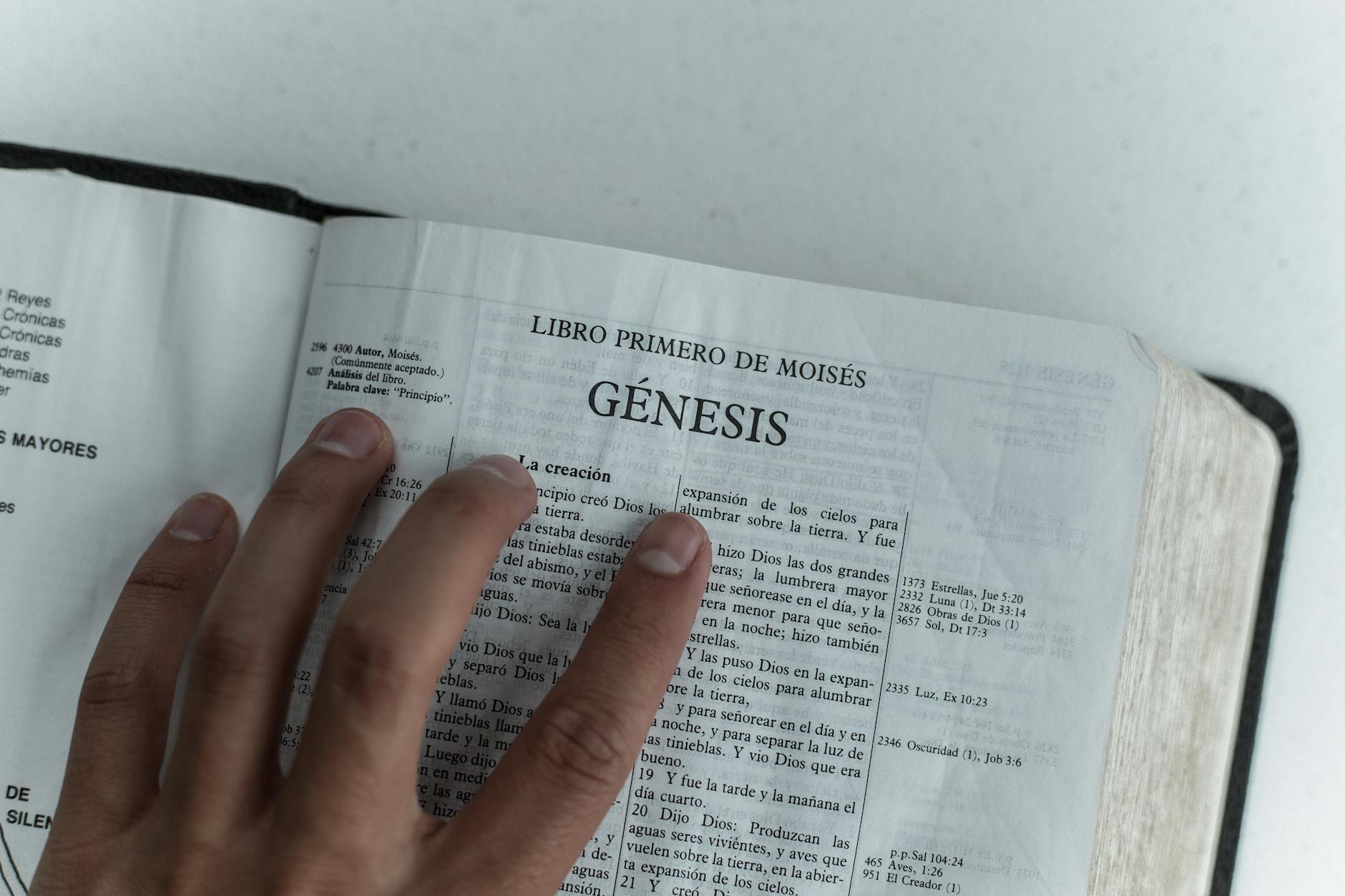
The Catholic Bible’s 73 books didn’t just appear out of nowhere. No, this collection has a history as layered as a good lasagna—full of twists, debates, and a few theological showdowns. I’ve covered enough Bible-related stories to know that the Catholic canon isn’t just a random list; it’s the result of centuries of argument, political maneuvering, and theological fine-tuning.
Here’s the breakdown: The Old Testament alone accounts for 46 books, while the New Testament adds 27. But the real drama? Those extra seven books (or 14, depending on how you split them) that Protestants left out. These are the deuterocanonical books—Judith, Tobit, Wisdom, Sirach, Baruch, 1 and 2 Maccabees, and parts of Daniel and Esther. They’re not some modern invention; they’ve been part of the Christian tradition since the early Church. The Council of Trent (1546) cemented them into the Catholic canon, but their roots go back even further.
| Catholic Bible | Protestant Bible |
|---|---|
| 73 books | 66 books |
| Includes deuterocanonical books | Excludes deuterocanonical books |
The split happened during the Reformation. Martin Luther and his crew argued these books weren’t part of the original Hebrew Bible, so they axed them. But here’s the kicker: the Septuagint (the Greek translation of the Old Testament used by early Christians) included them. The Church Fathers like Augustine and Jerome referenced them. Even the Dead Sea Scrolls have fragments of some deuterocanonical books. So, it’s not just about tradition—it’s about what was actually read and revered for centuries.
I’ve seen debates flare up over this. Some say it’s about authority; others claim it’s about scriptural purity. But the truth? It’s about history. The Catholic Church didn’t just decide one day to add books. They were already there, in use, in worship. The canon was formalized later, but the books themselves? They’ve got staying power.
- Judith – A bold heroine who saves her people. (Yes, it’s as dramatic as it sounds.)
- Tobit – A story of faith, angels, and a fish with healing powers. (No, I’m not making this up.)
- Wisdom – A poetic book on divine wisdom. (Think Proverbs, but with more flair.)
So next time someone asks why the Catholic Bible has 73 books, you can tell them it’s not just a number—it’s a story. And like all good stories, it’s got controversy, tradition, and a few surprises along the way.
The Catholic Bible contains 73 books, including the four Gospels, historical accounts, wisdom literature, and prophetic writings, with the Deuterocanonical books setting it apart from Protestant Bibles. These texts, recognized by the Catholic Church, offer a rich tapestry of faith, tradition, and divine guidance. Whether you’re exploring Scripture for spiritual growth or academic study, understanding this structure deepens your appreciation of its teachings. As you delve into the Bible, consider how its diverse books—from the poetic Psalms to the profound letters of Paul—continue to inspire and challenge readers today. What new insights might you uncover in its pages?