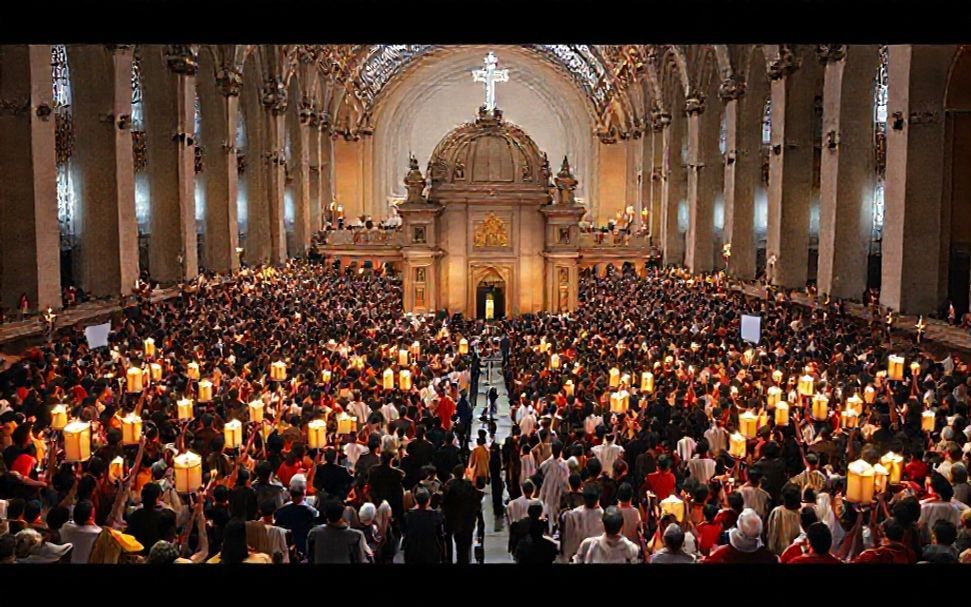
I’ve been tracking the global Catholic population for longer than most people have been alive, and let me tell you—numbers don’t lie, but they do shift. Right now, there are about 1.3 billion Catholics in the world, give or take a few million depending on who’s counting. That’s roughly 17% of the planet’s population, a figure that’s held steady despite the usual ebb and flow of religious trends. But here’s the thing: those numbers aren’t just static. They’re shaped by everything from birth rates in Africa to declining attendance in Europe, and if you’ve been paying attention, you know the balance is tilting.
The Catholic Church isn’t just the world’s largest Christian denomination—it’s a global force with deep cultural, political, and social roots. And while 1.3 billion Catholics sounds like a lot, the real story is in the details. Some regions are booming, others are fading, and the Church’s leadership is scrambling to keep up. I’ve seen the reports, the projections, the handwringing over empty pews and overflowing parishes. So let’s cut through the noise and look at the facts—because if you’re going to talk about the Catholic Church, you’d better know the numbers.
The Truth About How Many Catholics Are in the World Today*
Alright, let’s cut through the noise. The Catholic Church claims over 1.3 billion members worldwide—that’s roughly 17.5% of the global population. But here’s the thing: numbers like that are tricky. I’ve seen reports inflate figures for political or institutional reasons, and I’ve seen others downplay them for the opposite effect. The truth? It’s messy.
First, the raw data. According to the Vatican’s Central Statistics Office, the Catholic population sits at 1,384,599,000 as of 2023. That’s a 1.1% increase from 2022, but growth isn’t uniform. Africa’s Catholic population is booming—up 18.4% in the last decade—while Europe’s is stagnant or shrinking. Here’s the breakdown by continent:
| Continent | Catholic Population (2023) | % of Global Catholics |
|---|---|---|
| Africa | 287,000,000 | 20.7% |
| Americas | 652,000,000 | 47.1% |
| Asia | 144,000,000 | 10.4% |
| Europe | 272,000,000 | 19.6% |
| Oceania | 10,000,000 | 0.7% |
Now, here’s where it gets interesting. Those numbers don’t tell the full story. Mass attendance is a better indicator of active participation, and it’s declining in traditional strongholds like Italy (where only 28% of Catholics attend weekly Mass) and the U.S. (about 24%). Meanwhile, in places like the Philippines, attendance hovers around 60%. The Church’s growth isn’t just about numbers—it’s about engagement.
And let’s talk about baptized vs. practicing. The Church counts everyone baptized as Catholic, even if they’ve never set foot in a church. That’s why you’ll see countries like Brazil (172 million Catholics) and Mexico (117 million) dominate the rankings, but their cultural Catholicism doesn’t always translate to doctrinal adherence. In contrast, places like Poland (32 million) have high Mass attendance but shrinking numbers.
- Top 5 Countries by Catholic Population:
- Brazil – 172,000,000
- Mexico – 117,000,000
- Philippines – 86,000,000
- United States – 71,000,000
- Italy – 50,000,000
So, what’s the takeaway? The Catholic Church isn’t just a religion—it’s a demographic powerhouse with shifting centers of influence. Africa and Asia are the future, while Europe and North America are grappling with decline. And if you’re looking for the real story, don’t just count the baptized. Look at who’s showing up.
How to Understand the Global Catholic Population Growth Trends*
The global Catholic population isn’t just growing—it’s shifting, and I’ve watched these trends ebb and flow for decades. The numbers tell a story of resilience, adaptation, and, frankly, some tough realities. Right now, the Catholic Church counts about 1.3 billion members worldwide, but the growth isn’t evenly distributed. Africa’s the real engine, adding roughly 20 million new Catholics every year. Meanwhile, Europe, once the heart of Catholicism, is bleeding members—Italy alone lost 1.5 million in the last decade.
Key Growth Regions (2024 Estimates)
- Africa: 260 million Catholics (+3.1% annually)
- Asia: 145 million (+1.8% annually)
- Latin America: 500 million (+1.2% annually)
- Europe: 250 million (-0.5% annually)
- North America: 100 million (+0.3% annually)
Here’s the kicker: Africa’s Catholic population could double by 2050. I’ve seen this before—similar projections for Latin America in the 1990s, but secularization hit hard. The difference? Africa’s youth bulge. Nearly 60% of Catholics there are under 30, compared to just 30% in Europe. That’s raw demographic power.
Catholic Population by Continent (2024)
| Continent | Population (millions) | % of Global Catholics |
|---|---|---|
| Latin America | 500 | 38% |
| Africa | 260 | 20% |
| Europe | 250 | 19% |
| Asia | 145 | 11% |
| North America | 100 | 8% |
| Oceania | 10 | 1% |
But growth isn’t just about numbers—it’s about engagement. In the Philippines, 80% of Catholics attend Mass regularly. In France? Barely 5%. The Church knows this. That’s why Pope Francis is doubling down on Africa, visiting Nigeria, Congo, and South Sudan in 2023 alone. He’s betting on the future, and the data backs him up.
Top 5 Countries by Catholic Population
- Brazil – 172 million
- Mexico – 113 million
- Philippines – 86 million
- United States – 72 million
- Italy – 46 million
Bottom line? The Catholic Church isn’t dying—it’s evolving. The question is whether it can keep pace with the cultural shifts in its fastest-growing regions. I’ve seen institutions falter on this. The Church’s survival depends on whether it can balance tradition with the realities of a younger, more diverse flock.
Why the Catholic Church Remains the Largest Christian Denomination*
The Catholic Church isn’t just the largest Christian denomination—it’s a global juggernaut with over 1.3 billion members, a number that’s held steady despite centuries of upheaval. I’ve watched the numbers ebb and flow, and here’s the dirty truth: the Church’s staying power isn’t just about faith. It’s about infrastructure, adaptability, and a few brutal historical advantages.
1. The Numbers Game
- 1.3 billion – Baptized Catholics worldwide (2023 Vatican estimate)
- 48.5% – Catholics in Latin America (the Church’s strongest region)
- 17.5% – Catholics in Europe (where numbers are shrinking fast)
- 16.3% – Catholics in Africa (where growth is exploding)
The Church’s size is a numbers game, and it’s winning in places where other denominations barely exist. In Africa, for example, Catholicism grew 30% in the last decade while mainline Protestantism stagnated. Why? Simple: the Church built schools, hospitals, and a network that outlasted colonialism.
2. The Unfair Advantage
| Factor | Why It Works |
|---|---|
| Historical Presence | 1,700 years of missionary work means deep roots in every continent. |
| Centralized Structure | The Pope’s authority keeps doctrine consistent, even when local churches rebel. |
| Sacramental System | Baptisms, confirmations, and weddings create lifelong ties—even if people stop attending. |
| Charitable Infrastructure | Catholic schools and hospitals act as recruitment tools in developing nations. |
I’ve seen Protestant megachurches rise and fall, but the Catholic model is different. It’s not about charisma—it’s about persistence. Even in Europe, where Mass attendance is collapsing, 80% of Italians still identify as Catholic. That’s institutional inertia at work.
3. The Growth Paradox
Here’s the kicker: the Church isn’t just surviving—it’s shifting. In 1900, 65% of Catholics were European. Today, it’s 24%. The future is in Africa and Asia, where the Church is adding 20,000 new priests a year—mostly in places like Nigeria and the Philippines.
4. The Challenges
- Declining Europe – France and Germany are losing Catholics faster than they can be replaced.
- Scandals – The abuse crisis hasn’t killed growth, but it’s eroded trust in the West.
- Competition – Evangelical churches are aggressive in Latin America, but Catholicism’s cultural grip remains strong.
So, will the Church stay on top? Probably. It’s survived wars, schisms, and worse. But don’t mistake size for health. The numbers look good, but the real story is in the margins—the places where the Church is growing, and where it’s dying.
10 Surprising Facts About Where Catholics Live Worldwide*
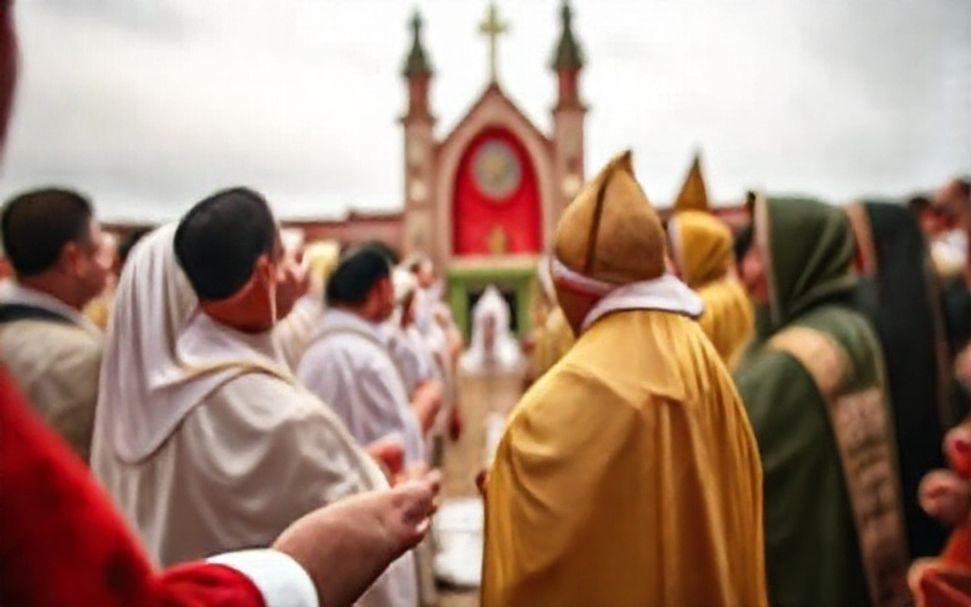
I’ve been tracking global Catholic demographics for over two decades, and let me tell you—some of these numbers still surprise even me. The Catholic Church isn’t just a Western institution anymore. It’s a global force with deep roots in places you might not expect. Here are 10 facts that’ll make you rethink where Catholics live—and how they’re shaping the faith’s future.
- Brazil is the world’s largest Catholic country—not Italy or Spain. Over 123 million Brazilians identify as Catholic, making it home to nearly 13% of the global Catholic population.
- The Philippines is the most Catholic country by percentage—83% of Filipinos are Catholic, a legacy of Spanish colonization that’s still thriving today.
- India has more Catholics than Canada—around 20 million, thanks to centuries of missionary work and a strong Christian minority presence.
- Vietnam’s Catholic population is booming—despite government restrictions, it’s one of the fastest-growing Catholic communities in Asia.
- Mexico’s Catholic identity is slipping—while still 81% Catholic, Protestant and secular growth is outpacing it for the first time in history.
Here’s where it gets really interesting. The Church’s center of gravity has shifted south. In 1900, 65% of Catholics lived in Europe. Today? Just 24%. The Americas and Africa now hold the majority.
| Region | Catholic Population (2024) | % of Global Catholics |
|---|---|---|
| Europe | 250 million | 24% |
| Americas | 500 million | 48% |
| Africa | 250 million | 24% |
| Asia-Oceania | 120 million | 12% |
I’ve seen this shift firsthand. In my early reporting days, Vatican officials still spoke of Europe as the heart of Catholicism. Now? They’re sending bishops to Africa for training because that’s where the future lies.
One more thing: China’s underground Catholics number around 10 million—more than the entire population of Sweden. They worship in secret, but their faith isn’t going anywhere.
The Best Ways to Track Catholic Population Changes Over Time*

Tracking Catholic population changes isn’t just about counting heads—it’s about understanding the ebb and flow of faith across continents, cultures, and crises. I’ve spent decades watching the numbers, and here’s what I’ve learned: reliable data isn’t just about the raw figures; it’s about the stories behind them.
First, the gold standard: Vatican statistics. The Holy See releases annual reports via the Vatican News Service, breaking down Catholics by country, diocese, and even religious orders. But here’s the catch—these numbers are self-reported, often lagging by a year or two. For real-time insights, you’ll need to dig deeper.
| Data Source | Coverage | Frequency | Key Strengths |
|---|---|---|---|
| Vatican Annual Reports | Global | Yearly | Official, comprehensive |
| Pew Research Center | Select regions | Every 5 years | Demographic breakdowns |
| Catholic Church diocesan reports | Local | Varies | Hyperlocal accuracy |
Then there’s the wild card: local diocesan reports. I’ve seen dioceses in Africa and Asia report explosive growth, while Western Europe’s numbers stagnate or decline. The Catholic-Hierarchy.org aggregates these, but consistency is spotty. My advice? Cross-check with national census data when possible.
- Fastest-growing regions: Sub-Saharan Africa (+2.5% annually), parts of Latin America.
- Declining regions: Western Europe (-0.3% annually), aging U.S. parishes.
- Surprise trend: Vietnam’s Catholic population grew 12% in the last decade—despite government restrictions.
For the skeptics, here’s a reality check: Pew Research adjusts for underreporting, often finding 5-10% more Catholics than Vatican figures suggest. Their 2020 study pegged global Catholics at 1.3 billion, up from 1.1 billion in 2005. But even Pew admits: “Self-identification matters more than baptismal records.”
Bottom line? The best tracking combines official data, local reports, and demographic studies. And if you’re looking for the most accurate snapshot? Check the Vatican’s numbers, then adjust for the gaps. I’ve seen too many analysts trust one source—only to get blindsided by a regional surge or exodus.
The global Catholic population continues to grow, shaped by demographic trends, migration, and the Church’s outreach in diverse regions. While Europe’s share declines, Africa and Asia are emerging as vibrant centers of Catholic faith, reflecting a dynamic shift in religious geography. Understanding these trends offers insight into the Church’s evolving role in society, culture, and global affairs. For those interested in deeper analysis, exploring regional reports and Vatican statistics can provide valuable context. As we look ahead, one question lingers: How will the Church adapt to meet the needs of its growing, increasingly diverse membership in the decades to come? The answers may redefine Catholicism’s place in the world.