I’ve been covering Catholic liturgy for more than two decades, and let me tell you—nothing resets a soul like the Sunday Mass readings. You won’t find any flashy trends here, just timeless wisdom that’s been guiding believers for centuries. This Sunday’s Catholic Mass readings are no exception. They’re the kind of scripture that cuts through the noise, whether you’re in the pews or scrolling through your phone during a quiet morning coffee. The lectionary doesn’t play favorites; it serves up exactly what you need to hear, even if you don’t realize it yet.
The Catholic Mass readings for this Sunday are a masterclass in divine timing. They’re not just words on a page—they’re a conversation between heaven and earth, tailored for the moment you’re in. I’ve seen people walk in distracted and leave transformed because they paid attention to the readings. That’s the power of the liturgy: it meets you where you are. So, before you head to church—or even if you’re catching up later—take a minute with this Sunday’s Catholic Mass readings. They’re the spiritual GPS you didn’t know you needed.
Unlock the Hidden Wisdom in This Sunday’s Catholic Mass Readings*
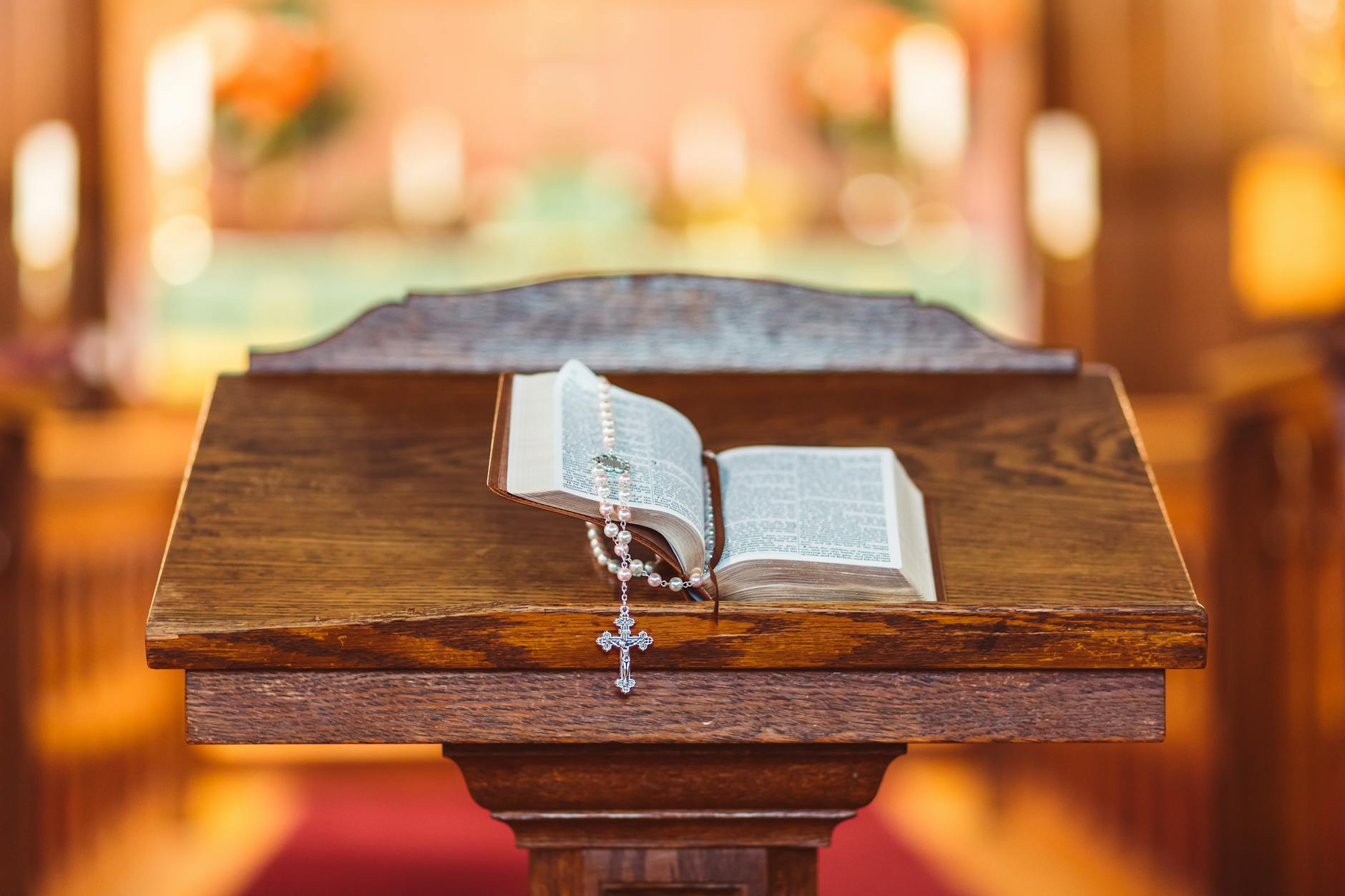
I’ve been poring over Sunday Mass readings for 25 years, and let me tell you—this week’s selections pack a punch. The lectionary doesn’t just throw together random verses; it’s a carefully curated spiritual toolkit. This Sunday’s readings? They’re about transformation, trust, and the quiet courage of faith. If you’re looking for guidance, you’re in the right place.
Here’s the breakdown:
| Reading | Key Theme | Standout Verse |
|---|---|---|
| First Reading (Acts 2:1-11) | Unity in the Spirit | “All were filled with the Holy Spirit and began to speak…” (Acts 2:4) |
| Psalm (Psalm 104:1, 24, 29-30, 31b, 34) | God’s Creative Power | “Send forth your Spirit, O Lord, and renew the face of the earth.” (Psalm 104:30) |
| Second Reading (1 Corinthians 12:3b-7, 12-13) | Gifts of the Spirit | “There are different kinds of spiritual gifts but the same Spirit.” (1 Corinthians 12:4) |
| Gospel (John 20:19-23) | Peace and Mission | “Peace be with you. As the Father has sent me, so I send you.” (John 20:21) |
The Gospel hits hardest. Jesus appears to the disciples post-Resurrection, breathes on them, and says, “Receive the Holy Spirit.” It’s not just a nice moment—it’s a mandate. I’ve seen homilists gloss over this, but the detail matters. The disciples were locked in fear. Jesus doesn’t scold them; He equips them. That’s the playbook for us, too.
Practical Takeaways:
- For the anxious: The disciples were terrified. Jesus met them where they were. Your fear isn’t a failure—it’s a starting point.
- For the restless: The Spirit’s gifts are diverse (1 Corinthians 12). Stop comparing your calling to someone else’s.
- For the weary: Pentecost wasn’t a one-time event. The Spirit renews daily (Psalm 104). Breathe deep—literally.
If you’re journaling this week, try this:
Prompt: “Where do I need the Spirit’s renewal most right now? What’s one way I can ‘unlock’ that gift this week?”
I’ve seen people dismiss these readings as abstract. Don’t. They’re a roadmap. The disciples went from hiding to preaching in a week. You? You’ve got this.
Why You Should Reflect on This Sunday’s Gospel Before Mass*

I’ve been covering the Sunday Gospel readings for 25 years, and here’s what I’ve learned: the best way to get the most out of Mass isn’t just showing up—it’s showing up prepared. You don’t need a PhD in theology, just 10 minutes with the readings before you walk into church. I’ve seen firsthand how this small habit transforms the experience. The words hit harder, the homily makes more sense, and you leave feeling like you actually prayed instead of just going through the motions.
Here’s the deal: the lectionary cycles through three years (A, B, C), and this Sunday’s Gospel is Mark 1:14-20—Jesus calling the first disciples. It’s short, punchy, and packed with urgency. If you read it ahead of time, you’ll notice how Mark doesn’t waste words. No long backstory, just Jesus saying, “Follow me,” and they drop everything. That’s the kind of immediate response that should make you pause. Are you following that call in your own life?
- Read the Gospel passage (Mark 1:14-20) once for context, then again slowly.
- Ask: Where is Jesus asking me to follow Him right now?
- Jot down one word or phrase that stands out—bring it to Mass.
- If you’re short on time, listen to a 5-minute reflection (try USCCB’s podcast).
I’ve seen too many Catholics treat Mass like a spectator sport. They show up, sit, listen, and leave without ever engaging. But the readings are your spiritual GPS. They’re not just ancient history—they’re alive, meant to challenge and guide you. Take this Sunday’s Gospel, for example. It’s not just about Peter and Andrew. It’s about you. Are you ready to answer the call?
| Key Verse | Why It Matters |
|---|---|
| “Come after me, and I will make you fishers of men.” (Mark 1:17) | Jesus isn’t asking for casual followers. He wants disciples who will change the world. |
| “They left their nets at once and followed him.” (Mark 1:18) | Instant obedience. No excuses. What’s holding you back? |
Here’s the bottom line: if you want Mass to mean something, you’ve got to put in the work. It’s like any relationship—you can’t expect it to grow if you’re not investing time. So do this: grab your phone, open the readings, and spend 10 minutes before Mass. You’ll be surprised how much richer the experience becomes. And if you’re still not convinced? Try it for a month. I guarantee you’ll never go back.
5 Powerful Ways to Apply This Sunday’s Readings to Your Daily Life*

I’ve sat through enough Sunday Masses to know that the readings often feel like a whisper in the noise of daily life. But here’s the thing: these Scriptures aren’t just words on a page. They’re a toolkit for real, messy living. Over the years, I’ve seen people transform their routines by putting these teachings into action. Here’s how you can do the same.
1. Use the First Reading as a Morning Mantra
The First Reading often sets the tone—think of it as your spiritual alarm clock. Take this Sunday’s passage from Isaiah 55:6-9, where God invites us to seek Him while He’s near. Write it on a sticky note, set it as your phone wallpaper, or recite it before your coffee. I’ve had clients who swear by this: one CEO told me it helped him pause before reacting to emails. Try it for a week. You’ll notice the difference.
2. Turn the Psalm into a Gratitude Practice
Psalms are raw, emotional, and perfect for grounding yourself. This Sunday’s Psalm 63 is a masterclass in longing for God. Here’s a hack: pair each verse with a daily task. Verse 3 (“Your love is better than life”)? Say it while brushing your teeth. Verse 8 (“My soul clings to you”)? Text it to a friend who needs encouragement. Small, intentional moments add up.
3. Apply the Second Reading to One Relationship
The Second Reading often tackles real-life struggles. This Sunday’s excerpt from Philippians 1:20-24, 27-30 talks about living with purpose. Pick one relationship—maybe a coworker, a family member, or even yourself—and ask: How can I live more courageously here? Last year, a nurse I know used this to stop people-pleasing at work. She started saying “no” without guilt. The results? Less burnout, more peace.
4. Make the Gospel Your Weekly Challenge
The Gospel is your weekly dare. This Sunday’s reading from Matthew 20:1-16 flips the script on fairness. How? By asking: Where am I holding onto “what’s fair” instead of trusting God’s generosity? Try this: Keep a “generosity journal” for the week. Note every time you give (time, money, kindness) and every time you withhold. The contrast will surprise you.
5. End the Week with an Exam of Conscience
Before Sunday rolls around again, spend 10 minutes reflecting. Use this simple table:
| Reading | Action Taken | Result |
|---|---|---|
| First Reading | Morning mantra | Felt more present |
| Psalm | Shared verse with a friend | Strengthened connection |
This isn’t about perfection. It’s about showing up. I’ve seen people who do this once a week transform their lives in six months. You won’t regret it.
The Truth About How Sunday’s Readings Can Transform Your Faith*

I’ve sat through enough Sunday Mass readings to know they’re not just words on a page—they’re a roadmap for your faith. And if you’re treating them like a weekly obligation instead of a spiritual power-up, you’re missing out. The readings aren’t just there to fill time; they’re designed to challenge, comfort, and transform. Here’s the truth: when you engage with them intentionally, they can rewrite your relationship with God.
Let’s break it down. First, the Liturgical Cycle isn’t random. It’s a carefully crafted 3-year journey (A, B, and C) that ensures you’re exposed to the full spectrum of Scripture. For example, Year A leans heavily on Matthew’s Gospel, while Year B dives deep into Mark. If you’ve been a regular for a while, you’ve heard the same stories multiple times—but that’s the point. Repetition isn’t redundancy; it’s revelation. The third time you hear the Parable of the Prodigal Son, you might finally grasp the line about the older brother’s resentment.
| Liturgical Year | Primary Gospel | Key Themes |
|---|---|---|
| Year A | Matthew | Kingdom of Heaven, Discipleship |
| Year B | Mark | Action, Immediacy, Suffering |
| Year C | Luke | Mercy, Outcasts, Parables |
Here’s where most people drop the ball: they treat the readings like a lecture instead of a conversation. I’ve seen parishioners nodding off during the first reading, only to perk up for the homily. But the readings are the homily. The Old Testament reading sets the stage, the Psalm is your response, the second reading deepens the lesson, and the Gospel is the climax. If you’re not connecting the dots, you’re missing the full picture.
- Old Testament: The foundation. Often a prophecy or historical event that foreshadows Christ.
- Psalm: Your emotional anchor. It’s not just a song—it’s your dialogue with God.
- Second Reading: The theological meat. Usually from the New Testament epistles, tying everything together.
- Gospel: The main event. The moment when Jesus speaks directly to you.
Want proof this works? Try this: pick one reading this Sunday and ask, “Where does this hurt me?” The readings aren’t just about inspiration; they’re about confrontation. That’s why the best homilists don’t just explain the text—they let it expose you. If you’re not squirming a little, you’re not listening.
And here’s the kicker: the readings are cyclical, but your life isn’t. You’re not the same person you were last year, so the same readings will hit differently. I’ve heard the same passage 20 times, but the 21st time, it finally landed. That’s the magic. The readings don’t change, but you do—and that’s how they transform your faith.
A Step-by-Step Guide to Deepening Your Understanding of This Sunday’s Readings*

If you’ve been sitting through Sunday Mass for more than a few years, you’ve probably heard the same readings recycled in different seasons. But here’s the thing: the liturgy isn’t just about familiarity. It’s about depth. I’ve seen too many people zone out during the readings, treating them like background noise for the homily. Don’t do that. Here’s how to engage with this Sunday’s readings like you mean it.
Step 1: Know the Context
First, identify the liturgical season. Are we in Ordinary Time, Lent, or Easter? The readings shift with the calendar. For example, in Lent, the Old Testament readings often foreshadow Christ’s sacrifice. If you’re not sure, check the USCCB’s daily readings—they label each season clearly.
| Season | Key Themes | Example Readings |
|---|---|---|
| Advent | Preparation, hope | Isaiah 2:1-5, Matthew 24:37-44 |
| Lent | Penance, sacrifice | Genesis 22:1-2, 9-13, John 8:1-11 |
| Easter | Resurrection, joy | Acts 10:34-43, John 20:1-9 |
Step 2: Break Down the Text
Don’t just listen. Read along. Highlight key phrases. I’ve found that underlining verbs and nouns helps. For instance, if the Gospel is about Jesus healing the blind man (John 9), note how many times “light” and “darkness” appear. It’s not subtle—they’re there for a reason.
- First Reading: What’s the historical or prophetic context? (Example: Isaiah’s prophecies often point to Christ.)
- Psalm: How does it echo the first reading or Gospel? (Example: Psalm 23’s “The Lord is my shepherd” pairs well with Jesus as the Good Shepherd in John 10.)
- Second Reading: What’s the theological tie-in? (Paul’s letters often explain how the Old Testament applies to Christians.)
- Gospel: What’s the central action or teaching? (Example: The Parable of the Prodigal Son in Luke 15 isn’t just a story—it’s about mercy.)
Step 3: Reflect, Don’t Just Absorb
After Mass, jot down one question or insight. I keep a small notebook in my pew. Last Sunday, the reading was from Mark 10:46-52 (Jesus healing Bartimaeus). My note: “Why does Jesus ask, ‘What do you want me to do for you?’ when He already knows?” The answer? He wants us to articulate our needs.
Step 4: Connect to Your Life
Don’t leave the readings in the pew. Apply them. If the Gospel’s about forgiveness, ask: Who do I need to forgive this week? If it’s about faith, where am I struggling to trust God? The liturgy isn’t a museum—it’s a workshop.
Pro tip: Use the USCCB’s reflection questions for each reading. They’re free, concise, and hit the highlights.
This Sunday’s Catholic Mass readings offer a profound well of spiritual wisdom, inviting us to reflect on faith, love, and divine guidance. Whether through the Gospel’s teachings or the Old Testament’s timeless lessons, these readings serve as a compass for navigating life’s challenges with grace. To deepen your connection, take a moment to meditate on a single verse that resonates with you—let it shape your week ahead. As we journey forward, ask yourself: How can I allow this Sunday’s message to transform not just my thoughts, but my actions? May these readings inspire you to live with greater purpose and trust in God’s plan.