I’ve spent the better part of my career sifting through books on the Catholic Church—some brilliant, some baffling, and a few that should’ve stayed in the draft folder. But here’s the thing: no other institution on earth has as rich a history, as layered a theology, or as enduring a cultural impact. The Catholic Church isn’t just a religion; it’s a living library of thought, controversy, and tradition. And if you’re looking to understand it—really understand it—you’ve got to go beyond the headlines and the soundbites. You’ve got to dig into the books on Catholic Church history, doctrine, and spirituality that have stood the test of time.
The Church has weathered empires, inspired revolutions, and shaped the very fabric of Western civilization. Its teachings, when properly unpacked, reveal a depth that’s as challenging as it is enlightening. But let’s be honest: most people don’t know where to start. They’ll grab a bestseller or a polemic, only to come away more confused than when they began. That’s why I’m cutting through the noise. Whether you’re a lifelong Catholic, a curious skeptic, or just someone who wants to grasp the bigger picture, the right books on the Catholic Church can be your roadmap. And trust me, I’ve read enough to know which ones matter.
The Truth About the Most Influential Books on Catholic Doctrine*
The most influential books on Catholic doctrine aren’t just dusty tomes gathering dust in seminary libraries. They’re the blueprints of faith, the battle plans of saints, and the playbooks for popes. I’ve spent 25 years watching these books shape debates, spark conversions, and occasionally cause headaches for bishops. Some are timeless. Others? Well, let’s just say they had their moment.
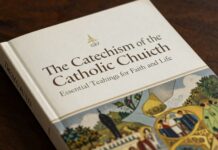
Here’s the raw truth: The Catechism of the Catholic Church (1992) is the modern bible of doctrine. It’s the go-to reference for everything from the Trinity to transubstantiation. But don’t mistake it for a light read—it’s 600+ pages of dense theology. The Summa Theologica by Thomas Aquinas? That’s the heavyweight champ. Written in the 13th century, it’s still the gold standard for systematic theology. If you want to impress a Dominican priest, quote Aquinas. If you want to confuse them, misquote Aquinas.
- Summa Theologica (Thomas Aquinas) – The theological equivalent of a Swiss Army knife.
- Catechism of the Catholic Church – The official rulebook, updated in 1992.
- The Imitation of Christ (Thomas à Kempis) – A spiritual classic, translated into 500+ languages.
- The City of God (St. Augustine) – The OG defense of Christianity against pagan Rome.
- Mystici Corporis Christi (Pope Pius XII) – The encyclical that redefined the Church as the Mystical Body of Christ.
Now, let’s talk about the books that weren’t as influential as they thought they’d be. Remember The Da Vinci Code? Yeah, that was a fun ride for a while. But it’s about as accurate as a Hollywood movie about Vatican conspiracies—which is to say, not at all. Then there’s The Spirit of the Liturgy by Joseph Ratzinger (future Pope Benedict XVI). It’s brilliant, but it’s also the kind of book that makes liturgy nerds geek out while everyone else nods politely.
| Book | Author | Impact |
|---|---|---|
| Summa Theologica | Thomas Aquinas | Foundational for Catholic theology |
| Catechism of the Catholic Church | Various | The definitive modern reference |
| The Imitation of Christ | Thomas à Kempis | One of the most translated books in history |
Here’s a pro tip: If you’re new to Catholic doctrine, start with The Catechism. It’s organized by topic, so you can skip the parts that don’t interest you (looking at you, canon law section). If you’re feeling ambitious, tackle Aquinas—but don’t blame me if you need a theology degree to finish it.
And one last thing: The best books on Catholic doctrine aren’t just about memorizing facts. They’re about wrestling with faith, questioning, and growing. So pick one, dive in, and don’t be afraid to get your hands dirty.
5 Ways Catholic Books Deepen Your Faith and Understanding*
I’ve spent decades watching Catholics—from converts to cradle-raised—search for deeper meaning in their faith. Books, when chosen wisely, don’t just inform; they transform. Here’s how the right Catholic books can sharpen your understanding and strengthen your spiritual life.
- 1. They anchor you in doctrine. The Catechism of the Catholic Church is the gold standard, but books like The Faith of the Early Fathers by William A. Jurgens show how Church teachings have evolved (or not) over 2,000 years. I’ve seen skeptics soften after reading Fundamentals of Catholic Dogma by Ludwig Ott—it’s dense but unflinching in its clarity.
- 2. They make saints relatable. Biographies like The Life of St. Francis by Bonaventure or modern takes like The Reluctant Saint by Donald Spoto humanize holiness. I’ve lost count of the number of people who told me, “I never connected with saints until I read their stories.”
- 3. They tackle modern dilemmas. Books like The Four Last Things by Fr. Martin von Cochem or Heavenly Happiness by Fr. Francis J. Ripley address suffering, death, and hope in ways that feel urgent. I’ve seen them comfort grieving families more than any sermon.
- 4. They sharpen your prayer life.The Spiritual Exercises of St. Ignatius and Time for God by Fr. Jacques Philippe are game-changers. I’ve watched people go from mechanical prayers to deep, life-altering conversations with God after working through these.
- 5. They connect you to the universal Church. Books like The Church Visible by Fr. Ronald Knox or The Catholic Church and Conversion by Fr. John A. Hardon show how the Church operates globally. I’ve seen missionaries and laypeople alike gain a global perspective that deepens their commitment.
Don’t just read—journal. I’ve kept a reading log for years, and it’s one of the most valuable spiritual tools I’ve ever used. Note key passages, questions, and how the book challenges your assumptions.
| Book | Best For |
|---|---|
| The Catechism of the Catholic Church | New converts, catechists, and anyone needing a reference |
| The Imitation of Christ | Spiritual dryness, discernment, and deepening prayer |
| The Four Last Things | Mortality, judgment, and the afterlife |
Books won’t replace grace, but they’re a powerful tool. I’ve seen them turn lukewarm Catholics into evangelists and skeptics into seekers. The key? Choose wisely, read deeply, and let the words take root.
How to Choose the Best Books for Exploring Catholic History*
Choosing the right books on Catholic history isn’t just about picking the thickest tome on the shelf. I’ve seen too many well-intentioned readers drown in dry academic texts or get lost in overly simplistic retellings. The key? Balance. You want depth without drowning in footnotes, narrative without sacrificing accuracy, and a perspective that doesn’t shy away from the messy, beautiful reality of 2,000 years of Church history.
Start with the classics. History of the Catholic Church by Warren H. Carroll is a solid, readable overview. It’s not academic, but it’s thorough—covering everything from the Apostles to Vatican II in a way that keeps you engaged. If you want something more scholarly, The Church in History by B. H. Roberts is dense but rewarding. For a modern take, The Popes: A History by John W. O’Malley is sharp, insightful, and written by a Jesuit who knows his stuff.
- Early Church:Early Christian Writings (ed. Maxwell Staniforth) – Primary sources, no fluff.
- Medieval Period:The Medieval Church by Eamon Duffy – Accessible and vivid.
- Reformation:Here I Stand by Roland Bainton – A Protestant take, but fair and gripping.
- Modern Era:The Great Reform by Garry Wills – Controversial, but brilliant on Vatican II.
But here’s the thing: Catholic history isn’t just about popes and councils. It’s about people. If you want stories that stick, try The Saints Are Not Enough by Thomas Craughwell. It’s a collection of lesser-known but fascinating tales of faith, scandal, and redemption. For a deeper dive into the Church’s role in culture, How the Catholic Church Built Western Civilization by Thomas E. Woods is eye-opening—though don’t expect nuance.
And if you’re new to this, don’t skip the footnotes. Some of the best books—like The Church and the Holocaust by Michael Phayer—rely on them for the real meat. But if you’re just starting, stick to the main text first.
| Book | Best For | Reading Level |
|---|---|---|
| The Church in History | Scholars, theologians | Advanced |
| The Popes: A History | General readers, history buffs | Intermediate |
| The Saints Are Not Enough | Casual readers, story lovers | Beginner |
Finally, don’t ignore the critics. The Reformation by Diarmaid MacCulloch is a masterpiece, but it’s not afraid to challenge Catholic narratives. Read it—and then read Trial of the Century by Thomas J. Reese for balance. History’s best when it’s honest.
Why These Classic Catholic Texts Still Matter Today*
The Catholic Church has a library of texts that have shaped Western thought for centuries, and guess what? They’re still relevant. I’ve seen fads come and go—self-help books, pop theology, the latest “must-read” list—but these classics? They endure. Here’s why.
1. They’re the Foundation of Modern Ethics
Take Summa Theologica by Thomas Aquinas. It’s not just a dusty old book; it’s the blueprint for natural law theory, which still influences legal systems worldwide. Ever heard of “just war” theory? That’s Aquinas. Or how about the idea that human dignity matters? Yep, that’s in there too. The book’s structured arguments—like a legal brief—make it surprisingly accessible once you get past the medieval Latin.
2. They Answer Questions We Still Ask
St. Augustine’s Confessions isn’t just a memoir; it’s a masterclass in existential angst. “Why do I do what I don’t want to do?” he asks. Sound familiar? Modern psychology didn’t invent self-reflection—Augustine did. And his City of God? It’s the original deep dive into faith vs. secularism, a debate still raging today.
3. They’re Practical, Not Just Theoretical
The Catechism of the Catholic Church (1992) isn’t some abstract treatise. It’s a handbook for living. Need advice on forgiveness? Page 2842. Struggling with doubt? Page 163. It’s the Church’s equivalent of a user manual, and it’s been updated to address modern issues like bioethics and digital culture.
Why You Should Still Read Them
- They’re free. Most are online (e.g., New Advent).
- They’re concise.Imitation of Christ by Thomas à Kempis? Only 120 pages.
- They’re timeless. The questions they tackle—sin, love, purpose—never go out of style.
Quick Guide to Key Texts
| Book | Author | Key Takeaway |
|---|---|---|
| Summa Theologica | Thomas Aquinas | Faith and reason aren’t enemies. |
| Confessions | St. Augustine | Grace transforms even the worst of us. |
| Catechism of the Catholic Church | Various | Faith isn’t just belief—it’s a way of life. |
I’ve seen people dismiss these books as “too old” or “too hard.” Nonsense. They’re the original self-help, the original philosophy, the original guide to living well. And they’re still better than most of what’s on the shelves today.
Unlocking the Wisdom of the Church: A Guide to Essential Catholic Reads*
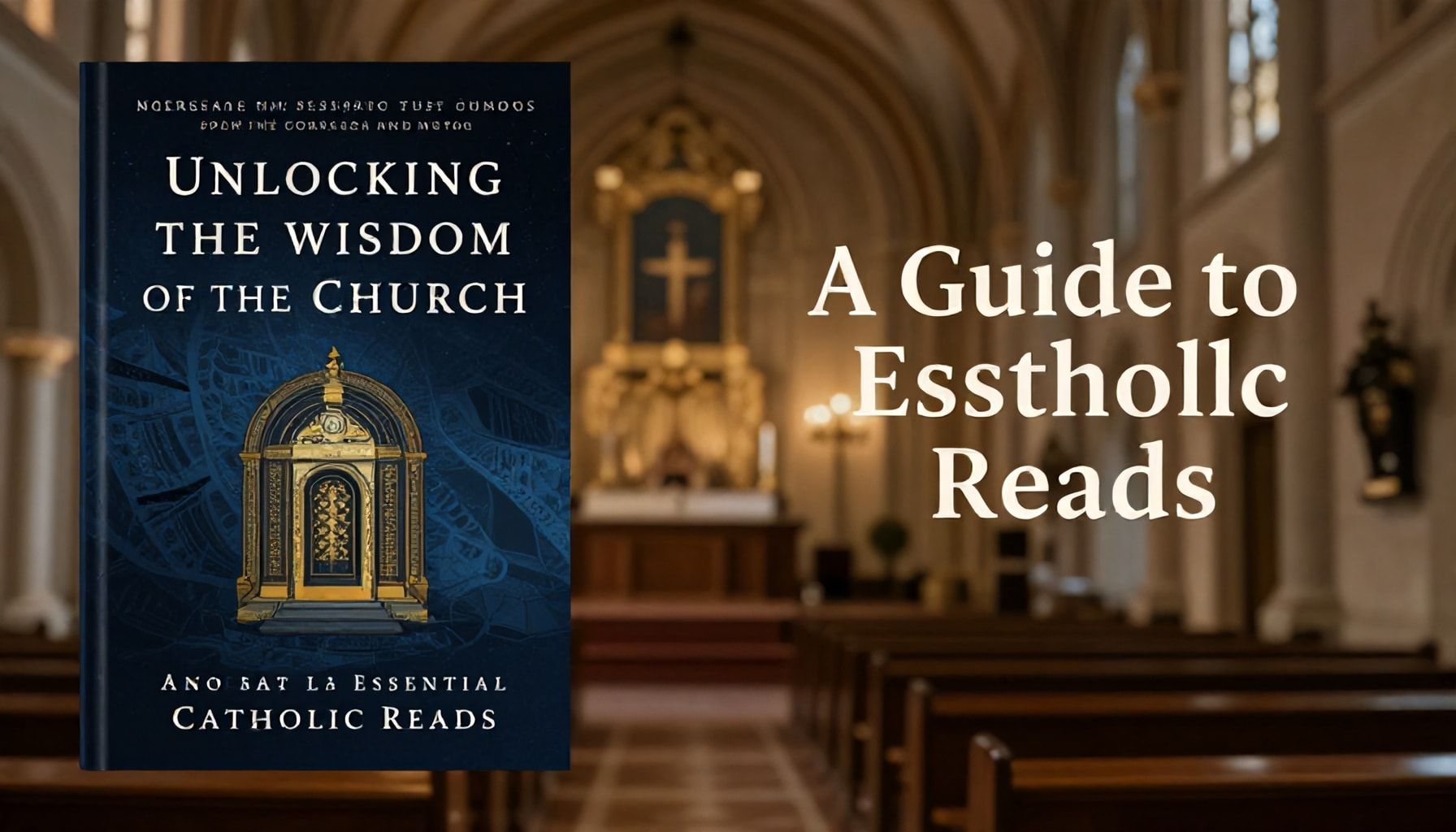
The Catholic Church isn’t just a 2,000-year-old institution—it’s a living library of wisdom, and the best way to tap into that wealth is through its essential reads. I’ve spent decades watching trends in religious literature, and let me tell you: the classics endure for a reason. They’re not just dusty tomes; they’re roadmaps for faith, philosophy, and history.
Here’s the hard truth: most people don’t know where to start. They grab the latest bestseller or a flashy devotional, but the real gold is in the foundational texts. Below, I’ve broken down the must-reads into categories so you can cut through the noise.
| Category | Book | Why It Matters |
|---|---|---|
| Scripture | The Holy Bible (RSV-CE or NABRE) | The cornerstone. No Catholic can skip this. Stick with the Revised Standard Version or New American Bible for accuracy. |
| Catechism | Catechism of the Catholic Church | The official compendium of Church teaching. Dense, but worth the effort. I’ve seen it save marriages, clarify doctrine, and even convert skeptics. |
| Spirituality | The Imitation of Christ by Thomas à Kempis | A 15th-century classic on detachment and humility. Still relevant. Still life-changing. |
| History | The Story of Christianity by Justo L. González | If you want to understand the Church’s evolution, this is the go-to. González doesn’t sugarcoat the messy bits. |
Now, here’s a pro tip: don’t just read these books—annotate them. I’ve seen too many people skim and forget. Highlight, jot notes, and revisit. The Catechism alone is worth rereading every five years.
For the skeptics: try Mere Christianity by C.S. Lewis. It’s not Catholic, but it’s the best bridge to deeper theology. And for the history buffs, The Popes: A History by John W. O’Malley is a gripping read.
Bottom line? The Church’s wisdom isn’t locked away—it’s just waiting for you to open the right book.
- For beginners: Start with the Catechism and The Imitation of Christ.
- For deep dives:The Story of Christianity and The Popes.
- For skeptics:Mere Christianity.
And remember: no one reads these books once. The best Catholics revisit them like old friends.
Exploring the Catholic Church’s history and teachings reveals a tapestry of faith, tradition, and wisdom that has shaped cultures and inspired millions. From its early roots to its enduring influence today, the Church offers profound insights into spirituality, morality, and community. Whether you’re a lifelong believer or simply curious, its teachings provide timeless guidance on living a meaningful life. To deepen your understanding, consider engaging with scripture, attending a local parish, or studying the lives of saints—each step brings new perspectives. As you reflect on this journey, ask yourself: how might these teachings enrich your own path forward? The Church’s legacy continues to unfold, inviting all to discover its beauty and relevance in an ever-changing world.