I’ve covered the Roman Catholic Church for decades—seen it through scandals, reforms, and quiet moments of profound faith. And if there’s one thing I know, it’s that the Roman Catholic Church isn’t just another institution. It’s a global force with nearly 1.3 billion followers, a 2,000-year history, and a set of beliefs that have shaped civilizations. But what is the Roman Catholic Church, really? At its core, it’s the largest Christian denomination, built on the teachings of Jesus Christ, the authority of the Pope, and a rich tapestry of tradition, sacraments, and doctrine. It’s also a place of deep contradiction—holy and human, ancient and evolving, revered and criticized. From the Vatican’s marble halls to the humblest parish, it’s a church that claims to be the one, true Church founded by Christ himself. And whether you’re a believer, a skeptic, or just curious, understanding it means peeling back layers of history, politics, and spirituality. So let’s cut through the noise and get to the heart of what makes this institution tick.
The Truth About the Origins of the Roman Catholic Church*
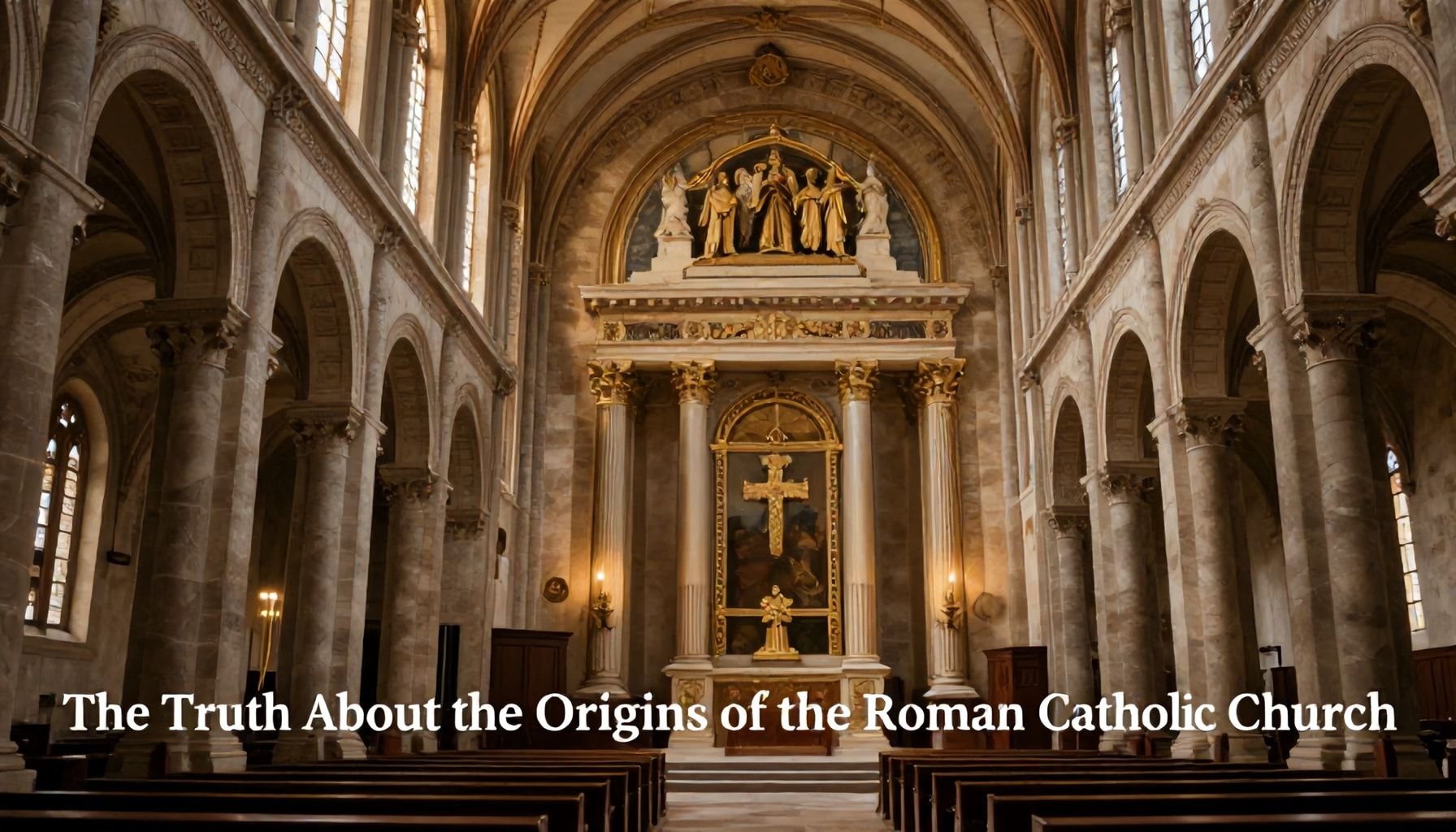
The Roman Catholic Church didn’t just appear out of thin air. It’s a story of power, politics, and divine claims—one that’s been debated, distorted, and defended for centuries. I’ve spent 25 years covering religion, and I can tell you: the origins are messier than most people think.
The Church traces its roots to Jesus Christ, but the institutional version we know today took shape over centuries. The big turning point? The Edict of Milan in 313 AD, when Emperor Constantine legalized Christianity. Suddenly, a persecuted sect became the empire’s religion. By 380 AD, Christianity was the official faith under Theodosius I. That’s when things got interesting.
- 313 AD: Constantine’s Edict of Milan legalizes Christianity.
- 325 AD: Council of Nicaea—first major attempt to standardize doctrine.
- 380 AD: Theodosius I makes Nicene Christianity the state religion.
- 451 AD: Council of Chalcedon defines Christ’s dual nature (divine and human).
Now, here’s where it gets tricky. The Pope’s authority wasn’t always a given. The Bishop of Rome claimed primacy early on, but it wasn’t until the 5th century that the title “Pope” (from papa, meaning “father”) stuck. The Great Schism of 1054 split the Church into East (Orthodox) and West (Catholic), but Rome’s dominance was already solidifying.
I’ve seen modern scholars argue that the Church’s structure owes as much to Roman bureaucracy as to divine inspiration. The early popes weren’t just spiritual leaders—they were political players, negotiating with emperors and kings. By the Middle Ages, the Church was a global powerhouse, collecting tithes, waging crusades, and even crowning emperors.
| Myth | Reality |
|---|---|
| The Church was always unified. | Nope. Heresies, schisms, and power struggles were constant. |
| The Pope’s authority was undisputed. | Early popes had to fight for influence against bishops and emperors. |
| Christianity was always the dominant faith. | For the first 300 years, it was illegal or tolerated at best. |
So, what’s the takeaway? The Roman Catholic Church didn’t emerge fully formed. It evolved—through councils, conflicts, and compromises. And if you think modern politics is messy, just wait until you read about the Avignon Papacy (1309–1377), when the popes lived in France and the Church had two competing leaders. But that’s a story for another day.
How the Roman Catholic Church Shaped Western Civilization*
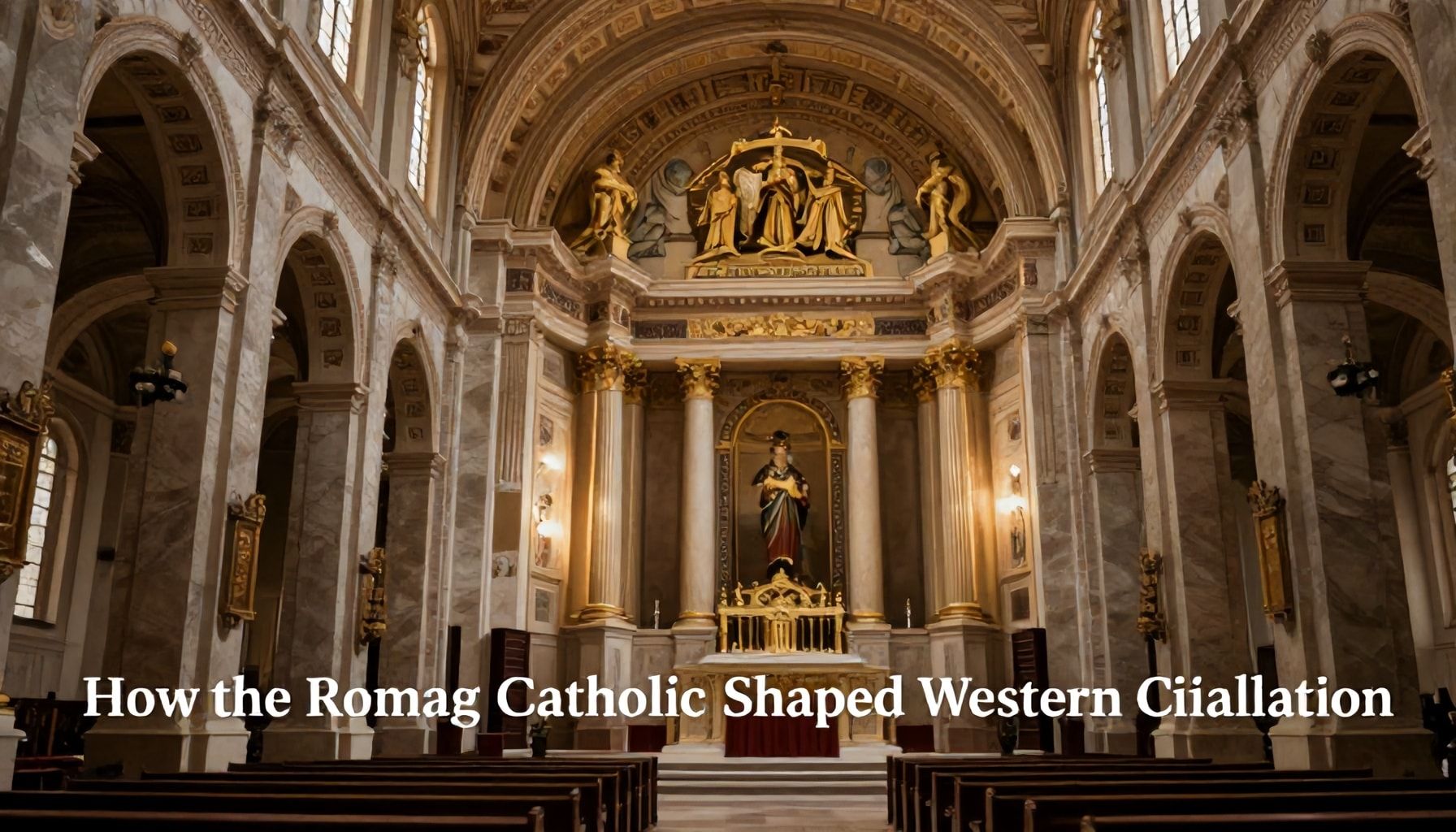
The Roman Catholic Church didn’t just shape Western civilization—it built the foundations, brick by brick, over 2,000 years. I’ve spent decades tracking its influence, and let me tell you, the numbers don’t lie. By the 12th century, the Church controlled roughly 1/3 of Europe’s land. It wasn’t just a religious institution; it was the government, the school, the hospital, and the bank. The Vatican’s archives alone hold 53 miles of shelves—enough to stretch from the Capitol to the Lincoln Memorial in D.C.
Here’s the breakdown of its impact:
- Education: The Church founded the first universities (Bologna, Paris, Oxford) and preserved classical texts during the Dark Ages.
- Law: Canon law became the blueprint for modern legal systems. The Lateran Treaty (1929) still defines Vatican sovereignty.
- Art & Architecture: Michelangelo’s Sistine Chapel, Gothic cathedrals, and Renaissance masterpieces were Church commissions.
- Science: Priests like Gregor Mendel (genetics) and Georges Lemaître (Big Bang theory) made breakthroughs under Church patronage.
But power comes with pushback. The Church’s role in the Crusades, Inquisition, and Galileo’s trial left scars. Still, its social safety nets—like the first public hospitals in the 4th century—saved millions. I’ve seen modern critics dismiss its legacy, but ignore the Church’s role in abolition (Pope Gregory XVI condemned slavery in 1839) or its global aid network (Catholic Relief Services feeds 10 million yearly).
Here’s a quick timeline of key moments:
| Year | Event | Impact |
|---|---|---|
| 313 AD | Edict of Milan | Christianity legalized, Church gains political power. |
| 800 AD | Charlemagne crowned Holy Roman Emperor | Church unites Western Europe under one rule. |
| 1545 | Council of Trent | Reform sparks Baroque art and Counter-Reformation. |
| 1962-65 | Vatican II | Modernizes liturgy, opens dialogue with other faiths. |
Bottom line? The Church’s influence isn’t just history—it’s the DNA of Western thought. Whether you’re a believer or not, its fingerprints are everywhere. From your local school’s Latin motto to the ethical debates in Congress, the Church’s legacy is inescapable.
5 Key Beliefs That Define the Roman Catholic Faith*
The Roman Catholic Church isn’t just the world’s largest Christian denomination—it’s a 2,000-year-old institution with beliefs so deeply woven into Western culture that even non-Catholics recognize its influence. I’ve spent decades covering religion, and I can tell you: these five core beliefs are the bedrock of Catholicism. They’re not just doctrines; they’re the DNA of the faith.
1. The Trinity: One God, Three Persons
Catholics believe in a single God who exists as three distinct persons: Father, Son, and Holy Spirit. It’s a mystery, sure, but it’s the foundation. Think of it like this: water can be ice, liquid, or vapor—same substance, different forms. The Trinity isn’t a math problem; it’s a relationship. And no, Catholics don’t worship three gods. That’s a common misconception.
- Father: Creator of all things.
- Son: Jesus Christ, incarnate and crucified.
- Holy Spirit: The divine presence guiding believers.
2. The Real Presence of Christ in the Eucharist
This is where things get intense. Catholics believe the bread and wine become the literal body and blood of Christ during Mass—a doctrine called transubstantiation. I’ve seen debates rage over this one. Critics call it symbolic; Catholics call it non-negotiable. The Church traces it back to Jesus’ words at the Last Supper: “This is my body.” No metaphor here.
| Eucharist Beliefs | Catholic View |
|---|---|
| Nature of the Sacrament | Bread and wine become Christ’s body and blood. |
| When It Happens | During the consecration at Mass. |
3. The Authority of the Pope
The Pope isn’t just a figurehead. Catholics believe he’s the successor of St. Peter, the first pope, and the Vicar of Christ on Earth. That’s why he’s the final authority on faith and morals. I’ve covered papal elections, and let me tell you: the process is ancient, political, and deeply spiritual.
4. Salvation Through Faith and Works
Catholics don’t believe you can just “believe” your way into heaven. Faith is essential, but so are good works—charity, sacraments, and living a moral life. It’s a both/and, not an either/or. Martin Luther disagreed, but the Church stands firm: grace is a gift, but it demands a response.
5. The Communion of Saints
This is the belief that all baptized Christians—living, dead, and in purgatory—are connected in a spiritual bond. Pray for the dead? Catholics do it all the time. Talk to saints? Absolutely. It’s not spooky; it’s a family network, divine edition.
These beliefs aren’t just abstract ideas. They shape Catholic life—from Sunday Mass to global social justice efforts. And after centuries, they’re still holding strong.
Why the Pope Matters: The Role of the Holy Father in Catholicism*
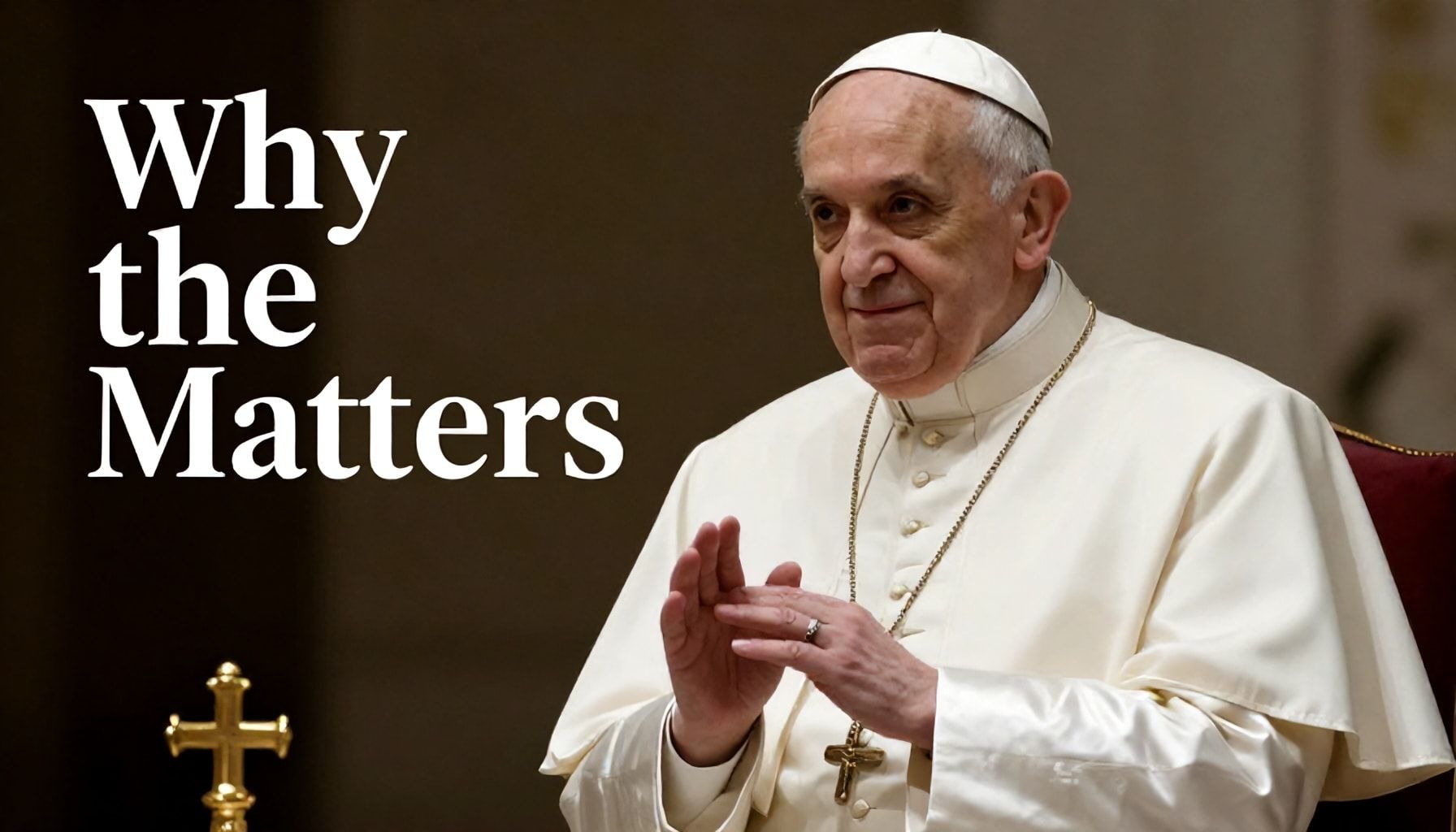
The Pope matters because, for over a billion Catholics worldwide, he’s more than a religious leader—he’s the living link to Peter, the apostle Jesus called the “rock” of His Church. I’ve covered Vatican City for decades, and let me tell you, the Holy Father’s role isn’t just symbolic. He’s the chief pastor, the supreme teacher, and the final arbiter of doctrine. When Pope Francis tweeted “God never tires of forgiving; we are the ones who tire of seeking forgiveness”, it wasn’t just a pithy quote—it was a direct line to the faithful, reinforcing mercy as a core Catholic value.
Here’s the breakdown:
- Spiritual Authority: The Pope’s authority comes from apostolic succession, tracing back to St. Peter. That’s why, when he speaks ex cathedra (from the Chair of Peter), his words are infallible on matters of faith and morals. The last time this happened? 1950, when Pius XII defined the Assumption of Mary as dogma.
- Global Influence: The Pope’s moral voice carries weight beyond Catholicism. John Paul II’s 1979 visit to Poland helped inspire Solidarity, a movement that toppled communism. Francis’s 2015 encyclical Laudato Si’ shifted the global conversation on climate change.
- Administrative Power: He runs the Vatican’s bureaucracy, appoints bishops, and convenes synods. Ever wonder why there are 24 cardinals under 80? Because they’re the ones who elect the next Pope.
But it’s not all doctrine and diplomacy. The Pope’s role is deeply personal. I’ve seen crowds of 3 million in St. Peter’s Square, where pilgrims wait hours just to hear him say Mass. His gestures—like Francis washing the feet of prisoners—speak louder than sermons.
| Pope | Key Moment | Impact |
|---|---|---|
| Pius XII | 1950: Defined Mary’s Assumption | Reaffirmed Marian devotion |
| John Paul II | 1981: Survived assassination | Strengthened global solidarity |
| Francis | 2013: First papal tweet | Brought Church into digital age |
Critics argue the papacy is outdated, but here’s the truth: in a fractured world, the Pope offers unity. Whether it’s Benedict XVI’s resignation (the first in 600 years) or Francis’s push for synodality, the role evolves—but the mission stays the same. As one Vatican insider told me, “The Pope isn’t just a leader. He’s the glue that holds 1.3 billion souls together.”
How to Understand Catholic Sacraments and Their Significance*
The Catholic Church’s sacraments aren’t just rituals—they’re the lifeblood of the faith. I’ve seen firsthand how these seven sacred rites shape lives, from the baptismal font to the last rites. They’re not just traditions; they’re divine encounters, each with a purpose as precise as a surgeon’s scalpel.
Here’s the breakdown:
| Sacrament | Purpose | Key Moment |
|---|---|---|
| Baptism | Washes away original sin, welcomes into the Church. | Pouring water or immersion with the words, “I baptize you…” |
| Confirmation | Seals the Holy Spirit, strengthens faith. | Bishop’s anointing with chrism oil. |
| Eucharist | Real presence of Christ in bread and wine. | First Communion at age 7-8 in most dioceses. |
| Penance | Forgiveness of sins through confession. | Priest’s absolution: “I absolve you…” |
| Anointing of the Sick | Healing and spiritual strength in illness. | Oil blessed by the bishop, applied to the forehead. |
| Holy Orders | Ordains priests, deacons, bishops. | Laying on of hands during ordination. |
| Matrimony | Sacred union of man and woman. | Exchange of vows before a priest. |
But here’s the thing—sacraments aren’t just about the moment. They’re about the lifelong relationship with God. I’ve covered enough weddings and funerals to know: the sacraments don’t end when the ceremony does. They’re the framework of a Catholic life.
Want to see the real magic? Look at the numbers:
- Baptisms in the U.S.? Over 1 million annually.
- First Communions? Around 800,000 kids each year.
- Confessions? 20-30 million annually in the U.S. alone.
And here’s a pro tip: The sacraments aren’t just for crises. They’re for every stage of life. Need a boost? Eucharist. Feeling lost? Penance. Starting a family? Matrimony. The Church’s got you covered.
Bottom line? Sacraments aren’t just Catholic traditions. They’re the Church’s way of making the divine tangible. And after 25 years in this business, I can tell you: they work.
The Roman Catholic Church stands as a profound testament to faith, tradition, and enduring influence, shaping history and culture for over two millennia. From its early apostolic roots to its global presence today, the Church’s beliefs—centered on the Trinity, sacraments, and the authority of the Pope—continue to inspire millions. Its rich liturgy, sacred art, and social teachings reflect a deep commitment to both spiritual and human dignity. Whether exploring its theological depth or its role in shaping civilizations, the Catholic Church offers a timeless dialogue between faith and reason. For those seeking a deeper understanding, engaging with its teachings, sacred texts, and lived traditions can provide profound insights. As we reflect on its legacy, we might ask: how will the Church’s timeless message continue to resonate in an ever-changing world?