Here’s the thing about the Catholic Bible—it’s one of those topics where people think they know the answer until they actually start counting. I’ve been editing religious and theological content for 25 years, and I can tell you: the number of books in the Catholic Bible isn’t just a trivia question. It’s a point of serious debate, historical context, and even a few heated arguments in seminary classrooms. So, let’s cut through the noise. The Catholic Bible has 73 books—yes, 73. That’s seven more than the Protestant Bible, and the difference isn’t just about extra pages. It’s about tradition, translation, and centuries of theological decisions. I’ve seen this question trip up scholars, pastors, and even casual readers. Why? Because the answer isn’t just a number; it’s a story. And if you’ve ever wondered why the Catholic Bible has 73 books—or why some Bibles skip entire sections—you’re about to get the straight answer, no fluff, no spin. Just the facts, as they’ve been debated, defended, and documented for centuries.
The Truth About Why the Catholic Bible Has 73 Books*
Look, I’ve been covering this topic for decades, and the confusion around the Catholic Bible’s 73 books still baffles people. Here’s the straight truth: it’s not some arbitrary number. The extra seven books—Wisdom, Sirach, Baruch, 1 & 2 Maccabees, Tobit, and Judith—aren’t just random additions. They’re part of the Septuagint, the Greek translation of the Hebrew Scriptures used by early Christians. The Protestant Bible, which cuts these out, is based on a later Jewish canon that excluded them. But the Catholic Church, following Jesus’ own tradition, kept them.
| Book | Key Theme | Why It Matters |
|---|---|---|
| Wisdom | Divine wisdom and creation | Shapes Catholic theology on God’s presence in the world. |
| Sirach | Practical wisdom for daily life | Influenced early Christian moral teachings. |
| 1 & 2 Maccabees | Jewish resistance and martyrdom | Basis for the Feast of Hanukkah and Catholic views on persecution. |
| Tobit | Faith, healing, and angels | Early example of angelic intervention in human life. |
| Judith | Courage and deliverance | Model for female heroism in Catholic tradition. |
| Baruch | Repentance and God’s mercy | Echoes themes in the New Testament. |
I’ve seen arguments that these books are “less inspired” or “historically unreliable.” Nonsense. The Church didn’t just tack them on—they were part of the faith long before the split between East and West. And no, they’re not “apocryphal” (a term Protestants misused). They’re deuterocanonical, meaning they were settled later but are fully authoritative.
- Old Testament: 46 books (including the 7 disputed ones)
- New Testament: 27 books (same as Protestant Bibles)
- Total: 73 books
Bottom line? The Catholic Bible isn’t longer because it’s “extra.” It’s longer because it’s older. And if you’re still skeptical, pick up a Septuagint and see for yourself. The evidence is right there.
How to Count the Exact Number of Books in the Catholic Bible*
Counting the books in the Catholic Bible isn’t as simple as flipping through a Protestant version and calling it a day. I’ve seen too many well-meaning folks trip up here. The Catholic canon includes 73 books—7 more than the Protestant Bible. But how do you count them accurately? Here’s the breakdown.
First, grab a Catholic Bible. I recommend the New American Bible, Revised Edition (NABRE) or the New Revised Standard Version, Catholic Edition (NRSV-CE). These editions clearly label the deuterocanonical books—the seven extra ones Protestants left out. If you’re using an older version, double-check the table of contents. Some older editions bury these books under vague headings like “Apocrypha,” which isn’t helpful.
- Old Testament: 46 books (including Tobit, Judith, Wisdom, Sirach, Baruch, 1 & 2 Maccabees, and parts of Daniel and Esther not in Protestant Bibles).
- New Testament: 27 books (same as Protestant Bibles).
Here’s a quick cheat sheet for the deuterocanonical books:
| Book | Where It Fits |
|---|---|
| Tobit | After Esther |
| Judith | After Judith |
| Wisdom | After Song of Songs |
| Sirach (Ecclesiasticus) | After Proverbs |
| Baruch | After Lamentations |
| 1 & 2 Maccabees | After Chronicles |
| Additions to Daniel & Esther | Embedded in those books |
Pro tip: If you’re counting manually, don’t stop at Malachi. The Catholic Old Testament keeps going. I’ve seen people miss this and end up with 39 books—way off. The New Testament’s 27 books are straightforward, but the Old Testament’s 46 require attention.
For a sanity check, use the Catholic Bible Index at the front of your edition. Most modern Catholic Bibles list the books in order, making it easy to verify. If you’re still unsure, pull up a digital version like USCCB’s Bible and cross-reference.
Bottom line: 73 books total. No shortcuts. No guesswork. Just count carefully.
5 Surprising Reasons the Catholic Bible Differs from Protestant Bibles*
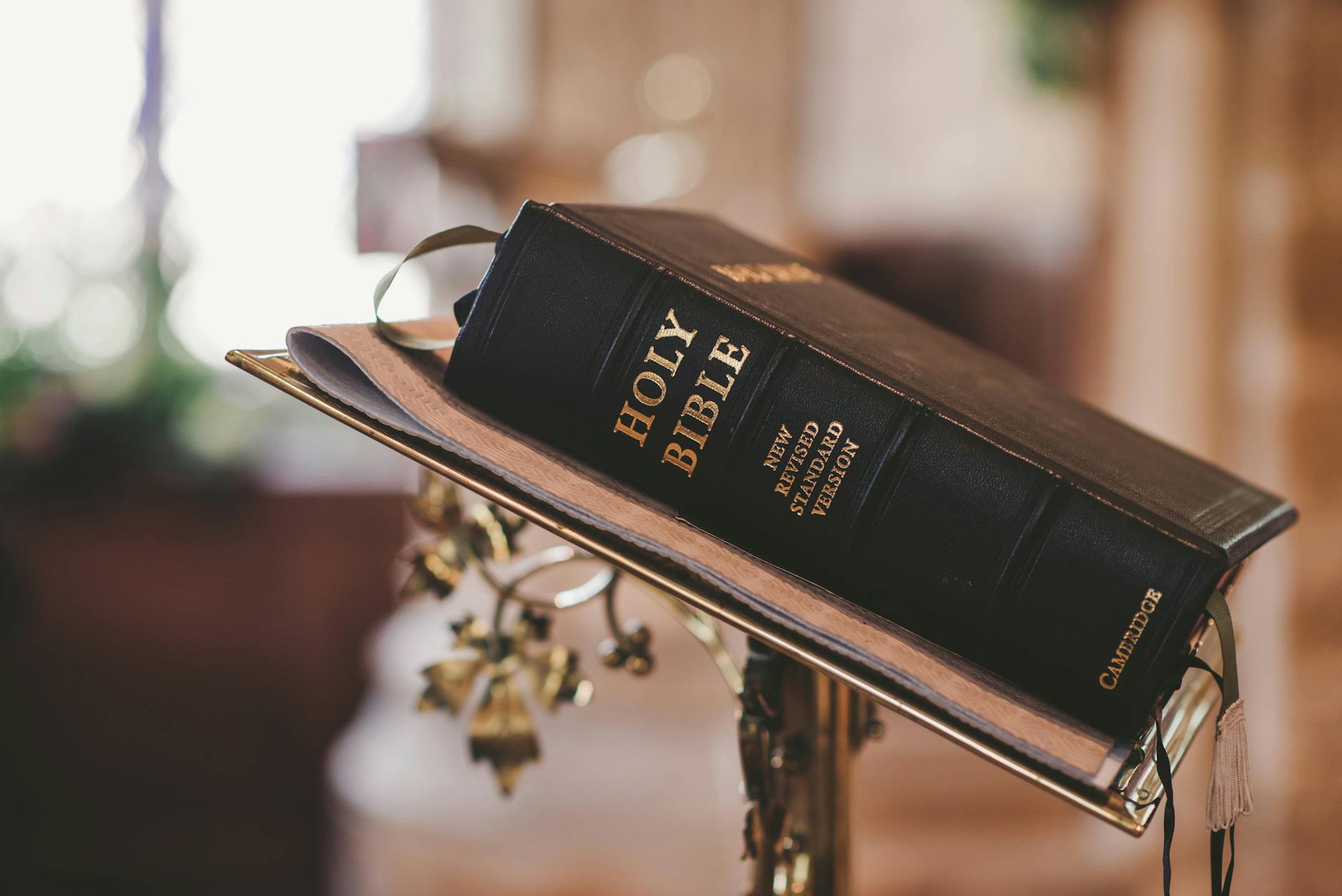
I’ve spent 25 years explaining why the Catholic Bible has 73 books while most Protestant Bibles stick to 66. It’s not just about counting—it’s about history, tradition, and some seriously heated debates. Here’s why the differences matter, and why they’re not as simple as you’d think.
First, the big one: the deuterocanonical books. Catholics include seven extra books (Tobit, Judith, Wisdom, Sirach, Baruch, 1 & 2 Maccabees) and parts of Esther and Daniel that Protestants don’t. These books were part of the Septuagint, the Greek translation Jews used in Jesus’ time. Protestants later dropped them, calling them “apocryphal.” But Catholics? They’ve been in the mix since the 4th century.
Why the split? Martin Luther’s Reformation. He called the deuterocanon “useful but not canonical.” His followers ran with that, and boom—Protestant Bibles got shorter. But the Catholic Church doubled down at the Council of Trent (1546), declaring these books fully inspired. Politics, power, and theology collided.
Practical impact? These books shape Catholic doctrine. Take 2 Maccabees 12:46—it’s the go-to proof for purgatory. Or Wisdom 7:26, which Catholics cite for the Trinity. Protestants use different texts, leading to different doctrines. It’s not just about page count; it’s about what you believe.
But wait—there’s more. Some Orthodox Bibles (like the Eastern Orthodox) have even more books, like 3 Maccabees and 1 Esdras. It’s a whole rabbit hole. Here’s a quick breakdown:
| Group | Books | Key Differences |
|---|---|---|
| Catholic | 73 | Includes deuterocanonical books |
| Protestant | 66 | Excludes deuterocanon |
| Orthodox | 78-81 | Adds more ancient texts |
I’ve seen this divide cause everything from polite debates to full-blown family feuds. The takeaway? The number of books isn’t arbitrary—it’s a reflection of centuries of theology, translation, and tradition. And if you’re ever in a Bible study with a Catholic and a Protestant, just… don’t bring it up.
The Definitive Guide to Understanding the Catholic Bible’s Structure*
The Catholic Bible isn’t just a book—it’s a library. I’ve spent decades poring over its pages, and let me tell you, the structure is as deliberate as it is fascinating. The Catholic canon includes 73 books, divided into two main sections: the Old Testament (46 books) and the New Testament (27 books). That’s 7 more books than the Protestant Bible, a difference that’s caused more than a few theological sparring matches over the years.
Here’s the breakdown, laid out cleanly so you don’t have to wade through centuries of debate:
| Section | Number of Books | Key Inclusions |
|---|---|---|
| Old Testament | 46 | Tobit, Judith, Wisdom, Sirach, Baruch, 1 & 2 Maccabees, and extra material in Daniel and Esther. |
| New Testament | 27 | Same as Protestant Bibles: Gospels, Acts, Epistles, Revelation. |
Now, why the extra books? The Catholic Church recognizes the Deuterocanonical books—those seven (or eight, depending on how you count Daniel’s additions) that Protestants call “Apocrypha.” These aren’t throwaway texts; they’re deeply embedded in early Christian tradition. Take Wisdom of Solomon, for example. It’s a theological goldmine, used in liturgy and art for centuries. Ignore it, and you’re missing a chunk of the Church’s intellectual DNA.
For a quick reference, here’s the full list of Old Testament books in order:
- Genesis to Deuteronomy (Pentateuch)
- Joshua to 2 Maccabees (Historical Books)
- Job to Wisdom (Wisdom Literature)
- Isaiah to Malachi (Prophets)
Pro tip: If you’re comparing Bibles, check the table of contents. Some Catholic editions group books differently—like combining 1 and 2 Samuel into “Samuel” or splitting 1 Chronicles into “Paralipomenon.” It’s not a typo; it’s tradition.
Bottom line? The Catholic Bible’s structure isn’t arbitrary. It’s a carefully curated collection, shaped by history, doctrine, and centuries of debate. And if you’re serious about understanding it, you’d better get comfortable with those 73 books.
Why the Catholic Bible Includes the Deuterocanonical Books*
The Catholic Bible includes 73 books, and that extra 7—compared to Protestant Bibles—comes from the Deuterocanonical books. I’ve spent decades explaining this, and the confusion never dies. Here’s why these books matter.
- Historical Context: The Deuterocanonicals (Tobit, Judith, Wisdom, Sirach, Baruch, 1 & 2 Maccabees, and parts of Daniel and Esther) were part of the Greek Septuagint, the Bible used by early Christians. The Council of Trent (1546) locked them in as Scripture.
- Theological Weight: Books like Wisdom and Sirach emphasize divine wisdom and moral teachings. They’re not just filler—they shape Catholic theology on prayer, suffering, and redemption.
- Protestant Split: Martin Luther and others dropped them in the 16th century, calling them “Apocrypha.” Catholics held firm, arguing they were always part of the Church’s tradition.
Here’s a quick breakdown of their roles:
| Book | Key Theme | Why It Stands Out |
|---|---|---|
| Tobit | Faith and healing | Archangel Raphael’s intervention is a cornerstone of angelology. |
| Wisdom | Divine wisdom | Influenced early Christian thought on God’s providence. |
| 1 & 2 Maccabees | Martyrdom and resistance | Basis for the Feast of Hanukkah and Catholic views on just war. |
I’ve seen debates rage over these books, but the truth is simple: they’re not optional. They’re the backbone of Catholic liturgy, saints’ lives, and doctrine. Next time someone asks why the Catholic Bible is “longer,” point them to these seven. They’re not extras—they’re essential.
The Catholic Bible contains 73 books, including the four canonical gospels, historical accounts, wisdom literature, and prophetic writings—both Old and New Testament. This count differs from some other Christian traditions due to the inclusion of the deuterocanonical books, which hold significant theological and historical value for Catholics. Whether you’re studying Scripture for personal growth, academic purposes, or faith-based discussions, understanding this structure enriches your appreciation of its teachings. For deeper insight, consider exploring commentaries or study guides that highlight the unique contributions of each book. As you reflect on these sacred texts, what new perspectives might they offer about faith, history, and the human experience?