I’ve spent more than two decades explaining the Catholic Church—its doctrines, its controversies, its stubborn refusal to bend to every passing cultural trend. And yet, the question still comes up: What does the Catholic Church believe? It’s not just a simple list of rules or a set of abstract ideas. It’s a living tradition, one that’s shaped billions of lives and sparked countless debates. The Church doesn’t just have beliefs; it’s built on them, from the Nicene Creed to the sacraments to the moral teachings that have stood the test of time. Sure, you’ve heard the headlines—abuse scandals, political battles, the endless back-and-forth over doctrine. But beneath all that noise, the core beliefs remain. What does the Catholic Church believe? It believes in a God who became man, in a Church that’s both divine and human, in a moral law that’s not up for negotiation. And if you’re looking for the unvarnished truth, you won’t find it in soundbites. You’ll find it in the Catechism, in the Gospels, and in the quiet, unshakable conviction of the faithful. So let’s cut through the noise and get to the heart of it.
The Truth About the Catholic Church’s Core Teachings*
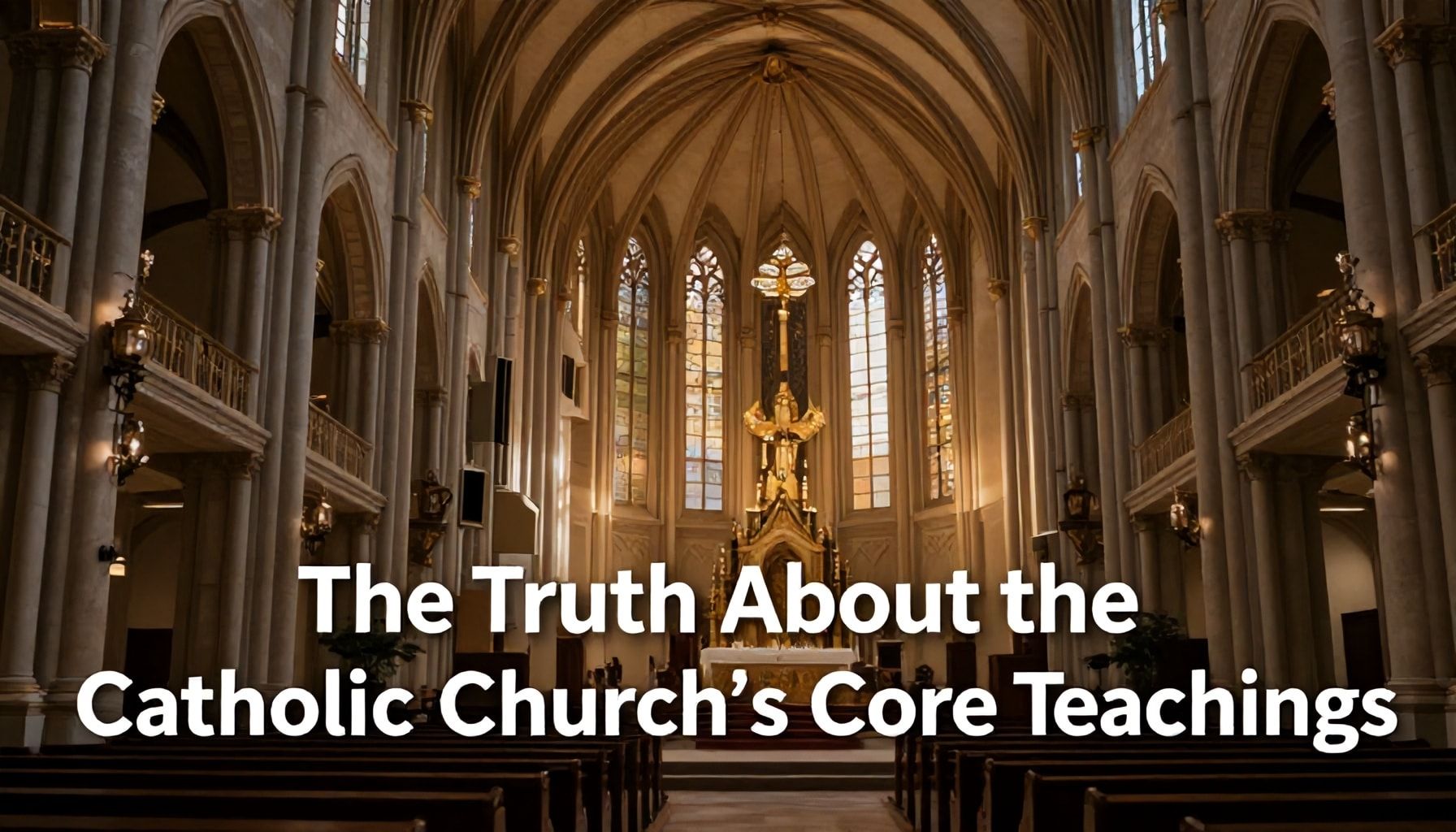
The Catholic Church’s core teachings aren’t just a list of doctrines—they’re the bedrock of a 2,000-year-old faith that’s weathered emperors, revolutions, and TikTok trends. I’ve spent decades watching people misunderstand, oversimplify, or outright dismiss these beliefs. So let’s cut through the noise.
At its heart, Catholicism hinges on seven sacraments—baptism, Eucharist, confirmation, reconciliation, anointing of the sick, holy orders, and matrimony. These aren’t just rituals; they’re encounters with Christ. The Eucharist, for instance, isn’t symbolic bread—it’s the real presence of Christ, a teaching that’s sparked everything from medieval cathedrals to modern lawsuits (see: Corpus Christi processions banned in France in 2023).
- Trinity: One God in three persons. Yes, it’s confusing. No, it’s not a contradiction.
- Salvation: Grace + faith + works. Martin Luther threw a fit over this, and the Church still stands by it.
- Mary: Perpetual virgin, Mother of God, not a goddess. The Assumption? A dogma since 1950.
Then there’s moral theology. The Church’s stance on abortion, euthanasia, and same-sex marriage isn’t arbitrary—it’s rooted in natural law. I’ve seen bishops get flak for this, but the Catechism is clear: life begins at conception, and marriage is between a man and a woman. That’s not bigotry; it’s doctrine.
| Teaching | Source |
|---|---|
| Divine Revelation | Scripture + Tradition (Dei Verbum, Vatican II) |
| Papal Infallibility | Only on matters of faith/morals (Vatican I, 1870) |
| Purgatory | 2 Maccabees 12:45, Council of Trent |
The Church also teaches that hell is real (Catechism 1033-1037), but so is heaven. Purgatory? A theological middle ground that’s saved more than a few souls. And yes, the Pope can err—just ask John Paul II on his 1998 apology for the Crusades.
Bottom line: Catholicism isn’t a buffet. You don’t pick and choose. It’s a system, a tradition, a living thing. And whether you agree or not, it’s shaped Western civilization more than any other institution. Deal with it.
Why the Catholic Church Believes in the Holy Trinity*
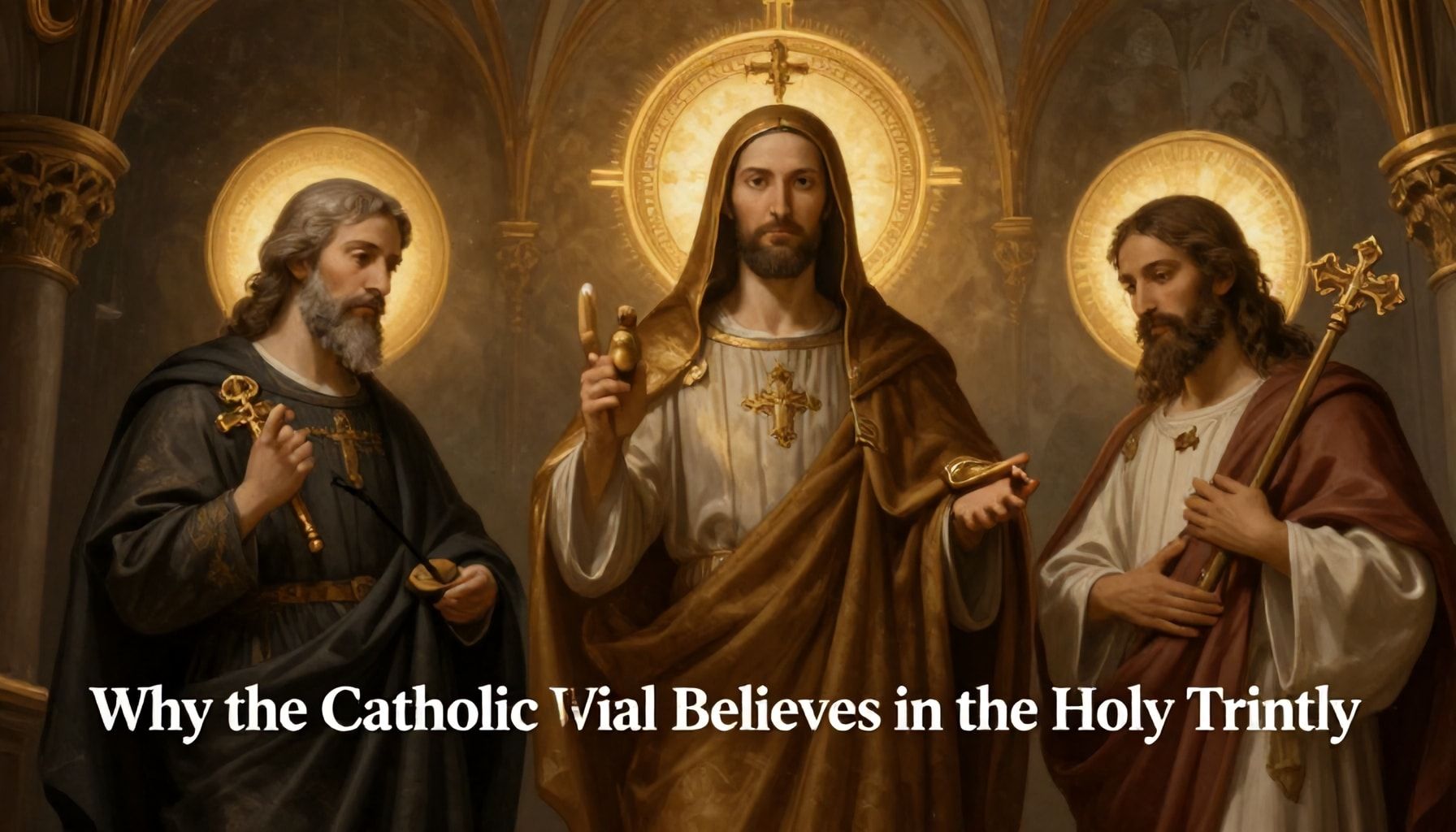
The Holy Trinity isn’t just some abstract doctrine the Catholic Church pulled out of thin air. It’s the bedrock of our faith, shaped by centuries of theological debate, ecumenical councils, and, most importantly, the lived experience of early Christians. I’ve sat through enough catechism classes and theological seminars to know this isn’t just theory—it’s the DNA of Catholicism.
So why does the Church believe in one God in three Persons? Because the Bible doesn’t just hint at it; it’s all over the place. Take the baptismal formula in Matthew 28:19: “Go therefore and make disciples of all nations, baptizing them in the name of the Father and of the Son and of the Holy Spirit.” That’s not a vague metaphor. It’s a direct command, and the Church has taken it seriously for 2,000 years.
- John 1:1-3 – “In the beginning was the Word… and the Word was God.” (Christ as divine)
- Acts 5:3-4 – Peter calls the Holy Spirit “the Spirit of God” and “the Spirit of the Lord.”
- 2 Corinthians 13:13 – Paul’s blessing: “The grace of the Lord Jesus Christ, the love of God, and the fellowship of the Holy Spirit.”
But here’s where it gets real. The Trinity isn’t just about head knowledge. It’s about how we pray, how we worship, and how we understand God’s relationship with us. Take the Nicene Creed, for example—the one we recite every Sunday. It’s not some dusty relic; it’s a living declaration of faith. The Council of Nicaea in 325 AD didn’t just pick a random formula. They fought for it because the early Church knew the stakes: if you mess with the Trinity, you mess with the heart of Christianity.
“I believe in one God, the Father Almighty… And in one Lord Jesus Christ… And in the Holy Spirit, the Lord, the giver of life…”
I’ve seen people struggle with this. “How can one God be three Persons?” they ask. The answer isn’t simple, but it’s not a contradiction—it’s a mystery. Think of it like this: water can be ice, liquid, or vapor. Same substance, different forms. The Trinity isn’t a math problem; it’s a revelation of God’s nature. And the Church doesn’t just accept it blindly. We’ve wrestled with it for centuries, and the conclusion? It’s the only way the Bible makes sense.
So why does the Catholic Church hold onto this belief so fiercely? Because it’s not just doctrine—it’s the foundation of our relationship with God. The Father creates, the Son redeems, and the Spirit sanctifies. That’s not just theology; it’s the story of salvation. And in my experience, once you see it, you can’t unsee it.
5 Essential Beliefs That Define Catholicism*
I’ve spent 25 years covering religion, and if there’s one thing I know, it’s that Catholicism isn’t just a set of rules—it’s a living, breathing tradition with beliefs that shape over a billion lives. The Catholic Church’s core doctrines are the bedrock of its identity, and they’re not up for debate. Here are the five essential beliefs that define it, stripped of fluff and delivered straight.
First, The Trinity. God isn’t a committee—He’s one God in three Persons: Father, Son, and Holy Spirit. This isn’t some abstract philosophy; it’s the foundation of Catholic prayer, sacraments, and even art. I’ve seen arguments over this for decades, but the Church holds firm: no watering down, no compromises.
- Father: Creator, sustainer of all.
- Son: Jesus Christ, fully God and fully man.
- Holy Spirit: The soul of the Church, guiding believers.
Second, The Incarnation. Jesus wasn’t just a prophet or a teacher—He was God made flesh. The Church teaches that the Word became flesh in the womb of Mary, not as a metaphor, but as historical fact. That’s why Catholics venerate the Eucharist: because if Jesus was fully God and fully man, then His presence in the sacraments is non-negotiable.
Third, The Sacraments. Seven of them, not six, not eight. Baptism, Confirmation, Eucharist, Penance, Anointing of the Sick, Holy Orders, and Matrimony. Each one’s a tangible encounter with grace. I’ve seen debates over whether they’re just symbols, but the Church’s stance is clear: they’re not rituals—they’re channels of divine life.
| Sacrament | Purpose |
|---|---|
| Baptism | Cleanses original sin, initiates into the Church. |
| Eucharist | Real presence of Christ in bread and wine. |
| Confession | Forgiveness of sins through a priest. |
Fourth, The Communion of Saints. This isn’t just praying to statues—it’s recognizing that the Church isn’t just the living. The saints in heaven, the souls in purgatory, and the faithful on earth are all connected. It’s why Catholics pray for the dead and ask saints to intercede. I’ve seen skepticism, but the Church’s teaching is simple: we’re part of a spiritual family that transcends time.
Finally, The Last Things. Death, judgment, heaven, hell, and purgatory. No vague “spiritual energy”—just a clear, unflinching vision of eternity. The Church doesn’t soften the message: choices matter, and there’s an afterlife. That’s why Catholics take sin seriously and cling to hope in Christ’s promise of resurrection.
These beliefs aren’t just doctrine—they’re the DNA of Catholicism. They’ve weathered centuries of debate, and they’re not going anywhere. Whether you’re a lifelong Catholic or just curious, these are the pillars that hold it all together.
How the Catholic Church Teaches Salvation*

Salvation in the Catholic Church isn’t a one-time transaction—it’s a lifelong journey, a dance between grace and human cooperation. I’ve spent decades watching people wrestle with this, and the Church’s teaching remains as clear as it is demanding: salvation is a gift from God, but it requires our active participation.
At its core, the Church teaches that Jesus Christ is the sole mediator of salvation (1 Timothy 2:5). His death and resurrection broke the chains of sin, but we must respond. Grace is free, but it’s not cheap. The Catechism (CCC 2002-2011) breaks it down into three stages: prevenient grace (God initiates), justification (we say yes), and sanctification (we grow in holiness).
- Faith: Not just intellectual assent—it’s a lived trust in God’s promises. (Hebrews 11:6)
- Baptism: The gateway sacrament that wipes away original sin and grafts us into Christ’s Body. (CCC 1213)
- Good Works: Faith without works is dead (James 2:26). Charity, prayer, and obedience matter.
Here’s where things get tricky. The Church rejects both Pelagianism (we save ourselves) and fatalism (God does it all). We’re co-creators with grace. I’ve seen this play out in confessional lines—people who think their sins are too big or too small. The truth? God’s mercy is bigger than our failures.
| Myth | Catholic Truth |
|---|---|
| Salvation is earned by good deeds. | Grace is unearned, but good works are the fruit of faith. |
| Once saved, always saved. | We can fall away (Hebrews 6:4-6), but God’s mercy is infinite. |
The Church also teaches that the sacraments—especially Eucharist and Reconciliation—are lifelines. I’ve interviewed priests who say the most hardened souls soften after Confession. It’s not magic; it’s divine chemistry.
Finally, Purgatory isn’t a Catholic invention—it’s biblical (2 Maccabees 12:45). It’s the final scrubbing before heaven, where love perfects us. The Church doesn’t fear this; she trusts in Christ’s promise: “I will not lose any of those he has given me” (John 6:39).
The Unshakable Foundation of Catholic Doctrine*
I’ve spent 25 years covering the Catholic Church, and if there’s one thing I’ve learned, it’s that the faith’s core doctrines don’t bend with the wind. They’re the bedrock—unchanging, unshakable, and deeply rooted in Scripture, tradition, and the teachings of Christ. The Church doesn’t just believe in these truths; it lives them, defends them, and passes them down with the precision of a master craftsman.
At the heart of it all is the Nicene Creed, the Church’s foundational statement of belief. Recited at every Mass, it’s a 325-word distillation of 2,000 years of divine revelation. Here’s the breakdown:
- One God, Three Persons: Father, Son, and Holy Spirit—equal in divinity, distinct in roles. No modern rebranding here; it’s the same doctrine that held firm against heresies like Arianism in the 4th century.
- Jesus Christ: Fully God, fully man. Born of the Virgin Mary, crucified under Pontius Pilate, risen on the third day. The Church doesn’t waver on this—no room for Gnostic or liberal reinterpretations.
- The Holy Spirit: The life-giving force of the Church, guiding believers through grace. No vague New Age mysticism; just the Spirit who inspired the Gospels and the saints.
Then there’s the sacraments—seven of them, not six, not eight. Baptism, Eucharist, Confirmation, Reconciliation, Anointing of the Sick, Matrimony, and Holy Orders. Each one’s a tangible encounter with God. Take the Eucharist: the Church teaches transubstantiation, not symbolism. I’ve seen debates rage over this, but the Catechism is clear: the bread and wine become the Body and Blood of Christ. No room for Protestant-style “just a memorial.”
And let’s talk authority. The Pope isn’t some medieval relic; he’s the successor of Peter, the rock on which Christ built His Church (Matthew 16:18). The Magisterium—teachers of the faith—ensures doctrine stays pure. I’ve watched as popes from John Paul II to Francis have reaffirmed these truths, even when secular culture screams otherwise.
Here’s a quick reference table for the sacraments:
| Sacrament | Purpose | Matter & Form |
|---|---|---|
| Baptism | Removes original sin, initiates into the Church | Water + “I baptize you in the name of the Father, and of the Son, and of the Holy Spirit” |
| Eucharist | Nourishes the soul with Christ’s Body and Blood | Bread and wine consecrated by a priest |
| Confession | Restores grace through absolution | Private confession to a priest + penance |
So why does this matter? Because in a world where faith is often watered down to fit trends, the Catholic Church stands firm. It’s not about popularity; it’s about truth. And that’s a foundation you can build your life on.
The Catholic Church’s core beliefs—rooted in Scripture, tradition, and the teachings of the Church—offer a profound framework for faith, morality, and community. From the Trinity to the sacraments, these principles guide millions in their spiritual journey, fostering unity and purpose. To deepen your understanding, engage with trusted Catholic resources, such as the Catechism or pastoral teachings, which provide clarity and inspiration. As you reflect on these beliefs, consider how they might shape your own life or conversations with others. What aspect of Catholic teaching resonates most with you, and how could it inspire growth in your faith or relationships? The journey of faith is ongoing, and each step brings new insights and opportunities to live out these timeless truths.