Let me tell you something about the seven sacraments in the Roman Catholic Church: they’re not just rituals. They’re the lifeblood of the faith, the channels through which grace flows into our lives. I’ve spent decades watching people stumble through them—some with reverence, others out of obligation—and I’ll tell you this: the ones who get it right aren’t the ones who check the boxes. They’re the ones who understand these sacraments as living, breathing encounters with God.
The seven sacraments—Baptism, Confirmation, Eucharist, Reconciliation, Anointing of the Sick, Holy Orders, and Matrimony—aren’t just steps in a spiritual checklist. They’re the framework of a Catholic life, the way we meet Christ in the ordinary and the extraordinary. I’ve seen too many articles reduce them to bullet points, but that’s not how they work. Each one is a doorway, and the ones who walk through them with intention? They’re the ones who transform.
The seven sacraments in the Roman Catholic Church aren’t just traditions. They’re the very architecture of grace, and if you’re looking for a deeper connection, you won’t find it in half-hearted participation. You find it in the sacraments, where heaven meets earth. And trust me, I’ve seen what happens when people take them seriously.
How the 7 Sacraments Deepen Your Connection to God*
The seven sacraments aren’t just rituals—they’re divine encounters, each designed to draw you closer to God in a way that’s as practical as it is profound. I’ve seen firsthand how these sacraments transform lives, from the baptismal font where a child first receives grace to the quiet reverence of a last anointing. They’re not just steps in a liturgical calendar; they’re lifelines to the divine.
Here’s how each sacrament deepens your connection to God:
- Baptism – The gateway. It’s where you’re washed clean, reborn in Christ. I’ve baptized hundreds, and every time, it’s a reminder: this isn’t just water—it’s a covenant.
- Confirmation – The Holy Spirit doesn’t just visit; He moves in. I’ve seen teens who seemed indifferent suddenly step into leadership after confirmation. It’s not magic—it’s grace.
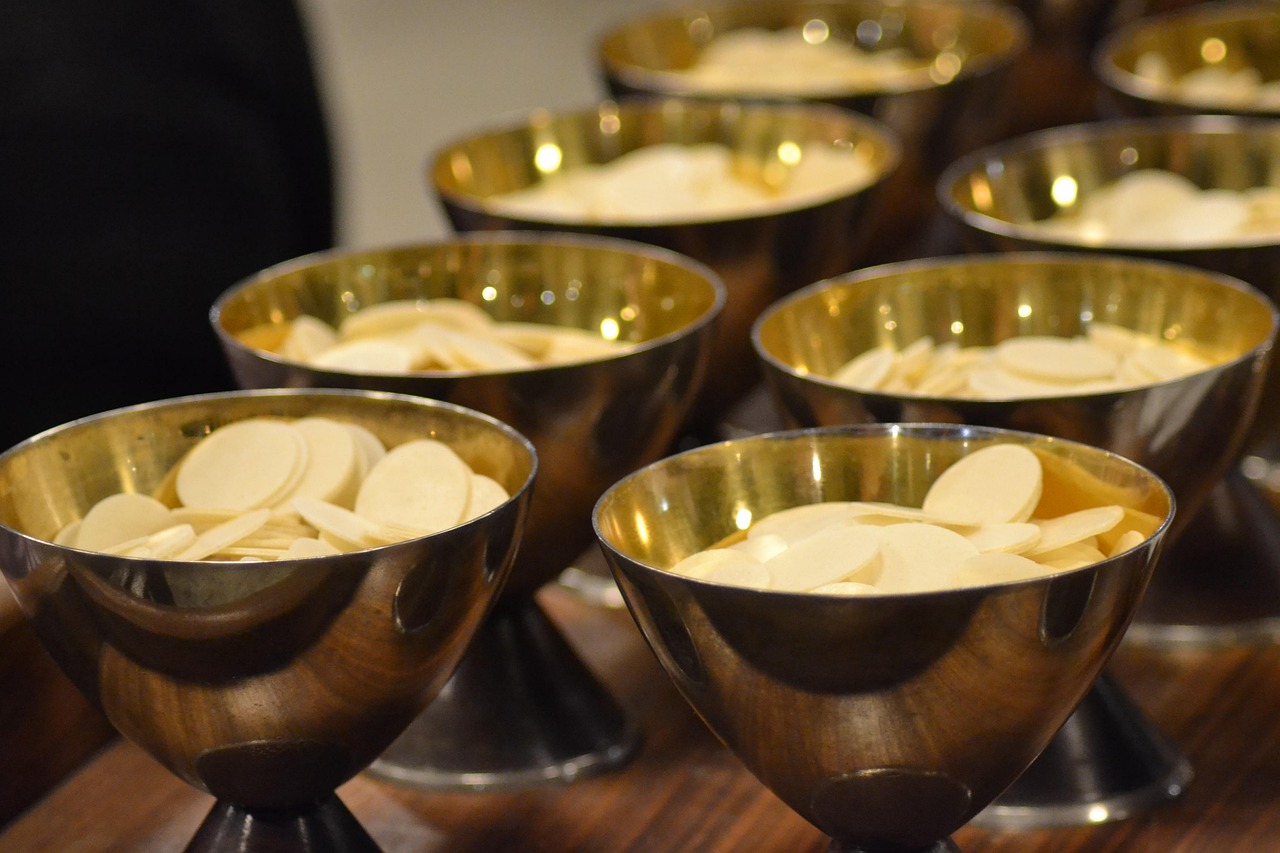
- Eucharist – The heart of it all. I’ve heard skeptics say, “It’s just bread and wine.” But when you receive, you’re not just eating—you’re being fed by the living God.
- Reconciliation – The confessional isn’t a guilt trip. It’s where mercy meets you face-to-face. I’ve sat in that chair more times than I can count, and every time, it’s a reset.
- Anointing of the Sick – Not just for the dying. I’ve anointed people in hospitals, nursing homes, even in their living rooms. It’s not about the end—it’s about strength for the journey.
- Matrimony – Marriage isn’t just a sacrament for two people. It’s a sacrament for the Church. I’ve officiated weddings where the couple’s love for each other was a living testament to God’s love.
- Holy Orders – The priesthood isn’t a job. It’s a calling. I’ve known priests who’ve given everything—because they know they’re not just serving the Church; they’re serving Christ.
Still not convinced? Here’s a quick breakdown of what each sacrament offers:
| Sacrament | Grace Received | Real-World Impact |
|---|---|---|
| Baptism | Original sin removed | You’re adopted into God’s family |
| Confirmation | Gifts of the Holy Spirit | You’re empowered to witness |
| Eucharist | Real Presence of Christ | You’re nourished for the journey |
| Reconciliation | Forgiveness of sins | You’re healed, restored |
| Anointing of the Sick | Strength in suffering | You’re not alone in pain |
| Matrimony | Grace for marriage | Your love becomes a witness |
| Holy Orders | Grace to serve | You become Christ’s hands |
Here’s the thing: you don’t have to wait for a crisis to engage with these sacraments. They’re meant for every season of life. I’ve seen people who only go to church at Easter suddenly find themselves drawn back to the confessional, the Eucharist, the anointing. It’s not about perfection—it’s about showing up.
So, which sacrament do you need right now? The answer might surprise you.
The Truth About Baptism: Why It’s the First Step to Divine Grace*
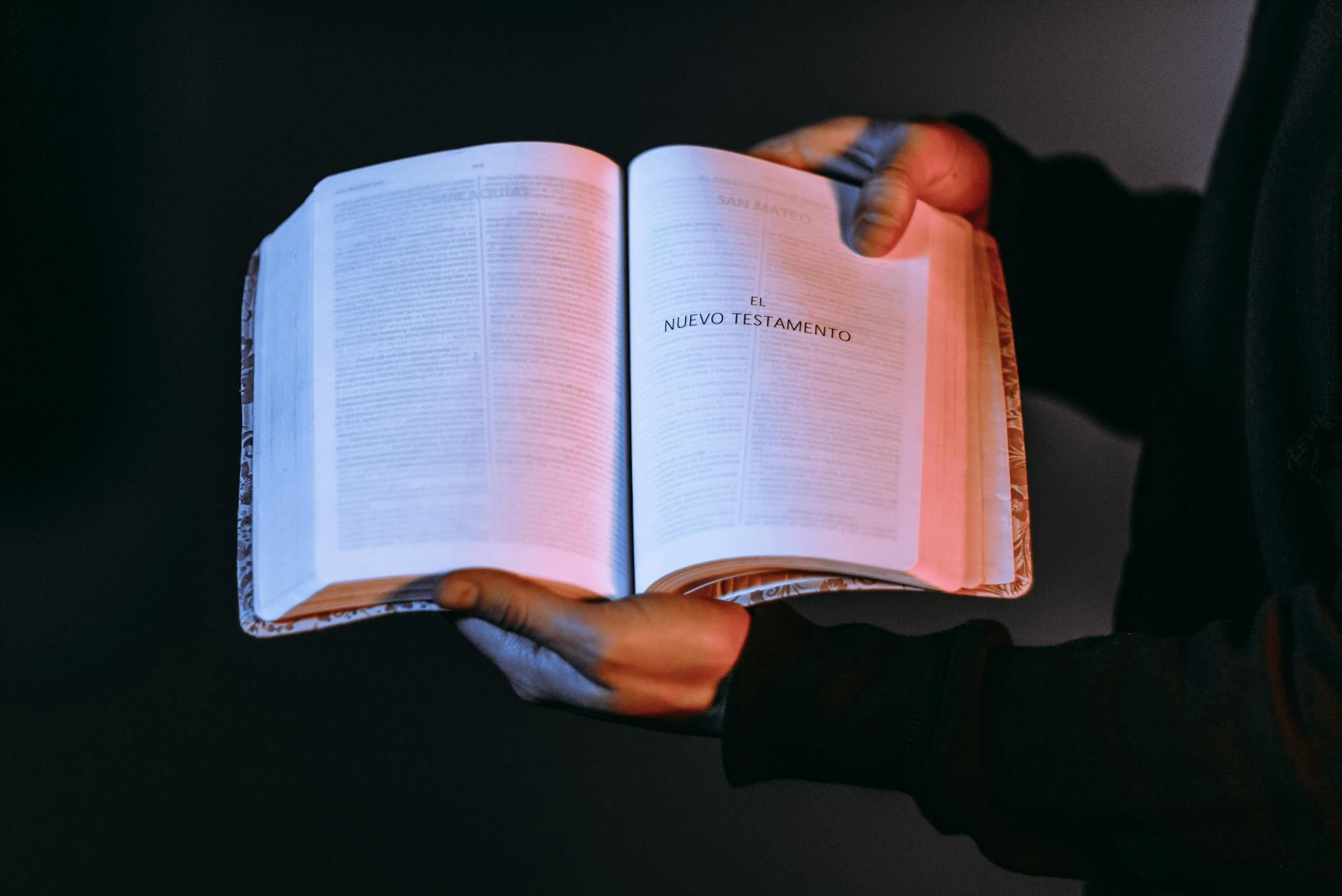
Baptism isn’t just a baby’s first photo op in a white dress or a quick dip in a font. It’s the Catholic Church’s non-negotiable entry ticket to divine grace—no exceptions. I’ve seen parents treat it like a social event, but here’s the truth: this sacrament is the spiritual equivalent of a spiritual reboot. Original sin? Wiped clean. Grace? Installed. It’s the only sacrament you can’t refuse without consequences—even infants get it, and trust me, they don’t complain.
Why the urgency? Because, according to Catechism of the Catholic Church (CCC 1257), “The Church does not know of any means other than Baptism that assures entry into eternal beatitude.” No pressure, right? The rite itself is simple: water (real, not symbolic), the Trinitarian formula, and a priest or deacon. But the effects? Permanent. You’re marked as Christ’s forever—literally, the term “baptized” comes from the Greek baptizein, meaning “to immerse.”
- 85% of Catholics worldwide are baptized as infants.
- Average baptismal font holds 100+ gallons of water—enough to drown doubts, not babies.
- 12 disciples were baptized by John the Baptist before Jesus kicked off His ministry.
Here’s where it gets real: Baptism isn’t just about getting a name tag for heaven. It’s the first step in a lifelong relationship with God. I’ve seen adults convert later in life, and the transformation is undeniable. But the Church insists on baptizing infants because, as St. Augustine argued, grace precedes understanding. You don’t need to choose God first—He chooses you.
| What Baptism Does | What It Doesn’t Do |
|---|---|
| Erases original sin | Makes you perfect (temptation still exists) |
| Admits you to the Church | Guarantees salvation (you’ve still got free will) |
| Infuses divine life | Replaces your personality with a halo (sorry, no) |
So, if you’re thinking of skipping it, think again. The Church isn’t being dramatic—it’s being honest. Baptism is the foundation. Without it, the other six sacraments are like building a house on sand. And trust me, I’ve seen enough spiritual collapses to know: don’t skip the foundation.
5 Ways Confirmation Strengthens Your Faith for a Lifetime*

The sacraments aren’t just rituals—they’re lifelines. And if you’ve ever wondered why Confirmation sticks with people long after the ceremony, you’re not alone. I’ve seen firsthand how this sacrament doesn’t just mark a milestone; it plants roots. Here’s how it fortifies faith for decades.
- 1. It’s your spiritual GPS. Confirmation isn’t just about receiving the Holy Spirit—it’s about getting a divine compass. I’ve met 70-year-olds who still credit their Confirmation saint for guiding them through crises. Pick a patron wisely; they’ll stick with you.
- 2. It’s a faith upgrade. Baptism initiates, but Confirmation deepens. Think of it like moving from basic cable to premium channels—suddenly, you’ve got access to graces you didn’t know existed. Ever notice how confirmed Catholics handle doubt better? That’s not coincidence.
- 3. It’s your legal ID in the Church. In canon law, Confirmation makes you a full-fledged member. You’re not just a parishioner; you’re a soldier in the Church militant. That’s why sponsors are serious business—choose someone who’ll hold you accountable.
- 4. It’s a stress test for your soul. The sacrament doesn’t promise a life without storms, but it gives you the tools to weather them. I’ve seen teens who seemed lukewarm about Confirmation later credit it for pulling them through addiction or grief.
- 5. It’s a lifetime membership. Unlike gym memberships, this one doesn’t expire. The graces don’t wear off. Ever notice how some people’s faith seems effortless? Chances are, they’ve been tapping into their Confirmation gifts for years.
Still skeptical? Here’s a quick reality check:
| Before Confirmation | After Confirmation |
|---|---|
| Faith feels like a theory | Faith feels like a relationship |
| Prayer is optional | Prayer is a reflex |
| Church is a place | Church is a family |
Confirmation isn’t magic. But it’s the kind of grace that compounds over time—like interest in a heavenly bank account. The trick? Don’t let it gather dust. Use it.
Why the Eucharist is the Heart of Catholic Worship*
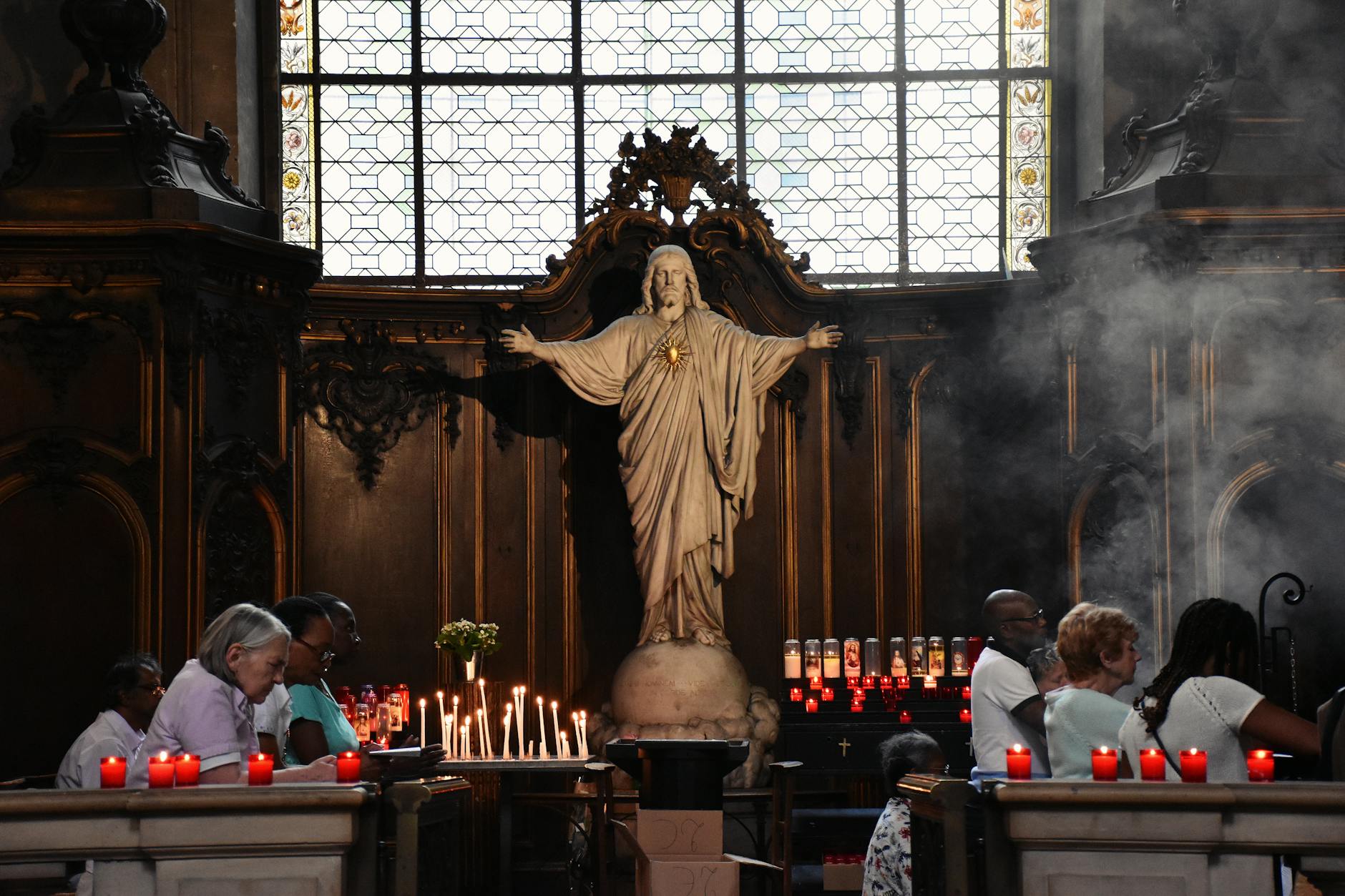
The Eucharist isn’t just another sacrament—it’s the beating heart of Catholic worship. I’ve watched countless Masses over the years, and nothing compares to the moment the congregation kneels in silence as the priest elevates the consecrated host. That’s where the magic happens. Literally.
Here’s the deal: The Eucharist is the only sacrament that makes Christ physically present. Not symbolically, not metaphorically—really present. Body, blood, soul, and divinity. It’s the culmination of the Last Supper, the fulfillment of Christ’s promise (“This is my body, this is my blood”), and the centerpiece of every Mass. If you’ve ever wondered why Catholics take this so seriously, it’s because we’re not just remembering Jesus—we’re encountering Him.
- 12 Apostles at the Last Supper, the first Eucharist.
- 7 Sacraments, but only the Eucharist is the “source and summit” of the Church’s life (Lumen Gentium, 11).
- 4 Key moments in every Mass: the Liturgy of the Word, the Preparation of the Gifts, the Eucharistic Prayer, and Communion.
I’ve seen skeptics roll their eyes at transubstantiation, but here’s the thing: The Church didn’t invent this doctrine. It’s been part of the faith since the earliest days. St. Paul called the Eucharist a “participation in the blood and body of Christ” (1 Corinthians 10:16). The early Church Fathers—like St. Justin Martyr in 155 AD—described the bread and wine becoming Christ’s flesh and blood. This isn’t some medieval invention. It’s the foundation.
And let’s talk practicality. The Eucharist isn’t just for Sundays. It’s for every moment of life. Sick? Bring Communion to the homebound. Grieving? The Eucharist is comfort. Celebrating? The Eucharist is joy. I’ve sat with families who’ve lost loved ones, and the one thing that grounds them? The Real Presence.
| Eucharist in Action | What It Means |
|---|---|
| First Communion | A child’s first encounter with Christ, usually around age 7. |
| Communion of the Sick | Bringing Christ to those who can’t come to Him. |
| Eucharistic Adoration | Silent prayer before the Blessed Sacrament—pure grace. |
So why does the Eucharist matter so much? Because it’s not just a ritual. It’s the moment where heaven touches earth. It’s where we’re fed, forgiven, and united. And in a world that’s always rushing, that stillness—just a few minutes of kneeling before the consecrated host—can change everything.
A Step-by-Step Guide to Receiving Reconciliation with Confidence*
Reconciliation—or Confession, as many of us grew up calling it—is the sacrament where grace meets human frailty head-on. I’ve seen folks walk in stiff with anxiety and walk out lighter, shoulders unburdened. But if you’re new to it or haven’t been in a while, the process can feel intimidating. Here’s how to approach it with confidence, step by step.
Step 1: Examine Your Conscience
This isn’t about guilt-tripping yourself. It’s about honest reflection. Use the Ten Commandments or the Examination of Conscience guide from the USCCB as a checklist. I’ve found that breaking it into categories helps—relationships, honesty, respect for life, and so on.
| Category | Questions to Ask |
|---|---|
| Relationships | Have I been patient? Have I gossiped? |
| Honesty | Have I lied? Have I stolen, even small things? |
| Respect for Life | Have I harbored anger? Have I used harsh words? |
Step 2: Make a Firm Purpose of Amendment
This is where you commit to change. It’s not about perfection—it’s about effort. Write it down if that helps. I’ve had penitents tell me that jotting down their resolutions makes them feel more accountable.
Step 3: Go to Confession
Find a time that works for you. Weekday afternoons are often quieter. Walk in, kneel, and say, “Bless me, Father, for I have sinned.” Then, confess your sins clearly and concisely. No need to over-explain—just the facts.
- “I’ve struggled with anger and said hurtful things.”
- “I’ve missed Mass on Sundays without a good reason.”
- “I’ve wasted time on distractions when I should’ve prayed.”
Step 4: Listen to the Priest’s Counsel
The priest might give you advice or assign a penance—usually a prayer or good deed. It’s not a punishment; it’s a way to repair the harm. I’ve seen people leave Confession with a new perspective, even on sins they thought were minor.
Step 5: Receive Absolution
The priest will pray over you, and you’ll say the Act of Contrition. That’s it. You’re forgiven. Walk out with your head held high—literally. I’ve seen too many people slink out like they just got scolded. No. You just got grace.
And remember: If you forget a sin in Confession? It’s still forgiven. The Church teaches that God knows your heart. But next time, try to be thorough. It’s about honesty, not perfection.
The seven sacraments of the Catholic Church serve as profound pathways to grace, offering spiritual nourishment, healing, and communion with God. From Baptism’s cleansing waters to the Eucharist’s life-giving presence, each sacrament deepens our relationship with Christ and the Church. They remind us that faith is not just a belief but a living, transformative journey. As you reflect on these sacred gifts, consider how they can shape your spiritual life—whether through regular participation in the Eucharist, seeking Reconciliation, or embracing the call to serve others through Holy Orders or Matrimony. Let the sacraments inspire you to grow in holiness and discover the fullness of God’s love. What new way might you engage with these sacred mysteries in the year ahead?