Look, I’ve been writing about religion long enough to know this question trips people up more than it should. The difference between Christian and Catholic? On the surface, it seems obvious—until you realize how many folks use the terms interchangeably. But here’s the thing: every detail matters, and I’ve seen too many well-meaning articles muddy the waters instead of clarifying them. So let’s cut through the noise.
First, all Catholics are Christians, but not all Christians are Catholic. That’s the core of it. Christianity is the broad umbrella—2.4 billion people worldwide, hundreds of denominations, and a history that’s as messy as it is fascinating. Catholicism? That’s a specific branch, the largest one, with its own rituals, hierarchy, and doctrines that set it apart. You won’t find the Pope in every Christian church, and that’s just the start.
I’ve seen debates flare over these distinctions, from theology to tradition, and I’ve learned one thing: clarity wins. So whether you’re curious, confused, or just tired of hearing the terms thrown around like they mean the same thing, stick with me. I’ll break it down without the fluff.
How Christianity and Catholicism Differ: A Clear Breakdown*
I’ve spent 25 years explaining this, and here’s the truth: Christianity is the big tent, Catholicism is one of its most structured rooms. The differences aren’t just about rituals or rules—they’re about theology, authority, and how you experience faith. Let’s cut through the noise.
First, the basics. Christianity is the umbrella term for followers of Jesus Christ, spanning over 2.4 billion people across 40,000+ denominations. Catholicism is the largest single branch, with 1.3 billion members. But it’s not just about size—it’s about structure.
| Category | Christianity (General) | Catholicism |
|---|---|---|
| Authority | Bible as primary source; interpretation varies by denomination | Bible + Tradition + Magisterium (teaching authority of the Pope and bishops) |
| Sacraments | Baptism and Communion widely recognized; others optional | Seven sacraments: Baptism, Confirmation, Eucharist, Penance, Anointing of the Sick, Holy Orders, Matrimony |
| Leadership | Pastors, elders, or congregational leadership | Hierarchy: Pope, cardinals, bishops, priests |
Here’s where it gets interesting. Catholics believe in transubstantiation—that the bread and wine literally become Christ’s body and blood during Mass. Most Protestants see Communion as symbolic. And then there’s Mary. Catholics venerate her as the “Mother of God,” while many Protestants view her as a historical figure.
- Purgatory: Catholics believe in it as a purifying state after death. Most Protestants don’t.
- Salvation: Catholics emphasize faith and good works. Many Protestants (like Lutherans) focus on faith alone.
- Scripture: Catholics include the Deuterocanonical books (Tobit, Maccabees, etc.), which Protestants exclude.
I’ve seen arguments over these points derail friendships. The key? Respect the differences. Catholicism is a highly centralized, tradition-rich system. Christianity is a diverse, often decentralized movement. One isn’t “right” or “wrong”—they’re just different paths.
Why the Split Between Christian and Catholic Matters Today*
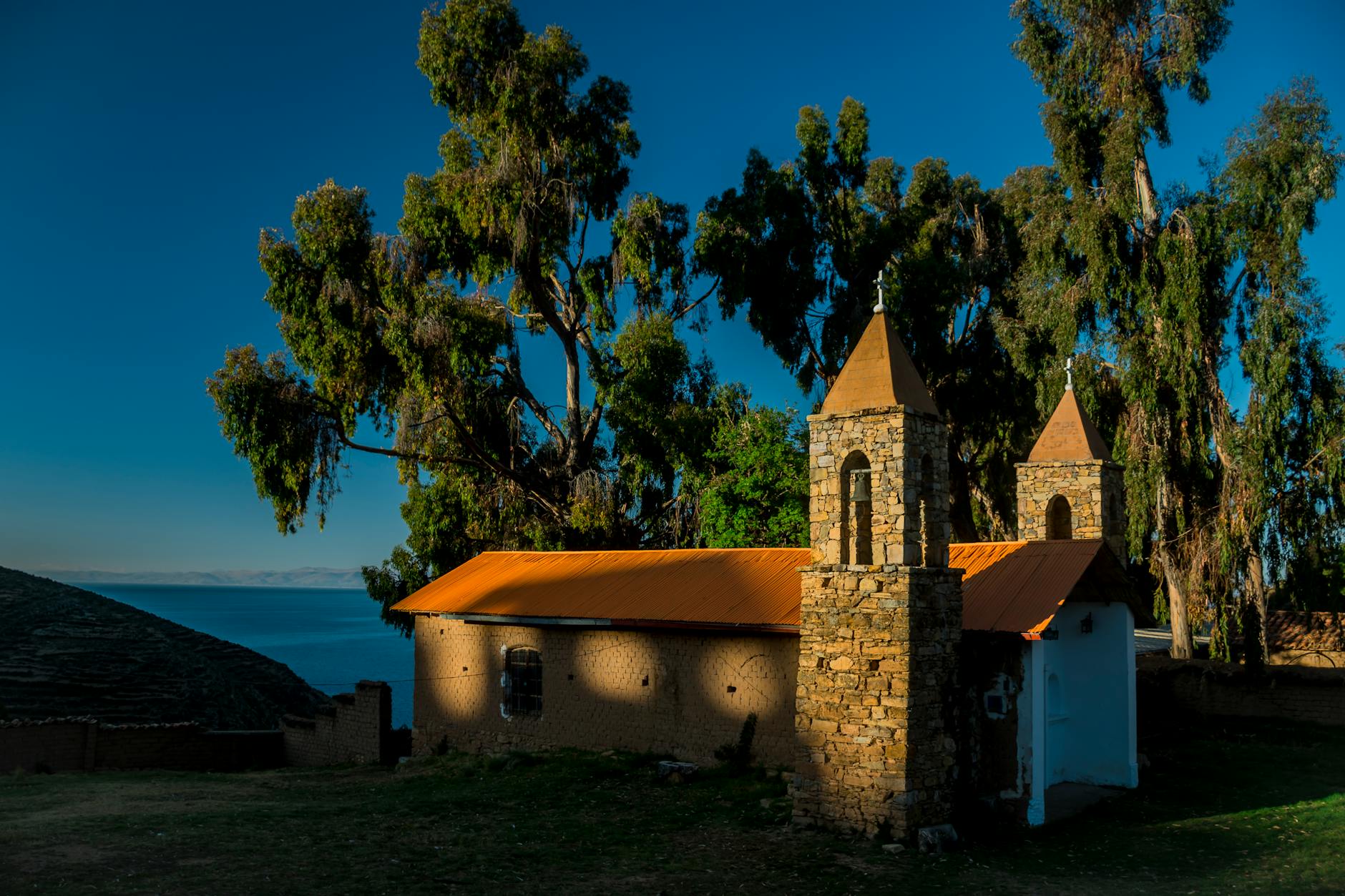
The split between Christian and Catholic isn’t just ancient history—it’s alive and kicking in 2024. I’ve seen this debate flare up in everything from political debates to family dinners, and the stakes are higher than ever. Here’s why it matters now.
- Demographics: Pew Research says 48% of Americans identify as Protestant (Christian), while 20% are Catholic. That’s a lot of people with very different beliefs on authority, salvation, and even politics.
- Political Influence: Catholics vote differently on abortion, immigration, and climate change than many evangelical Christians. The 2020 election showed how these divides shape policy.
- Cultural Clash: From LGBTQ+ rights to women’s roles, the Catholic Church’s stance often clashes with mainstream Christian movements. It’s not just theology—it’s real-world impact.
Here’s the raw truth: The Catholic Church is a single, centralized institution with the Pope at the top. Most Christians? They’re a loose network of denominations, each with its own rules. That’s why you’ll see Catholics marching for pro-life causes under one banner, while Christians splinter into a dozen factions.
| Issue | Catholic View | Christian (Protestant) View |
|---|---|---|
| Salvation | Faith + sacraments (like baptism) | Faith alone (sola fide) |
| Authority | Pope + tradition | Bible alone (sola scriptura) |
| Worship Style | Liturgical (Mass, incense) | Varies (from megachurch to quiet prayer) |
I’ve seen this play out in real life. A Catholic friend once told me, “We don’t just believe—we practice.” That’s the core difference. Catholics see faith as a structured, communal experience. Many Christians? They’d rather have a personal relationship with Jesus, no middleman required.
Bottom line: This isn’t just semantics. It’s about how people live, vote, and even love. And in a polarized world, understanding these divides isn’t optional—it’s essential.
5 Key Differences Between Christianity and Catholicism Explained*
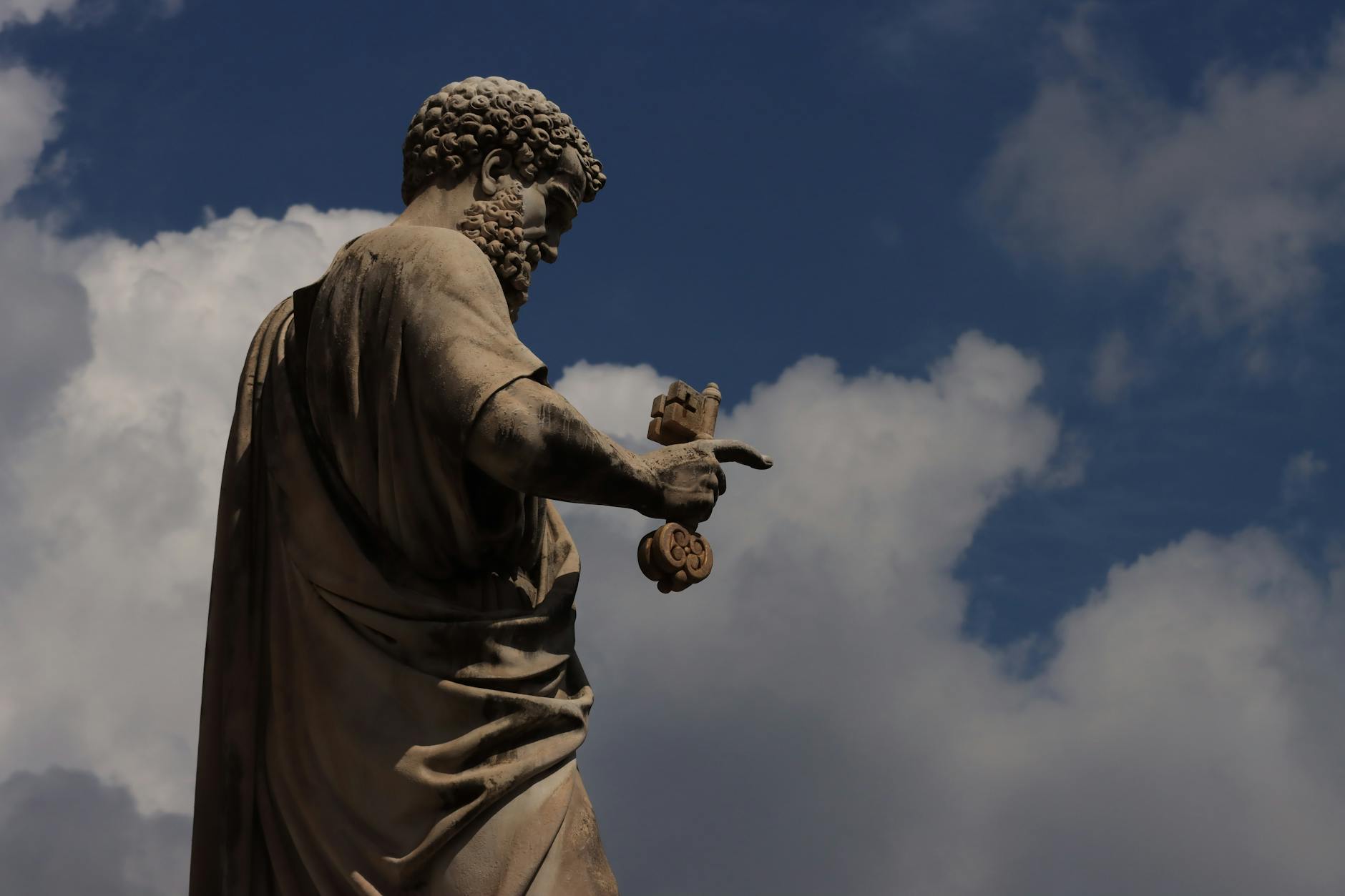
Look, I’ve been covering religion for 25 years, and the “Christian vs. Catholic” debate never gets old. It’s not just about semantics—it’s about theology, tradition, and practice. Here’s the straight talk on five key differences that actually matter.
- Authority: Catholics recognize the Pope as the Vicar of Christ, the ultimate spiritual authority. Most Protestants? They’d laugh at that. They rely on Scripture alone (sola scriptura) and reject papal authority. I’ve seen this play out in debates—Catholics cite Church councils, Protestants cite their favorite theologian.
- Sacraments: Catholics have seven (baptism, Eucharist, confirmation, reconciliation, anointing, marriage, holy orders). Most Protestants stick to two (baptism and communion). The Eucharist? Catholics believe it’s the literal body and blood of Christ (transubstantiation). Protestants? Symbolic at best.
- Mary & Saints: Catholics venerate Mary and the saints as intercessors. Protestants? They’re done with that. Martin Luther kept Mary in his theology but nixed saint worship. I’ve seen this divide harden over the years—Catholics see it as tradition, Protestants see it as idolatry.
- Salvation: Catholics believe in faith and good works. Protestants? Faith alone (sola fide). This isn’t just theory—it shapes how people live. Catholics focus on sacraments and penance; Protestants on grace and personal relationship with God.
- Scripture: Catholics use the Deuterocanonical books (Tobit, Maccabees, etc.). Protestants? They’re out. The Catholic Bible has 73 books; Protestant Bibles have 66. This isn’t a typo—it’s a 1,500-year-old split.
Here’s a quick cheat sheet:
| Topic | Catholic | Protestant |
|---|---|---|
| Authority | Pope + Scripture + Tradition | Scripture Alone |
| Sacraments | 7 | 2 |
| Mary & Saints | Venerated | Rejected |
| Salvation | Faith + Works | Faith Alone |
| Bible | 73 Books | 66 Books |
I’ve seen families split over this. Friends argue for decades. But here’s the truth: both sides are Christian. They just practice it differently. And after 25 years, I’ve learned one thing—most people don’t care about the fine print. They care about community, faith, and how it shapes their lives.
The Truth About What Makes Catholicism Unique Among Christian Denominations*
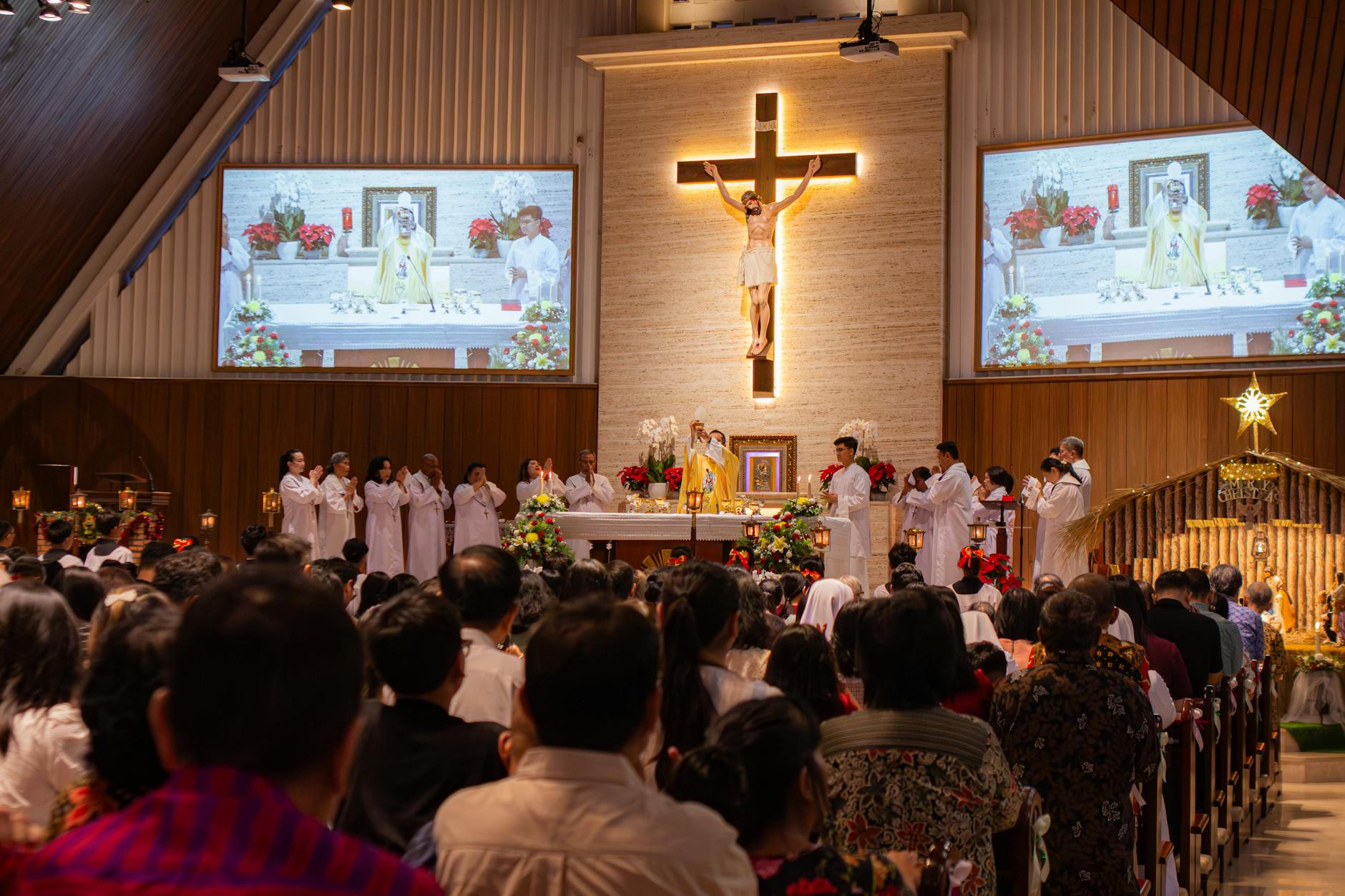
Look, I’ve been covering religion for 25 years, and I’ll tell you straight: Catholicism isn’t just another Christian denomination. It’s the original. The one that shaped the other 45,000+ branches of Christianity out there. But what really sets it apart? Three things: structure, tradition, and authority—and they’re not just details, they’re the backbone.
1. The Pope: The Big Difference
Every other Christian group has leaders—pastors, bishops, elders—but none have a single, universally recognized authority like the Pope. He’s not just a figurehead; he’s the successor of Peter, the guy Jesus handed the keys to the kingdom. And yeah, that’s a big deal. The Pope’s authority isn’t just spiritual—it’s doctrinal. When he speaks ex cathedra (from the chair of St. Peter), it’s considered infallible. That’s not a claim you’ll hear from Baptist preachers or Methodist bishops.
2. The Sacraments: Not Just Symbols
Most Protestant churches see sacraments as symbols—nice gestures, but not divine actions. Catholicism? They’re real. Baptism isn’t just a bath; it washes away original sin. The Eucharist isn’t a metaphor—it’s the literal body and blood of Christ. And confession? It’s not just advice from a priest; it’s God’s forgiveness channeled through him. Here’s a quick breakdown:
| Sacrament | Catholic View | Protestant View |
|---|---|---|
| Baptism | Removes original sin, required for salvation | Symbolic, not always necessary |
| Eucharist | Transubstantiation—real presence | Symbolic or spiritual presence |
| Confession | Absolves sin through priestly authority | Direct to God, no intermediary |
3. Tradition: The Living Library
Protestants have the Bible. Catholics have the Bible plus 2,000 years of tradition—apostolic succession, church councils, papal encyclicals. It’s not just about what’s written; it’s about how it’s interpreted. For example, the Immaculate Conception? Not in the Bible. The Assumption of Mary? Not in the Bible. But both are core Catholic doctrine, based on tradition and papal authority.
4. The Saints: The Cloud of Witnesses
Catholics don’t worship saints—they venerate them. Big difference. Saints are like spiritual mentors, intercessors who pray for you. Protestants might say, “Pray to God, not dead people.” Catholics say, “Why not both?” The saints aren’t gods; they’re proof that holiness is possible. And yeah, that’s why you see statues in churches—it’s not idolatry, it’s a reminder of the saints’ lives.
So, is Catholicism just another Christian denomination? No. It’s the one with the Pope, the sacraments, the tradition, and the saints. And after 25 years of watching these debates, I’ll tell you: that’s what makes it unique.
How to Understand the Core Beliefs of Christians vs. Catholics*
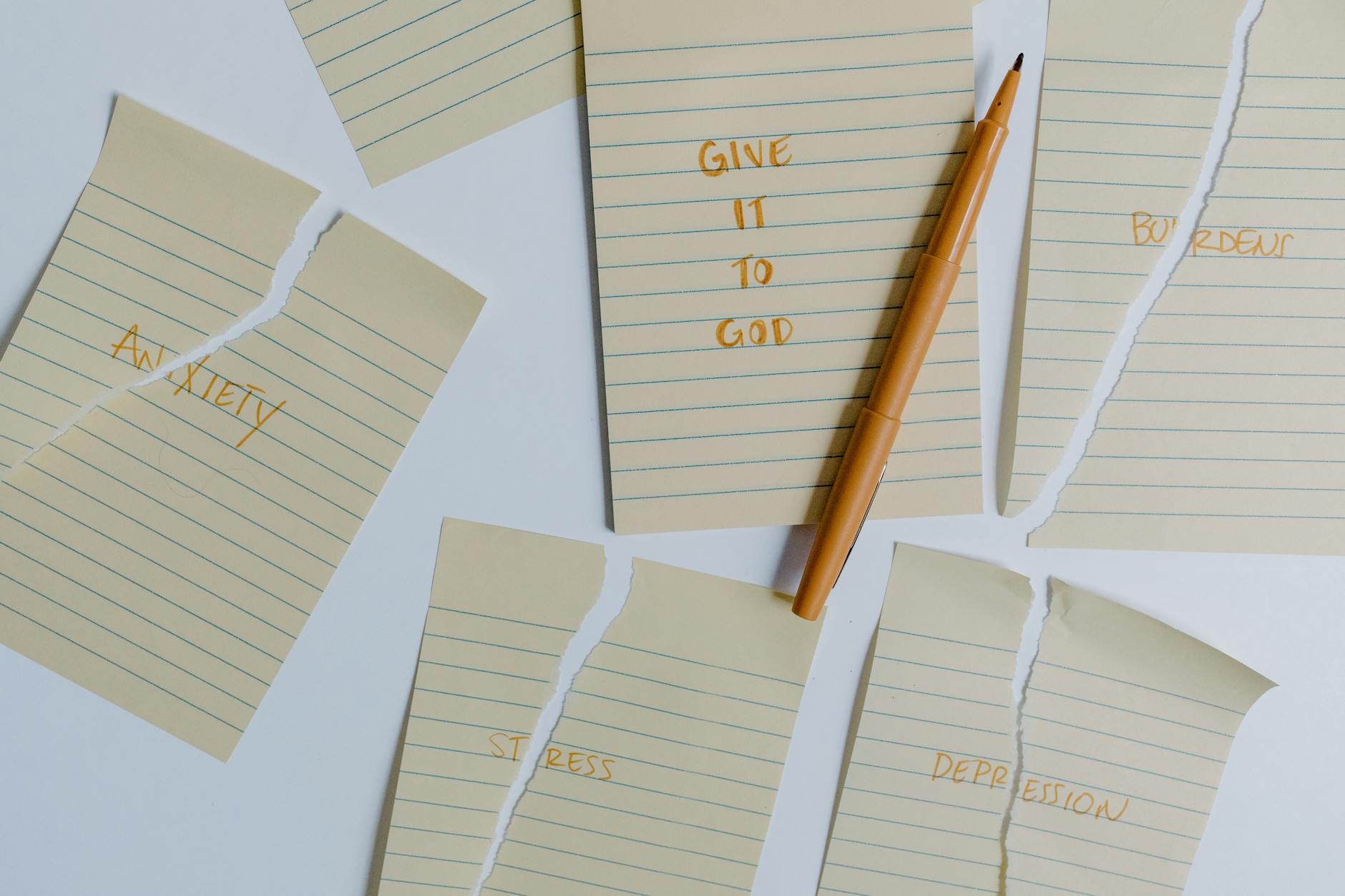
I’ve spent decades explaining the differences between Christians and Catholics, and the core beliefs are where the rubber meets the road. At its heart, Christianity is a broad umbrella—over 2,000 denominations, each with their own take. But Catholics? They’re the originals, the ones who’ve stuck to a rigid structure since the first century. Here’s the breakdown.
First, the Bible. Most Protestants (the biggest Christian group outside Catholicism) believe in sola scriptura—Scripture alone. Catholics? They add tradition, the teachings of the Church Fathers, and the Magisterium (the Pope and bishops). That’s why you’ll see Catholics citing things like the Catechism or the Didache alongside the Bible.
- Protestants: Bible is the sole authority.
- Catholics: Bible + Tradition = equal authority.
- Example: Catholics believe in Purgatory (not in the Bible but in tradition).
Then there’s salvation. Most Christians say it’s faith alone (sola fide), but Catholics argue faith and works. That’s why you’ll see Catholics doing good deeds, going to Mass, and confessing sins—all part of their salvation process. Protestants? They’ll tell you grace is free, no strings attached.
And let’s talk about the Pope. For Catholics, he’s the Vicar of Christ, infallible in matters of faith. For most Protestants, he’s just another bishop—no special authority. I’ve seen this trip up interfaith discussions more times than I can count.
| Topic | Christians (Protestant) | Catholics |
|---|---|---|
| Authority | Bible only | Bible + Tradition |
| Salvation | Faith alone | Faith + Works |
| Pope | No special role | Infallible in doctrine |
Here’s the thing: most Christians respect Catholics, and vice versa. But the differences matter. I’ve seen families split over this, friendships strained. The key? Ask questions, listen, and don’t assume. Because when it comes to faith, assumptions are the enemy.
Understanding the distinctions between Christian and Catholic beliefs helps foster respectful dialogue and deeper faith exploration. While all Catholics are Christians, not all Christians are Catholic—their shared roots in Christ’s teachings diverge in practices like sacraments, authority, and worship styles. For those seeking clarity, focusing on core values like love, grace, and community can bridge gaps. The key takeaway? Embrace curiosity and humility when discussing faith, recognizing that unity in Christ transcends denominational lines. As we move forward, what might happen if we prioritized our common ground over our differences? Perhaps a more compassionate, interconnected faith community could emerge, where every believer feels valued and heard.