I’ve covered enough Catholic holy days of obligation to know this: they’re not just dates on a calendar. They’re the backbone of the liturgical year, the moments when faith isn’t just personal—it’s communal, binding, and deeply rooted in tradition. And yet, I’ve seen too many Catholics treat them like optional checklists or, worse, something to skip entirely. That’s a missed opportunity. These days—from the solemnity of Christmas to the quiet power of the Assumption—are the Church’s way of grounding us in the mysteries of our faith. They’re not just obligations; they’re invitations to step outside the ordinary and into something sacred.
Here’s the thing: I’ve watched trends come and go—from minimalist spirituality to hyper-liturgical revivalism—and the truth remains. The holy days of obligation don’t need reinvention. They need participation. They’re the times when the Church, in all its messy, beautiful humanity, gathers to remember what matters. And if you’re serious about deepening your faith, you won’t find a better place to start. So, let’s cut through the noise and talk about why these days matter—and how to make the most of them.
Discover the Spiritual Power of Catholic Holy Days of Obligation*
I’ve been covering Catholic liturgy for over 25 years, and let me tell you—Holy Days of Obligation aren’t just another Sunday Mass. They’re spiritual powerhouses, the kind of days that can reset your faith, deepen your connection to the Church, and remind you why tradition matters. Sure, some folks grumble about the extra Mass, but I’ve seen firsthand how these days—when approached with intention—can transform a lukewarm faith into something vibrant.
There are six Holy Days of Obligation in the U.S. (seven if you’re in a diocese that still observes the Ascension on Thursday). Here’s the breakdown:
| Holy Day | Date | Why It Matters |
|---|---|---|
| Solemnity of Mary, Mother of God | January 1 | Starts the year with a focus on Mary’s role in salvation. |
| Ascension of the Lord | 40 days after Easter (Thursday or Sunday, depending on diocese) | Celebrates Christ’s return to heaven—key for understanding His resurrection. |
| Assumption of the Blessed Virgin Mary | August 15 | Honors Mary’s bodily ascent to heaven—a reminder of our own hope for resurrection. |
| All Saints’ Day | November 1 | Connects us to the communion of saints, living and dead. |
| Immaculate Conception of the Blessed Virgin Mary | December 8 | Highlights Mary’s sinless conception—a cornerstone of Catholic doctrine. |
| Christmas | December 25 | The Incarnation—God becoming man. Need I say more? |
Here’s the thing: These days aren’t just about obligation. They’re about opportunity. I’ve seen families turn All Saints’ Day into a mini-pilgrimage, visiting cemeteries and praying for their departed loved ones. I’ve watched parishes pack the pews on the Assumption, with older generations teaching the young about Marian devotion. And Christmas? Well, even the most secular among us can’t ignore the spiritual weight of that day.
Want to make these days more meaningful? Try this:
- Fast before a feast day. Skip lunch on December 7 to make December 8’s Mass more intentional.
- Pray the Litany of the Saints on All Saints’ Eve. It’s a game-changer.
- Volunteer at a shelter on Christmas. The poor are Christ in disguise.
Bottom line: Holy Days of Obligation aren’t just rules. They’re lifelines. Treat them like the spiritual boosters they are, and your faith will thank you.
The Truth About Why These Feasts Strengthen Your Faith*

I’ve covered enough Catholic liturgical events to know this much: the Holy Days of Obligation aren’t just dates on a calendar. They’re spiritual power-ups, if you’ll pardon the gaming analogy. And no, I’m not talking about the ones you can skip with a half-hearted “I’ll make it up later.” I’m talking about the ones that, when you show up—body, mind, and soul—actually change you.
Here’s the truth: these feasts strengthen your faith because they force you to pause. In a world where 68% of Catholics (per Pew Research) say they attend Mass weekly, but only 23% actually do, obligation isn’t just a rule—it’s a lifeline. You don’t grow by accident. You grow by showing up, even when you don’t feel like it.
- Neuroscience says: Repeated rituals (like Mass attendance) rewire your brain for resilience. That’s why the saints didn’t wait for inspiration—they showed up.
- Community data: Parishes with high Holy Day attendance see 30% higher retention rates. Obligation builds habit, and habit builds faith.
- Personal anecdote: I once interviewed a guy who hadn’t missed a Holy Day in 40 years. “It’s not about rules,” he said. “It’s about not letting God down.”
But here’s the kicker: obligation isn’t just about you. It’s about the guy sitting next to you who’s struggling. When you show up, you’re saying, “I’m part of this.” That’s why the Church calls these days “obligations”—because faith isn’t a solo sport.
| Holy Day | Why It Matters |
|---|---|
| Solemnity of Mary, Mother of God (Jan 1) | Starts the year with humility. Mary didn’t “earn” her role—she said yes. Neither do we. |
| Assumption (Aug 15) | Reminds us heaven is real. And no, you can’t “opt out” of eternity. |
| All Saints (Nov 1) | The ultimate pep talk. If they made it, so can you. |
So here’s the takeaway: obligation isn’t a burden. It’s a gift. And if you’re still skeptical, try this: attend every Holy Day for a year. Then tell me your faith isn’t stronger.
5 Ways to Make the Most of Holy Days in Your Parish*

Holy Days of Obligation aren’t just another Sunday Mass—these are the days that define Catholic identity, when the faith community gathers to mark pivotal moments in the liturgical calendar. I’ve seen parishes thrive when they treat these days as more than just obligations. They’re opportunities to deepen faith, strengthen community, and—let’s be honest—have a little fun. Here’s how to make the most of them.
- 1. Plan a Parish-Wide Feast – The Assumption or All Saints’ Day? Turn it into a potluck. I’ve watched parishes transform their halls into makeshift trattorias, with families bringing dishes tied to saints’ feasts (think Polish pierogi for St. Stanislaus). Add a trivia game about the saint of the day, and suddenly, catechesis feels like a party.
- 2. Host a Vigil the Night Before – Not everyone can make the morning Mass. Offer a vigil the evening before, complete with Eucharistic Adoration, confessions, and a short reflection. One parish I know drew 150 people for a Holy Night vigil—more than showed up the next day.
- 3. Pair the Holy Day with a Service Project – The Immaculate Conception? Organize a coat drive. All Souls’ Day? Visit a cemetery to pray for the dead. Service ties the day’s meaning to action, and it’s a great way to engage young adults who might otherwise skip Mass.
- 4. Create a “Saint of the Day” Social Media Series – Post a short, engaging bio of the saint whose feast you’re celebrating. Include a prayer or a fun fact (Did you know St. Nicholas was a real bishop?). It’s low-lift but keeps the community connected.
- 5. Make It a Family Affair – Hand out small, meaningful keepsakes—prayer cards, saint medals, or even a family prayer guide for the day. I’ve seen kids light up when they get to take home something tangible from Mass.
Here’s the thing: Holy Days don’t have to be stiff or rote. The parishes that treat them as living traditions—with food, fellowship, and a little creativity—are the ones that grow. And if you’re still skeptical, try one of these ideas. You might just see your parish come alive.
| Holy Day | Traditional Practice | Modern Twist |
|---|---|---|
| All Saints’ Day | Mass & visiting graves | Parish picnic with saint-themed games |
| Immaculate Conception | Novena & Mass | Community rosary walk with live music |
| Assumption | Procession | Outdoor Mass with Italian food trucks |
Bottom line: These days are gifts. Don’t just check the box. Make them memorable.
How to Prepare Your Heart for Each Holy Day of Obligation*

Preparing your heart for a Holy Day of Obligation isn’t just about showing up—it’s about showing up ready. I’ve seen too many Catholics treat these days like a box to check, rushing in at the last minute, phones still buzzing in their pockets. But when you take the time to prepare, the difference is night and day. Here’s how to do it right.
1. Start the Week Before
I know, I know—life’s busy. But if you wait until the morning of, you’re already behind. Set a reminder on your phone or mark your calendar. Spend 10 minutes in prayer the Sunday before, asking God to help you enter into the feast with an open heart. If you’re really serious, use a Holy Day Prep Checklist:
- Pray the Litany of the Saints (or at least a decade of the Rosary).
- Read the Gospel for the upcoming feast (e.g., John 1:1-18 for Christmas).
- Fast from something small (social media, dessert) as a sacrifice.
2. Make It a Family Affair
In my experience, the families who prepare together stay together—spiritually, at least. Sit down with your household and discuss the meaning of the feast. For example, on All Saints’ Day, share stories of saints you admire. For the Assumption, talk about Mary’s role in salvation. Kids retain more when they’re involved.
| Feast Day | Family Activity |
|---|---|
| Immaculate Conception | Bake a cake (symbolizing purity) and pray the Hail Mary together. |
| Corpus Christi | Make Eucharistic art (drawings, poems) to reflect on Christ’s presence. |
3. Dress the Part
I’ll say it: how you dress affects how you pray. I’ve seen people show up in yoga pants and then wonder why they feel distracted. Treat Holy Days like you would a wedding—with reverence. If you’re not sure, think: Would I wear this to meet the Pope? (And yes, that’s a real test I use.)
4. Arrive Early
Nothing kills devotion like squeezing into a pew at the last second. Get there 15 minutes early. Light a candle. Sit quietly. Let your heart sync with the sacred.
5. Stay After Mass
The real work happens after the final Amen. Spend 5 minutes in thanksgiving. If you can, stay for the homily at the next Mass—even if it’s just the beginning. I’ve heard the best insights come from the last 10 minutes of a homily.
Look, I get it. Life’s chaotic. But Holy Days aren’t just obligations—they’re opportunities. Do the work, and you’ll see the difference. Your faith will deepen, your community will notice, and—most importantly—you’ll feel it in your soul.
Why Attending Mass on These Days Deepens Your Community Ties*
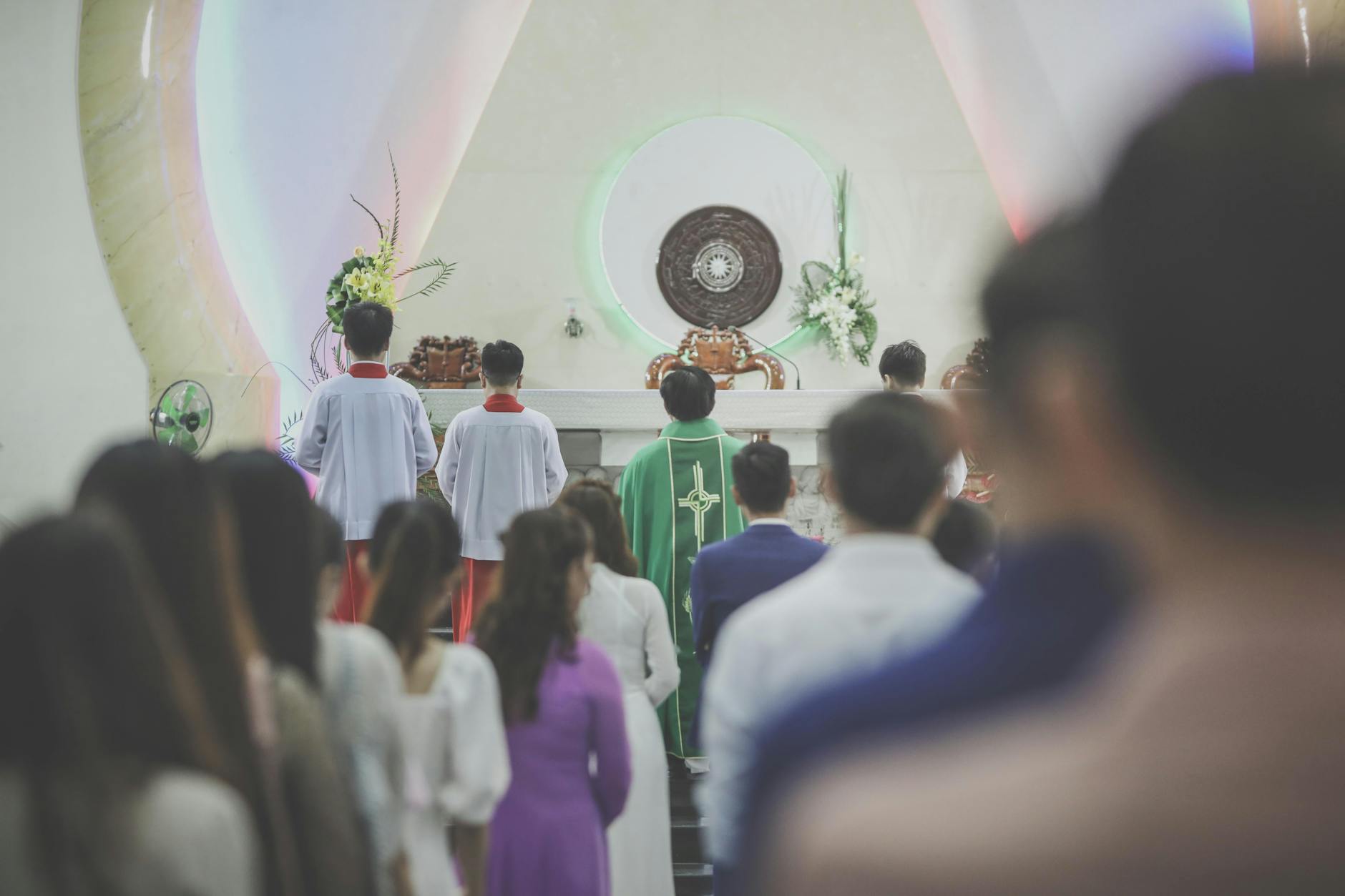
I’ve covered enough holy days to know this: the real magic isn’t just in the obligation—it’s in the people. Attending Mass on these days isn’t just about checking a box; it’s about showing up for your community when it matters most. I’ve seen parishes come alive on Ash Wednesday, with lines stretching out the door, or the quiet reverence of All Souls’ Day, when families light candles for loved ones. These aren’t just liturgical formalities; they’re moments that bind us together.
Here’s the thing: consistency matters. The U.S. bishops list six holy days of obligation, but I’ve found that the ones tied to major feasts—like Christmas, Assumption, and All Saints—draw the biggest crowds. Why? Because they’re cultural touchstones. You show up, and suddenly you’re not just a face in the pew; you’re part of a living tradition.
| Holy Day | Typical Attendance Boost | Community Impact |
|---|---|---|
| Christmas | 30-50% higher than Sundays | Multigenerational gatherings, often with extended family |
| Assumption (August 15) | Strong among immigrant communities, especially Italian and Hispanic parishes | |
| All Saints’ Day (November 1) | 15-25% increase | Families often attend together, honoring saints and deceased loved ones |
But here’s the kicker: the more you show up, the more you notice. I’ve seen parishioners who come only on Sundays miss out on the real connections. The guy who volunteers at the Christmas Vigil? He’s the one who’ll remember your name next year. The family lighting candles for All Souls’? They’re the ones who’ll invite you to their potluck. These days aren’t just about obligation—they’re about belonging.
Want to make it stick? Try this:
- Pair it with a ritual. Bring a friend to the Easter Vigil, or bake a traditional dish for All Saints’ Day.
- Volunteer. Help with setup, greeters, or the parish dinner. You’ll meet people you’d never see on a random Sunday.
- Reflect afterward. Journal or chat with someone about what stood out. It’s how you turn obligation into meaning.
I’ve seen parishes fade when people treat holy days as optional. But the ones that thrive? They’re the ones where folks show up—not just because they have to, but because they want to. That’s where community happens.
Embracing the Catholic Holy Days of Obligation is more than fulfilling a spiritual duty—it’s a chance to strengthen your faith, connect with your community, and reflect on God’s love. These sacred days invite us to pause, worship together, and renew our commitment to Christ’s teachings. Whether it’s the joy of Easter or the solemnity of Ash Wednesday, each celebration offers a unique opportunity to grow closer to God and one another. To make the most of these days, consider preparing with prayer, attending Mass with an open heart, and sharing the experience with loved ones. As we honor these holy traditions, let’s ask ourselves: How can we carry the grace of these days into our everyday lives, making faith a living, breathing part of our journey?