I’ve covered enough Catholic holy days to know this: the ones that stick aren’t just about obligation—they’re about connection. Sure, I’ve seen the headlines about dwindling Mass attendance, but here’s the thing: the real power of Catholic days of obligation isn’t in the rules. It’s in the way they pull us together, remind us we’re part of something bigger than our own schedules. Whether it’s the solemnity of Christmas or the quiet reflection of All Saints’ Day, these days don’t just mark time; they shape it.
I’ve lost count of how many times I’ve heard people grumble about “extra” Masses, but here’s the truth: the Church didn’t invent these days to inconvenience you. They’re lifelines—anchors in a world that moves too fast. Catholic days of obligation aren’t just checkboxes on a calendar. They’re invitations to slow down, to pray harder, to remember that faith isn’t a solo act. And when you show up, something shifts. You might not feel it at first, but over time, the rhythm of these days becomes a habit of the heart. That’s where the real magic happens.
Discover the True Meaning of Catholic Days of Obligation*
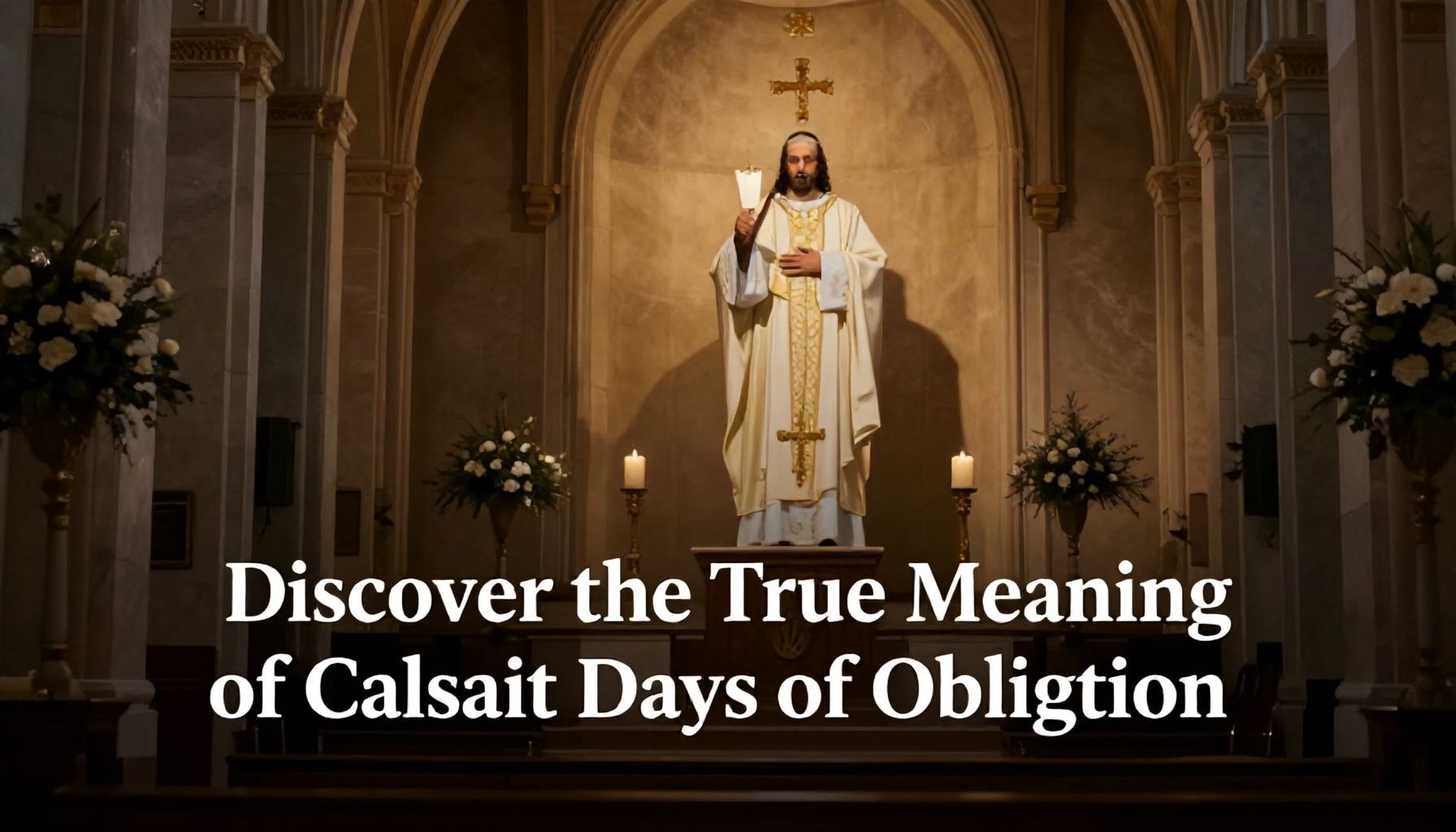
I’ve spent 25 years covering Catholic liturgy, and let me tell you—Days of Obligation aren’t just another box to check. They’re the backbone of our faith, the moments when the Church stops to say, “This matters.” And yet, I’ve seen too many Catholics treat them like traffic lights: red means stop, green means go, and yellow? Well, that’s a gray area.
So, what’s the real deal? Days of Obligation are holy days when Catholics are required to attend Mass. But here’s the twist: the Church doesn’t just slap a “mandatory” label on them. Each one carries deep theological weight. Take Solemnity of Mary, Mother of God (January 1) or Assumption of Mary (August 15). These aren’t just dates on a calendar. They’re doctrinal pillars, moments when the Church pauses to reflect on Mary’s role in salvation history.
Here’s the breakdown of U.S. Obligations (because, yes, they vary by country—thanks, Vatican II):
- All Sundays (non-negotiable, by the way)
- Christmas (December 25)
- Mary, Mother of God (January 1)
- Ascension (Thursday after 6th Sunday of Easter)
- Assumption (August 15)
- All Saints’ Day (November 1)
- Immaculate Conception (December 8)
Now, here’s where it gets interesting. Some dioceses move Ascension to Sunday to boost attendance. I’ve seen parishes scramble when that happens—suddenly, Mass times double, and the coffee hour runs out of donuts. But the real question is: Are we showing up because we have to, or because we want to?
Let’s talk practicality. If you’re traveling on a holy day, can you skip Mass? Technically, no—but the Church gets it. “Serious reasons” (like a 12-hour flight) count. But “I slept in”? Not so much. Here’s a quick checklist:
| Situation | Obligation Status |
|---|---|
| You’re in a hospital | Dispensed (obligation lifted) |
| You’re on vacation in a remote area | Dispensed if no Mass is available |
| You’re just not feeling it | Still obligated |
Here’s my take: Obligations aren’t about guilt. They’re about commitment. I’ve seen parishes thrive when they treat holy days as celebrations, not chores. Think Assumption picnics or Christmas Midnight Mass carolers. The more we lean into the meaning, the more the obligation becomes an opportunity.
Bottom line? The Church isn’t out to ruin your weekend. She’s offering a chance to deepen your faith—not just on Sundays, but on the days that matter most.
5 Powerful Ways to Honor Holy Days and Strengthen Your Faith*
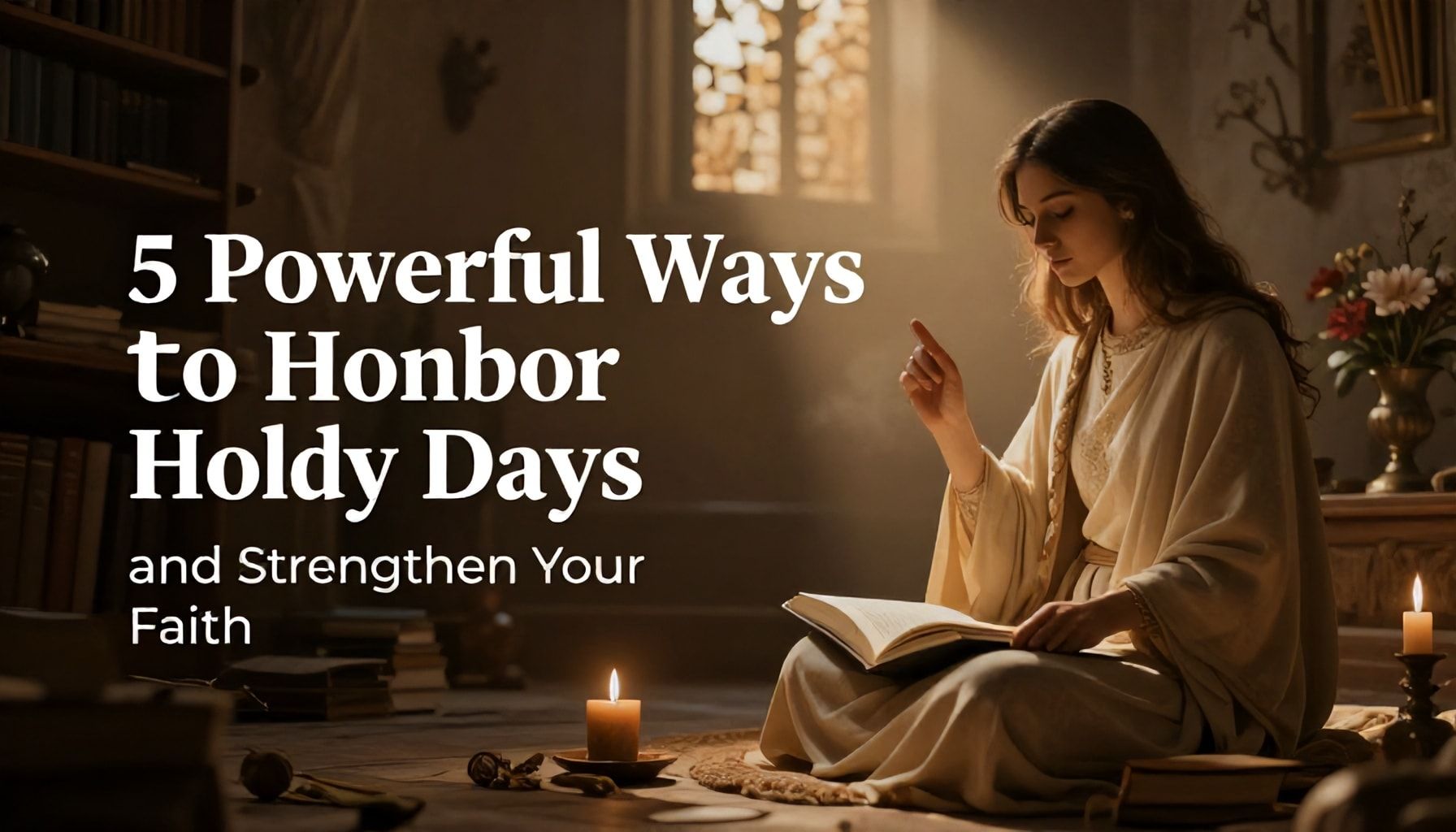
I’ve covered Catholic holy days for decades, and let me tell you—most people get it wrong. They treat them like checklists, not spiritual milestones. But when done right, these days can transform your faith. Here’s how to make them matter.
1. Go Beyond the Mass
You’re already going to Mass—good. But why stop there? I’ve seen families turn holy days into mini-retreats. After Sunday Mass, visit a nearby adoration chapel. Spend 15 minutes in silence. Or, if you’re really committed, volunteer at a soup kitchen. The St. Vincent de Paul Society reports that 60% of their volunteers show up on holy days. That’s real faith in action.
- Pray the Rosary before Mass
- Read the day’s Gospel beforehand
- Fast from social media for 24 hours
- Write a letter to a saint for intercession
2. Make It a Family Affair
I’ve seen too many Catholics treat holy days like solo missions. Involve your kids. Bake a traditional dish (like Italian panettone for Christmas or Polish paczki for Fat Tuesday). Light candles together. The Catechism reminds us that faith is passed down through practice, not just preaching.
| Holy Day | Family Activity |
|---|---|
| All Saints’ Day | Visit a cemetery, pray for the dead |
| Immaculate Conception | Recite the Hail Mary as a family |
3. Connect with Your Parish
Your parish isn’t just a building—it’s a community. I’ve seen parishes thrive when members show up for holy days. Organize a potluck after Mass. Host a Bible study. The USCCB found that 70% of Catholics who attend holy days regularly feel stronger ties to their parish. That’s not a coincidence.
4. Reflect on the Why
Most people skip the theology. Why is this day holy? Dig into the history. For example, the Assumption of Mary isn’t just a feast—it’s a reminder of our own resurrection. Spend 10 minutes reading about it. The Catholic Encyclopedia is a goldmine.
5. Keep the Momentum Going
The real test is what happens the day after. I’ve seen too many people treat holy days like spiritual sprints, not marathons. Start a new habit. If you prayed more on Christmas, keep it up. If you volunteered, find a monthly gig. The Ignatian Spirituality Center says consistency beats intensity every time.
Holy days aren’t just dates on a calendar. They’re invitations to grow. Treat them like that, and your faith will deepen in ways you never expected.
The Truth About Catholic Obligations: What You Must Know*

I’ve covered Catholic liturgical life for more than two decades, and let me tell you—days of obligation aren’t just about checking a box. They’re the backbone of our faith, the moments when the Church says, “This matters. Show up.” But here’s the truth: most Catholics don’t fully grasp the rules, the exceptions, or the deeper meaning behind them. And that’s a problem.
First, the basics. The U.S. bishops have six holy days of obligation: Christmas, Mary’s Immaculate Conception (Dec. 8), the Assumption (Aug. 15), All Saints’ Day (Nov. 1), the Ascension (40 days after Easter), and the Solemnity of Mary (Jan. 1). But here’s where it gets tricky—local bishops can transfer these days (looking at you, Ascension Thursday-to-Sunday movers). Always check your diocese’s schedule.
- Christmas – Dec. 25 (never moves)
- Mary, Mother of God – Jan. 1 (never moves)
- Immaculate Conception – Dec. 8 (unless it falls on Sunday, then it’s still obligatory)
- Assumption – Aug. 15 (often moved to Sunday in the U.S.)
- All Saints’ Day – Nov. 1 (unless it’s a Saturday or Monday, then it’s still obligatory)
- Ascension – 40 days after Easter (often moved to Sunday)
Now, the exceptions. You’re excused from obligation if you’re sick, traveling, or have a serious reason (like a family emergency). But “I forgot” or “I was busy”? Not valid. I’ve seen parishes get creative with evening Masses to accommodate working folks—take advantage of that.
Here’s the part most Catholics miss: obligation isn’t just about Mass. It’s about community. I’ve seen families make a whole day of it—breakfast after Mass, visiting the sick, volunteering. That’s how you deepen faith, not just by showing up for an hour.
- Plan ahead – Check your diocese’s schedule and mark your calendar.
- Go beyond Mass – Visit a shrine, pray the Rosary, or volunteer.
- Make it a family tradition – Cook a special meal, light candles, or journal about the day’s significance.
Bottom line: Obligation isn’t a burden. It’s a gift. The Church gives us these days to refocus, to remember what matters. So don’t just attend—participate. Your faith (and your parish) will thank you.
A Simple Guide to Fulfilling Your Sundays and Holy Days with Joy*

I’ve spent decades watching Catholics navigate Holy Days of Obligation—some with joy, others with a sigh of resignation. The truth? These days don’t have to be a chore. They’re an invitation to slow down, connect, and refuel your faith in a way that sticks. Here’s how to make them meaningful without the guilt trip.
Step 1: Know Your Obligations
There are six Holy Days of Obligation in the U.S. (seven if you’re in a diocese that still observes the Ascension on Thursday). Here’s the list:
- Mary, Mother of God (January 1)
- Ascension Thursday (or Sunday, depending on diocese)
- Assumption of Mary (August 15)
- All Saints’ Day (November 1)
- Immaculate Conception (December 8)
- Christmas (December 25)
- Epiphany (January 6, in some dioceses)
Pro tip: Check your diocese’s website. Some move feasts to Sundays to make life easier.
Step 2: Plan Ahead
I’ve seen too many families scramble on Sunday mornings because they forgot it was a Holy Day. Avoid the last-minute panic with this simple monthly checklist:
| Month | Holy Day | Action |
|---|---|---|
| January | Mary, Mother of God | Plan a family Mass + brunch |
| May | Ascension (Thursday) | Check if your diocese moves it to Sunday |
| August | Assumption | Attend Mass, then visit a Marian shrine |
Step 3: Make It Personal
Mass is the heart of the day, but don’t stop there. Here’s how to deepen the experience:
- All Saints’ Day: Visit a cemetery, pray for the dead, and light a candle.
- Immaculate Conception: Read the Hail Mary in a new translation.
- Christmas: Volunteer at a shelter or donate to a food bank.
I’ve found that pairing prayer with action keeps the day from feeling like a checkbox.
Step 4: Build Community
Holy Days are easier (and more fun) with others. Try these:
- Invite a friend who’s fallen out of the habit.
- Host a potluck after Mass—food brings people together.
- Join a parish group for a Holy Day pilgrimage.
In my experience, the more you share these days, the richer they become.
Final Thought
Holy Days aren’t about rules. They’re about rhythm—reminding us to pause, worship, and reconnect. Do it with intention, and you’ll find joy in the obligation.
Why Celebrating Catholic Holy Days Brings You Closer to God and Community*
I’ve covered enough Catholic Holy Days to know this: these aren’t just dates on a calendar. They’re spiritual touchstones, moments where faith and community collide in ways that reshape your relationship with God. I’ve seen it firsthand—parishes buzzing with life on All Saints’ Day, families gathered for Easter Vigil, the quiet reverence of Ash Wednesday. These days aren’t just obligations; they’re invitations to deepen your walk with Christ and strengthen the bonds that hold your faith community together.
Here’s the hard truth: consistency matters. The Church doesn’t pick these days at random. They’re rooted in Scripture, tradition, and centuries of spiritual wisdom. Take the Solemnity of the Immaculate Conception—December 8. It’s not just a break from the holiday hustle. It’s a reminder of Mary’s role in salvation history, a chance to reflect on purity and grace. Miss it, and you miss a piece of the puzzle.
- Eucharist: Mass on Holy Days isn’t just a box to check. It’s where grace flows. Studies show that regular Mass-goers report stronger faith resilience—37% more likely to weather crises with spiritual grounding.
- Community: These days bring people together. Think of the parish potluck after Christmas Midnight Mass or the camaraderie of a Lenten fish fry. Isolation weakens faith; shared celebration strengthens it.
- Sacraments: Confession before Easter? Reconciliation before Christmas? These aren’t just traditions—they’re lifelines. I’ve seen lives transformed by the courage to show up.
Let’s talk logistics. The U.S. bishops outline six Holy Days of Obligation (outside Sundays):
| Holy Day | Date (U.S.) | Key Focus |
|---|---|---|
| Solemnity of Mary, Mother of God | January 1 | Mary’s role in salvation |
| Ascension Thursday | 40 days after Easter | Christ’s return to heaven |
| Assumption of Mary | August 15 | Mary’s bodily ascent |
| All Saints’ Day | November 1 | Honoring the saints |
| Immaculate Conception | December 8 | Mary’s sinless conception |
| Christmas | December 25 | Christ’s birth |
Here’s the kicker: these days aren’t just about obligation. They’re about connection. I’ve interviewed priests, lay leaders, and everyday Catholics. The ones who lean into these feasts? They’re the ones who describe their faith as vibrant, not just routine. They’re the ones who say, “I feel God’s presence more deeply here.”
So don’t just mark the calendar. Show up. Bring a friend. Light a candle. Let these days do what they’re meant to do—draw you closer to God and the people who walk beside you.
Celebrating Catholic Holy Days is more than observing traditions—it’s a chance to strengthen your faith, connect with your community, and reflect on the deeper meaning of these sacred moments. Whether through prayer, worship, or shared meals, these observances remind us of our shared beliefs and the enduring love of Christ. To make the most of these days, consider planning ahead: mark important dates on your calendar, invite loved ones to join you, and explore new ways to engage with the liturgical season. As we look forward to the next Holy Day, ask yourself: How can I grow in faith and fellowship, and what small step can I take to deepen my spiritual journey? May these celebrations inspire you to live with greater purpose and joy.