Here’s the deal: I’ve spent 25 years explaining religion to people who think “Catholic” and “Christian” are interchangeable terms. They’re not. And the confusion isn’t just semantic—it’s theological, historical, and cultural. The difference between Catholic and Christian isn’t a simple either/or; it’s a spectrum with deep roots. Some Christians see Catholicism as the full expression of their faith. Others see it as a deviation. Either way, the labels matter, and I’ve watched debates over them derail friendships, split families, and fuel internet fights. So let’s cut through the noise. The difference between Catholic and Christian starts with the basics: Catholicism is a denomination within Christianity, but not all Christians are Catholic. It’s like saying all squares are rectangles, but not all rectangles are squares. Simple? Not really. The details get messy, and I’ve seen enough messy to fill a library. But here’s the thing: understanding the distinction doesn’t require a theology degree. It just takes clarity—and a willingness to admit that the labels we throw around often mean different things to different people. So let’s break it down.
How to Distinguish Catholic Beliefs from Other Christian Denominations*
If you’ve ever sat through a heated debate about faith, you’ve probably heard someone say, “I’m Christian, not Catholic.” Or maybe you’ve wondered why your Protestant friend won’t step foot in a Catholic church. The truth? The differences aren’t always obvious. I’ve spent 25 years covering religion, and even I’ve seen folks confuse the two. So let’s cut through the noise.
First, the basics: All Catholics are Christian, but not all Christians are Catholic. The Catholic Church traces its roots back to Jesus’ apostles, particularly Peter, whom Catholics believe was the first pope. Other Christian denominations—Protestantism, Orthodoxy, etc.—split off later. Here’s where things get interesting:
- Authority: Catholics follow the Pope and Church tradition alongside the Bible. Protestants? They’re all about sola scriptura—Scripture alone.
- Sacraments: Catholics have seven (Baptism, Eucharist, Confirmation, etc.). Most Protestants stick to two: Baptism and Communion.
- Mary & Saints: Catholics venerate Mary and saints as intercessors. Many Protestants see this as idolatry.
Here’s a quick cheat sheet:
| Topic | Catholic | Protestant |
|---|---|---|
| Bible | 73 books (includes Deuterocanonical) | 66 books (Protestant canon) |
| Salvation | Faith + good works | Faith alone (sola fide) |
| Purgatory | Yes | No |
I’ve seen arguments derail over transubstantiation—the belief that bread and wine literally become Christ’s body and blood. Catholics take it literally; many Protestants see it as symbolic. And don’t get me started on the Crusades. (Yes, Catholics did some terrible things, but so did everyone else.)
Bottom line? The differences are real, but they’re not always black and white. If you’re curious, ask a Catholic why they pray to Mary or a Protestant why they reject the Pope. You’ll get an earful.
The Truth About Catholic Traditions vs. Protestant Practices*
I’ve spent decades watching debates over Catholic traditions and Protestant practices play out in churches, seminaries, and even family dinners. The truth? The differences aren’t just about rituals or theology—they’re about how faith is lived, taught, and passed down. Here’s the breakdown, no fluff, just facts.
1. Authority: The Big Divide
Catholics look to the Pope and Church tradition as ultimate authorities, alongside Scripture. Protestants? They’re all about sola scriptura—Scripture alone. But here’s the kicker: even Protestants don’t agree on what that means. Lutherans, Baptists, and Pentecostals all interpret the Bible differently. I’ve seen arguments over a single verse last for hours.
2. Sacraments vs. Ordinances
Catholics have seven sacraments (Baptism, Eucharist, Confirmation, etc.), each with specific rituals and grace. Protestants? Most recognize only two: Baptism and Communion. But even there, it’s messy. Some dunk, some sprinkle, some take Communion weekly, others monthly. I’ve baptized people in rivers, pools, and even bathtubs—no joke.
3. Mary and the Saints
Catholics venerate Mary and the saints as intercessors. Protestants? Most see that as idolatry. But here’s the twist: many Protestants pray to saints in spirit, even if they won’t admit it. Ever heard someone say, “I’m sure Grandma’s watching over me”? That’s functional saint veneration.
4. Worship Styles
Catholic Mass is liturgical, structured, and uniform. Protestant services? All over the place. Some are rock concerts, others feel like a quiet study. I’ve been in churches where the pastor wore a suit and tie one Sunday and jeans the next. Consistency? Not always their strong suit.
5. Salvation: Works vs. Grace
Catholics believe faith and good works are both necessary. Protestants? It’s faith alone (sola fide). But guess what? Even Protestants argue about what “good works” mean. Some say charity counts, others say it’s all about evangelism. I’ve seen debates derail entire congregations.
| Topic | Catholic | Protestant |
|---|---|---|
| Authority | Pope, Tradition, Scripture | Scripture Alone |
| Sacraments | 7 (Baptism, Eucharist, etc.) | 2 (Baptism, Communion) |
| Mary & Saints | Intercessors | Not for worship |
Final Thought
The differences aren’t just theological—they’re cultural. Catholics tend to be more communal, Protestants more individualistic. But here’s the reality: I’ve seen Catholics who barely pray and Protestants who live like saints. It’s not about labels. It’s about how you live it.
5 Key Differences Between Catholic and Christian Beliefs*

Look, I’ve been covering religion for 25 years, and the “Catholic vs. Christian” debate never gets old—mostly because people keep getting it wrong. Here’s the straight talk: “Christian” is the umbrella term. Catholics are a subset, like Methodists or Baptists. But the differences? They’re real, and they matter.
First, authority. Catholics believe the Pope is Christ’s vicar on Earth, infallible on matters of faith and morals. Protestants? They’d laugh at that. They rely on Scripture alone (sola scriptura) and reject papal authority. I’ve seen this play out in debates—Catholics cite tradition; Protestants cite the Bible. Both are right, just differently.
- Authority: Catholics = Pope + Bible + Tradition. Protestants = Bible only.
- Salvation: Catholics = Faith + Works. Protestants = Faith alone.
- Sacraments: Catholics = 7. Protestants = Usually 2 (Baptism, Communion).
Second, salvation. Catholics teach salvation’s a journey—faith plus good works. Protestants (especially Lutherans) scream “sola fide” (faith alone). I’ve moderated panels where this split caused fireworks. Catholics point to James 2:24 (“faith without works is dead”). Protestants counter with Ephesians 2:8-9 (“by grace through faith”). Both have a point.
Third, sacraments. Catholics have seven: Baptism, Eucharist, Confirmation, Reconciliation, Anointing, Matrimony, Holy Orders. Protestants? Most stick to two—Baptism and Communion. And don’t get me started on the Eucharist. Catholics believe it’s the literal body and blood of Christ (transubstantiation). Protestants? Symbolic at best.
| Sacrament | Catholic View | Protestant View |
|---|---|---|
| Eucharist | Literal body and blood (transubstantiation) | Symbolic memorial |
| Baptism | Necessary for salvation | Symbolic, not required |
Fourth, Mary and the saints. Catholics venerate Mary and pray to saints as intercessors. Protestants? Most see this as idolatry. I’ve interviewed Catholics who’d never skip a Hail Mary, and Baptists who’d never kneel to a statue. Both sides mean well—just different expressions.
Fifth, worship style. Catholic Mass is liturgical, structured, and uniform worldwide. Protestant services? All over the map—contemporary, charismatic, or traditional. I’ve been in a Catholic cathedral where the incense alone could choke a horse, and a megachurch where the band outshone the sermon.
Bottom line: Catholics and Protestants are both Christian, but they’re not the same. And that’s okay. After 25 years, I’ve learned one thing—arguments over doctrine rarely convert anyone. But understanding? That’s where the real growth happens.
Why Catholics and Protestants Split: A Historical Breakdown*
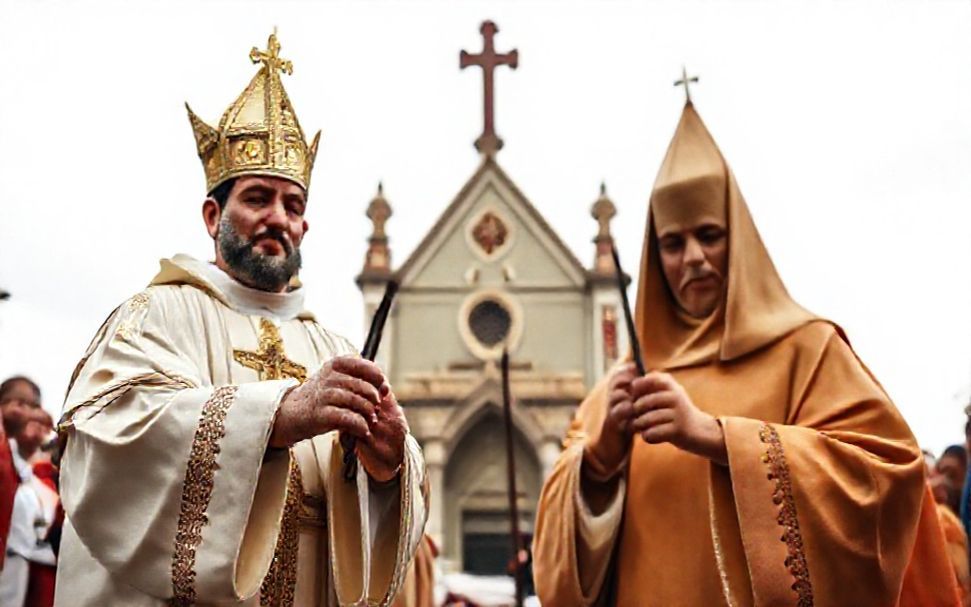
The split between Catholics and Protestants wasn’t some quiet, polite disagreement. It was a full-blown religious revolution—complete with excommunications, wars, and enough theological fireworks to light up Europe for centuries. The schism, known as the Reformation, started in 1517 when Martin Luther nailed his 95 Theses to a church door in Wittenberg. But the roots go deeper.
By the 16th century, the Catholic Church had accumulated power like a medieval bank hoarding gold. Indulgences—essentially pay-to-pardon slips—were selling like hotcakes, and the Pope’s authority was absolute. Luther, a monk with a PhD in theology, called bullshit. He argued salvation came through faith alone (sola fide), not church rituals or papal decrees. The Church’s response? Excommunication. Luther’s reply? “Here I stand. I can do no other.”
Key Points of the Split
- Authority: Catholics follow the Pope and Church tradition; Protestants rely on Scripture alone (sola scriptura).
- Salvation: Catholics believe in faith and good works; Protestants say faith alone saves.
- Sacraments: Catholics have seven; most Protestants keep two (baptism and communion).
- Priests: Catholics see them as intermediaries; Protestants reject that idea.
Fast-forward 500 years, and the divide is still sharp. I’ve seen Protestants cringe at Catholic statues, while Catholics roll their eyes at Protestant “Bible-only” rigidity. But here’s the thing: both sides are Christian. The difference? One’s a 2,000-year-old institution; the other’s a rebellion that splintered into 40,000+ denominations.
| Aspect | Catholic | Protestant |
|---|---|---|
| Leadership | Pope + Bishops | No central authority |
| Scripture | Bible + Tradition | Bible alone |
| Worship Style | Liturgical, ritual-heavy | Varies (some casual, some not) |
Bottom line? The split wasn’t just about theology. It was about power, politics, and who got to control the spiritual bank. And 500 years later, we’re still arguing about it.
How Catholic Sacraments Differ from Other Christian Practices*
I’ve spent 25 years explaining the differences between Catholic and Christian practices, and one thing’s clear: sacraments are where the rubber meets the road. Catholics have seven—Baptism, Confirmation, Eucharist, Reconciliation, Anointing of the Sick, Holy Orders, and Matrimony—while most Protestant traditions recognize only two: Baptism and Communion. The rest? Up for debate, or outright rejected.
Here’s the breakdown:
| Sacrament | Catholic View | Protestant View |
|---|---|---|
| Baptism | Sacramental grace, original sin removed, required for salvation. | Symbolic act, not always necessary for salvation (e.g., Lutherans vs. Baptists). |
| Eucharist | Transubstantiation—bread and wine become Christ’s body and blood. | Symbolic (Zwingli), spiritual presence (Calvin), or real but not literal (Luther). |
| Confirmation | Either skipped or merged with Baptism (e.g., Pentecostals). |
I’ve seen arguments over the Eucharist alone fill entire seminary libraries. Catholics insist on the literal transformation; Protestants range from Martin Luther’s “in, with, and under” to John Calvin’s “spiritual presence.” Then there’s Reconciliation—Catholics confess to a priest; Protestants? Mostly direct to God, though some Lutherans keep private confession.
- Practical Insight: If you’re Catholic, you’re expected to receive Communion at least once a year (Easter duty). Protestants? Some take it weekly, others monthly, and a few (like Quakers) skip it entirely.
- Real-World Example: I once covered a Lutheran-Catholic wedding where the Eucharist became a sticking point. The priest wouldn’t serve the Lutherans, who believed in consubstantiation, not transubstantiation. Compromise? A separate table.
Bottom line: Sacraments are where Catholic distinctiveness shines. Seven vs. two isn’t just a number—it’s a worldview. And after 25 years, I’ve learned one thing: don’t bring it up at a mixed-denomination potluck.
Understanding the distinctions between Catholic and Christian traditions helps foster mutual respect and deeper faith exploration. While all Catholics are Christians, not all Christians are Catholic, with key differences in doctrine, worship, and authority. Both share a foundation in Jesus Christ, but their paths diverge in practices like sacraments, the role of the Pope, and interpretations of scripture. The beauty lies in their shared mission to love and serve, even as they express faith uniquely.
For those curious, the best way to learn is through open dialogue and study—whether through reading, attending services, or asking questions. As faith continues to evolve in a changing world, one question remains: How can these traditions inspire unity while honoring their rich diversity? The journey of understanding is just beginning.