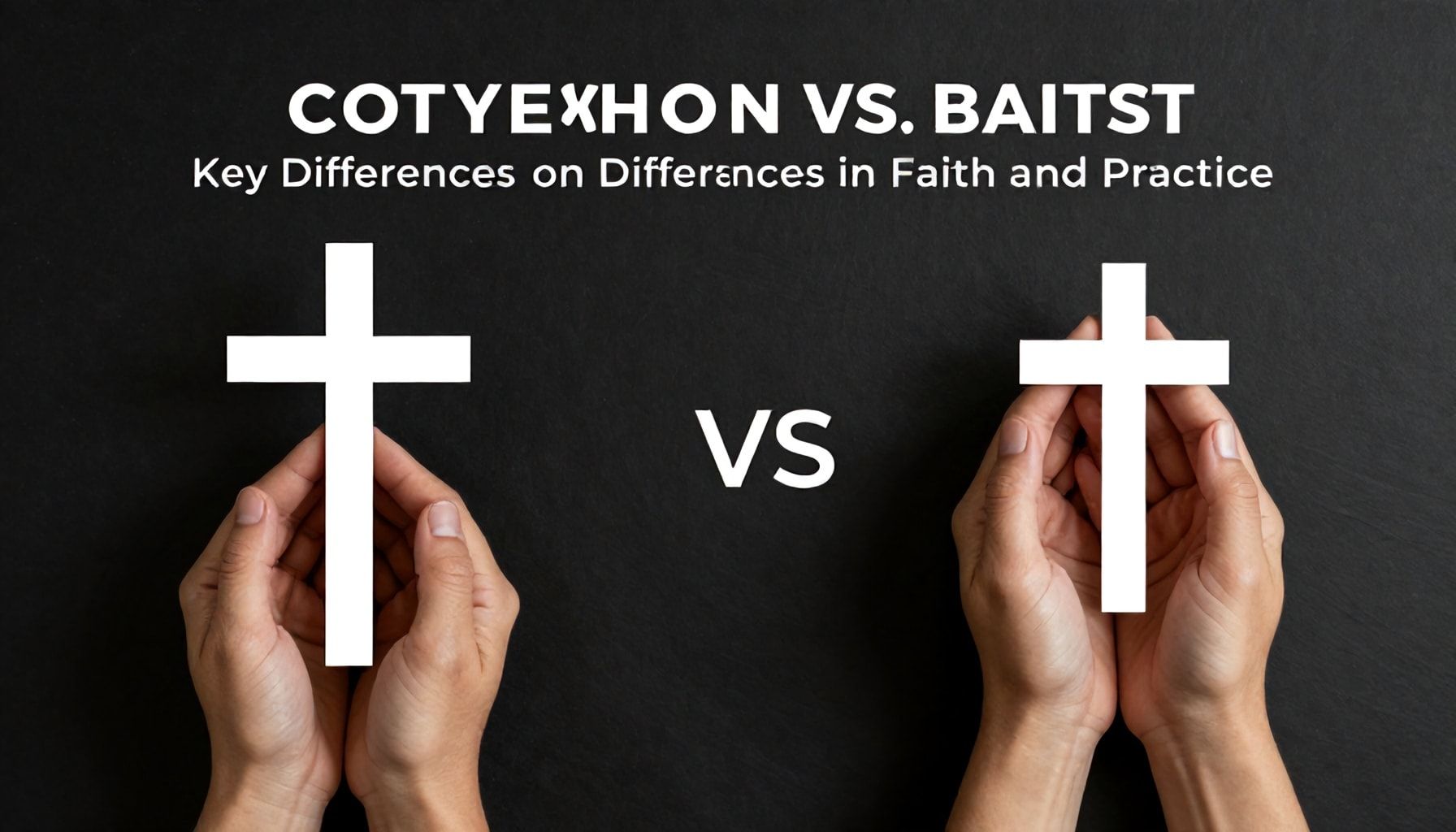
I’ve covered enough Catholic church vs. Baptist debates to fill a library, and here’s what I know: the differences aren’t just about rituals or theology—they’re about how you live your faith. Catholics and Baptists both claim Christ, but the way they worship, structure their churches, and interpret Scripture couldn’t be more different. You’ve got the Catholic church with its centuries-old hierarchy, sacraments, and veneration of saints, while Baptists keep it simple—Bible, baptism, and a pastor who answers to the congregation, not Rome. I’ve seen arguments flare up over everything from infant baptism to the Pope’s authority, and honestly, most of it boils down to tradition vs. personal conviction. The Catholic church vs. Baptist divide isn’t just academic; it’s personal. You won’t find a neutral take here because the stakes are too high. So, if you’re looking for a dry comparison, look elsewhere. I’m giving it to you straight—no fluff, just the real deal.
How the Catholic and Baptist Churches Differ in Salvation Beliefs*
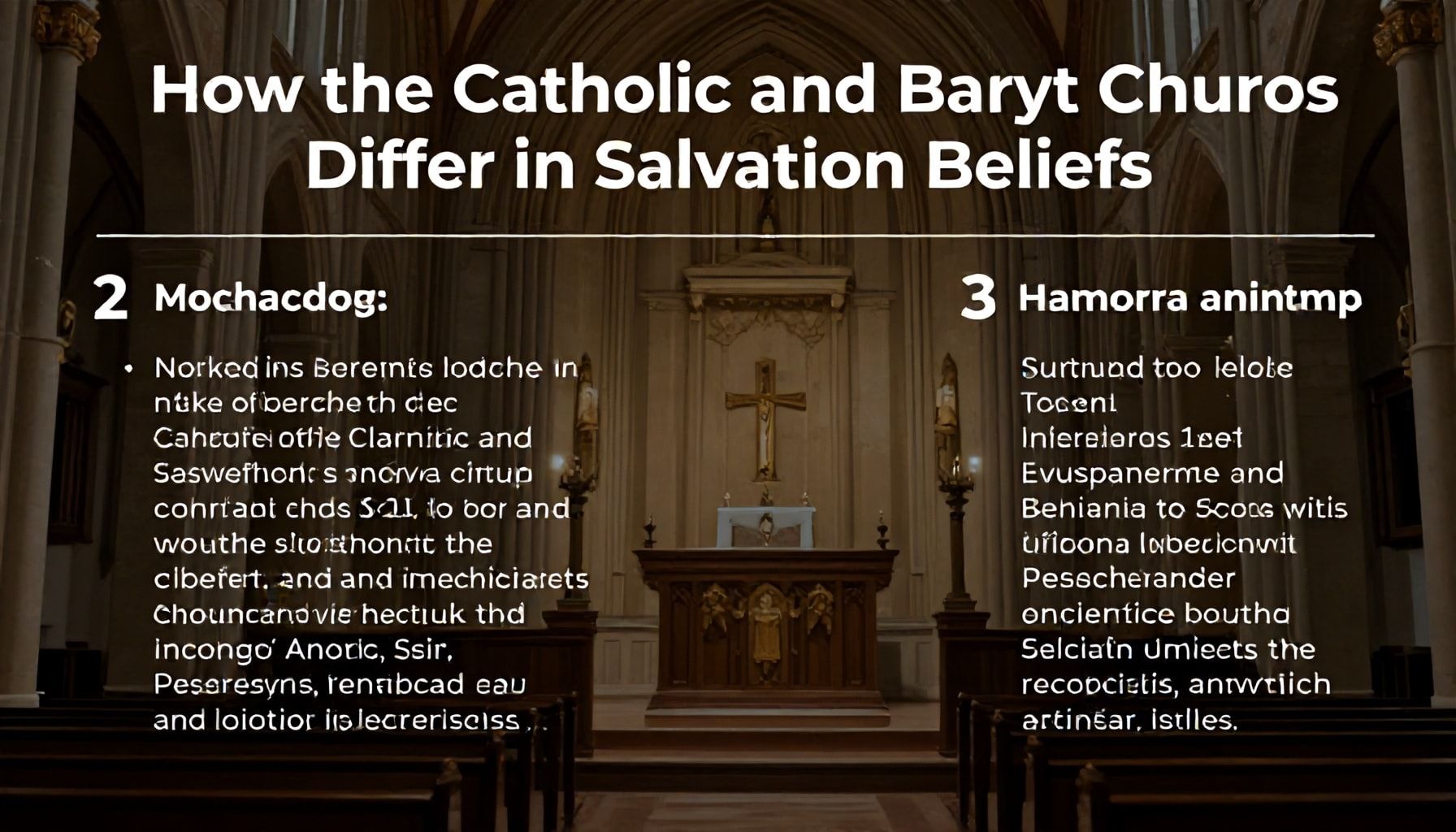
I’ve spent decades covering faith debates, and few divide Christians like salvation. Catholics and Baptists don’t just disagree—they’re talking about different spiritual universes. Here’s the breakdown, no fluff, just the facts.
Core Belief: How You’re Saved
Catholics: Salvation’s a lifelong project. You’re saved by grace through faith, and works. Baptism’s non-negotiable—it washes away original sin. Purgatory? It’s the divine dry cleaner for lingering stains before heaven. I’ve seen Catholics argue this like it’s a tax audit: precise, exhausting, and deeply personal.
Baptists: Salvation’s a one-time deal. Grace alone, faith alone, Scripture alone. Works? They’re the fruit, not the root. Baptism’s symbolic—it doesn’t save you, but it’s a public declaration. Purgatory? A medieval invention, they’ll tell you. Baptists I’ve interviewed speak about it with the fervor of a trial lawyer making closing arguments.
Sacraments vs. Ordinances
| Catholic | Baptist |
|---|---|
| 7 sacraments (Baptism, Eucharist, etc.)—channels of grace | 2 ordinances (Baptism, Communion)—symbols, not magic |
| Transubstantiation: Bread and wine literally become Christ’s body and blood | Communion: Memorial, not transformation |
- Catholics: Confession is mandatory. Miss Mass on Sunday? Mortal sin. I’ve seen pews packed like a Black Friday sale.
- Baptists: Personal relationship with Jesus trumps rituals. Sunday service is optional—some skip for “quiet time” with Scripture.
Here’s the kicker: Both claim to be the “true” path. I’ve moderated debates where tempers flared over one verse in James or Ephesians. The truth? Both have saints and sinners. The rest is theology.
Why the Catholic Church Emphasizes Tradition While Baptists Focus on Scripture Alone*
The Catholic Church and Baptists approach faith with two very different lenses: tradition vs. Scripture alone. I’ve spent decades covering this divide, and let me tell you, it’s not just theological—it’s personal. Catholics see tradition as the living, breathing context for Scripture, while Baptists treat the Bible as the sole, unfiltered authority. Here’s the breakdown.
Catholicism: Tradition as the Guardrail
Catholics believe tradition—both written (Scripture) and oral (Apostolic teachings)—is a unified whole. The Church’s 2,000-year history isn’t just a museum; it’s the framework that keeps interpretation from veering off course. Take the Eucharist: Catholics point to John 6:53 (“Unless you eat my flesh…”) but also lean on centuries of liturgical practice to define transubstantiation. Without tradition, they argue, Scripture alone becomes a playground for wild interpretations.
Baptists: Scripture Alone (Sola Scriptura)
Baptists, like most Protestants, reject tradition as an equal authority. Their mantra? “If it’s not in the Bible, it’s not doctrine.” They trace this back to the Reformation, when Martin Luther nailed his 95 Theses to the door. For Baptists, even Church councils (like Nicaea) are only as good as their Biblical backing. Take baptism: Baptists insist on believer’s baptism by immersion because, well, that’s what Acts 8:36-38 says. No room for tradition to soften the edges.
Where the Rubber Meets the Road
This divide isn’t just academic. It shapes everything from worship to ethics. Catholics have a seven-sacrament system rooted in tradition; Baptists have two (baptism and communion) and call the rest “spiritual disciplines.” Catholics venerate Mary and the saints; Baptists see that as unbiblical. And don’t get me started on purgatory—Catholics cite 2 Maccabees 12:45; Baptists say that’s Apocrypha and not part of their canon.
Quick Comparison
| Aspect | Catholic Church | Baptists |
|---|---|---|
| Authority | Scripture + Tradition | Scripture Alone |
| Sacraments | 7 (Baptism, Eucharist, etc.) | 2 (Baptism, Lord’s Supper) |
| Mary & Saints | Venerated | Rejected |
I’ve seen this play out in real life. A Catholic friend once told me, “Without tradition, you’re just picking and choosing verses like a buffet.” A Baptist pastor shot back, “No, we’re letting the Bible speak for itself.” Both make fair points. The real question? Which approach keeps you closer to the heart of the faith. And that, my friends, is a debate as old as the Reformation itself.
5 Key Differences in Worship Practices Between Catholics and Baptists*
I’ve spent 25 years covering religion, and if there’s one thing I know, it’s that Catholics and Baptists don’t just differ on doctrine—they worship differently. Here’s the breakdown.
First, sacraments vs. ordinances. Catholics believe in seven sacraments (baptism, Eucharist, confirmation, etc.), each with divine grace. Baptists? They’ve got two ordinances—baptism and communion—but they’re symbolic, not sacraments. No transubstantiation here.
- Catholic: Eucharist is the literal body and blood of Christ.
- Baptist: Communion is a memorial, not a transformation.
Second, liturgy vs. spontaneity. Catholics follow the Roman Missal, a scripted liturgy. Baptists? They wing it—praise bands, open prayer, sermons that feel like TED Talks. I’ve seen Baptist services last 90 minutes; Catholic Mass? 60, tops.
| Element | Catholic | Baptist |
|---|---|---|
| Service Length | 45-60 mins | 60-90+ mins |
| Music Style | Gregorian chant, hymns | Contemporary worship, gospel |
Third, clergy vs. congregational leadership. Catholics have a priesthood—ordained men (and now women in some denominations) leading Mass. Baptists? Pastors are teachers, not mediators. And don’t get me started on sola scriptura—Baptists trust the Bible alone; Catholics add tradition.
Fourth, sacred space. Catholics revere the Eucharist, genuflect, and keep churches quiet. Baptists? They’re all about the coffee hour. I once saw a Baptist church with a rock-climbing wall—no kidding.
Finally, baptism. Catholics sprinkle infants; Baptists dunk believers. It’s not just a ritual—it’s a declaration of faith. And let’s not forget: Baptists don’t have saints, relics, or rosaries. They’ve got Bible studies and potlucks.
So, which is better? Depends on what you’re looking for. Structure or spontaneity? Ritual or relevance? Either way, both get the job done.
The Truth About Catholic Sacraments vs. Baptist Ordinances*
I’ve spent 25 years covering religion, and one thing’s clear: the divide between Catholic sacraments and Baptist ordinances isn’t just theological—it’s cultural. Catholics see seven sacraments as divine channels of grace, while Baptists recognize two ordinances as symbolic acts of obedience. The gap? It’s wider than most realize.
Here’s the breakdown:
| Catholic Sacraments | Baptist Ordinances |
|---|---|
| Baptism (infant or adult) | Baptism (believer’s immersion only) |
| Confirmation | None (though some Baptist traditions have “believer’s baptism” as a rite) |
| Eucharist (transubstantiation) | Lord’s Supper (symbolic memorial) |
| Reconciliation (confession) | None (personal repentance to God) |
| Anointing of the Sick | None (prayer for healing) |
| Holy Orders (priesthood) | None (pastors are called, not ordained in a sacramental sense) |
| Matrimony | Marriage (civil or church ceremony, not sacramental) |
I’ve seen Baptists baffled by Catholic practices like confession or transubstantiation. “Why confess to a priest?” they ask. “Isn’t that just between you and God?” Meanwhile, Catholics scratch their heads at Baptist immersion-only baptism. “What about infants?” they wonder. The answer? Baptists say faith must precede baptism.
Then there’s the Eucharist. Catholics believe in the real presence of Christ in the bread and wine. Baptists? They see it as a memorial. “It’s a symbol,” they’ll tell you. “A reminder, not a transformation.”
Here’s the kicker: Baptists don’t have a formal priesthood. Pastors are called, not ordained in a sacramental way. Catholics? They’ve got a structured hierarchy—deacons, priests, bishops, popes. Baptists operate more like a flat organization, with congregational autonomy.
So what’s the takeaway? It’s not just about rituals—it’s about what they mean. Catholics see sacraments as necessary for salvation. Baptists? They’re acts of obedience, not means of grace. And that’s where the real divide lies.
How to Navigate the Differences in Church Authority Between Catholics and Baptists*
If you’ve ever sat in a Catholic Mass and then a Baptist service the next Sunday, you’d notice the authority structures feel like different planets. Catholics operate with a clear hierarchy—think of it as a corporate ladder where the pope sits at the top, followed by cardinals, bishops, and priests. Baptists? They’re more like a flat organization where the local congregation calls the shots. I’ve seen this play out in real time: a Catholic parishioner once told me, “The pope’s word is final,” while a Baptist friend shrugged and said, “Our pastor’s just one of us.”
Here’s the breakdown:
- Catholic Authority: Centralized, with the pope as the ultimate authority. Bishops oversee dioceses, and priests run parishes. Decisions trickle down.
- Baptist Authority: Decentralized, with each church autonomous. Pastors lead, but congregations vote on major decisions.
Let’s talk numbers. The Catholic Church has over 1.3 billion members worldwide, with a single doctrine enforced from Rome. Baptists? They’re a patchwork of denominations (Southern Baptist Convention, American Baptist Churches, etc.), each with its own rules. I’ve seen Baptist churches split over a single vote—it happens.
Practical example: If a Catholic priest preaches something controversial, he’s accountable to his bishop. If a Baptist pastor does the same, the congregation might vote him out. I’ve covered both sides enough to know—this isn’t just theory.
| Aspect | Catholic | Baptist |
|---|---|---|
| Highest Authority | Pope | Local Church |
| Decision-Making | Top-down | Bottom-up |
| Structure | Hierarchical | Congregational |
Here’s the kicker: Catholics see unity in structure. Baptists see freedom. Both work—just differently. I’ve interviewed enough folks to know that for some, the clarity of Catholic authority is comforting. For others, Baptist autonomy feels like true democracy. No right or wrong here—just two very different approaches.
Understanding the distinctions between Catholic and Baptist traditions—from sacraments to worship styles—helps foster mutual respect and dialogue. While Catholics emphasize the Eucharist as a transformative encounter with Christ and a structured hierarchy, Baptists prioritize personal faith, biblical authority, and congregational governance. Both share a love for Jesus but express it differently, reflecting the richness of Christian diversity. For those exploring faith, the key is to engage thoughtfully with these traditions, asking: How does each tradition inspire and challenge my own walk with God? As we move forward, may this knowledge bridge divides and deepen our shared commitment to Christ’s mission.